
Database
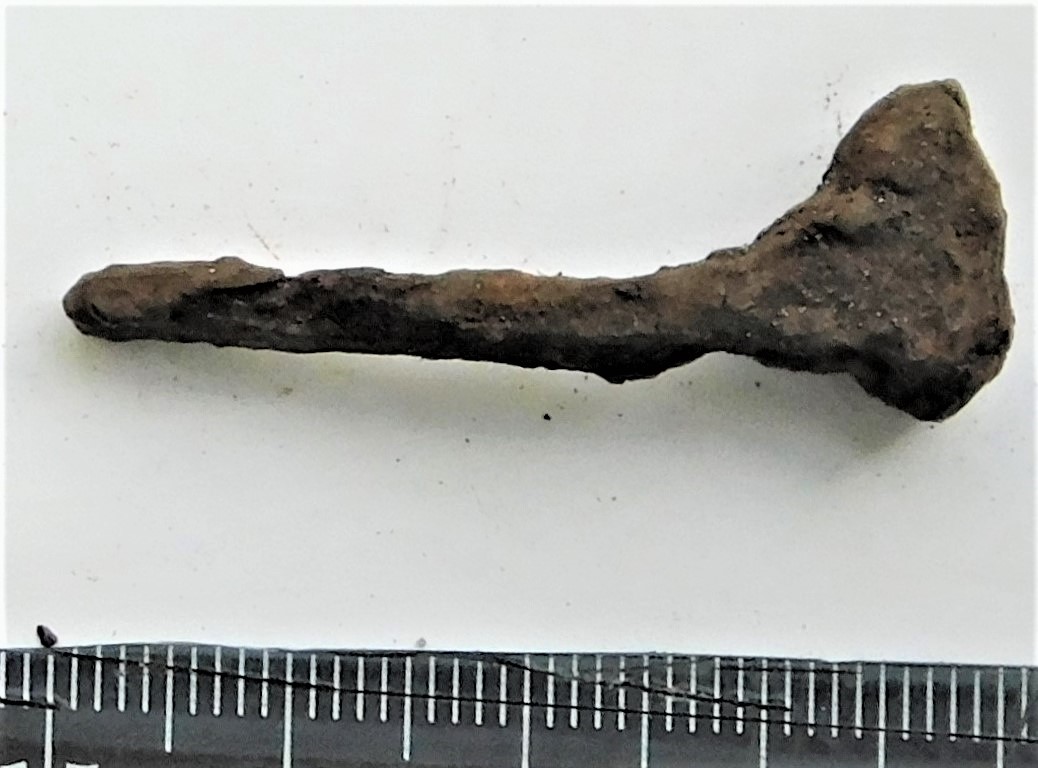
Mullutu
Nail, iron.
Century:
0
Discovery code:
SM 10863:140
Century:
0
Discovery code:
SM 10863:140
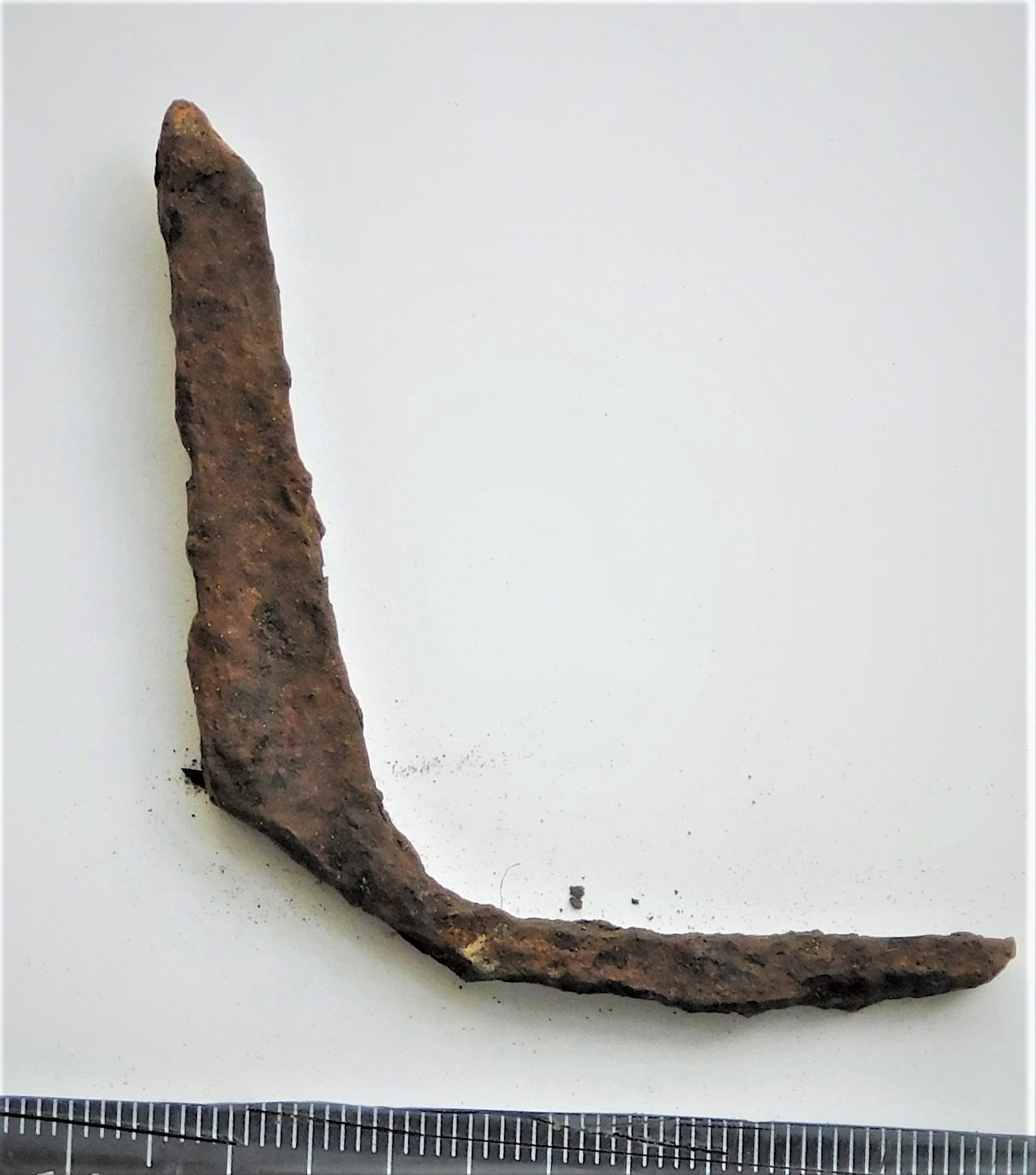
Mullutu
Iron hook.
Century:
0
Discovery code:
SM 10863:141
Century:
0
Discovery code:
SM 10863:141
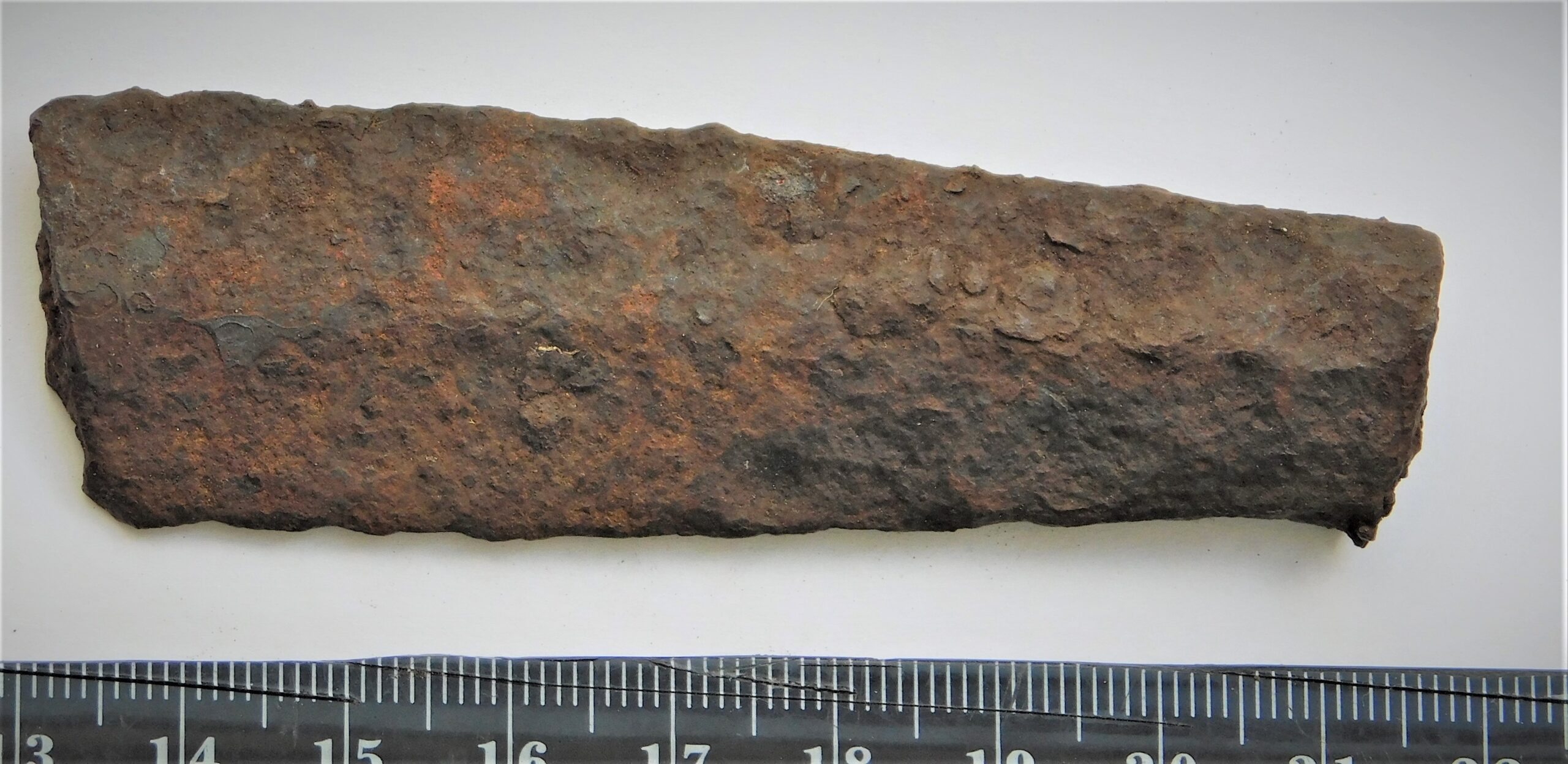
Mullutu
E-type spearhead, fragment of the blade.
Century:
9-10
Discovery code:
SM 10863:142
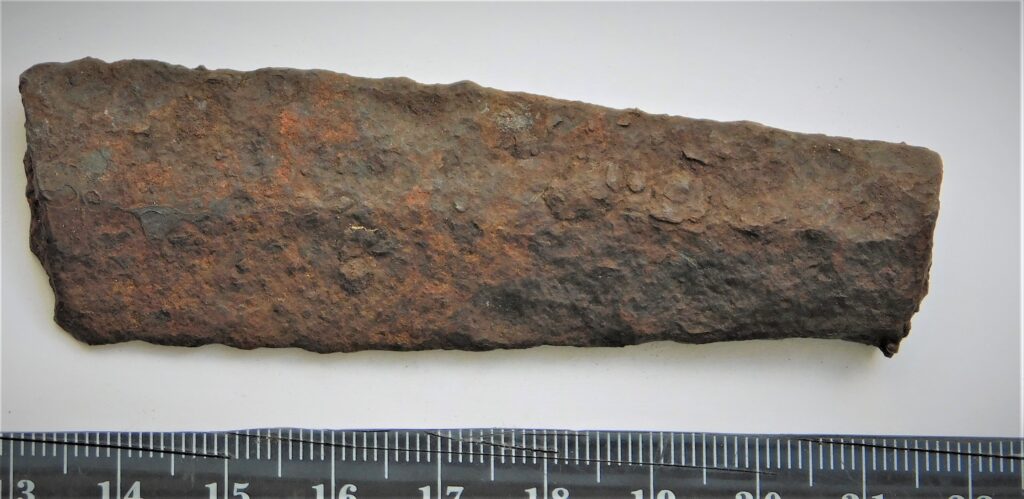
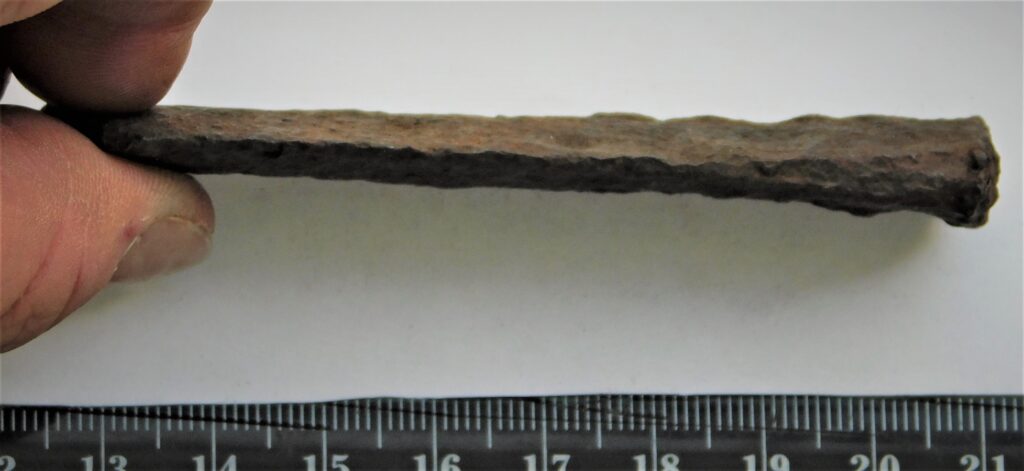
E-type spearhead, fragment of the blade.
Literature:
Pedersen, A. 2014. Dead Warriors in Living Memory. A Study of Weapon and Equestrian Burials in Viking-Age Denmark, AD 800-1000. – National Museums Studies in Archaeology and History, Vol. 20: 1. Copenhagen, 92-93.
Century:
9-10
Discovery code:
SM 10863:142
Mullutu
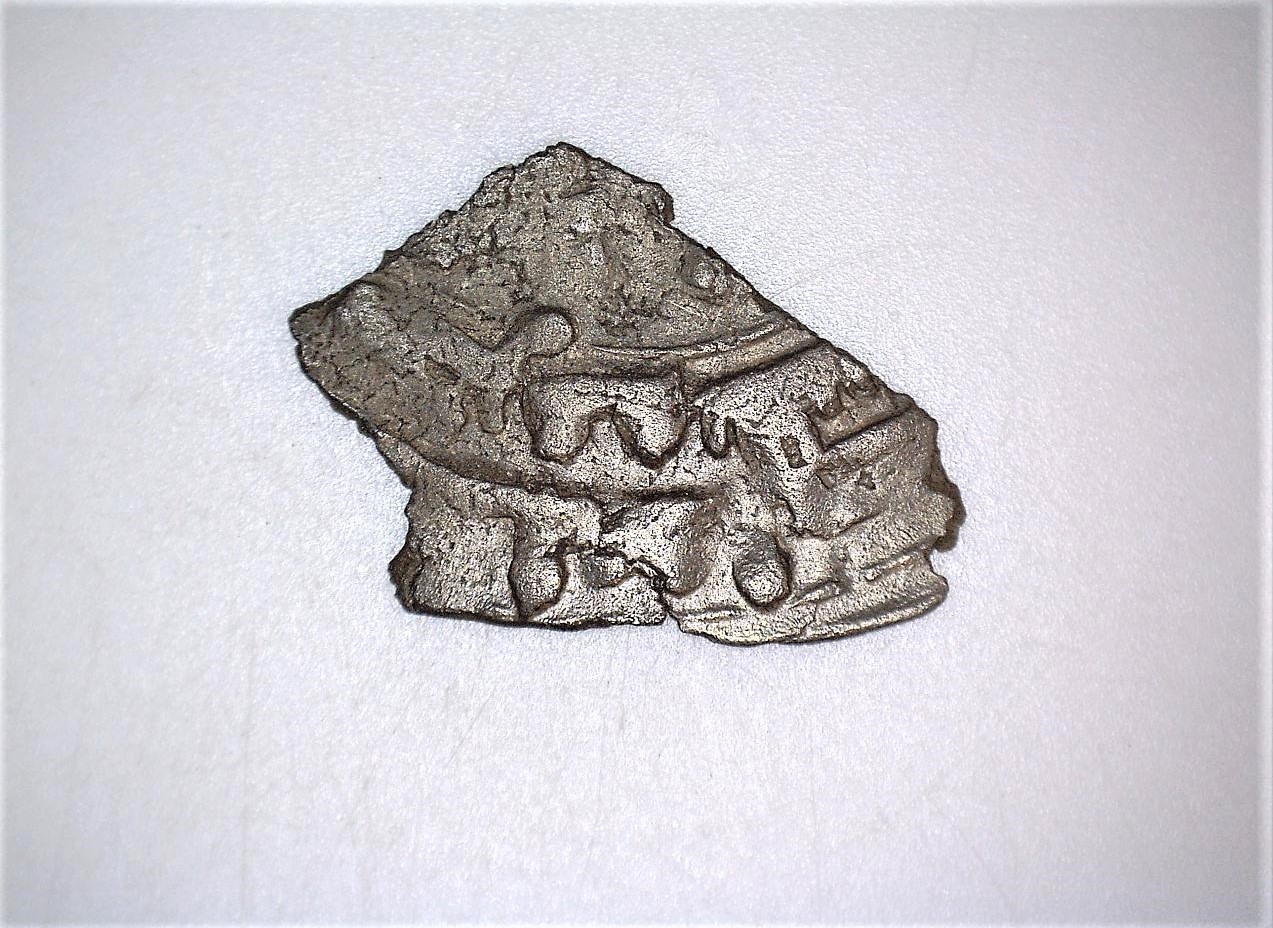
The fragment of a coin. Samanid dynasty, the town of as-Šaš-i (?) 0.38 g.
Century:
10
Discovery code:
SM 10863:143
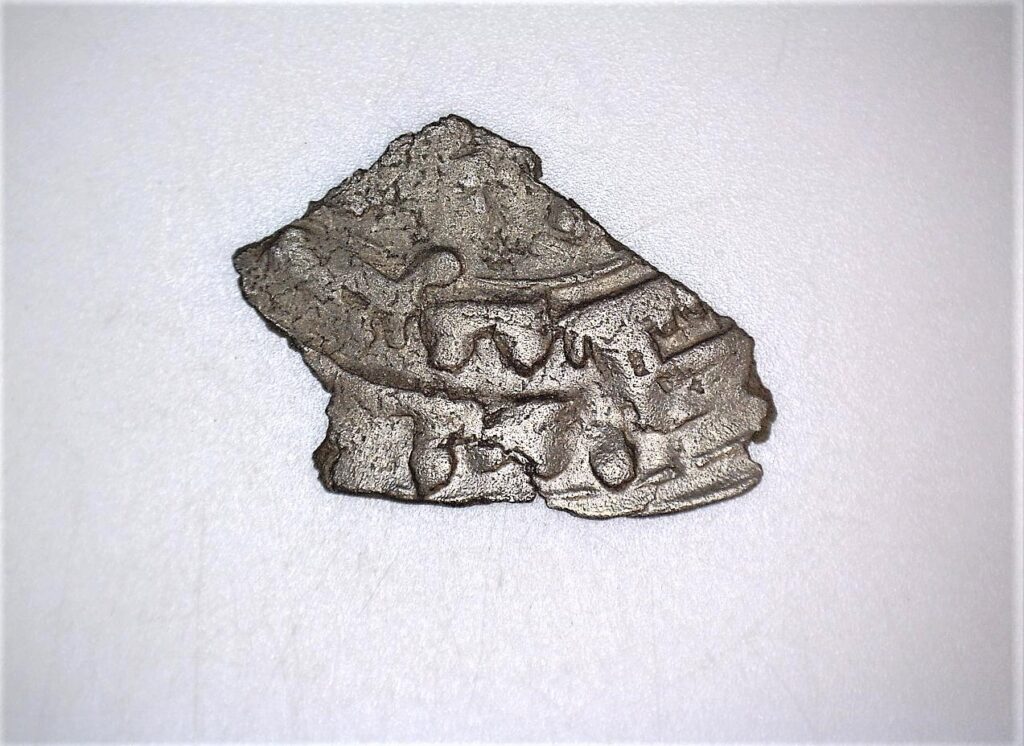
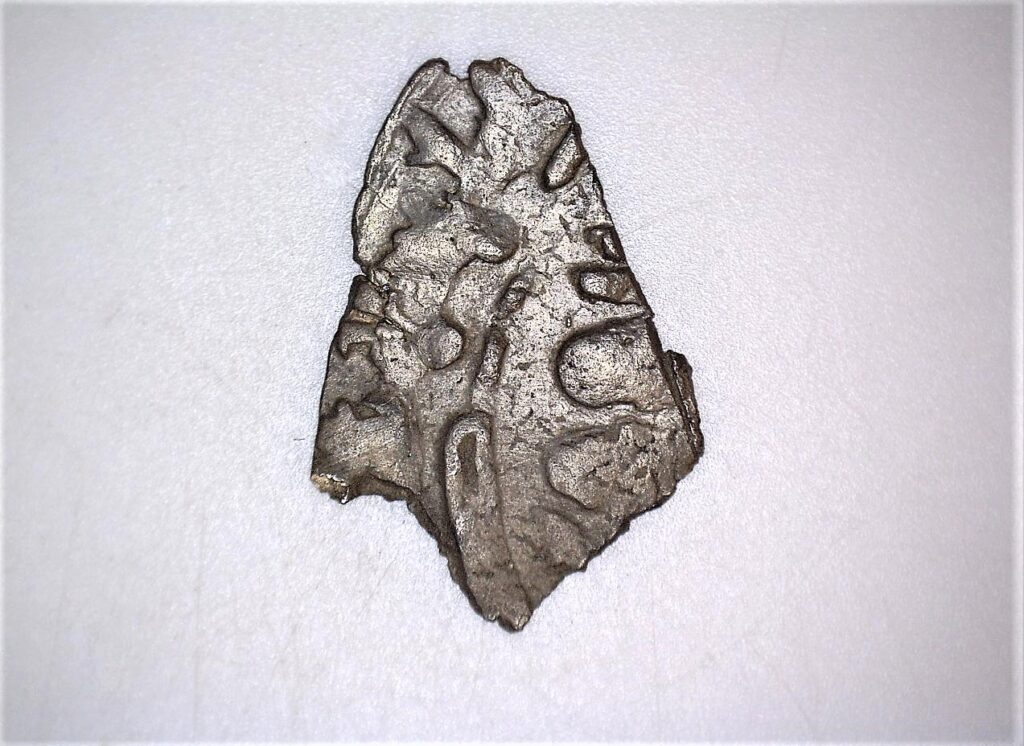
The fragment of a coin. Samanid dynasty, the town of as-Šaš-i (?) 0.38 g.
Century:
10
Discovery code:
SM 10863:143
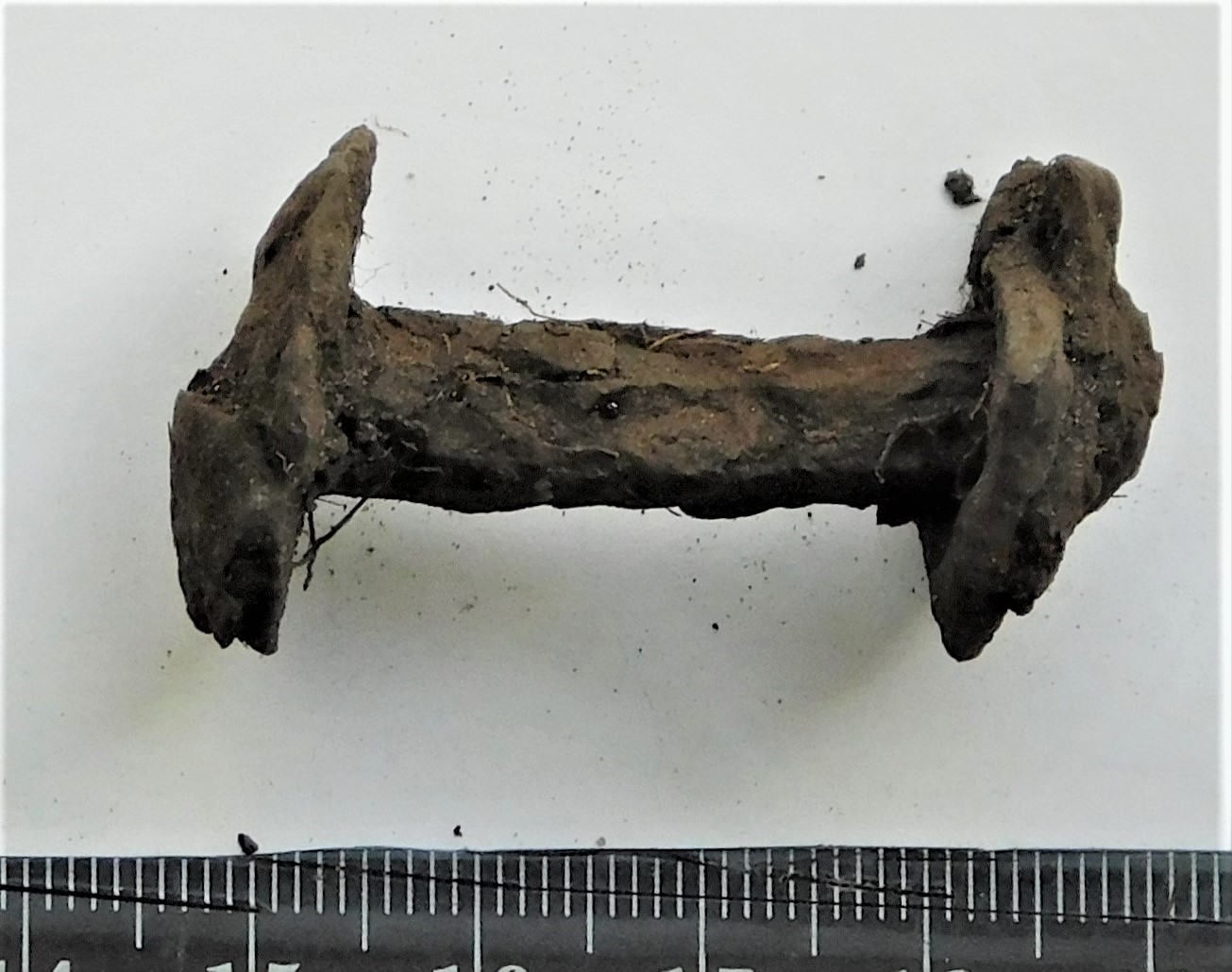
Mullutu
Boat rivet, iron.
Century:
7-15
Discovery code:
SM 10863:144
Century:
7-15
Discovery code:
SM 10863:144
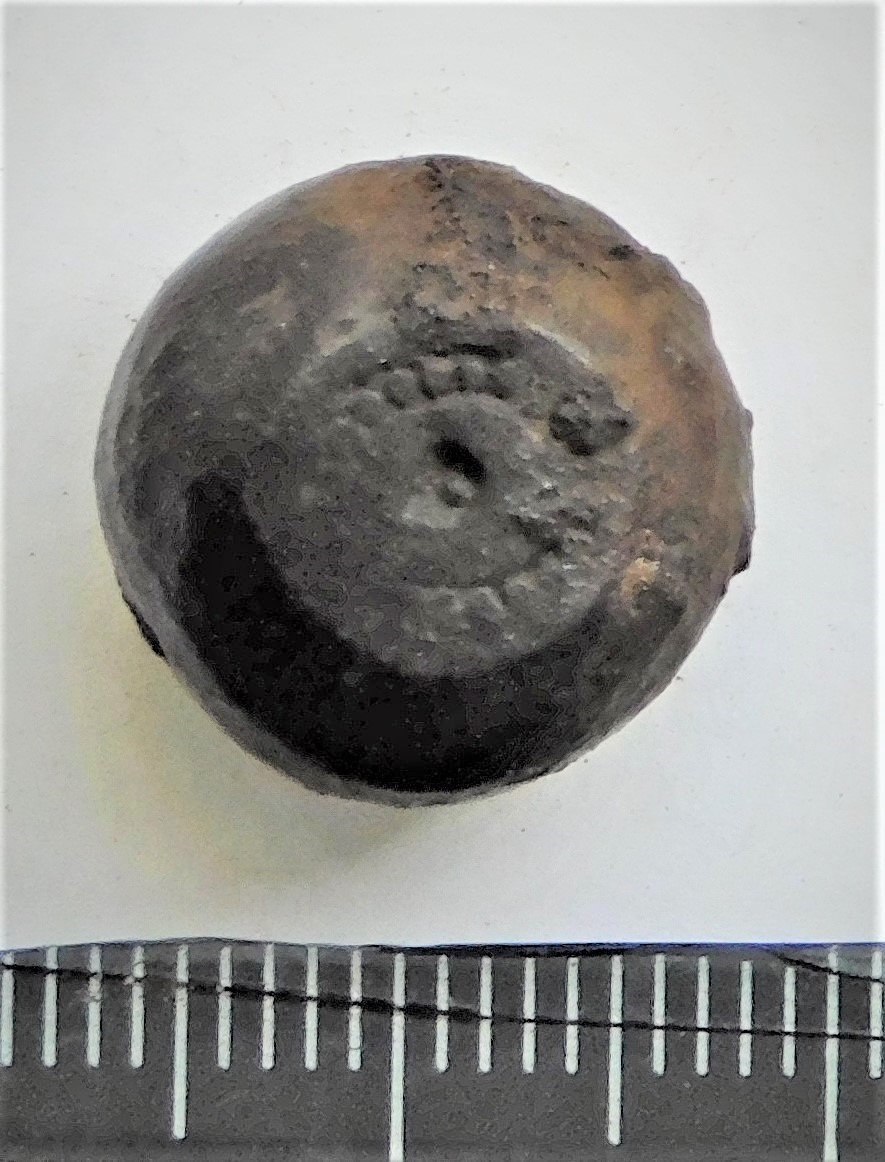
Mullutu
Spheric weight, iron + bronze. Faces marked with line formed of small rings.
Century:
10-11
Discovery code:
SM 10863:145
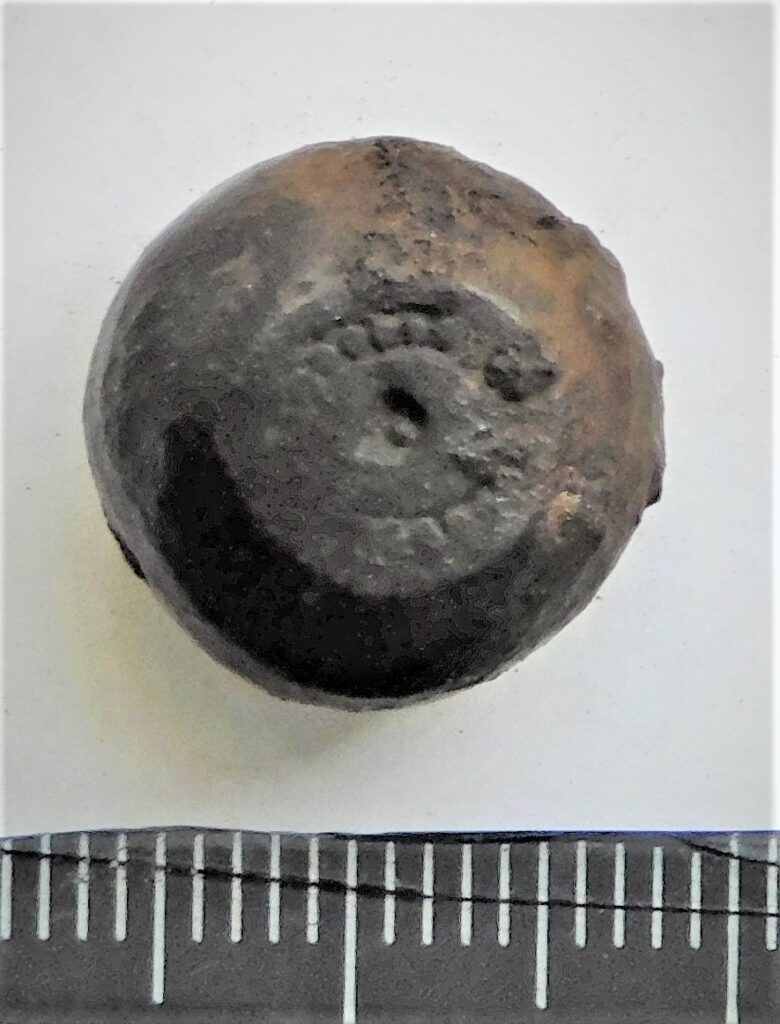
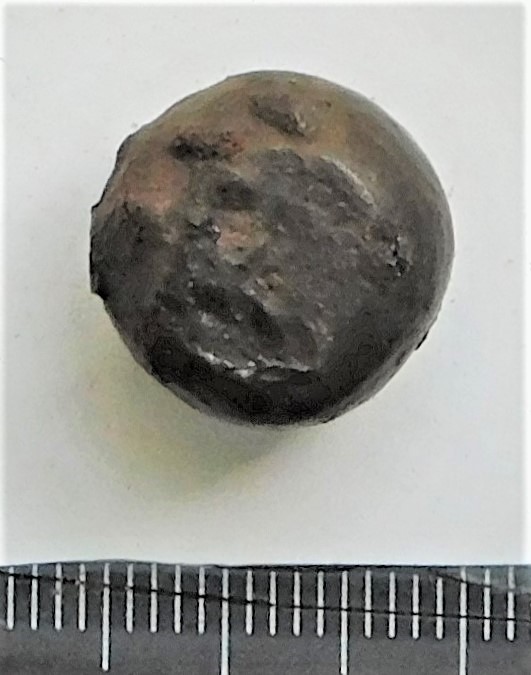
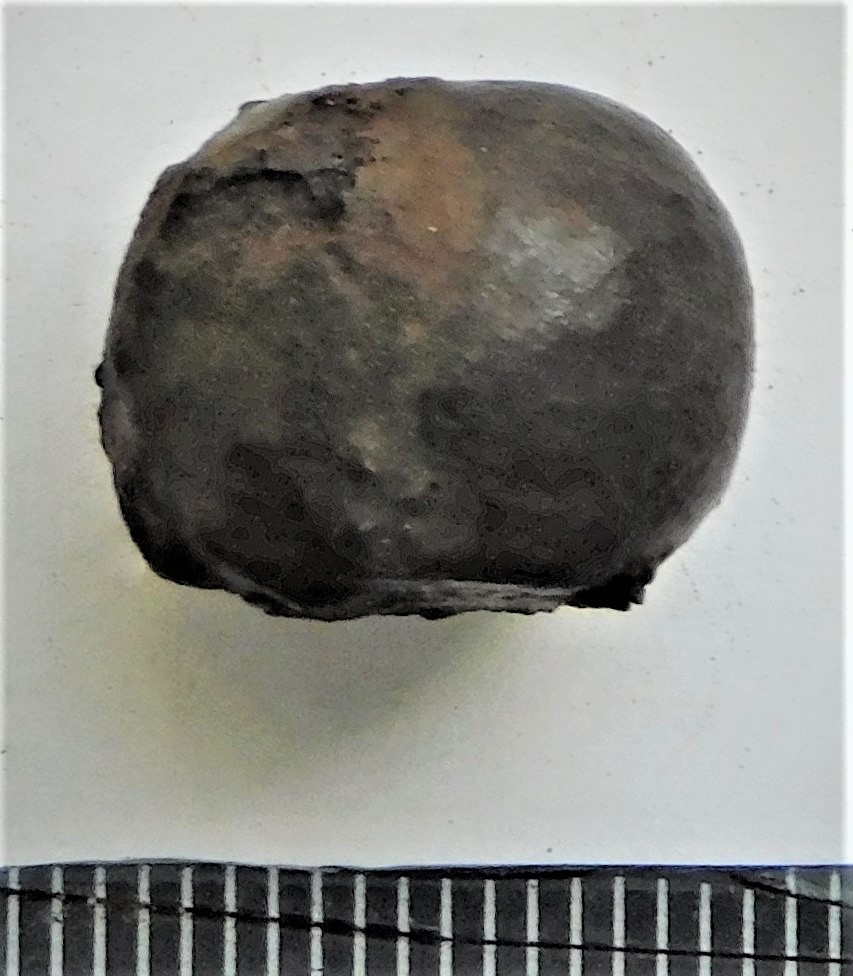
Spheric weight, iron + bronze. Faces marked with line formed of small rings. Probably from the end of the 10th or from the 11th. century (Berga 2017).
Literature:
Berga, T. 2017. The distribution and chronology of traiding equipment in present-day Latvia in the tenth to thirteenth centuries. – Archaeologia Baltica, 24, 59-77.
Century:
10-11
Discovery code:
SM 10863:145
Mullutu
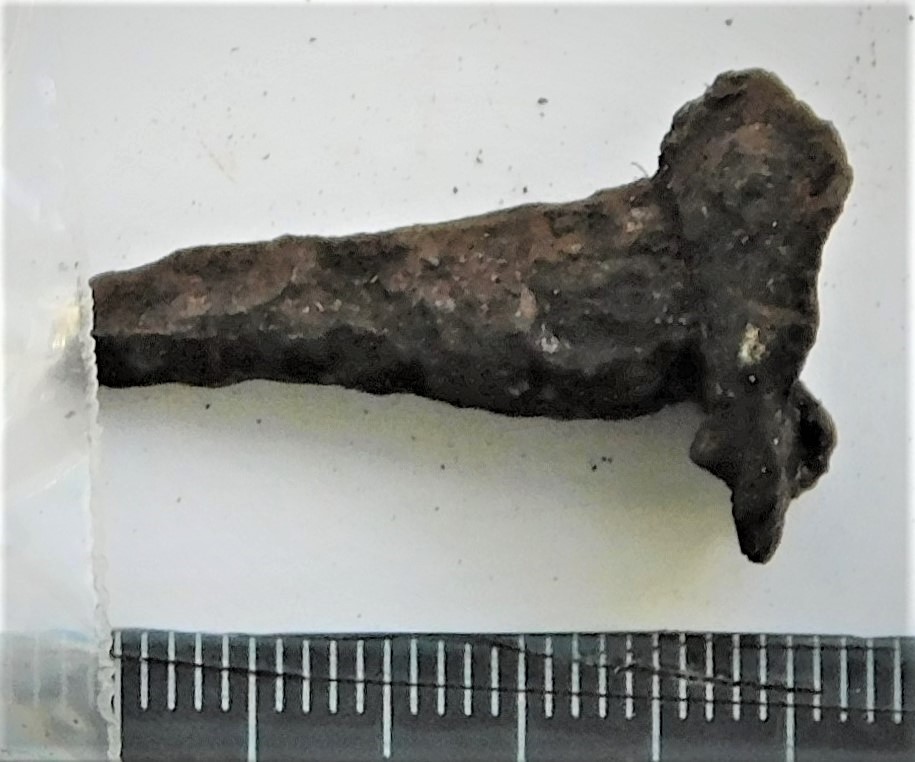
Iron rivet,
Century:
7-15
Discovery code:
SM 10863:146
Century:
7-15
Discovery code:
SM 10863:146
Mullutu
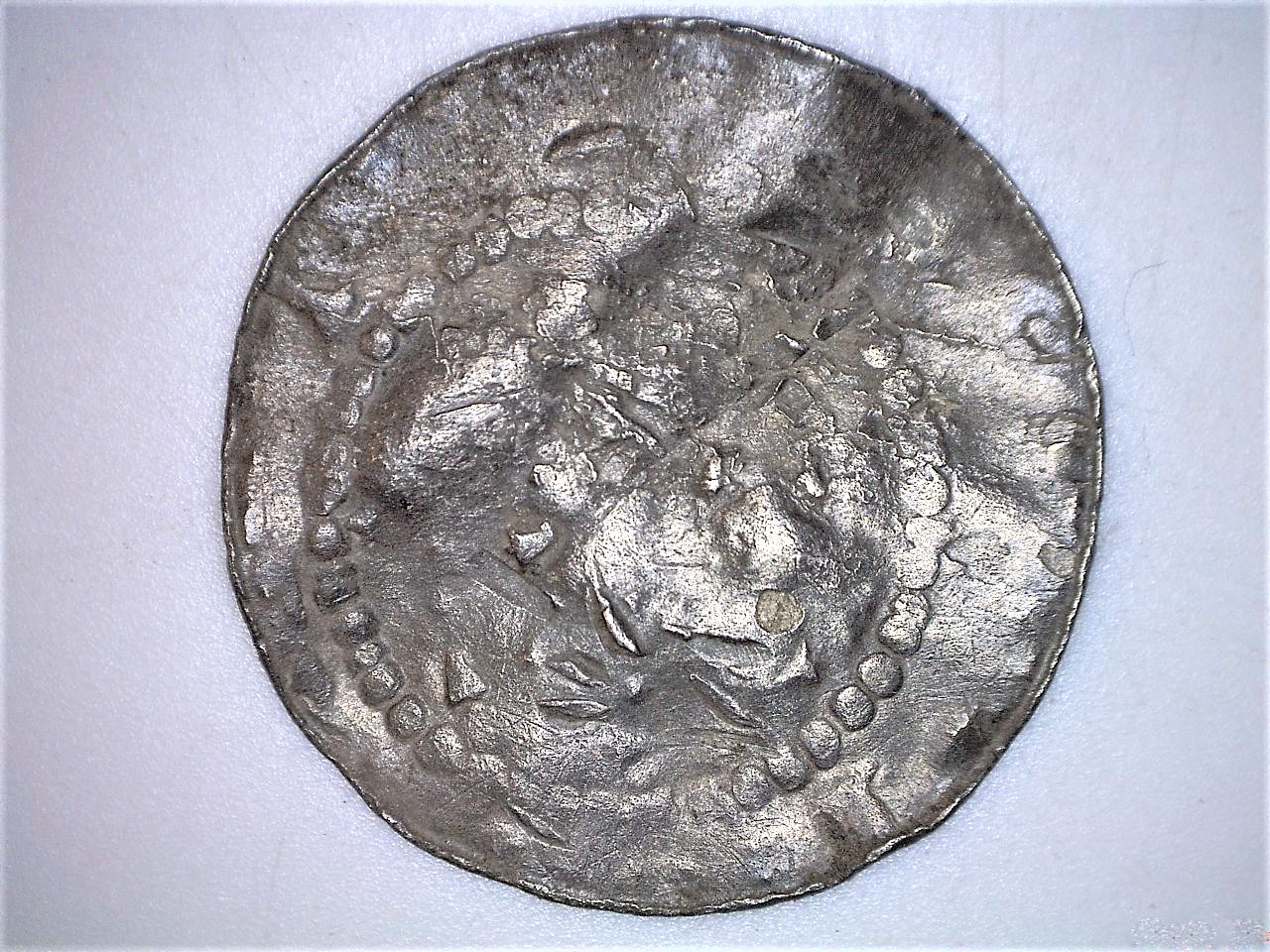
Coin, from the town of Erfurt, Germany. 0.82 grams. From the years between 1047 to 1075.
Century:
11
Discovery code:
SM 10863:147
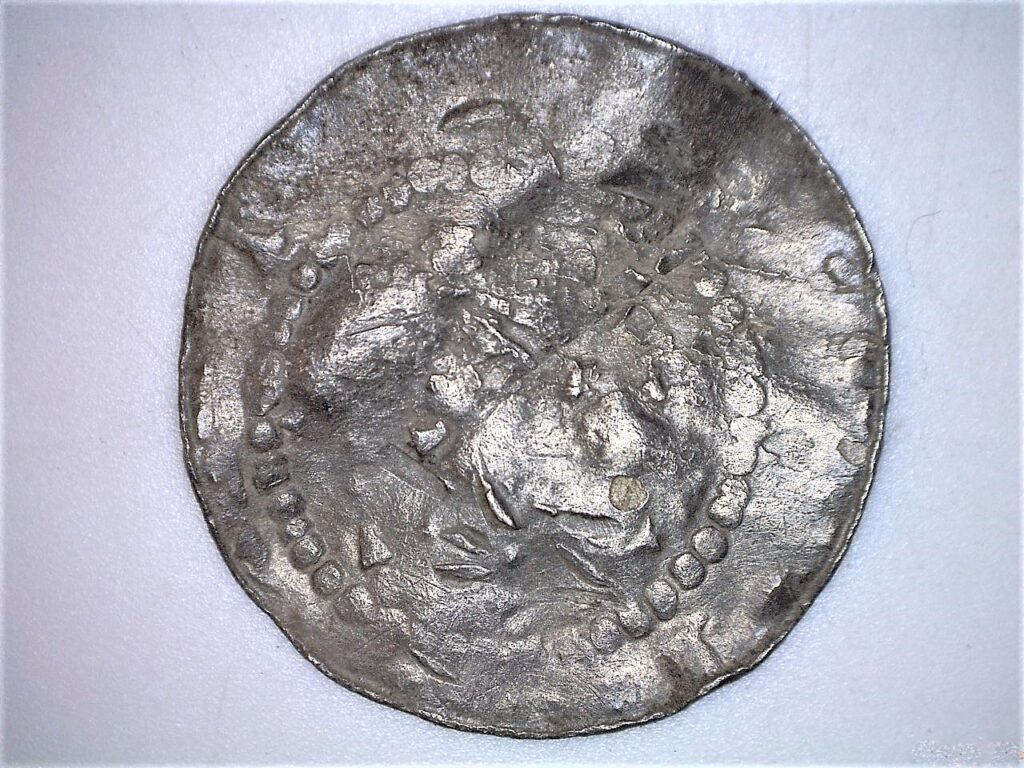
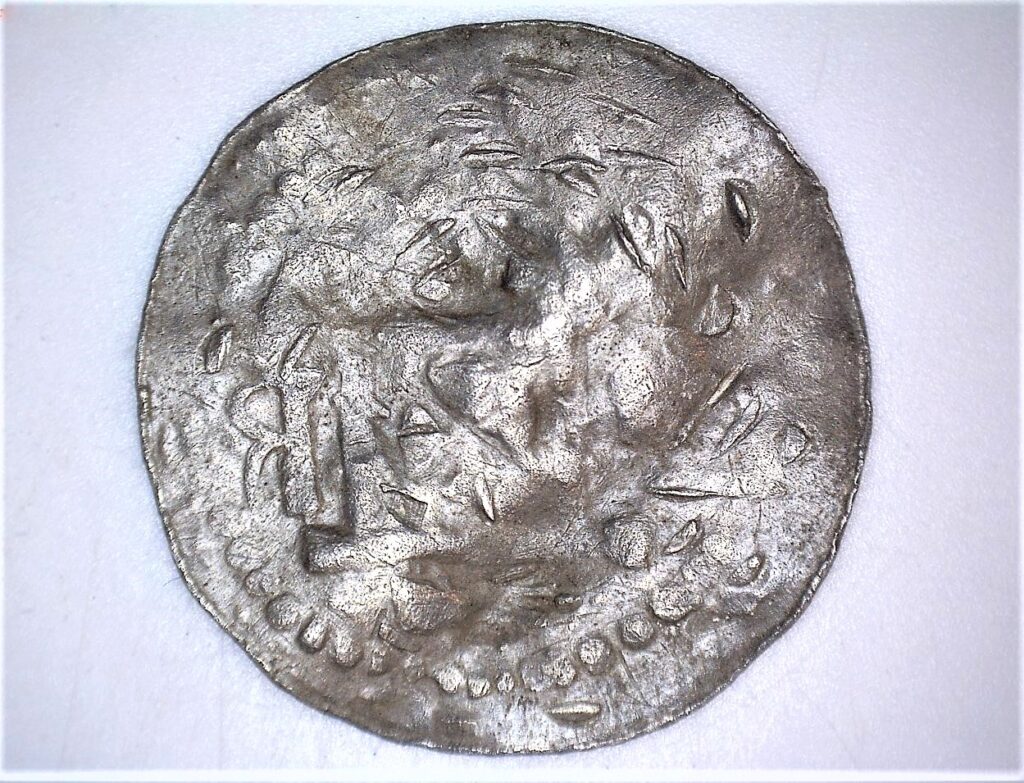
Coin, from the town of Erfurt, Germany. 0.82 grams. From the years between 1047 to 1075.
Century:
11
Discovery code:
SM 10863:147
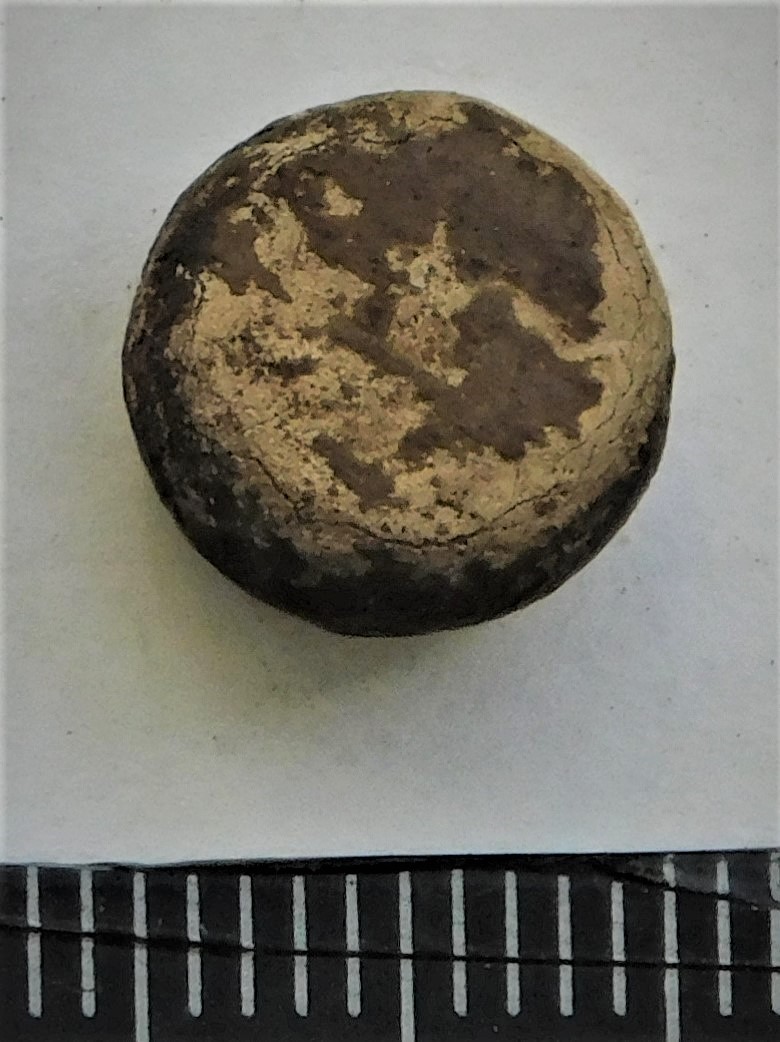
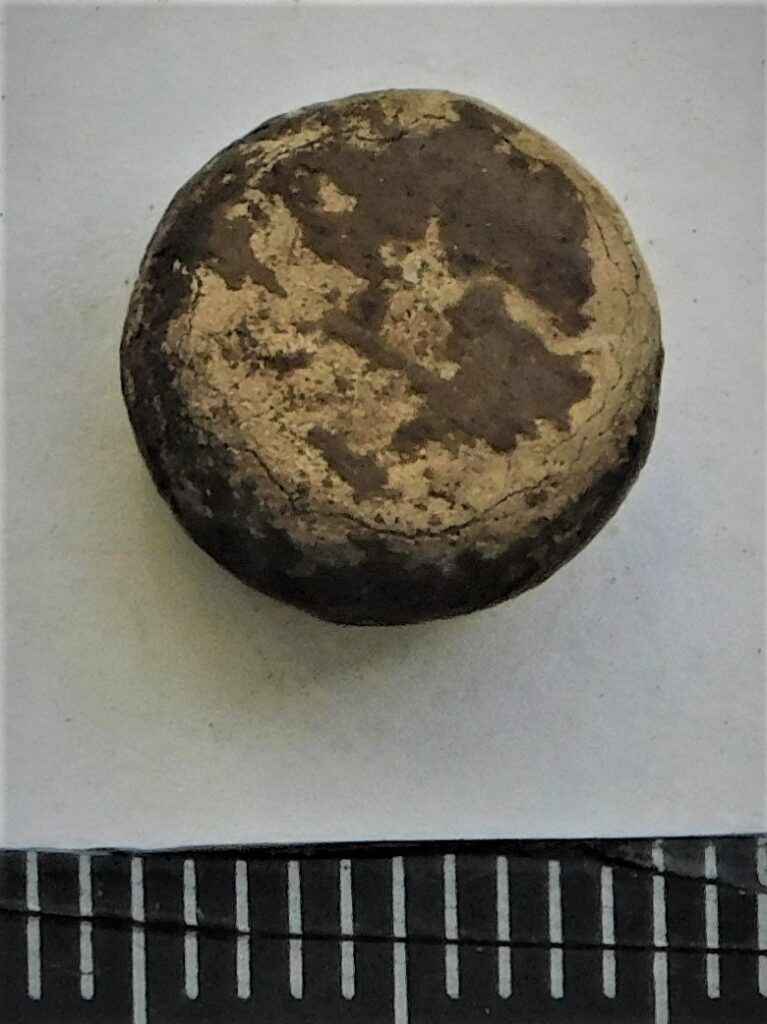
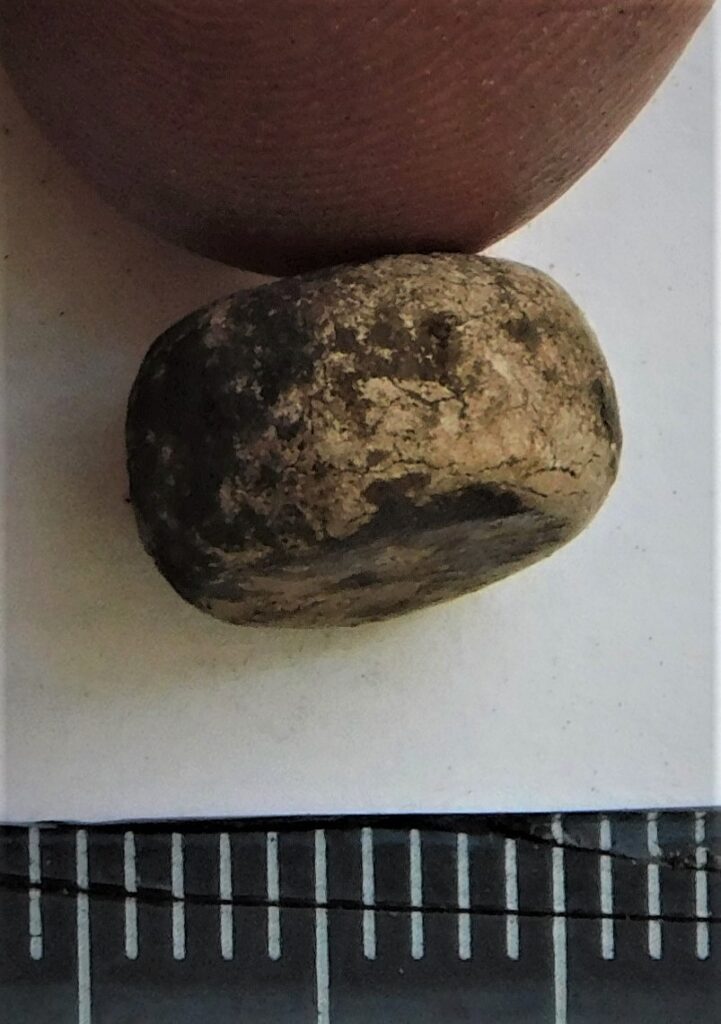
Weight (?), cylindrical, lead. In Latvia, such weights are dated to the period from the late 10th to the late 13th century (Berga 2017).
Literature:
Berga, T. 2017. The distribution and chronology of traiding equipment in present-day Latvia in the tenth to thirteenth centuries. – Archaeologia Baltica, 24, 59-77.
Century:
10-13
Discovery code:
SM 10863:149

