
Database
Muhu
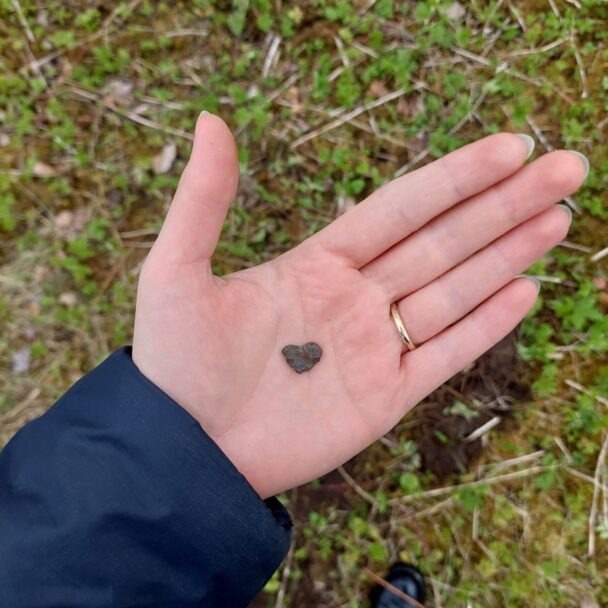
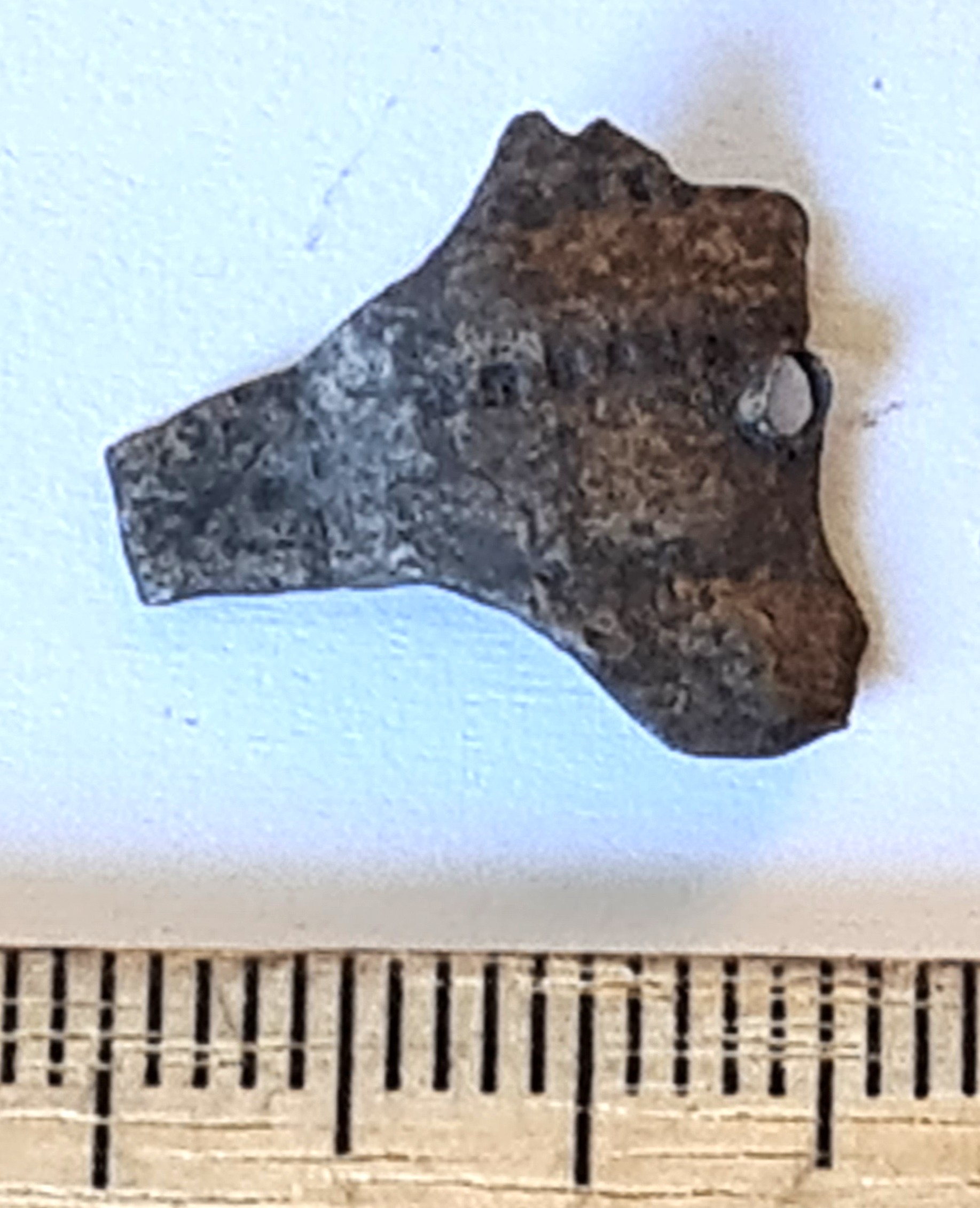
Fragment of finger-ring with middle shield, copper alloy.
Century:
13-14
Discovery code:
SM 10973:442
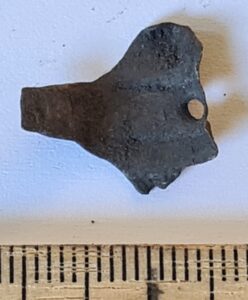
Fragment of finger-ring with middle shield, copper alloy. In Siksälä, such examples have been found mainly in burials dating to the late 13th or 14th century (e.g. Valk et al 2014, 27). In any case, they should not be earlier than the mid-13th century, but they may also date as late as the 15th century (Valk & Laul 2014, 118).
Literature:
Valk, H. & Laul, S. 2014. Siksälä kalme I: Muistis ja Ajalugu. Tartu ülikool: Tartu.; Valk, H., Ratas, J., Laul, S. 2014. Siksälä kalme II. Matuste ja leidude kataloog. Tartu Ülikool: Tartu
Century:
13-14
Discovery code:
SM 10973:442
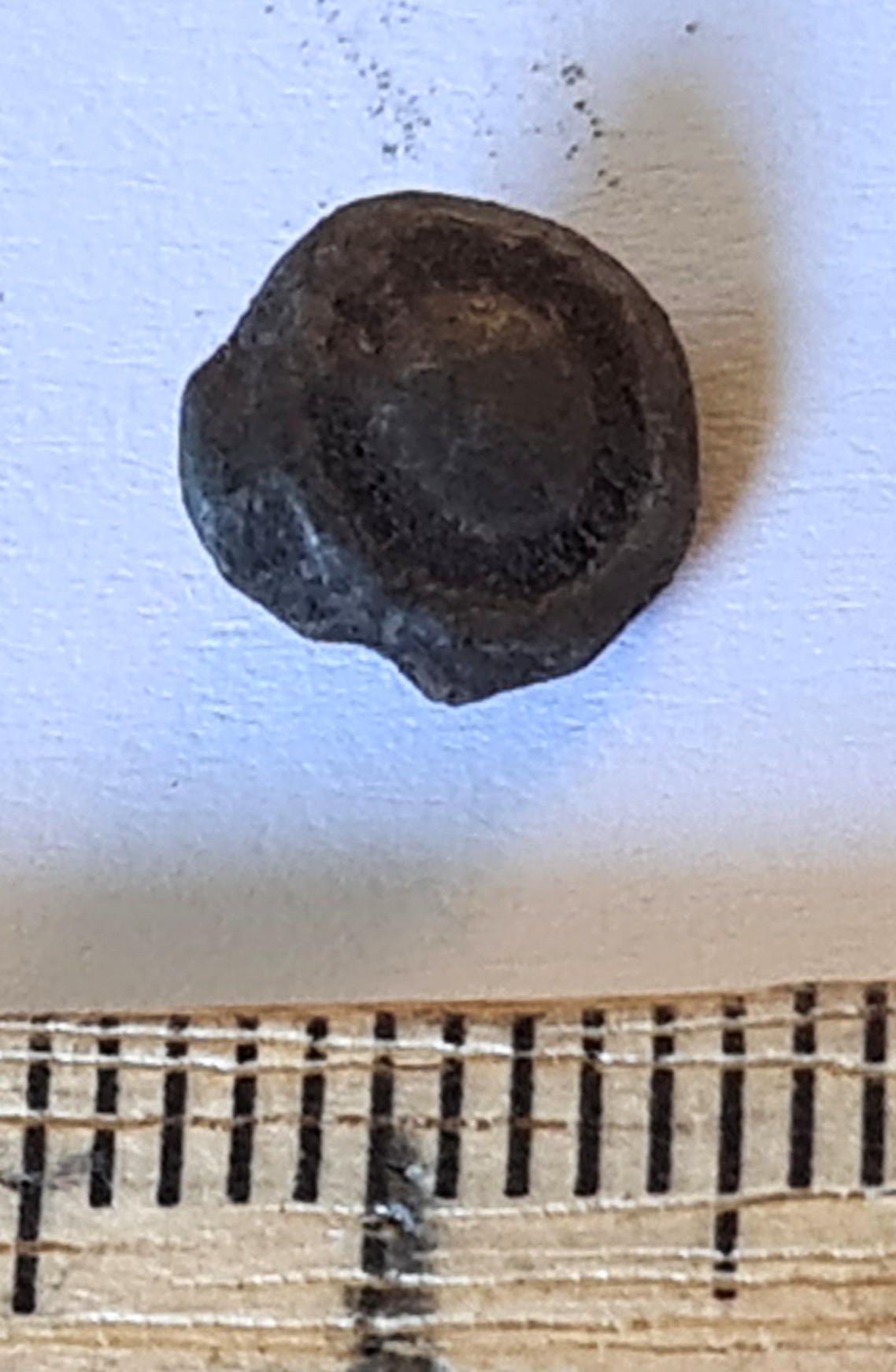
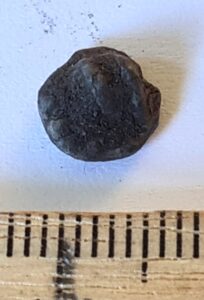
Mount, tin. Medieval or Early Modern. Tin mounts occur in a wide variety of shapes; however, at Siksälä, mounts of this particular form have been found in burials 22 and 33, both dated to the 14th century (Valk et al. 2014, 43, 54).
Literature:
Valk, H., Ratas, J., Laul, S. 2014. Siksälä kalme II. Matuste ja leidude kataloog. Tartu Ülikool: Tartu.
Century:
14
Discovery code:
SM 10973:443
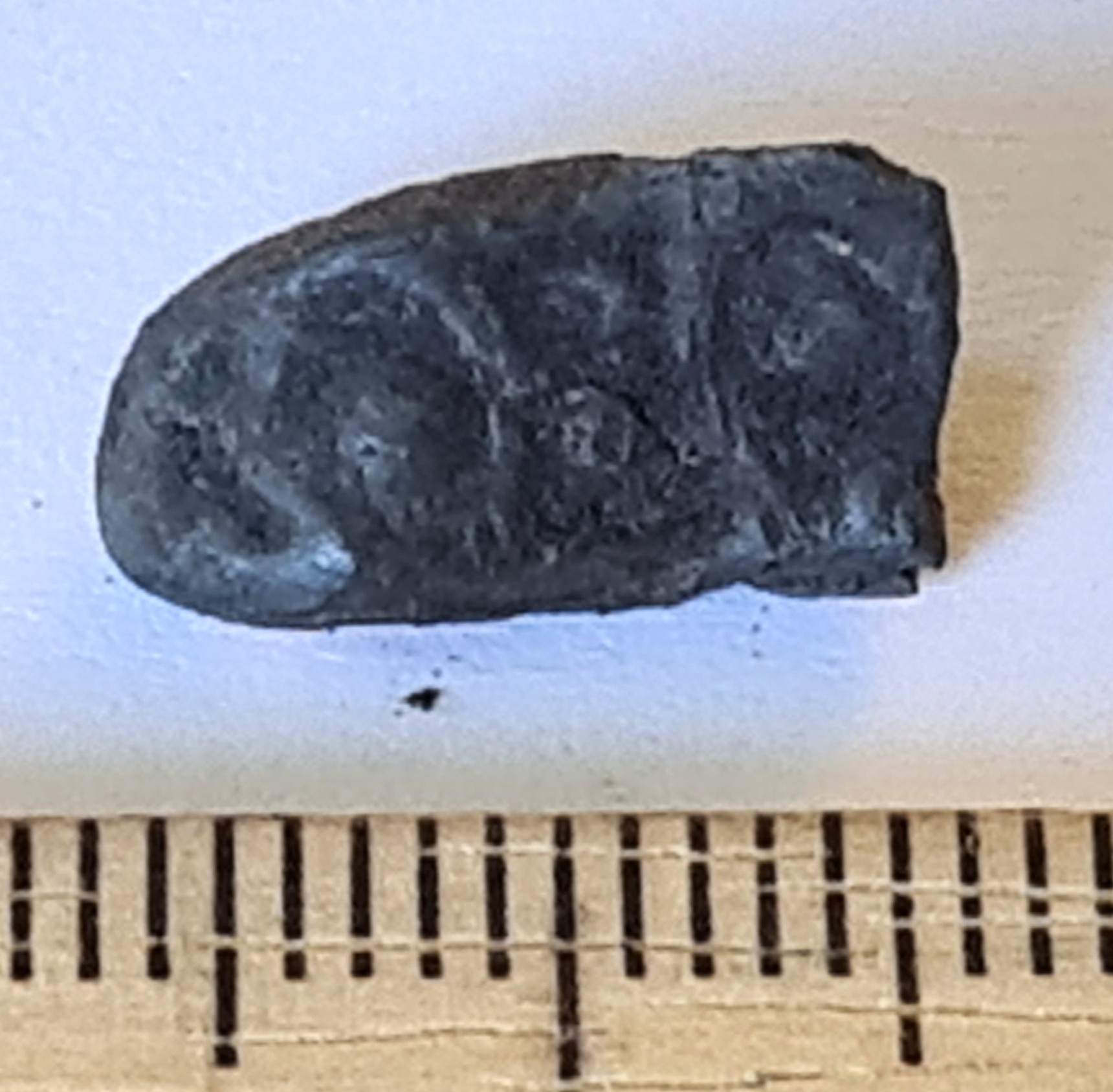
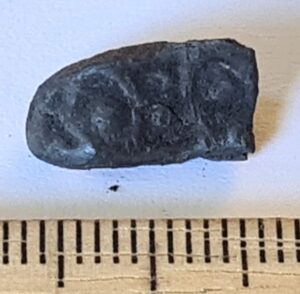
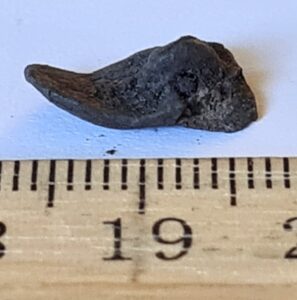
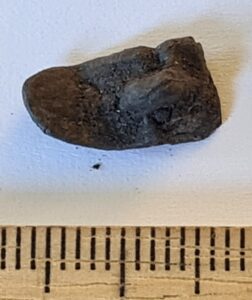
Garment decoration, tin (?). The rounded end of a strip decorated on one side. On the reverse, a loop for sewing it onto a garment.
Century:
13-17
Discovery code:
SM 10973:444
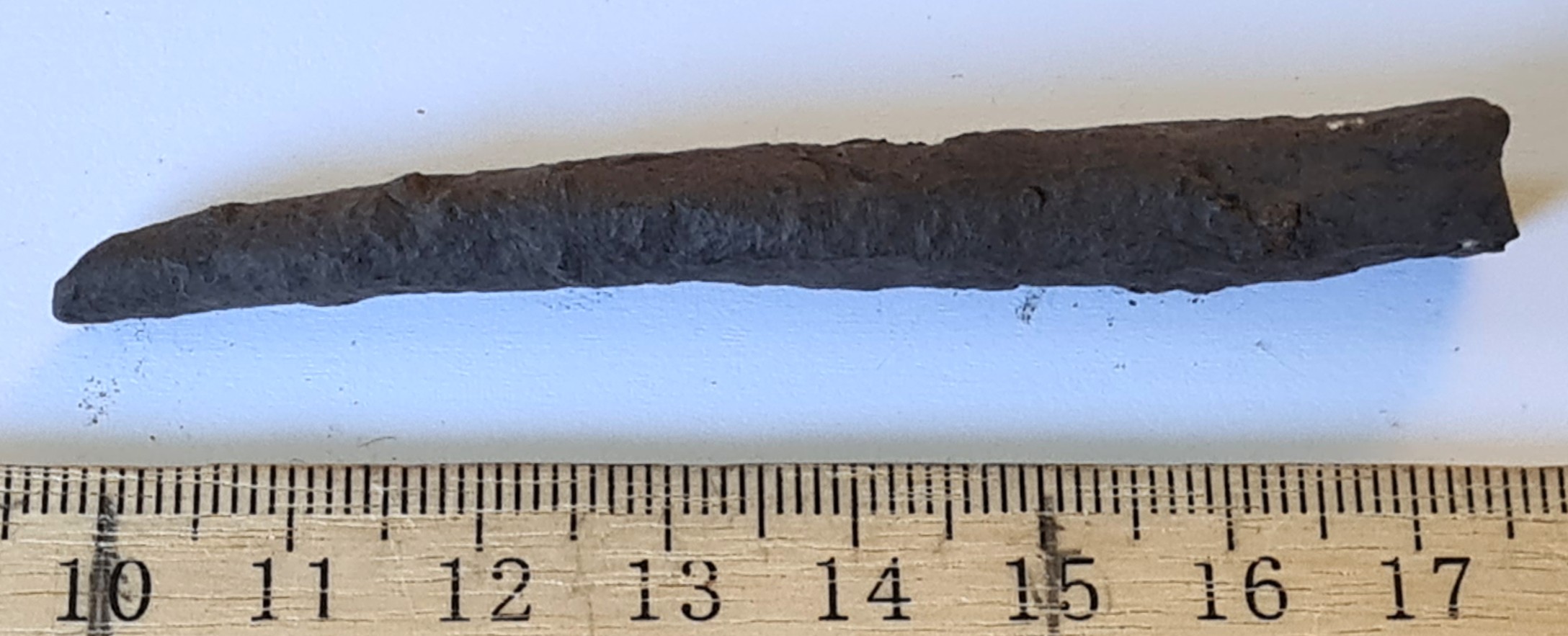
Muhu
Rod, iron.
Century:
12-17
Discovery code:
SM 10973:446
Century:
12-17
Discovery code:
SM 10973:446
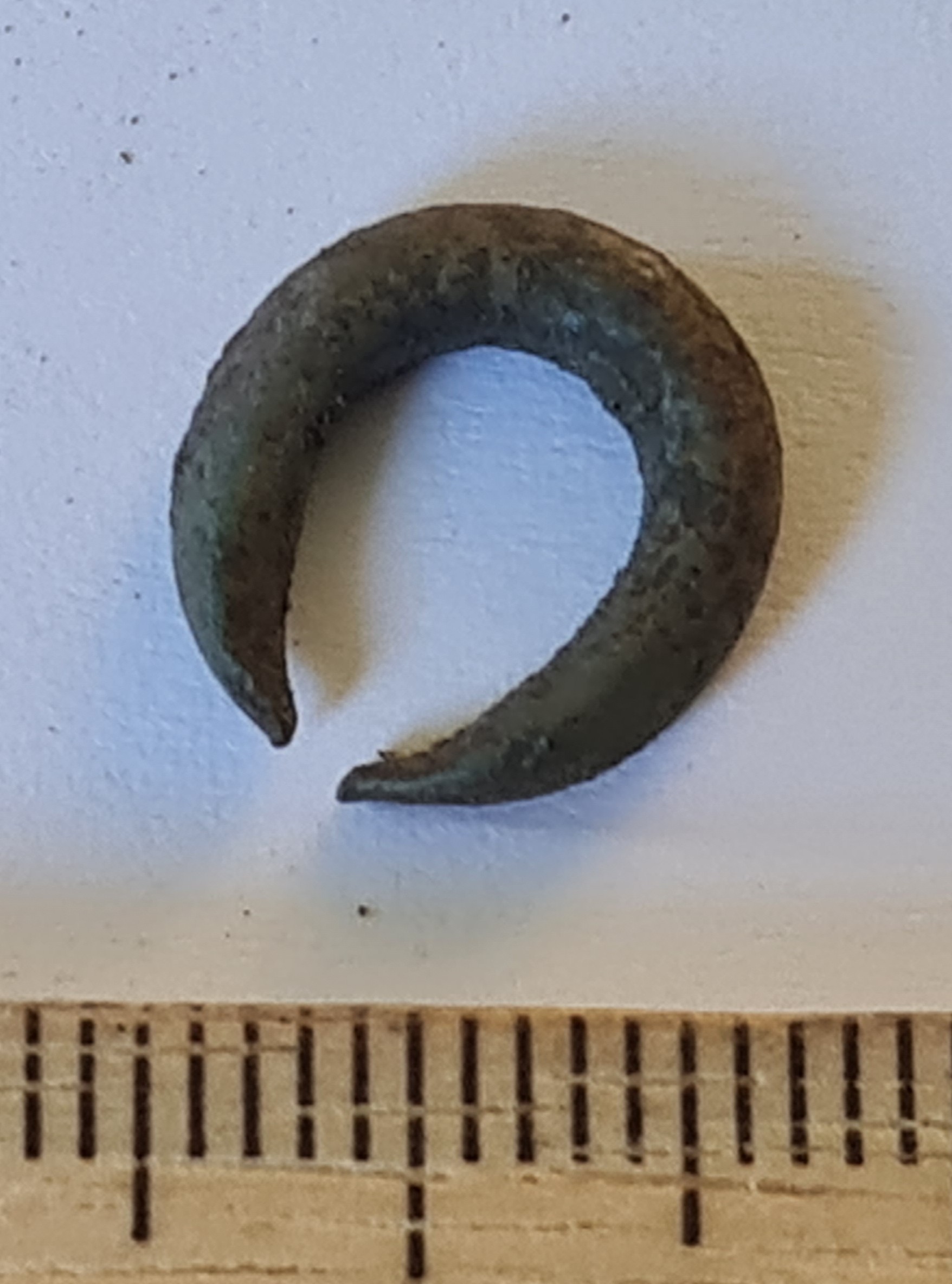
Muhu
Ring, copper alloy. The ends are narrowing.
Century:
13-14
Discovery code:
SM 10973:449
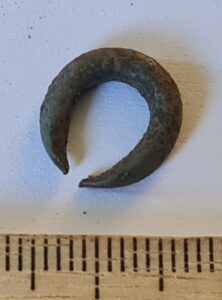
Ring, copper alloy. The ends are narrowing. Its function is unclear; however, a similar small brooch is known, for example, from burial no. 11 at Vilkmuiža in Dundaga (late 13th–early 14th century), where the pin has also been preserved (Muižnieks & Žeiere 2021, 335, Fig. 23: 1).
Century:
13-14
Discovery code:
SM 10973:449
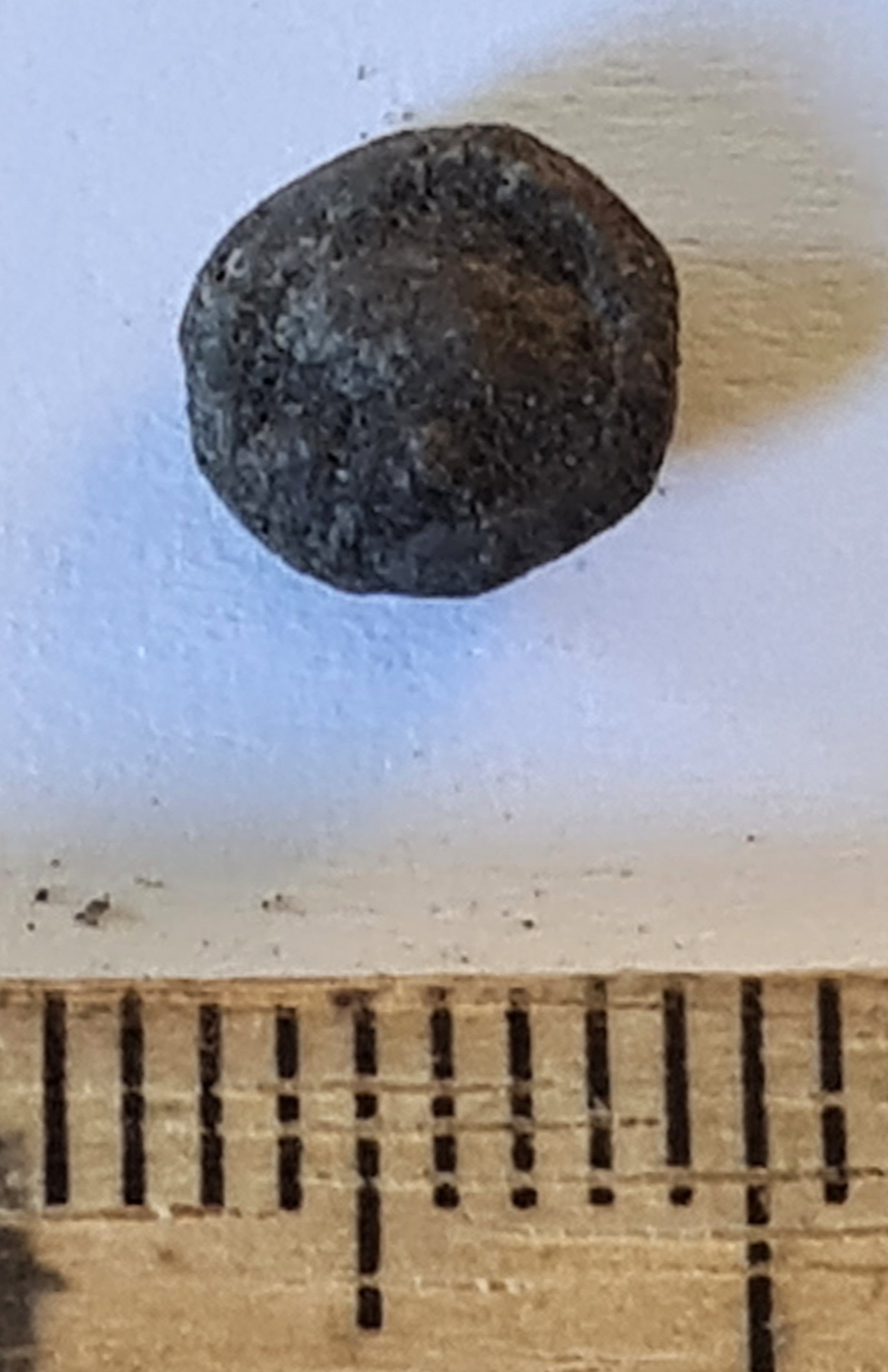
Mount, tin. Medieval or Early Modern. Tin mounts occur in a wide variety of shapes; however, at Siksälä, mounts of this particular form have been found in burials 22 and 33, both dated to the 14th century (Valk et al. 2014, 43, 54).
Literature:
Valk, H., Ratas, J., Laul, S. 2014. Siksälä kalme II. Matuste ja leidude kataloog. Tartu Ülikool: Tartu.
Century:
14
Discovery code:
SM 10973:463
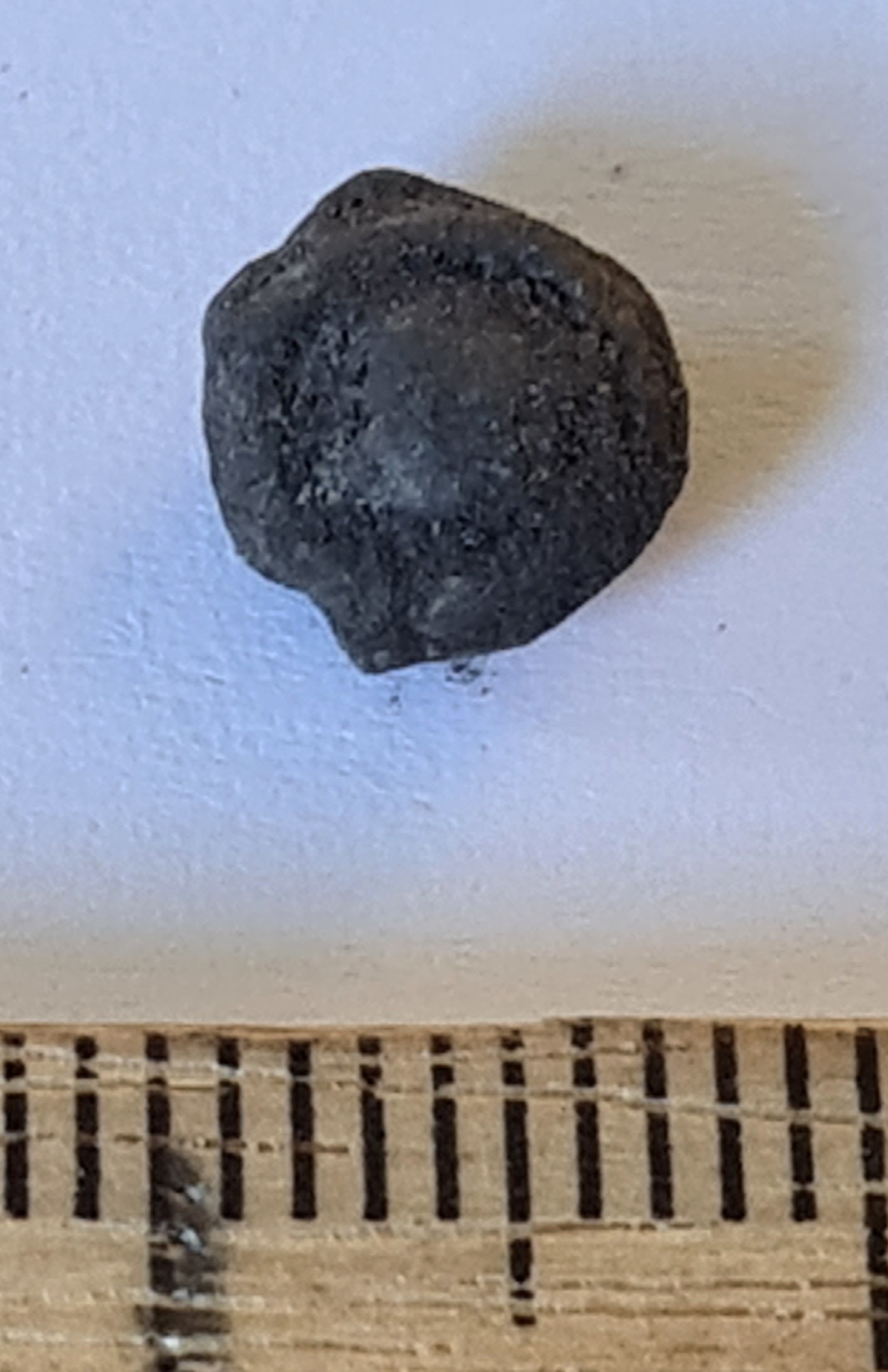
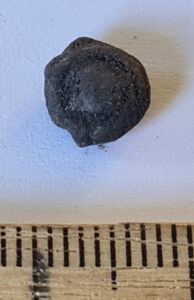
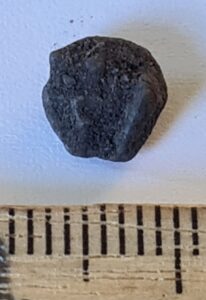
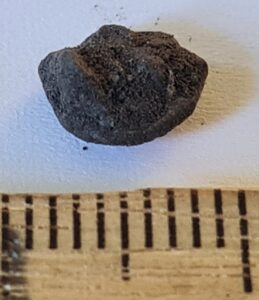
Mount, tin. Medieval or Early Modern. Tin mounts occur in a wide variety of shapes; however, at Siksälä, mounts of this particular form have been found in burials 22 and 33, both dated to the 14th century (Valk et al. 2014, 43, 54).
Literature:
Valk, H., Ratas, J., Laul, S. 2014. Siksälä kalme II. Matuste ja leidude kataloog. Tartu Ülikool: Tartu.
Century:
14
Discovery code:
SM 10973:464
Muhu
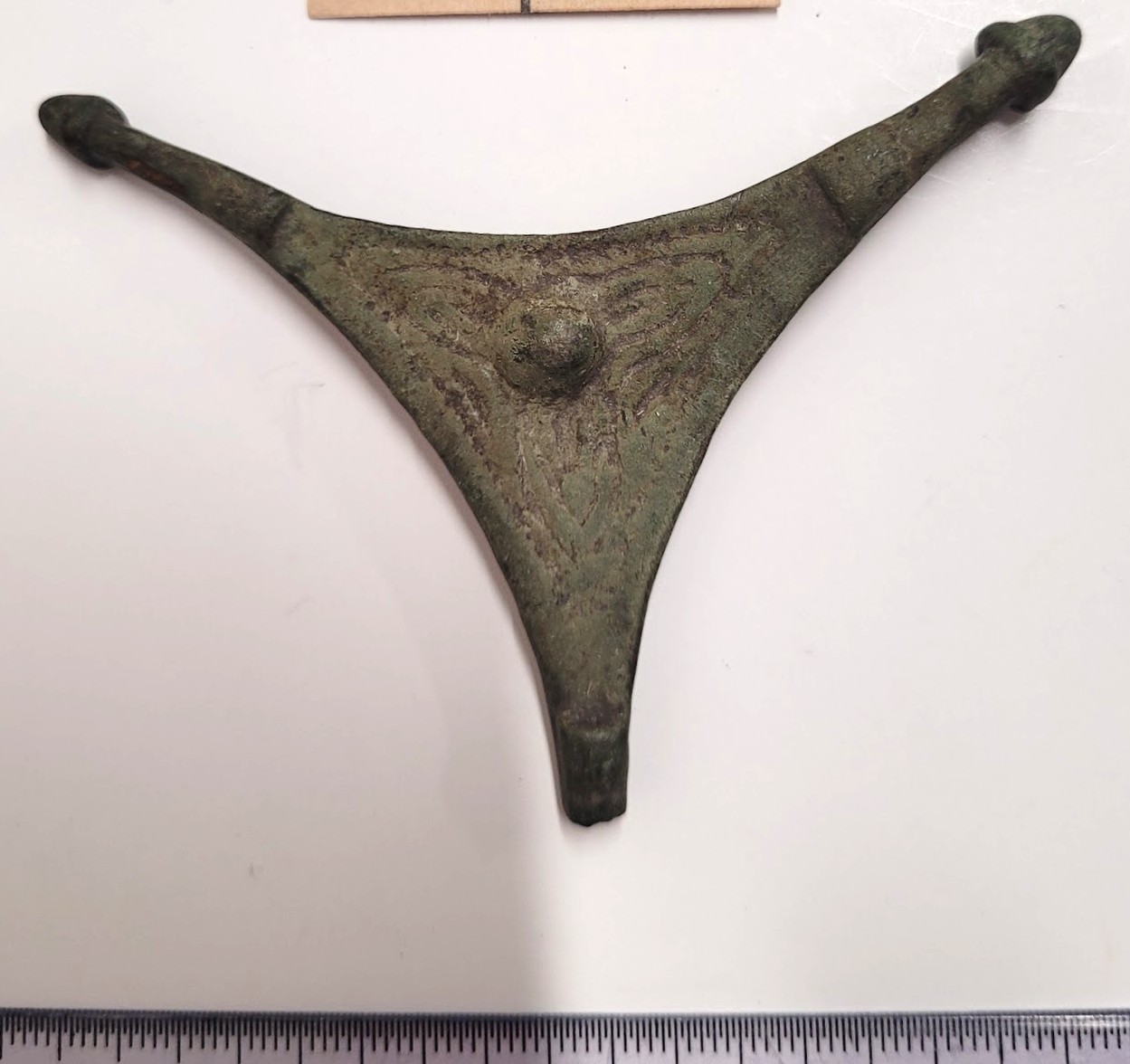
Triangular-headed pin with leaf ornamentation, copper alloy.
Century:
10
Discovery code:
AM A880:1
Triangular-headed dress pin, copper alloy. With hat-shaped end knobs and leaf decoration. Such dress-pins were in the 10th century widespread especially in Saaremaa, W- and NW-Estonia (Mägi 1997). Pins with similar shape but different decoration were common in Couronia and Semigallia. Indrek Jets has argued that the leaf-shaped decoration was a local offshoot from Scandinavian Animal art that decorated similar 8th-9th-century pins in Estonia (Jets & Mägi 2015). Such pins were presumably used both by women and men. Some triangular-headed pins with leaf decoration are known from the Livic areas, especially from graves where other Saaremaa-like artefacts are present. Single ones have also been found in several places in southern Scandinavia, Gotland and the island of Rügen (Mägi 2018, 297-300). It cannot be excluded that they were still in use in the beginning of the 11th century.
Literature:
Mägi, M. 1997. Eesti merovingi- ja viikingiaegsed rinnanõelad – võõrapärased ja omad. – Eesti Arheoloogia Ajakiri 1997, I, 26-83.; Jets, I. & Mägi, M. 2015. Local shape, foreign decoration. Shared culture values in pre-Viking Period Baltic Rim as indicated in the decoration of triangular-headed pins. – Fornvännen 2015, 4, 257-266.; Mägi, M. 2018. In Austrvegr: The Role of the Eastern Baltic in Viking Age Communication across the Baltic Sea. Brill; Leiden.
Century:
10
Discovery code:
AM A880:1
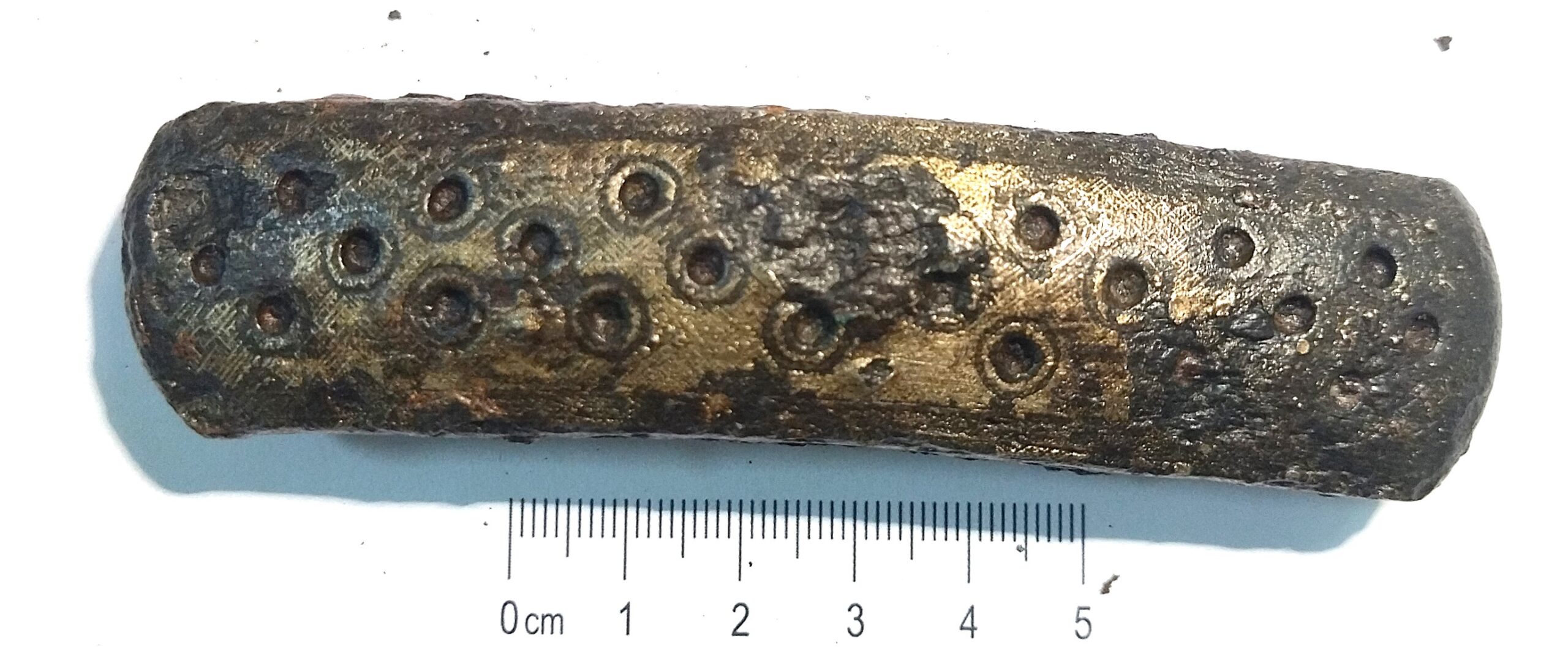
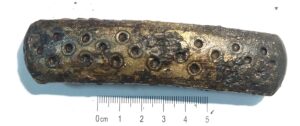 Hilt guard, iron, with silver inlay. Petersen’s T-type. Decorated with concentric circles. Sword parts with similar ornaments have been found elsewhere in Estonia and are also known from Latvia and Lithuania (Jets, 2013, 110). They are dated mainly to the 10th-11th centuries, sometimes also to the beginning of the 12th century (Tomsons 2018, 60-61).
Literature:
Jets, I. 2013. Lahingu maod. Skandinaavia 9.-11. sajandi sajandi kunstistiilid Eesti arheoloogilistel leidudel. Tallinn: Tallinna Ülikooli Kirjastus.
Tomsons, A. 2018. Zobeni Latvijas teritorijā no 7. līdz 16. gadsimtam. Latvijas nacionālā vēstures muzeja raksti nr. 27. Rīga.
Century:
11
Discovery code:
AI 3884: 779

