
Database
Viltina
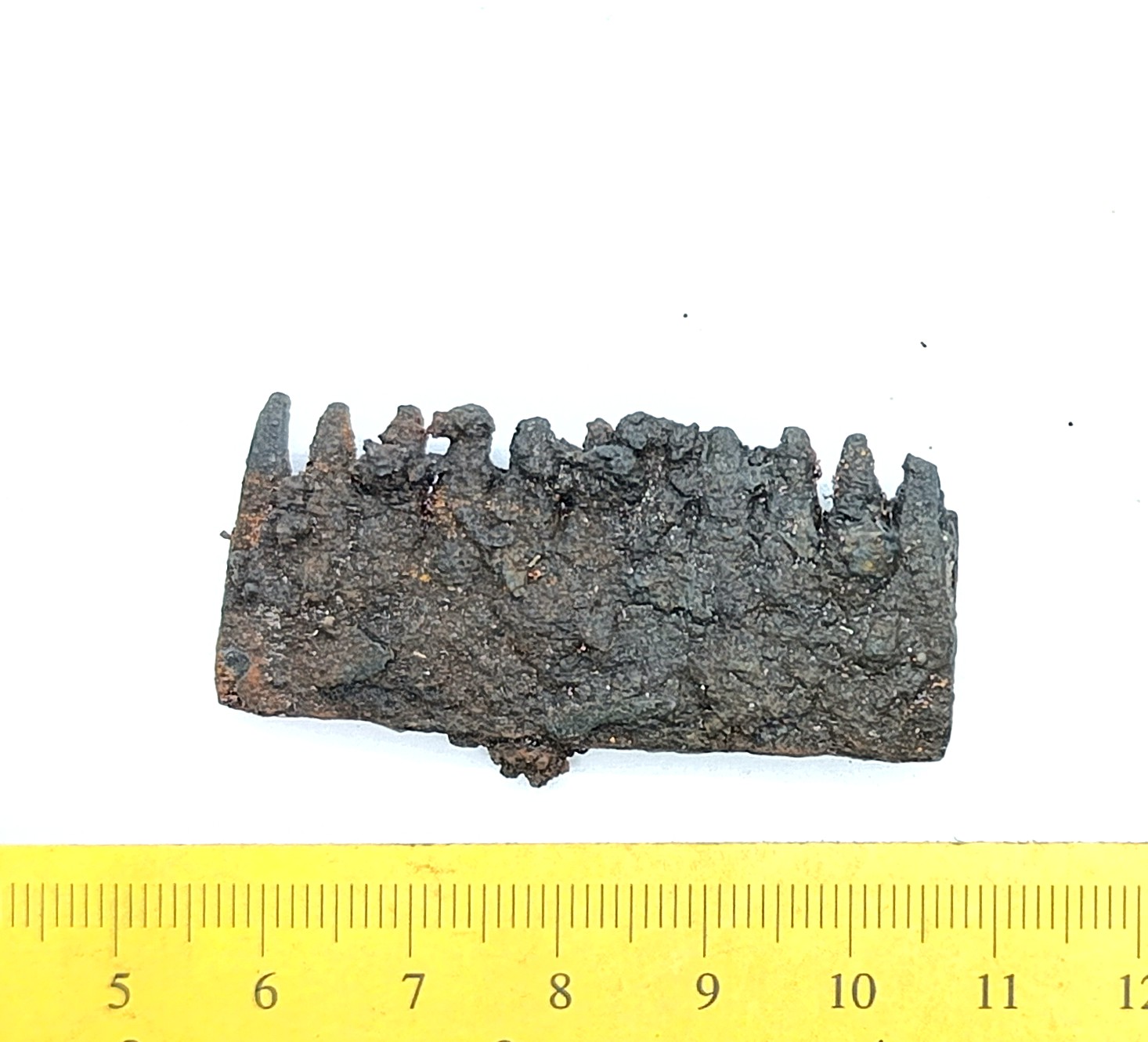
Part of bridle or other horse equipment, iron.
Century:
12-13
Discovery code:
AI 3884: 4038
Part of bridle or other horse equipment, iron. Mounts from horse equipment are relatively common in cremation burials on Saaremaa, western Estonia and Couronia (Mägi 2002, 95-96; Svarāne 2013; Mandel 2017, 75-76, Pl. XXXI, XXXII). This mount had probably been plated with silver (cf. Puciriuss 2024, 11–12).
Literature:
Mägi, M. 2002. At the Crossroads of Space and Time. Graves, Changing Society and Ideology on Saaremaa (Ösel), 9th–13th Centuries AD. (CCC Papers, 6.) Tallinn.
Svarāne, D. 2013. Pētījumi Latvijas seno metālu tehnoloģijā 11.-17.gs. Latvijas Vēstures institūta apgāds. Rīga.
Mandel, M. 2017. Maidla muinaskalmistu saladused. Eesti Ajaloomuuseum, Tallinn.
Puciriuss, E. 2024. Taušeerimistehnoloogia kasutamine Eesti arheoloogiliste leidude näitel. Magistritöö, TÜ Viljandi Kultuuriakadeemia. Viljandi.
Century:
12-13
Discovery code:
AI 3884: 4038
Viltina
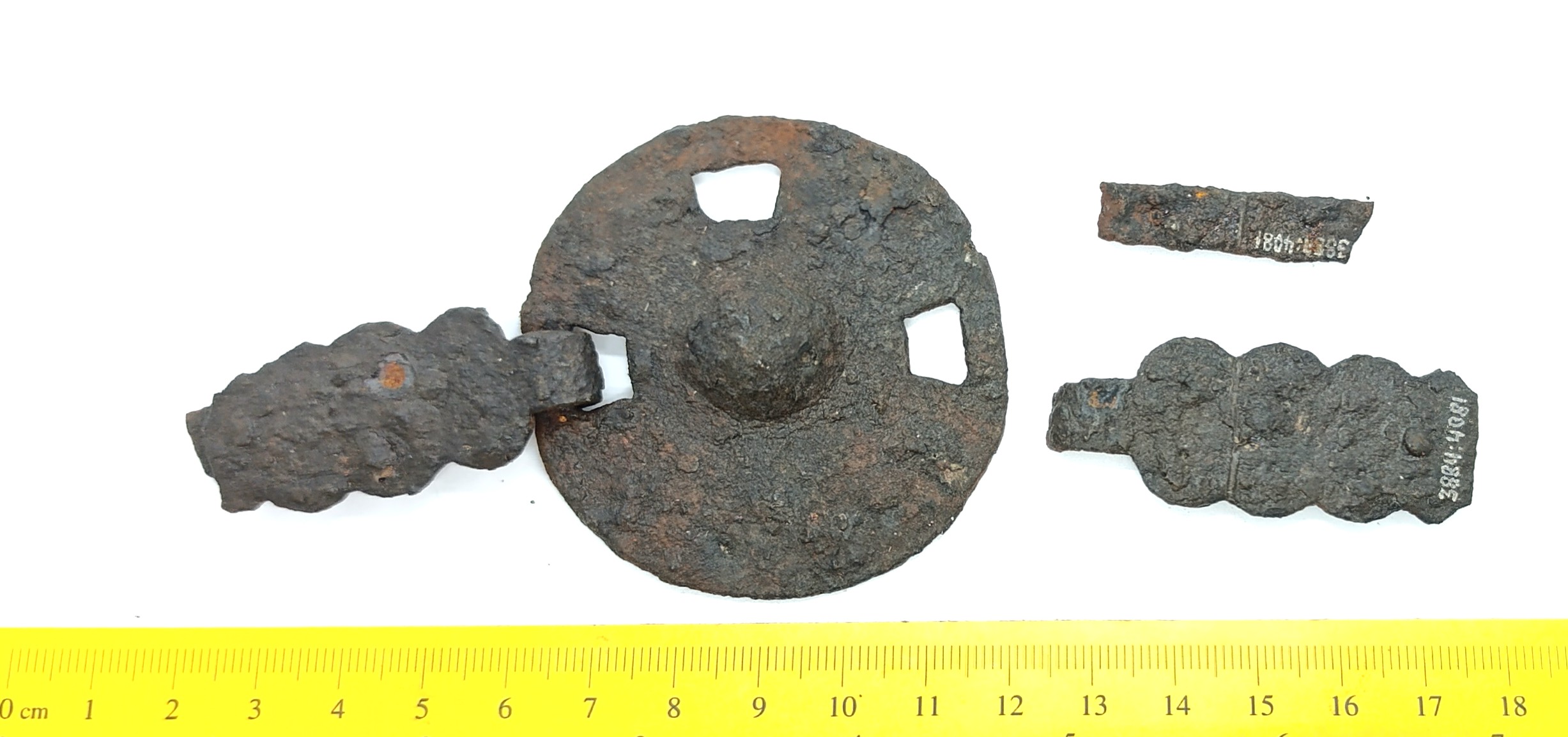
Parts of bridle or other horse equipment, iron.
Century:
12-13
Discovery code:
AI 3884: 4081
Parts of bridle or other horse equipment, iron. Mounts from horse equipment are relatively common in cremation burials on Saaremaa, western Estonia and Couronia (Mägi 2002, 95-96; Svarāne 2013; Mandel 2017, 75-76, Pl. XXXI, XXXII). These mounts had probably been plated with silver (cf. Puciriuss 2024, 11–12).
Literature:
Mägi, M. 2002. At the Crossroads of Space and Time. Graves, Changing Society and Ideology on Saaremaa (Ösel), 9th–13th Centuries AD. (CCC Papers, 6.) Tallinn.
Svarāne, D. 2013. Pētījumi Latvijas seno metālu tehnoloģijā 11.-17.gs. Latvijas Vēstures institūta apgāds. Rīga.
Mandel, M. 2017. Maidla muinaskalmistu saladused. Eesti Ajaloomuuseum, Tallinn.
Puciriuss, E. 2024. Taušeerimistehnoloogia kasutamine Eesti arheoloogiliste leidude näitel. Magistritöö, TÜ Viljandi Kultuuriakadeemia. Viljandi.
Century:
12-13
Discovery code:
AI 3884: 4081
Viltina
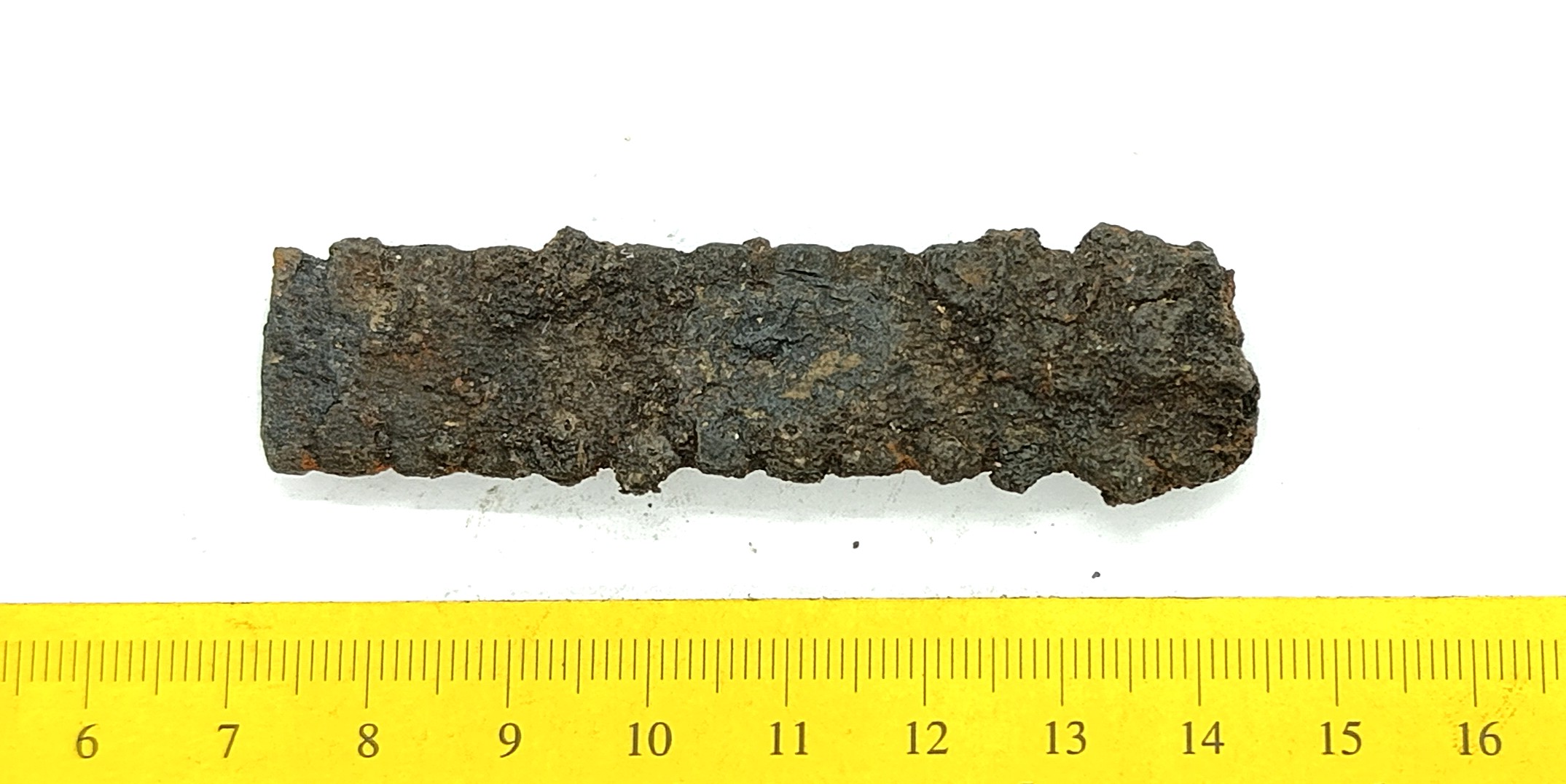
Part of bridle or other horse equipment, iron.
Century:
12-13
Discovery code:
AI 3884: 4240
Part of bridle or other horse equipment, iron. Mounts from horse equipment are relatively common in cremation burials on Saaremaa, western Estonia and Couronia (Mägi 2002, 95-96; Svarāne 2013; Mandel 2017, 75-76, Pl. XXXI, XXXII). This mount had probably been plated with silver (cf. Puciriuss 2024, 11–12).
Literature:
Mägi, M. 2002. At the Crossroads of Space and Time. Graves, Changing Society and Ideology on Saaremaa (Ösel), 9th–13th Centuries AD. (CCC Papers, 6.) Tallinn.
Svarāne, D. 2013. Pētījumi Latvijas seno metālu tehnoloģijā 11.-17.gs. Latvijas Vēstures institūta apgāds. Rīga.
Mandel, M. 2017. Maidla muinaskalmistu saladused. Eesti Ajaloomuuseum, Tallinn.
Puciriuss, E. 2024. Taušeerimistehnoloogia kasutamine Eesti arheoloogiliste leidude näitel. Magistritöö, TÜ Viljandi Kultuuriakadeemia. Viljandi.
Century:
12-13
Discovery code:
AI 3884: 4240
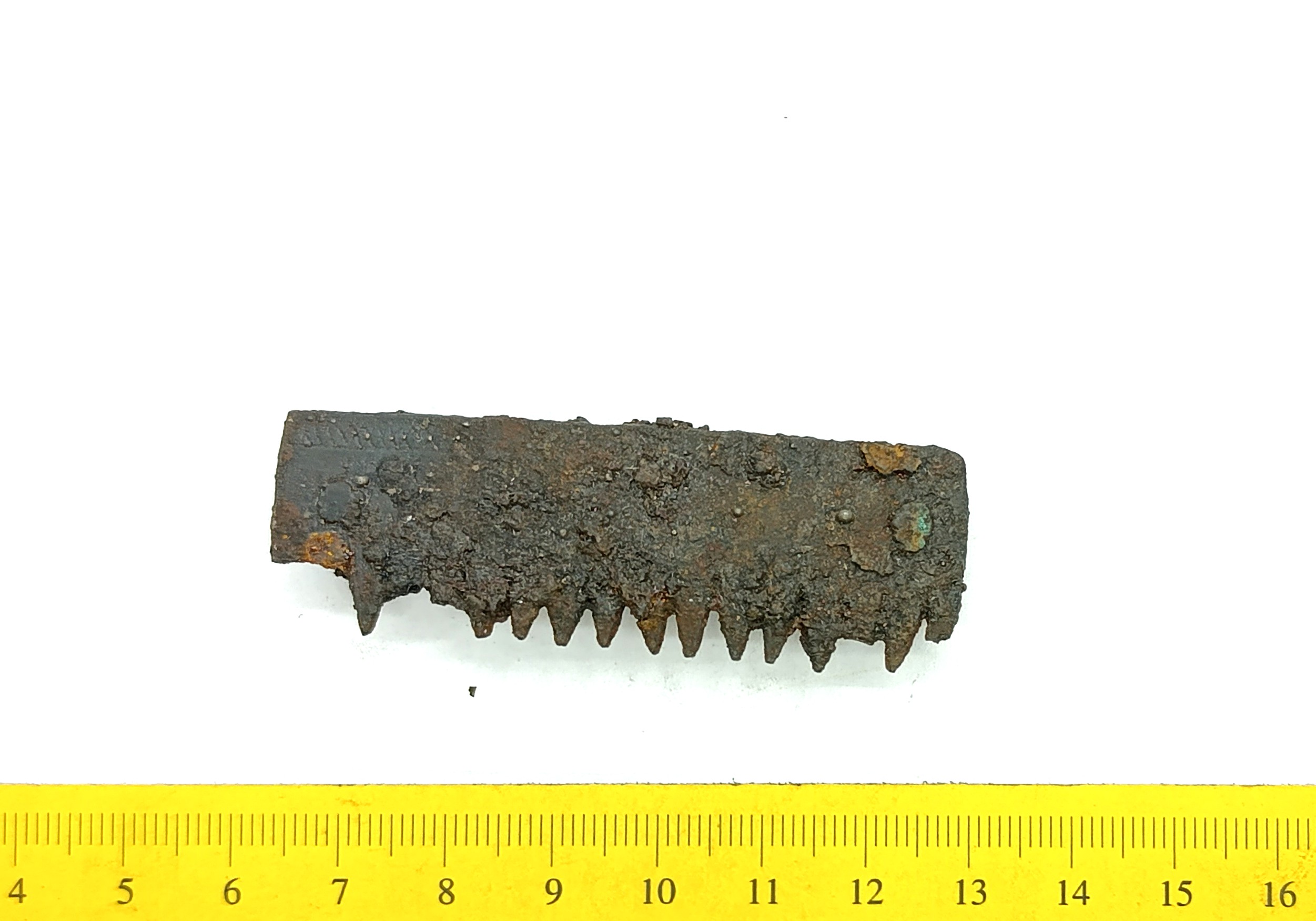
Viltina
Part of bridle or other horse equipment, iron.
Century:
12-13
Discovery code:
AI 3884: 4353
Part of bridle or other horse equipment, iron. Mounts from horse equipment are relatively common in cremation burials on Saaremaa, western Estonia and Couronia (Mägi 2002, 95-96; Svarāne 2013; Mandel 2017, 75-76, Pl. XXXI, XXXII). This mount had probably been plated with silver (cf. Puciriuss 2024, 11–12).
Literature:
Mägi, M. 2002. At the Crossroads of Space and Time. Graves, Changing Society and Ideology on Saaremaa (Ösel), 9th–13th Centuries AD. (CCC Papers, 6.) Tallinn.
Svarāne, D. 2013. Pētījumi Latvijas seno metālu tehnoloģijā 11.-17.gs. Latvijas Vēstures institūta apgāds. Rīga.
Mandel, M. 2017. Maidla muinaskalmistu saladused. Eesti Ajaloomuuseum, Tallinn.
Puciriuss, E. 2024. Taušeerimistehnoloogia kasutamine Eesti arheoloogiliste leidude näitel. Magistritöö, TÜ Viljandi Kultuuriakadeemia. Viljandi.
Century:
12-13
Discovery code:
AI 3884: 4353
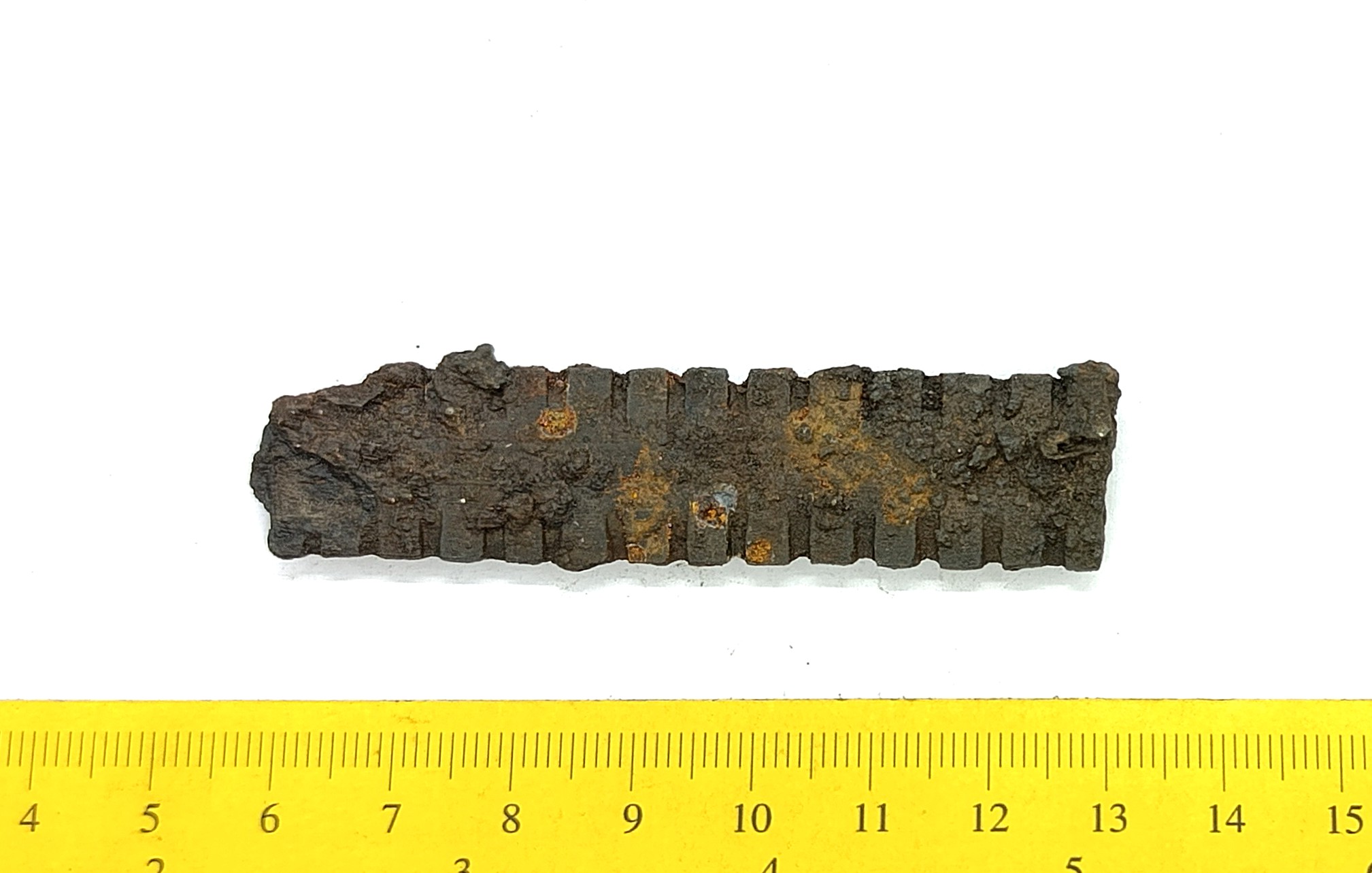
Viltina
Part of bridle or other horse equipment, iron.
Century:
12-13
Discovery code:
AI 3884: 4527
Part of bridle or other horse equipment, iron. Mounts from horse equipment are relatively common in cremation burials on Saaremaa, western Estonia and Couronia (Mägi 2002, 95-96; Svarāne 2013; Mandel 2017, 75-76, Pl. XXXI, XXXII). This mount had probably been plated with silver (cf. Puciriuss 2024, 11–12).
Literature:
Mägi, M. 2002. At the Crossroads of Space and Time. Graves, Changing Society and Ideology on Saaremaa (Ösel), 9th–13th Centuries AD. (CCC Papers, 6.) Tallinn.
Svarāne, D. 2013. Pētījumi Latvijas seno metālu tehnoloģijā 11.-17.gs. Latvijas Vēstures institūta apgāds. Rīga.
Mandel, M. 2017. Maidla muinaskalmistu saladused. Eesti Ajaloomuuseum, Tallinn.
Puciriuss, E. 2024. Taušeerimistehnoloogia kasutamine Eesti arheoloogiliste leidude näitel. Magistritöö, TÜ Viljandi Kultuuriakadeemia. Viljandi.
Century:
12-13
Discovery code:
AI 3884: 4527
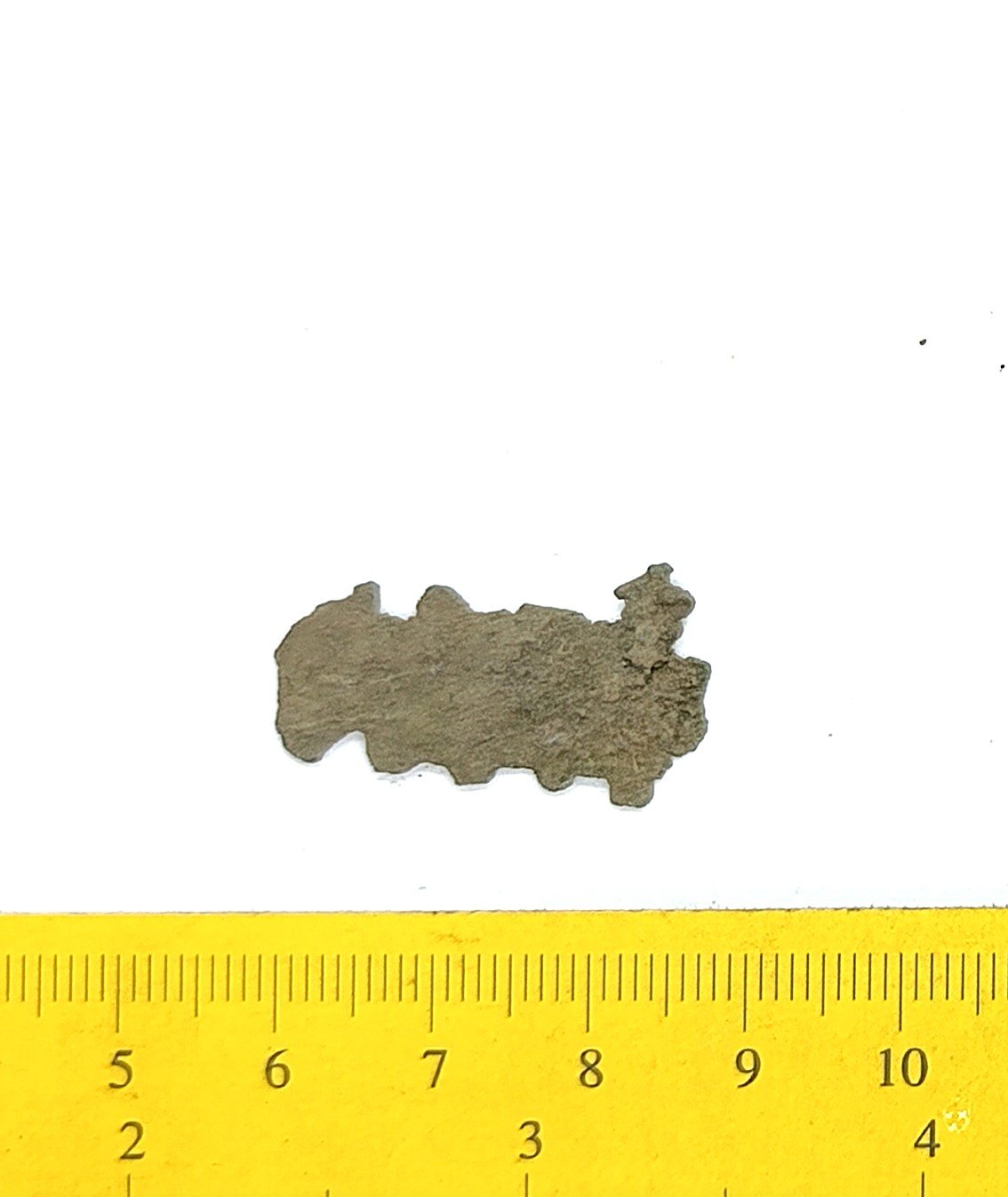
Viltina
Part of bridle or other horse equipment, copper alloy.
Century:
12-13
Discovery code:
AI 3884: 4599
Part of bridle or other horse equipment, copper alloy. Mounts from horse equipment are relatively common in cremation burials on Saaremaa and in western Estonia (Mägi 2002, 95-96; Mandel 2017, 75-76, Pl. XXXI, XXXII).
Literature:
Mägi, M. 2002. At the Crossroads of Space and Time. Graves, Changing Society and Ideology on Saaremaa (Ösel), 9th–13th Centuries AD. (CCC Papers, 6.) Tallinn.
Mandel, M. 2017. Maidla muinaskalmistu saladused. Eesti Ajaloomuuseum, Tallinn.
Century:
12-13
Discovery code:
AI 3884: 4599
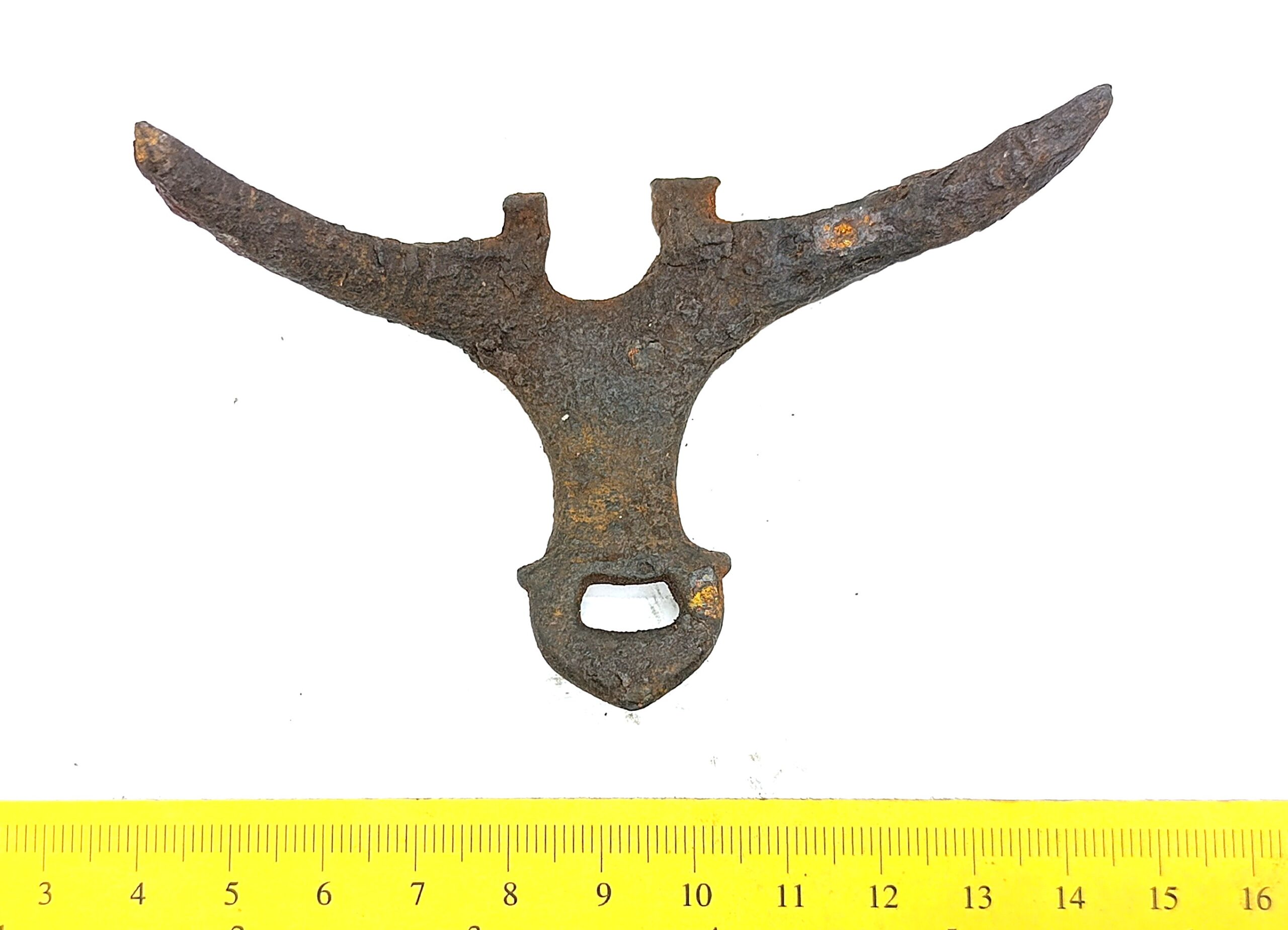
Bits, iron. Such examples have been found in 11th-century layers in Novgorod (Kirpichnikov 1973, 25, fig. 54:3, 56:2).
Literature:
Кирпичников А.Н. 1973. Снаряжение всадника и верхового коня на Руси IX-XIII вв. — Л.: Наука, 1973.
Century:
11
Discovery code:
AI 3884: 4786
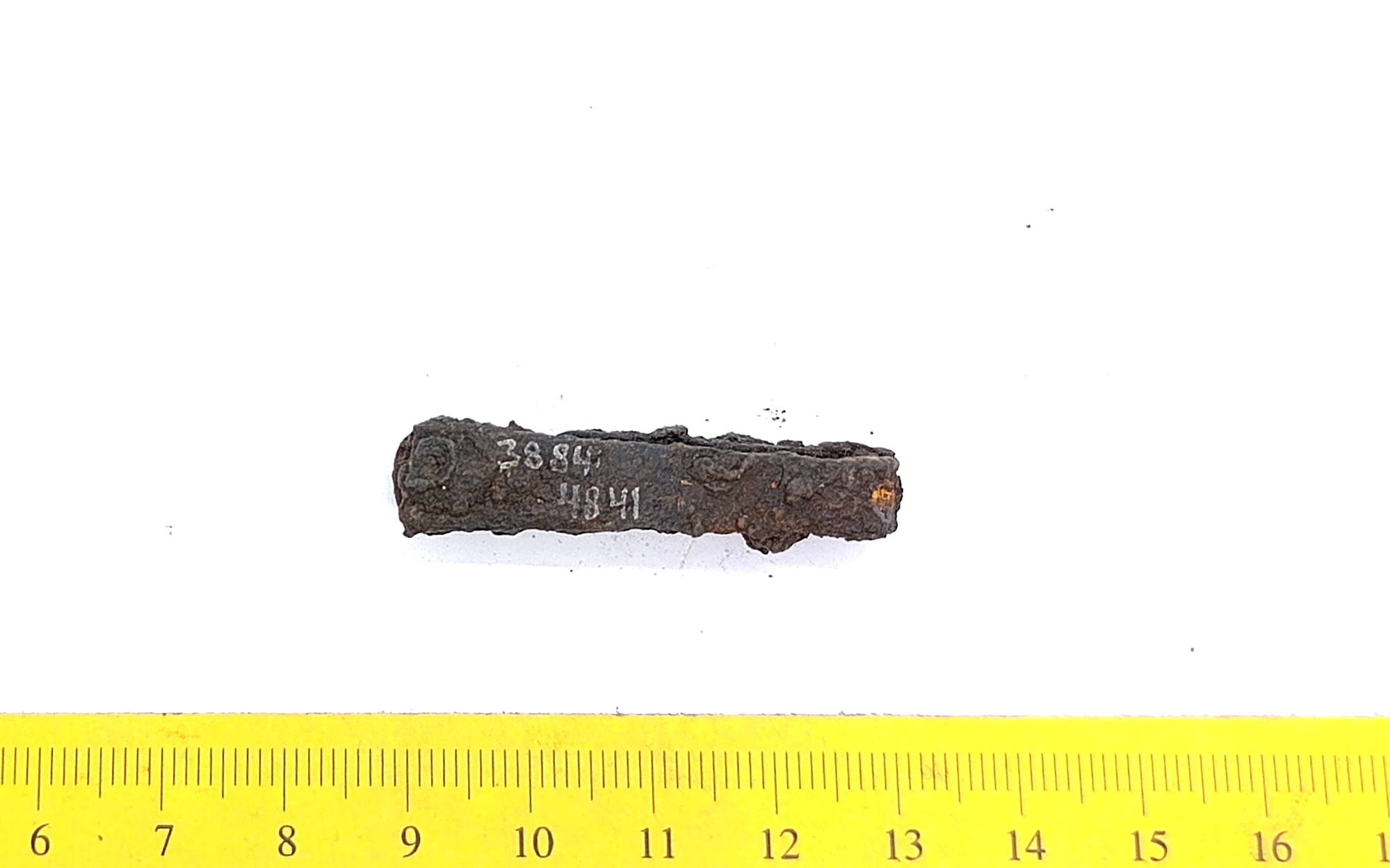
Viltina
Part of bridle or other horse equipment, iron.
Century:
11-13
Discovery code:
AI 3884: 4841
Part of bridle or other horse equipment, iron. Mounts from horse equipment are relatively common in cremation burials on Saaremaa and in western Estonia (Mägi 2002, 95-96; Mandel 2017, 75-76, Pl. XXXI, XXXII).
Literature:
Mägi, M. 2002. At the Crossroads of Space and Time. Graves, Changing Society and Ideology on Saaremaa (Ösel), 9th–13th Centuries AD. (CCC Papers, 6.) Tallinn.
Mandel, M. 2017. Maidla muinaskalmistu saladused. Eesti Ajaloomuuseum, Tallinn.
Century:
11-13
Discovery code:
AI 3884: 4841
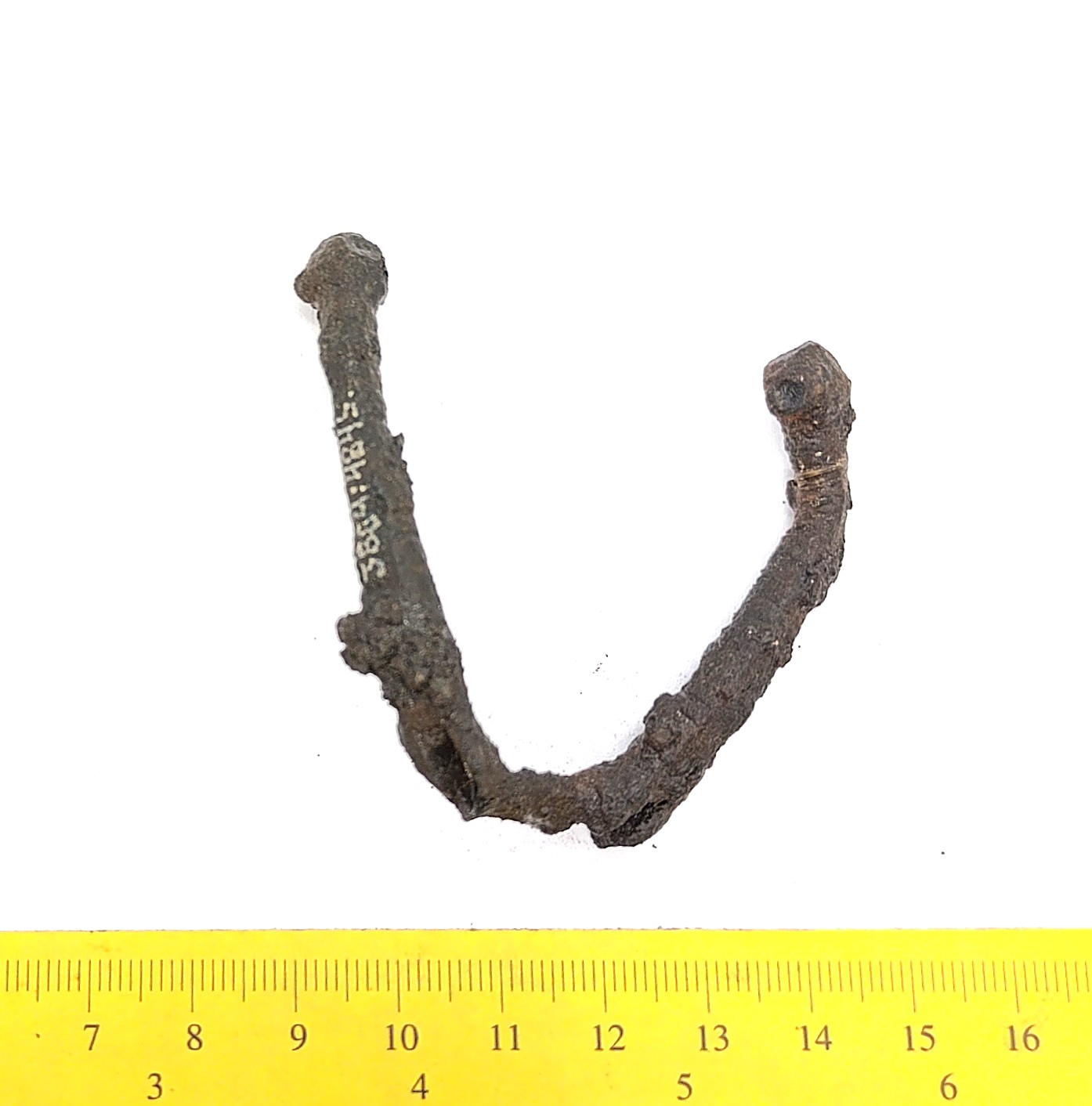
Part of a bit, iron. In Scandinavia, such bits have been dated to the first half of the 11th century (Pedersen 2014, 121–122).
Literature:
Pedersen, A. 2014. Dead Warriors – a study of weapon and equestrian burials in viking-age Denmark, AD 800-1000. National Museum Studies in Archaeology. University Press of Southern Denmark: Odense.
Century:
11
Discovery code:
AI 3884: 4845

