
Database
Viltina
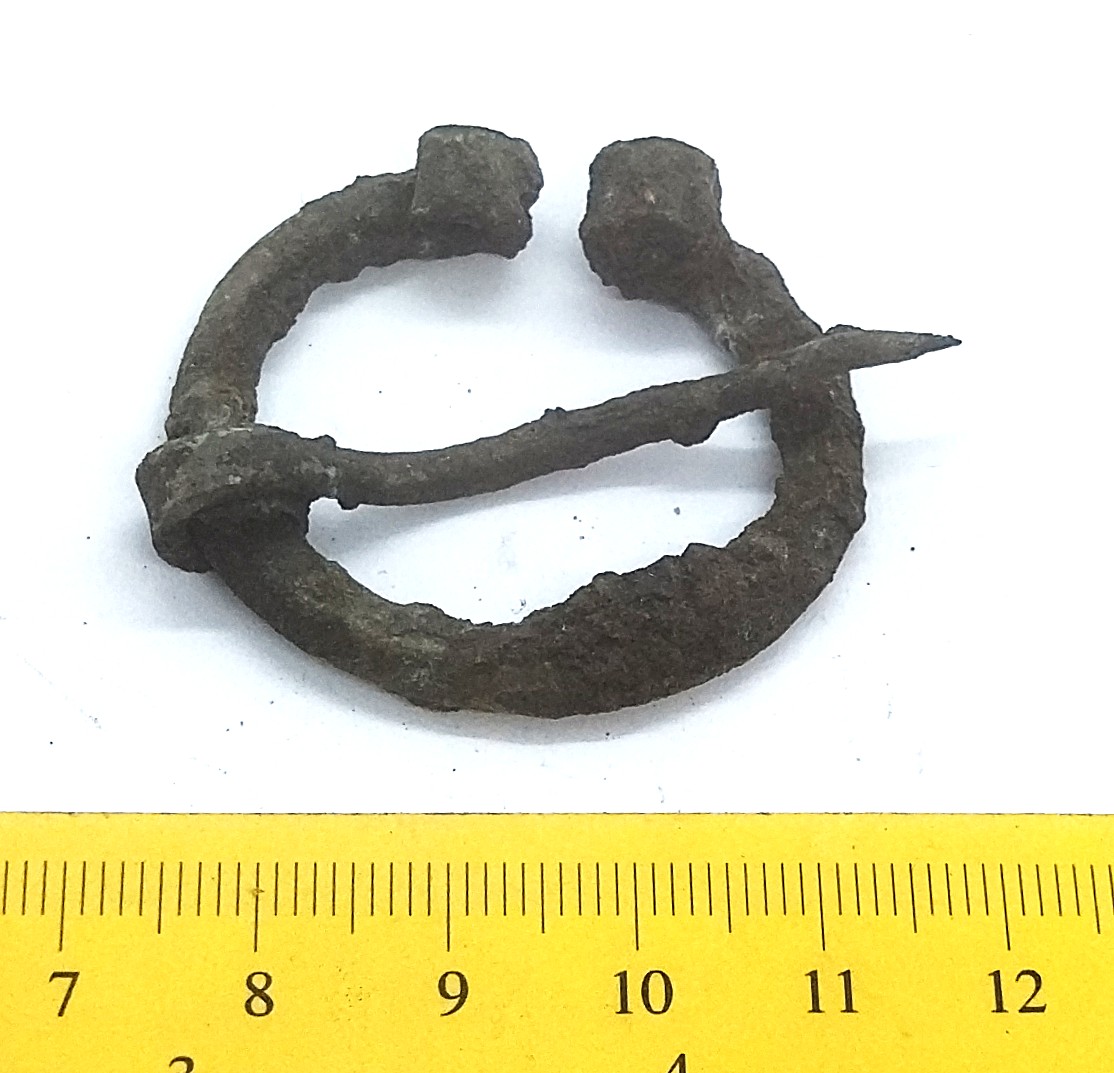
Penannular brooch with short, rolled terminals, copper alloy.
Century:
10-13
Discovery code:
AI 3884: 996
Penannular brooch with short, rolled terminals, copper alloy. This type of penannular brooches were in ethnic Baltic areas used during a longer period, 8th-14th century (Vaska 2017, 26; 2019, 201). The earliest such brooches in Estonia can, according to the present data, dated to the 9th century, but they can also be found as late as in the 13th-century inhumations (Mägi-Lõugas 1994, 473; Mägi 2002, 100).
Literature:
Mägi-Lõugas, M. 1994. Eesti viikingiaegsed hoburaudsôled ja nende ornament. – Teaduste Akadeemia Toimetised, Humanitaar- ja Sotsiaalteadused 1994, 43: 4, 465-484.
Mägi, M. 2002. At the Crossroads of Space and Time. Graves, Changing Society and Ideology on Saaremaa (Ösel), 9th–13th centuries AD. CCC papers: 6. Gotland University College, Centre for Baltic Studies; Institute of History, Department of Archaeology. Tallinn, 2002.
Vaska, B. 2017. Rotas un ornaments Latvijā no 13.gs. līdz 18.gs. vidum. Latvijas Nacionālais vēstures muzejs. Rīga.
Vaska, B. 2019. Rotas un ornaments Latvijā no bronzas laikmeta līdz 13. gadsimtam. Latvijas Nacionālais vēstures muzejs. Rīga.
Century:
10-13
Discovery code:
AI 3884: 996
Viltina
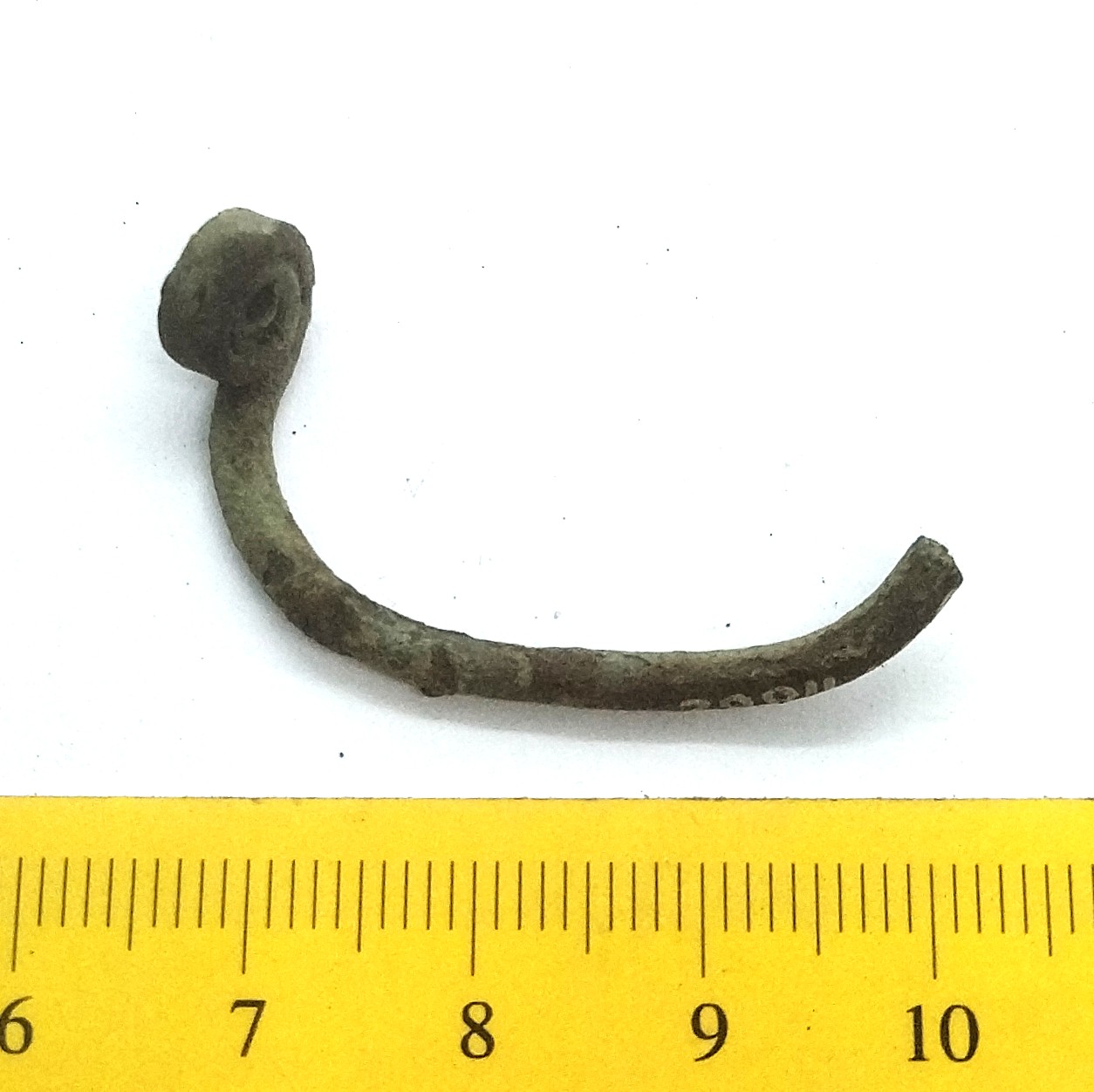
Penannular brooch with short, rolled terminals, copper alloy.
Century:
10-13
Discovery code:
AI 3884: 1012
Penannular brooch with short, rolled terminals, copper alloy. This type of penannular brooches were in ethnic Baltic areas used during a longer period, 8th-14th century (Vaska 2017, 26; 2019, 201). The earliest such brooches in Estonia can, according to the present data, dated to the 9th century, but they can also be found as late as in the 13th-century inhumations (Mägi-Lõugas 1994, 473; Mägi 2002, 100).
Literature:
Mägi-Lõugas, M. 1994. Eesti viikingiaegsed hoburaudsôled ja nende ornament. – Teaduste Akadeemia Toimetised, Humanitaar- ja Sotsiaalteadused 1994, 43: 4, 465-484.
Mägi, M. 2002. At the Crossroads of Space and Time. Graves, Changing Society and Ideology on Saaremaa (Ösel), 9th–13th centuries AD. CCC papers: 6. Gotland University College, Centre for Baltic Studies; Institute of History, Department of Archaeology. Tallinn, 2002.
Vaska, B. 2017. Rotas un ornaments Latvijā no 13.gs. līdz 18.gs. vidum. Latvijas Nacionālais vēstures muzejs. Rīga.
Vaska, B. 2019. Rotas un ornaments Latvijā no bronzas laikmeta līdz 13. gadsimtam. Latvijas Nacionālais vēstures muzejs. Rīga.
Century:
10-13
Discovery code:
AI 3884: 1012
Viltina
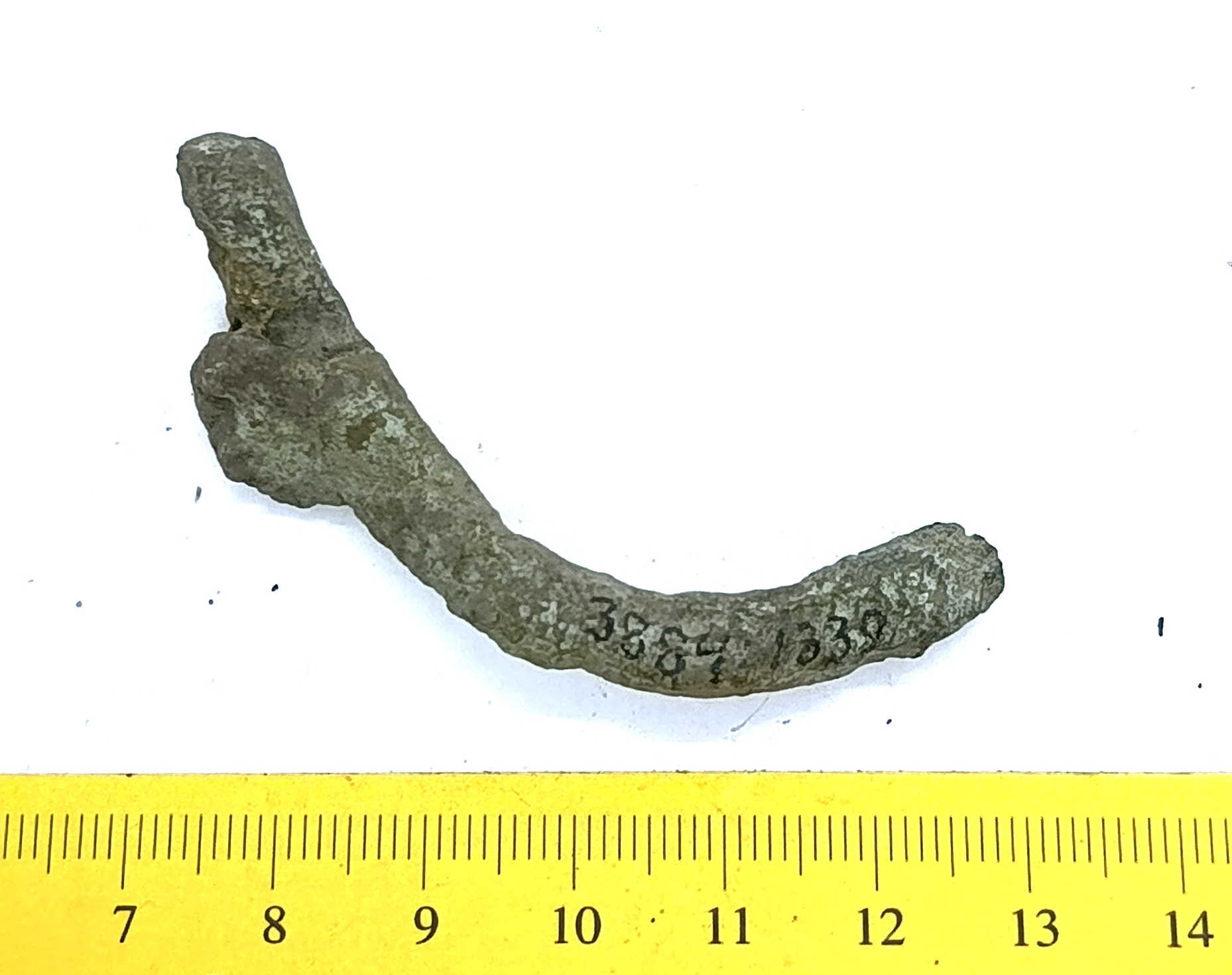
Penannular brooch fragment, copper alloy.
Century:
12-13
Discovery code:
AI 3884: 1339
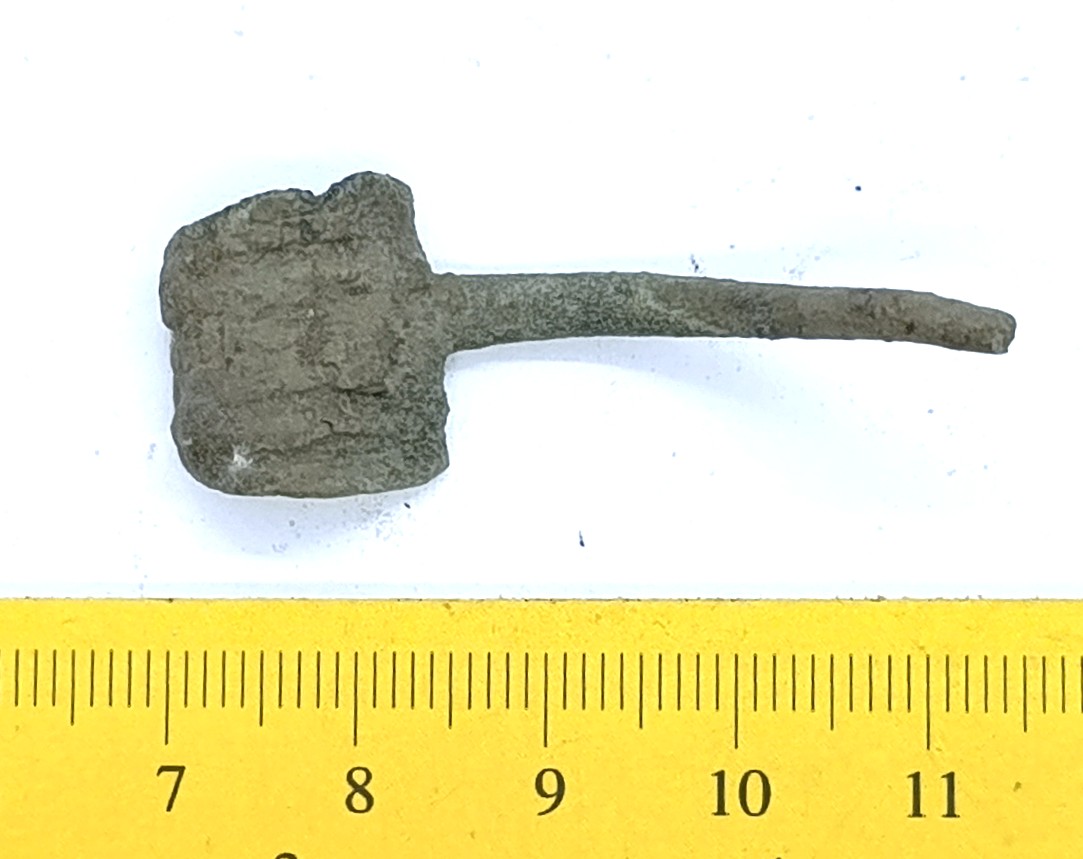
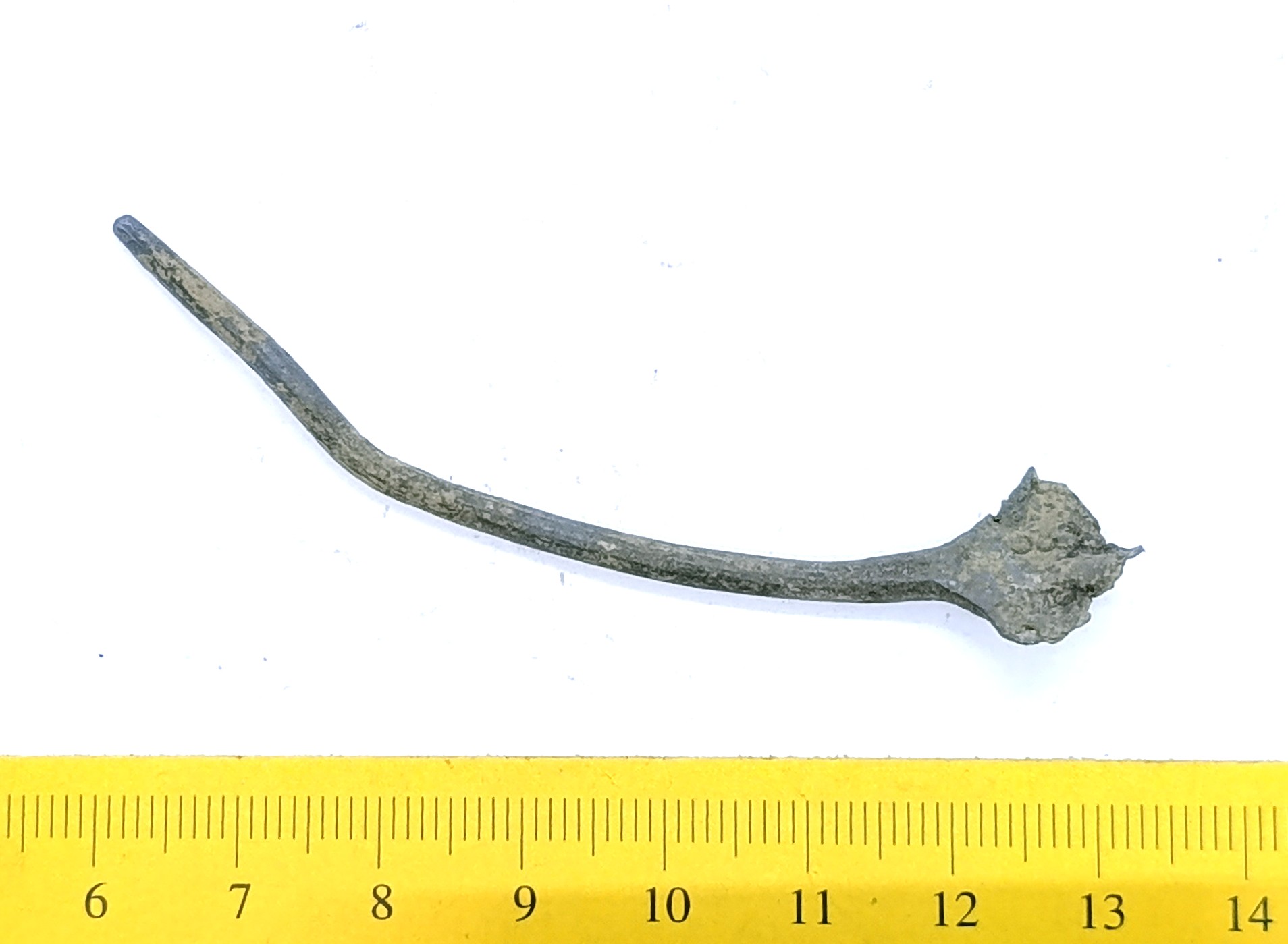
Penannular brooch fragment, copper alloy. The cross-section of the arch is rhomb-shaped. Such brooches normally had knob-shaped or faceted terminals.
Century:
12-13
Discovery code:
AI 3884: 1339
Century:
12-13
Discovery code:
AI 3884: 1419
Century:
12-13
Discovery code:
AI 3884: 1422
Viltina
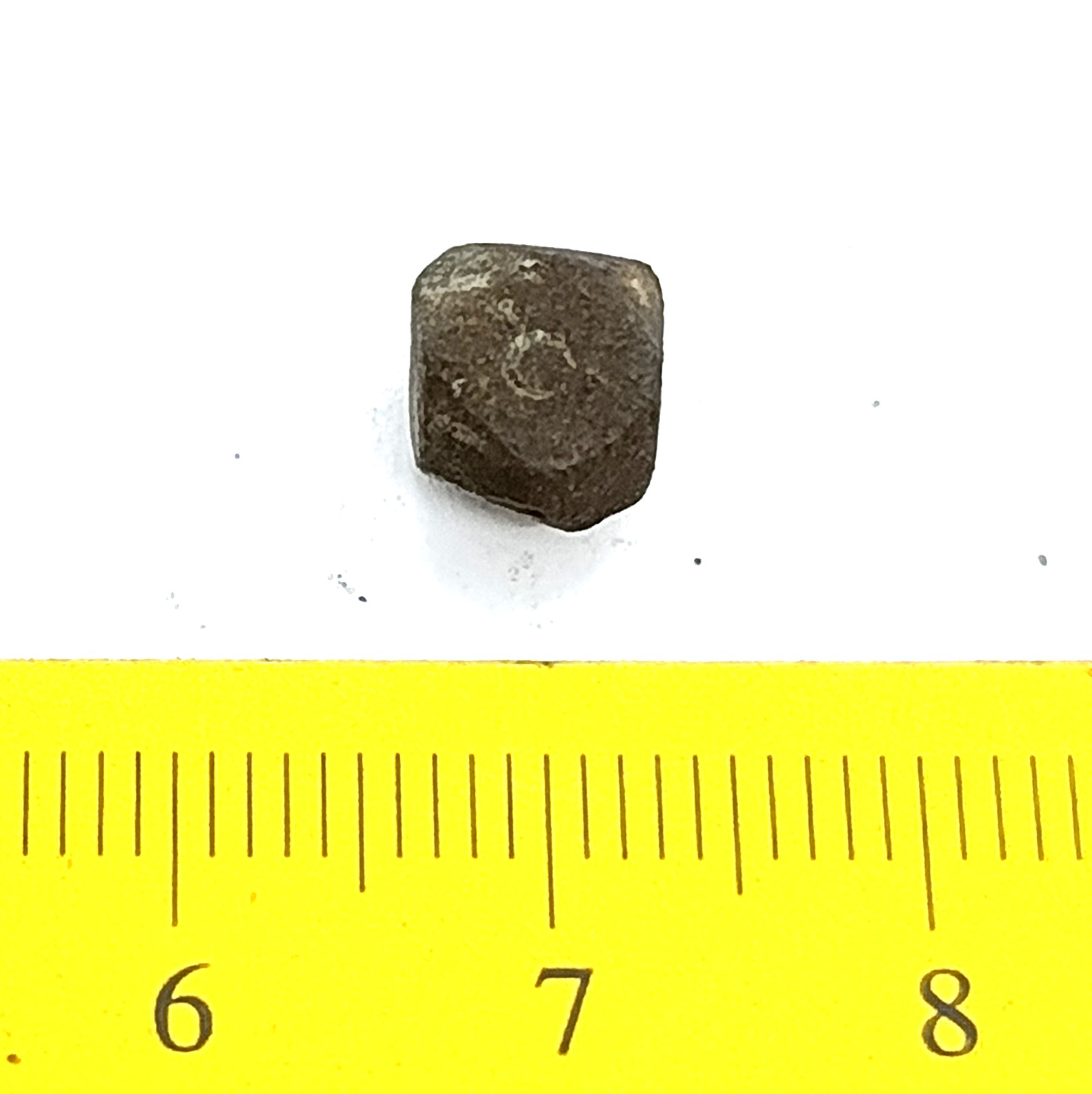
Penannular brooch`s faceted terminal, copper alloy.
Century:
12
Discovery code:
AI 3884: 1479
Penannular brooch`s faceted terminal, copper alloy. Such brooches were widespread in Estonian stone graves (see e.g. Pauts 1997, 197; Mägi 2002; Mandel 2017), but also occurred in inhumation graves, and can be dated up to the the mid-13th century.
Literature:
Pauts, H. 1997. Pahaga hoburaudsõled Eestis. – Eesti Ajaloomuuseum. Töid ajaloo alalt, I. Tallinn, 79–115.
Mägi, M. 2002. At the Crossroads of Space and Time. Graves, Changing Society and Ideology on Saaremaa (Ösel), 9th–13th Centuries AD. (CCC Papers, 6.) Tallinn.
Mandel, M. 2017. Maidla muinaskalmistu saladused. Eesti Ajaloomuuseum, Tallinn.
Century:
12
Discovery code:
AI 3884: 1479
Viltina
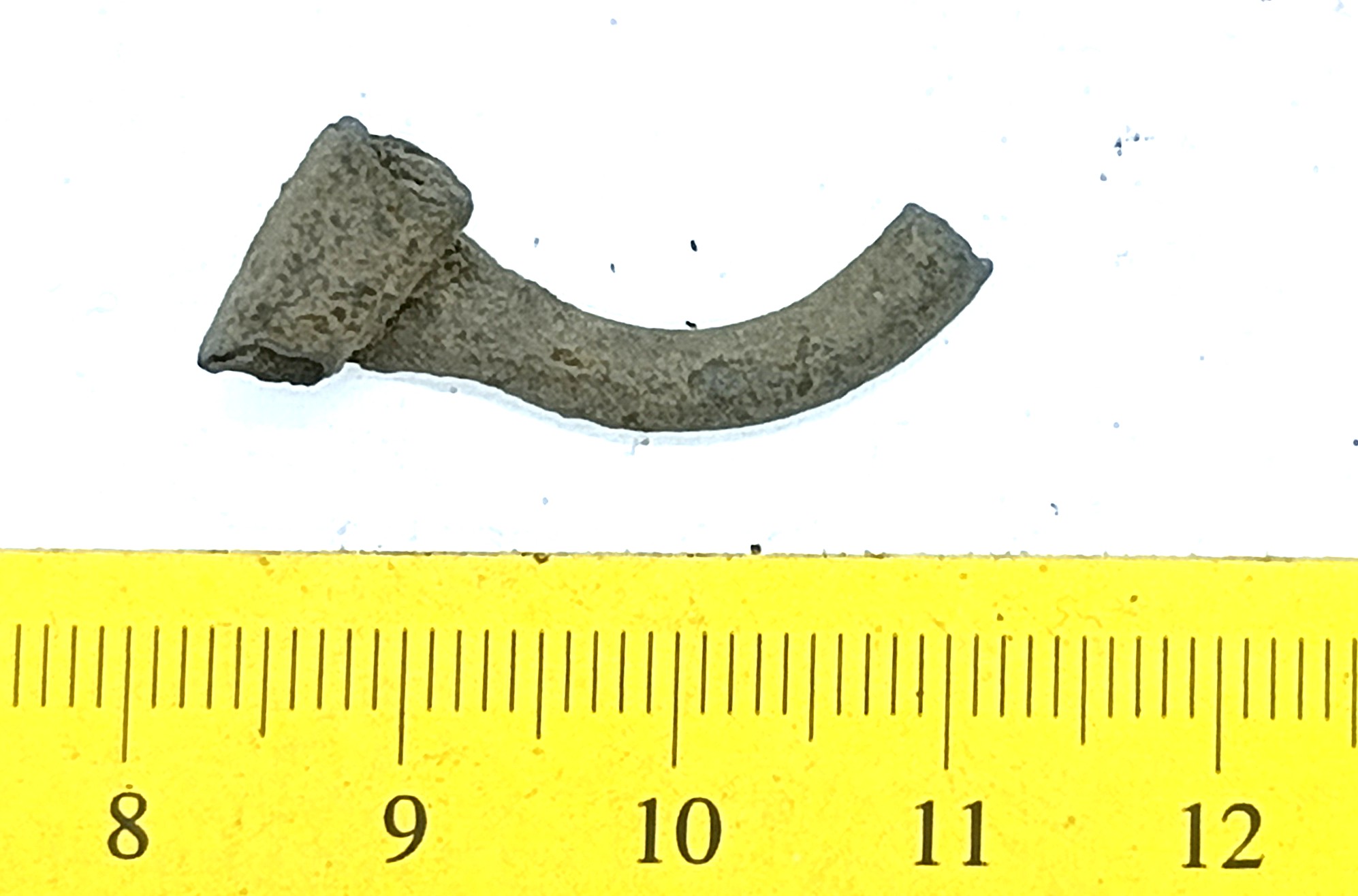
Penannular brooch with rolled terminals, copper alloy.
Century:
11
Discovery code:
AI 3884: 1728
Penannular brooch with rolled terminals, copper alloy. The terminal rolls are broader than the arch, the cross-section of the arch is triangular. Such brooches were widespread in Saaremaa and West-Estonia, They can be dated mainly to the 11th century, perhaps also to the first half of the 12th century (Carlsson 1988, 18, 75; Pauts 1995, 31).
Literature:
Carlsson, A. 1988. Vikingatida ringspännen fran Gotland. (Stockholm Studies in Archaeology 8.)
Pauts, H. 1995. Lääne-Eesti hoburaudsõled (8.-13. sajand). Tartu Ülikool, Filosoofia teaduskond, Arheoloogia õppetool. Diplomitöö, Tallinn.
Century:
11
Discovery code:
AI 3884: 1728
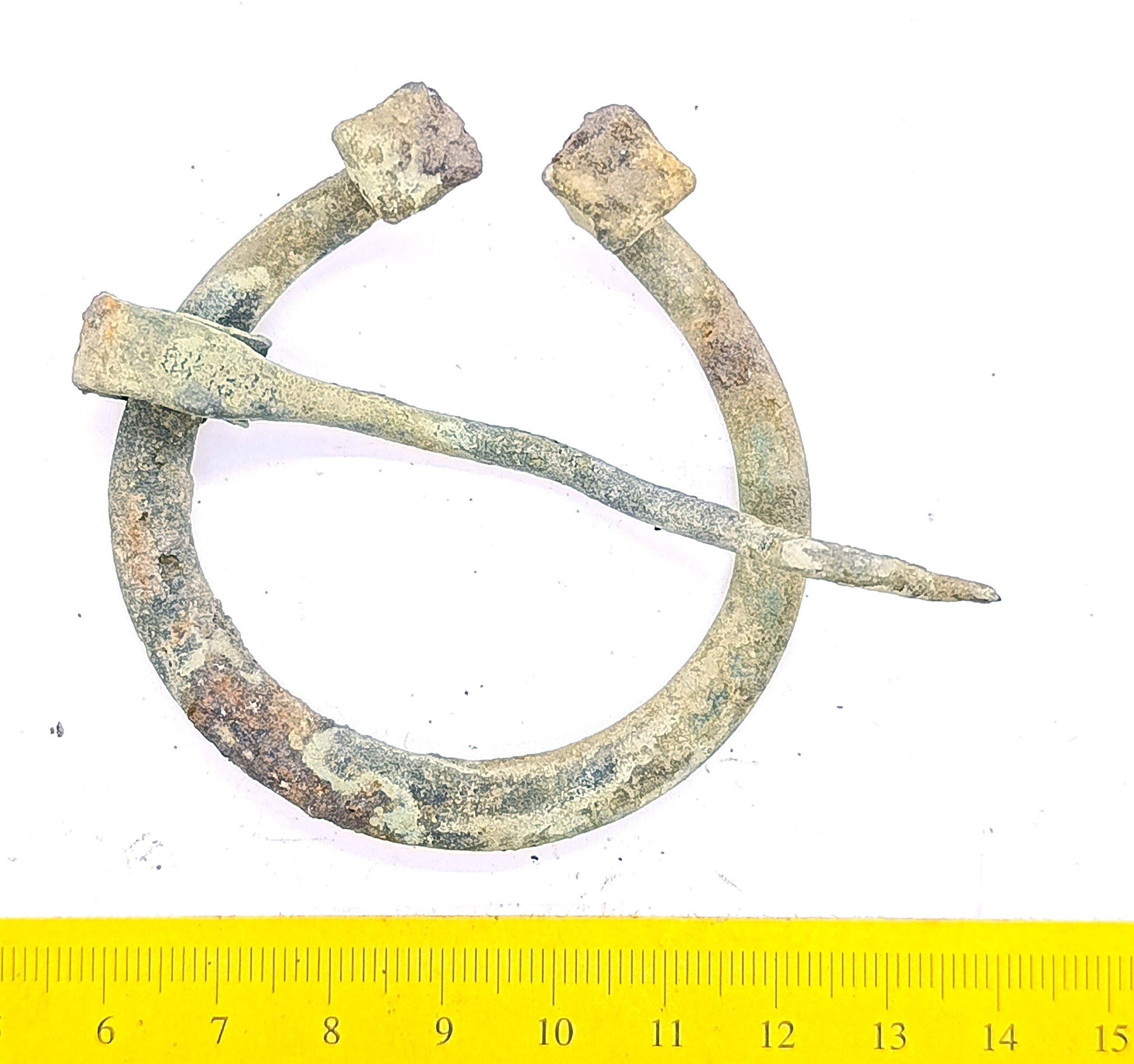
Viltina
Penannular brooch with star-shaped terminals, copper alloy.
Century:
11
Discovery code:
AI 3884: 1820
Penannular brooch with star-shaped terminals, copper alloy. Penannular brooches with star-shaped terminals are found in both mainland Estonia and Saaremaa (Mägi-Lõugas 1994, 481). Such brooches are also found in Latvia (e.g. Zariņa 2006, 281), Lithuania (e.g. Shiroukhov 2019, 60, 64), Russia (e.g. Седова 1981, 84) and Gotland (e.g. Thunmark-Nylen 1998, Pl. 95–99). It is possible that they were taken in use as early as in the 10th century.
Literature:
Mägi-Lõugas, M. 1994. Eesti viikingiaegsed hoburaudsõled ja nende ornament. Eesti Teaduste Akadeemia Toimetised. Humanitaar- ja Sotsiaalteadused, 1994, 43, 465–484).
Седова, М. В. 1981. Ювелирные изделия древнего Новгорода (Х–XV вв.). Академия Наук СССР. Издательцтво “Наука”, Москва.
Thunmark-Nylen, L. 1998. Die Wikingerzeit Gotlands. II. Typentafeln. Almqvist & Wiksell, Stockholm.
Zariņa, A. 2006. Salaspils Laukskolas kapulauks 10.–13. gadsimts. Rīga: Latvijas Vēstures Institūta Apgāds.
Tvauri, A. 2014. Rahvasterännuaeg, eelviikingiaeg ja viikingiaeg Eestis. Tartu Ülikooli Kirjastus. Tartu.
Shiroukhov, R. 2019. AMS 14C Dating of the Cremated Human Bones and Funer Fuel of the Western Balts. In Theory and Practice. – Archaeologica Lithuania 20, 40–74.
Century:
11
Discovery code:
AI 3884: 1820
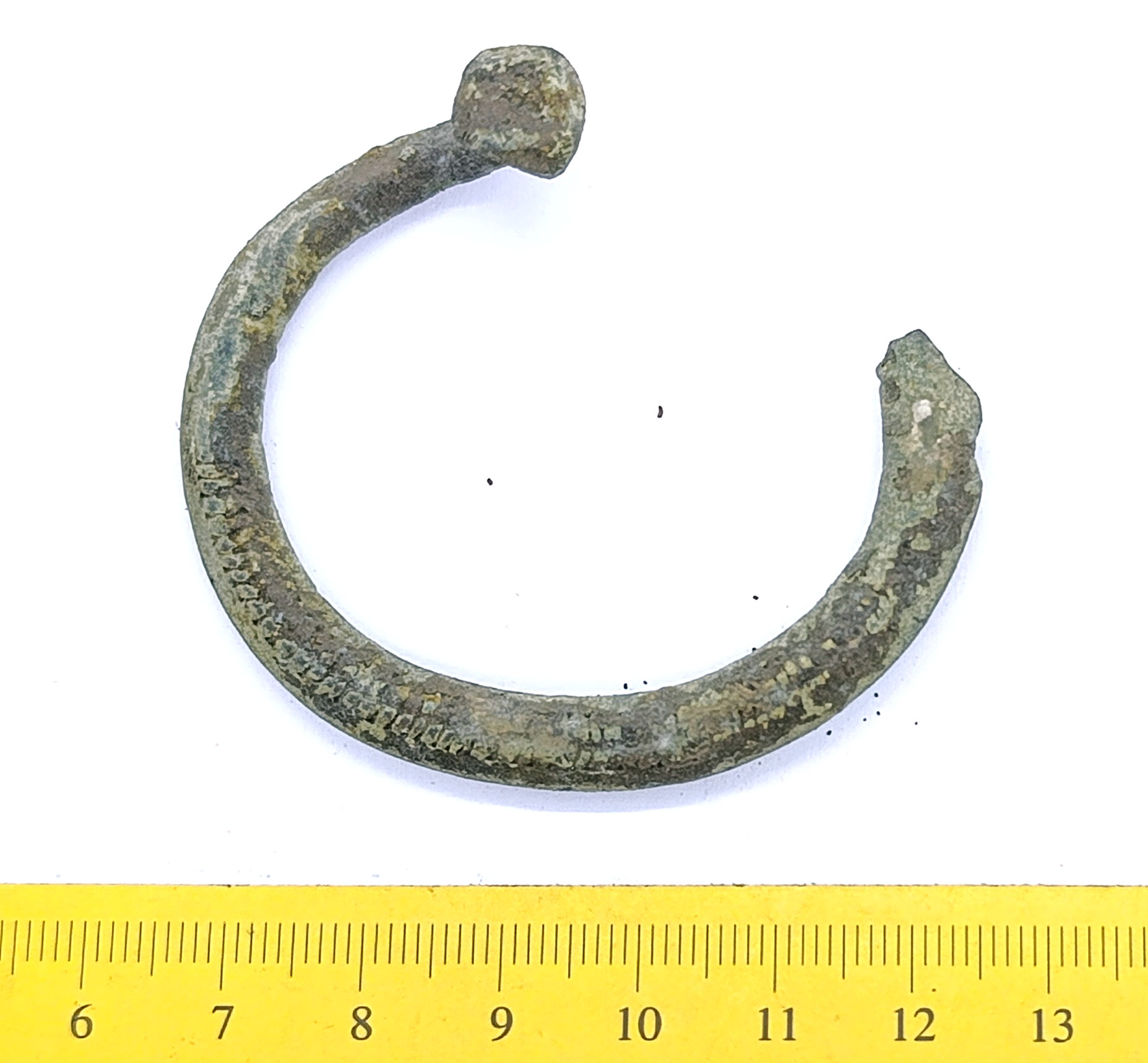
Viltina
Penannular brooch with faceted terminals, copper alloy.
Century:
12-13
Discovery code:
AI 3884: 2242
Penannular brooch with faceted terminals, copper alloy. With a rhomb-shaped cross-section of the ring. Such brooches were widespread in Estonian stone graves (see e.g. Pauts 1997, 197; Mägi 2002; Mandel 2017), but also occurred in inhumation graves, and can be dated up to the the mid-13th century.
Literature:
Pauts, H. 1997. Pahaga hoburaudsõled Eestis. – Eesti Ajaloomuuseum. Töid ajaloo alalt, I. Tallinn, 79–115.
Mägi, M. 2002. At the Crossroads of Space and Time. Graves, Changing Society and Ideology on Saaremaa (Ösel), 9th–13th Centuries AD. (CCC Papers, 6.) Tallinn.
Mandel, M. 2017. Maidla muinaskalmistu saladused. Eesti Ajaloomuuseum, Tallinn.
Century:
12-13
Discovery code:
AI 3884: 2242

