
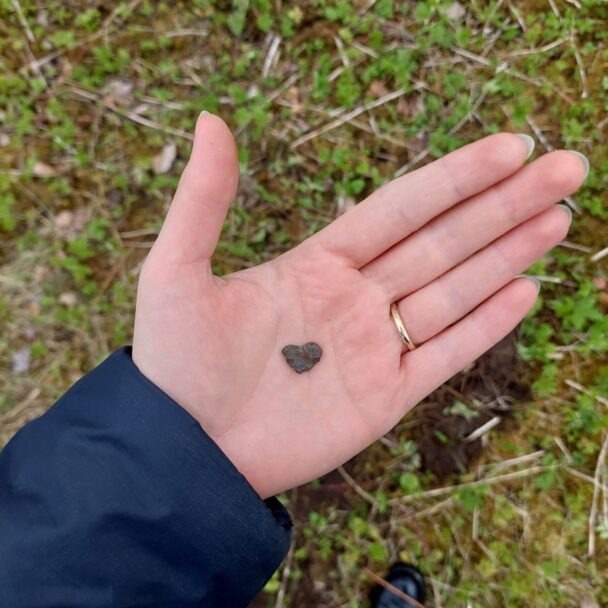
Database
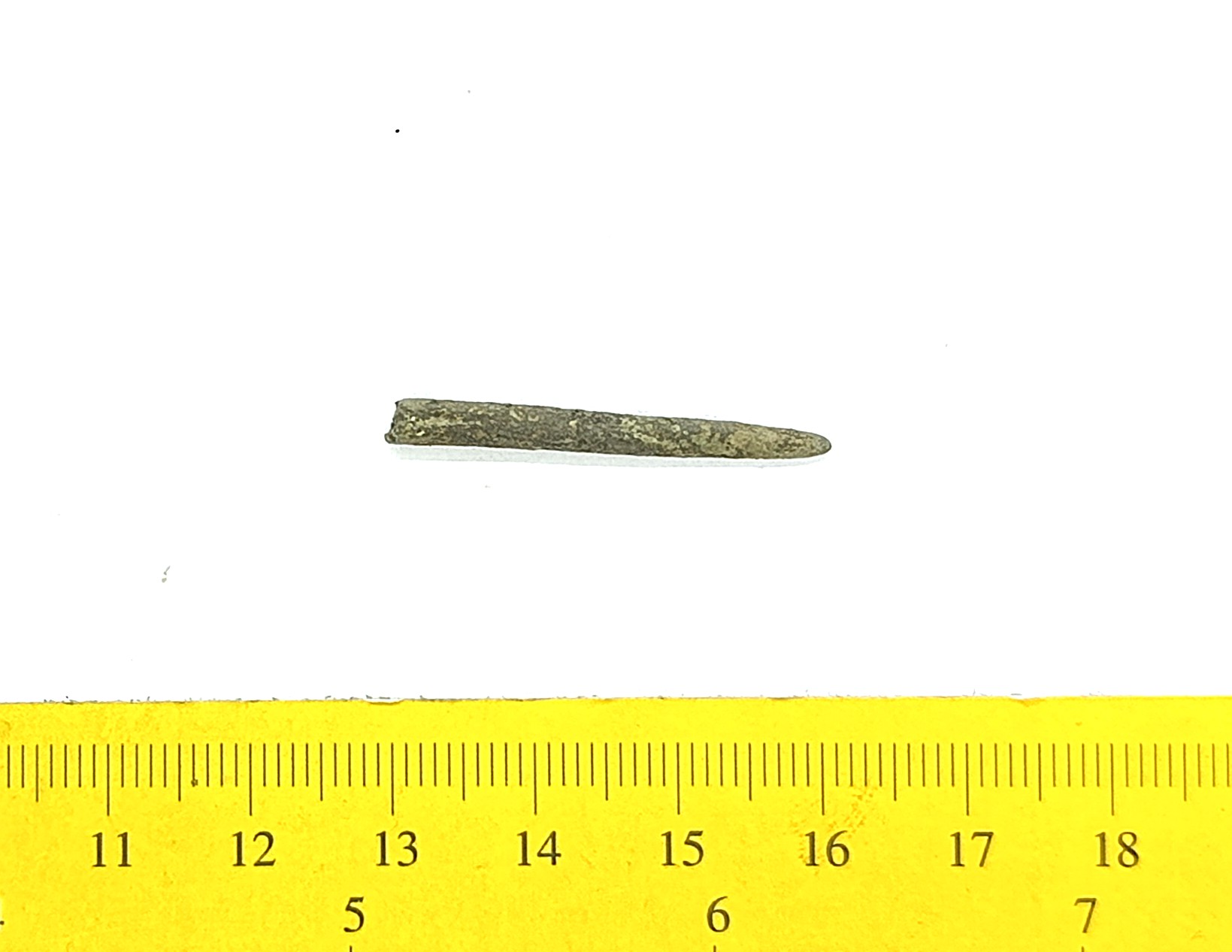
Century:
10-13
Discovery code:
AI 3884: 5325
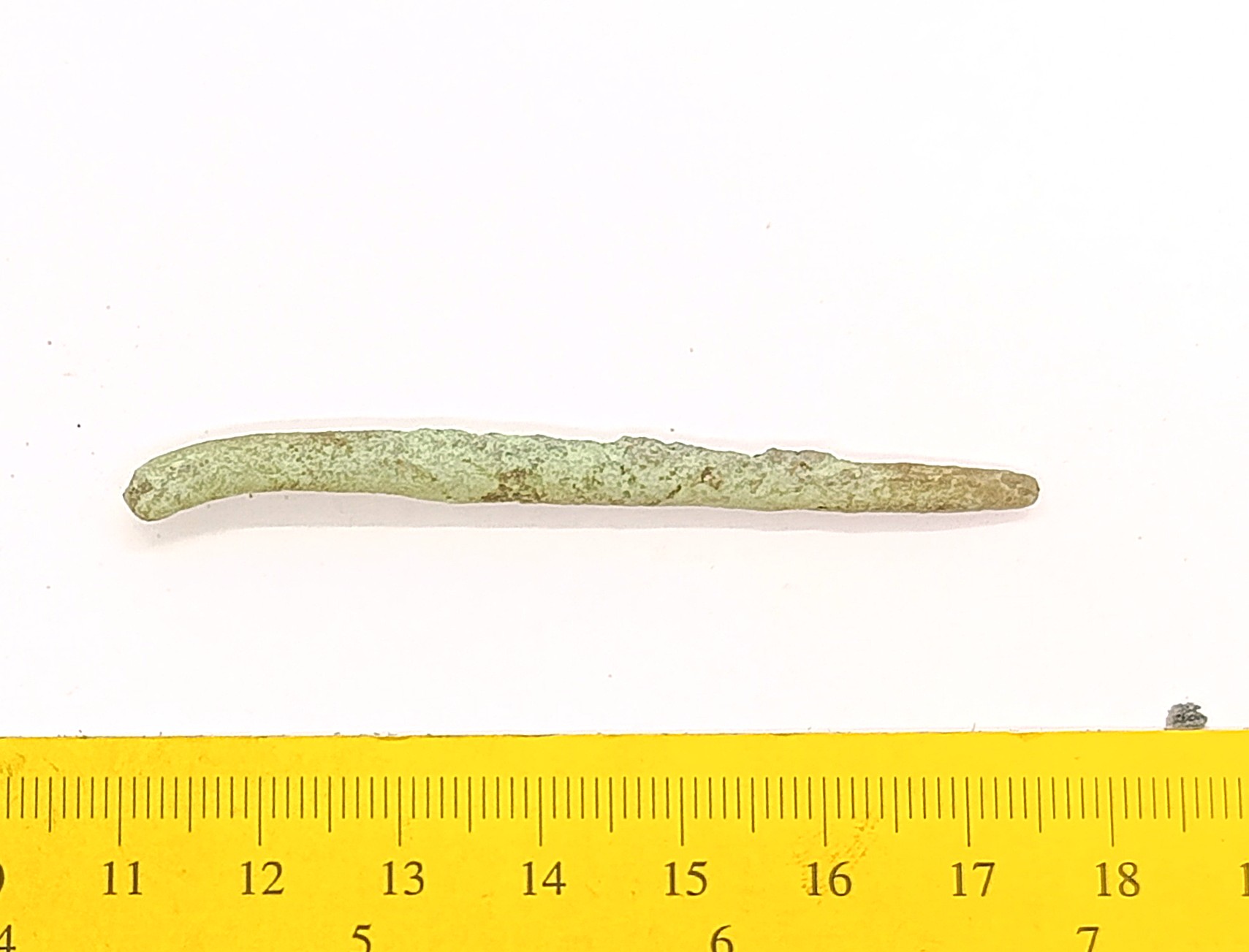
Century:
10-13
Discovery code:
AI 3884: 5345
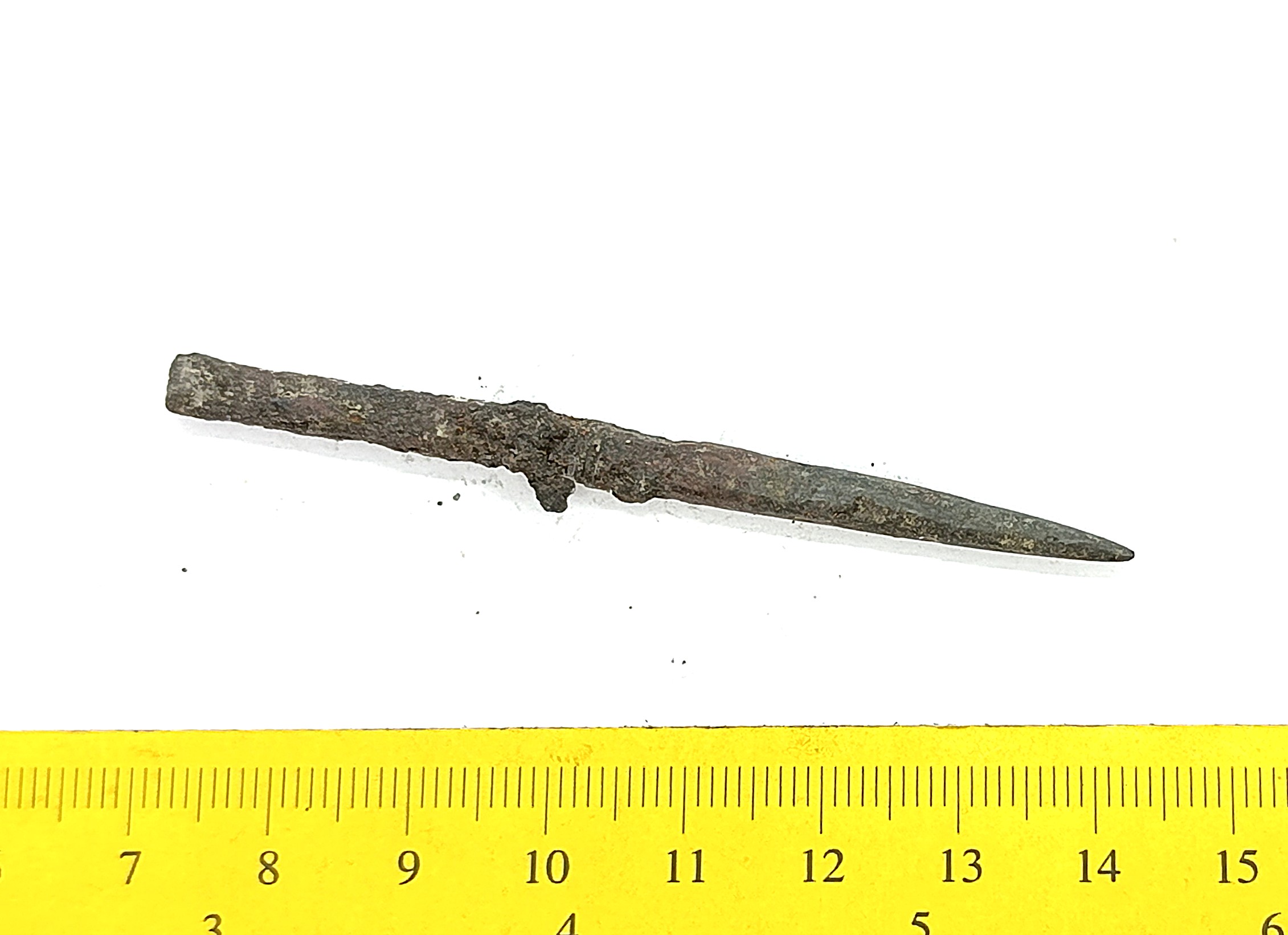
Century:
10-13
Discovery code:
AI 3884: 5465
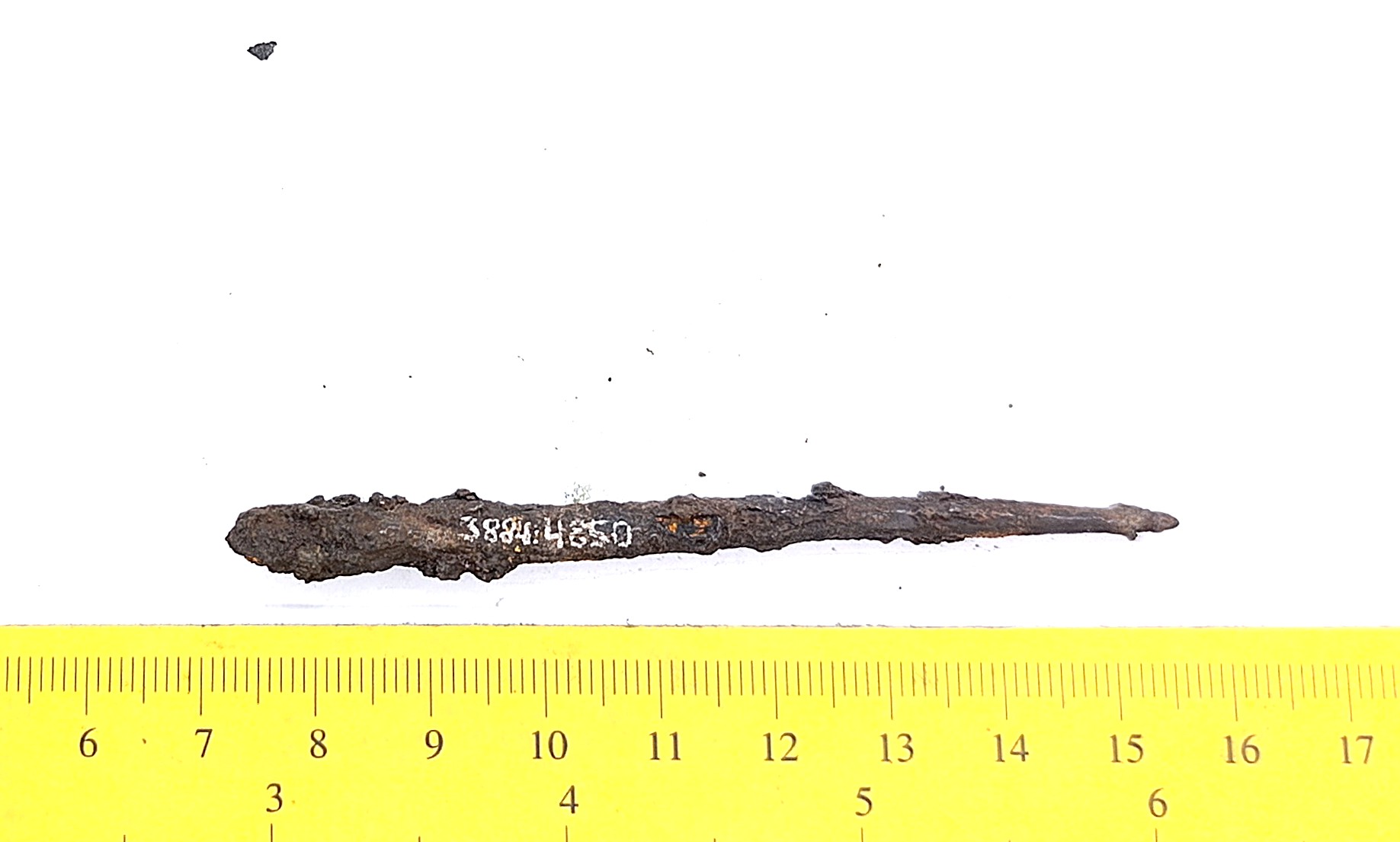
Century:
10-13
Discovery code:
AI 3884: 4850
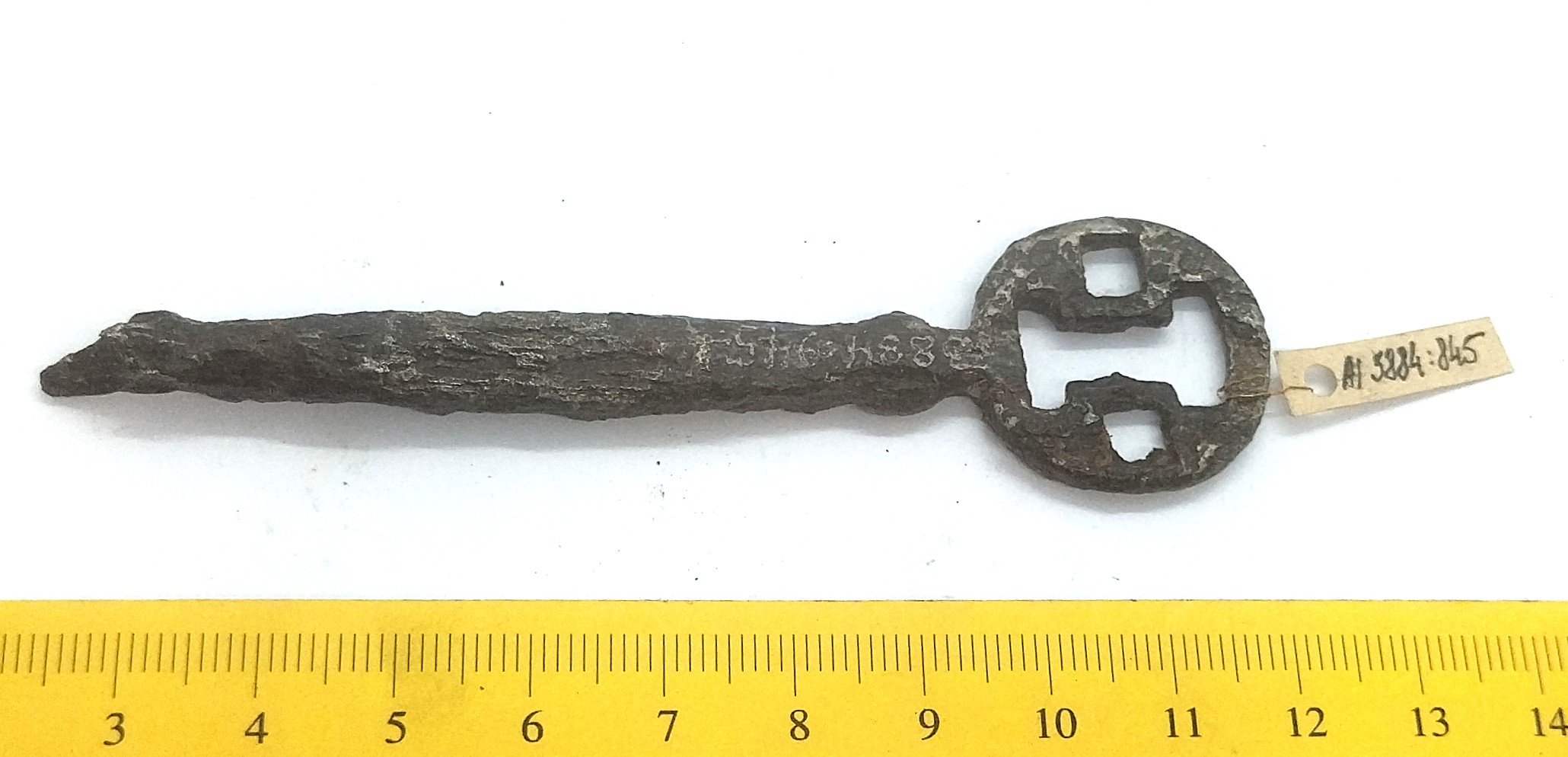
Padlock key, iron. The key belongs to Kolchin´s group A that is dated to the 10th – 12th centuries based on keys found in Novgorod (Колчин 1959, 78–80). Similar keys in Latvia are dated to the same period (Mugurēvičs 2008, 89).
Literature:
Колчин, Б. А. 1959. Железообрабатывающее ремесло Новгорода Великого. Материалы и исследования по археологуу СССР 2: 65, 7–120.
Century:
10-12
Discovery code:
AI 3884: 845
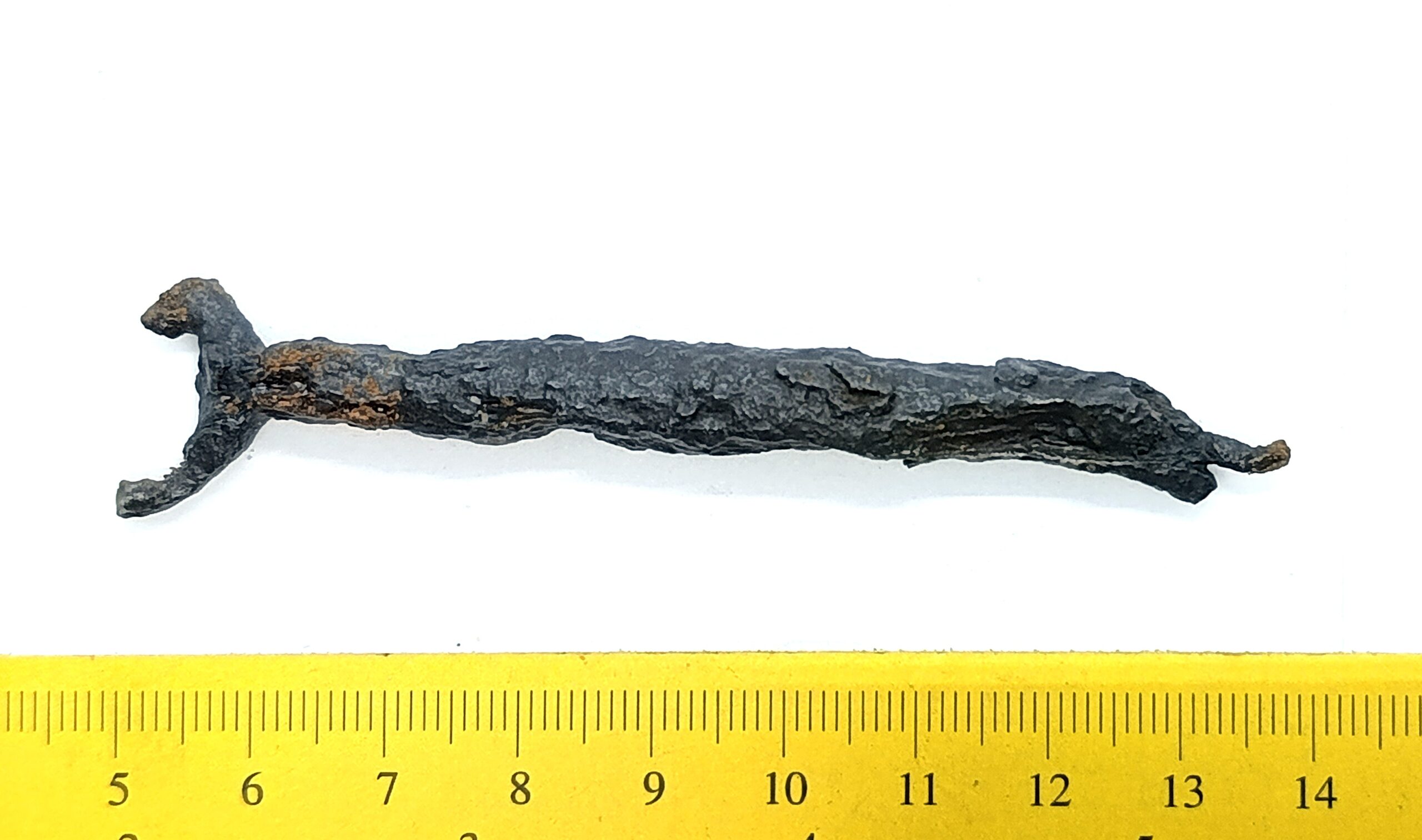
Padlock key, iron. The key belongs to Kolchin´s group A that is dated to the 10th – 12th centuries based on keys found in Novgorod (Колчин 1959, 78–80). Similar keys in Latvia are dated to the same period (Mugurēvičs 2008, 89).
Literature:
Колчин, Б. А. 1959. Железообрабатывающее ремесло Новгорода Великого. Материалы и исследования по археологуу СССР 2: 65, 7–120.
Century:
10-12
Discovery code:
AI 3884: 1392
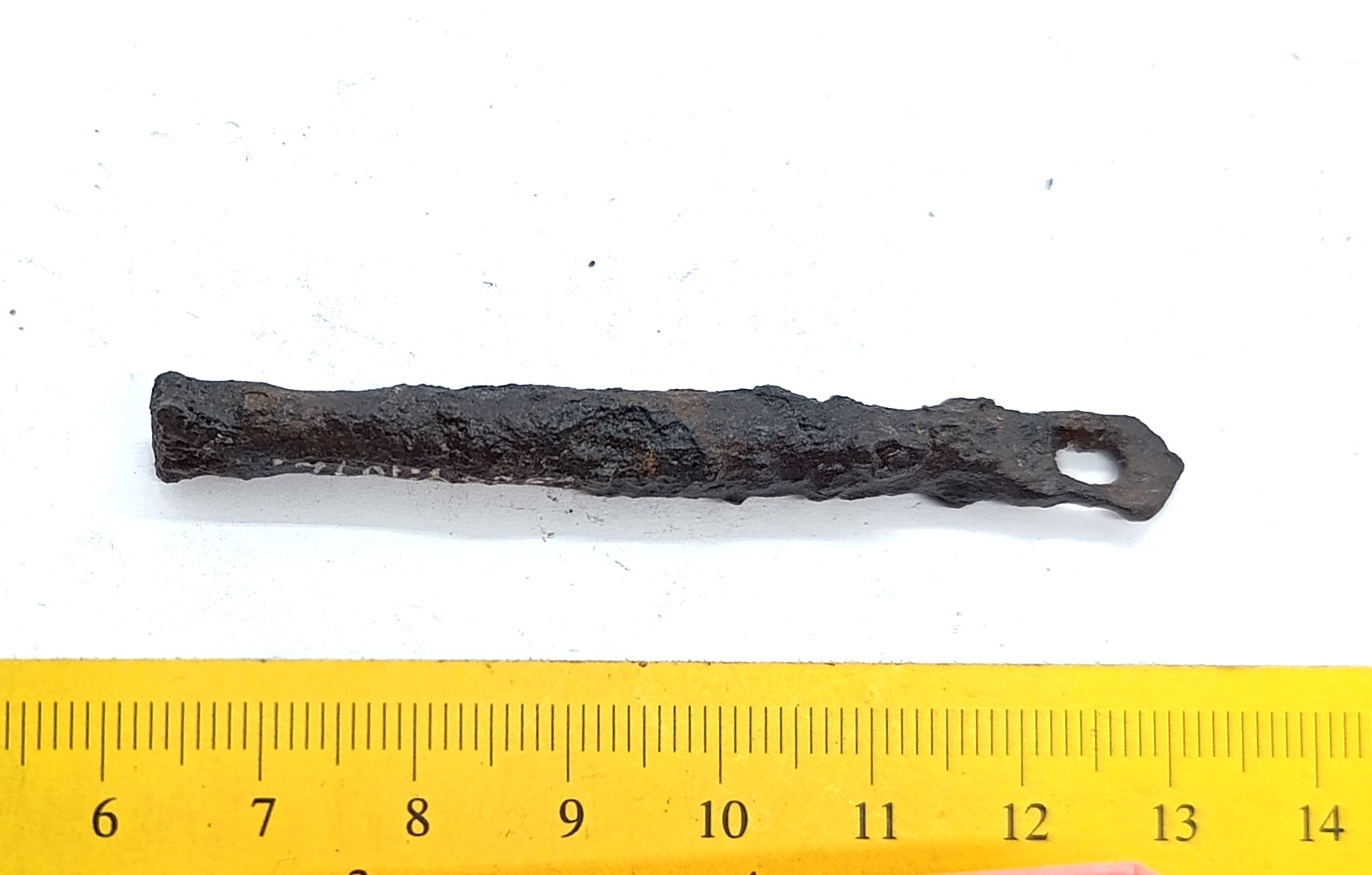
Century:
10-12
Discovery code:
AI 3884: 1642
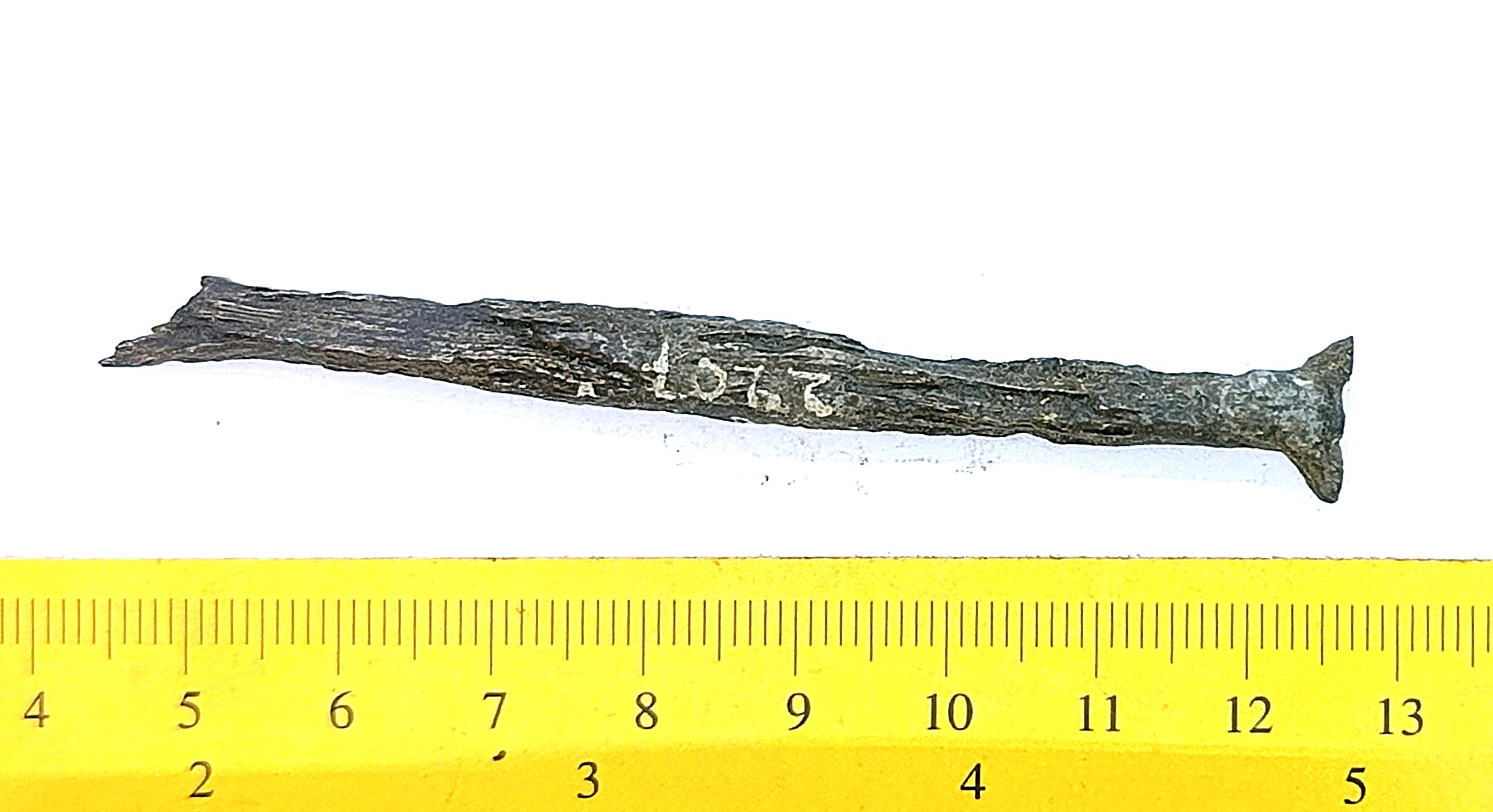
Century:
10-12
Discovery code:
AI 3884: 2207
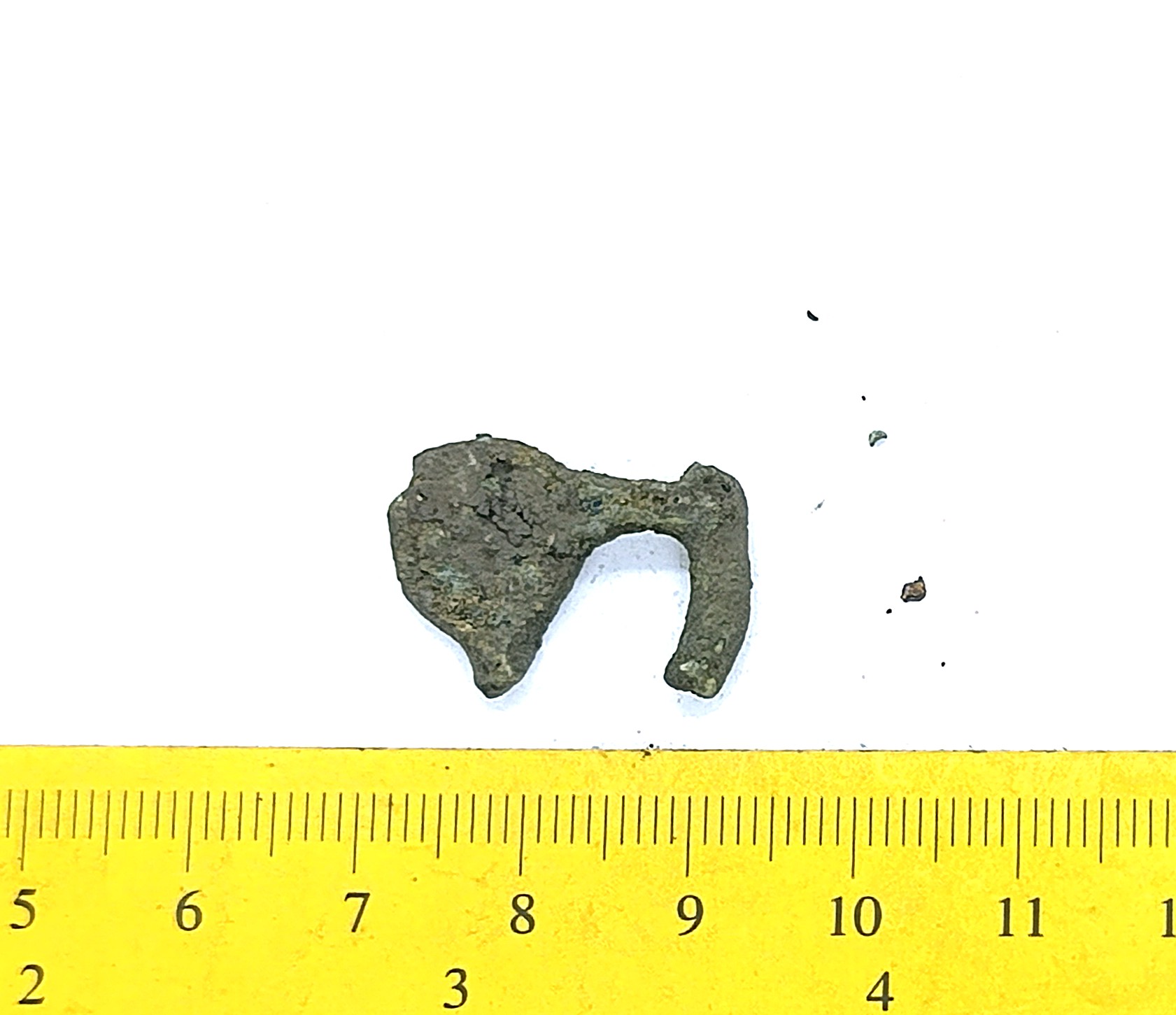
Viltina
Fragment of a round belt divider, copper alloy.
Century:
10-11
Discovery code:
AI 3884: 2738
Fragment of a round belt divider, copper alloy. Since dividers with a round central part are characteristic of the 10th–11th centuries (e.g., Thunmark-Nylén 1995, figs. 210, 236, 396; Zariņa 2006, 236), this object can probably also be dated to the same period.
Literature:
Thunmark-Nylén, L. 1995. Die Wikingerzeit Gotlands I. Abbildungen der Grabfunde. Stockholm.
Century:
10-11
Discovery code:
AI 3884: 2738

