
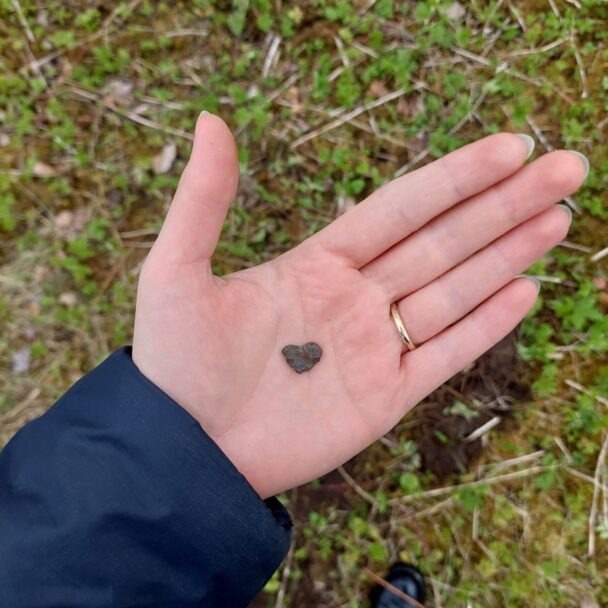
Database
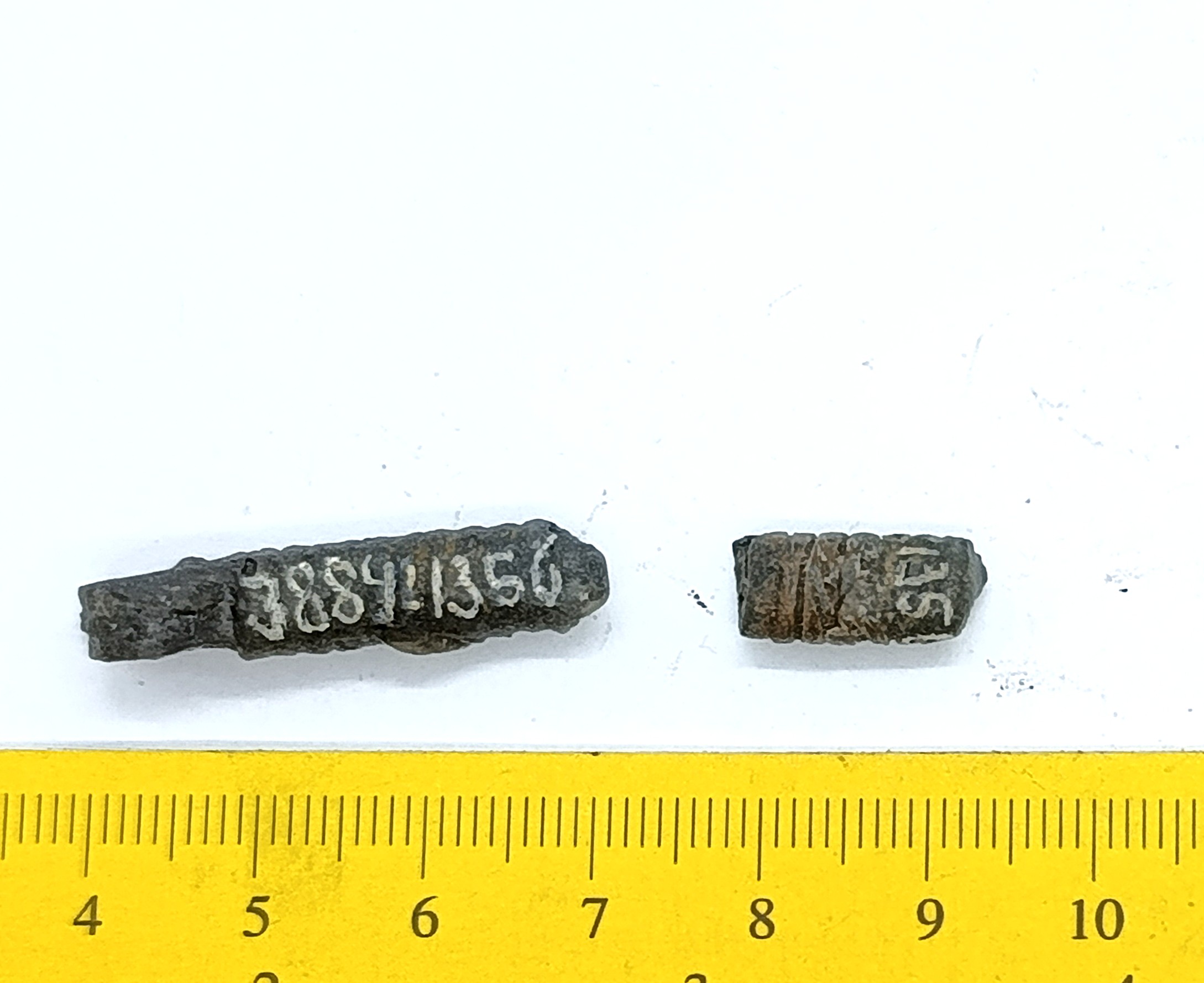
Chatelaine rod fragments, 2, iron. Chatelaines were worn by both men and women and were used to fasten various necessary items to the belt. Chatelaine rods have been found from many places in Estonia, including Saaremaa.
Literature:
Mägi, M. 2002. At the Crossroads of Space and Time. Graves, Changing Society and Ideology on Saaremaa (Ösel), 9th–13th Centuries AD. (CCC Papers, 6.) Tallinn.
Tamla, Ü. 2016. Ristimäe stone grave on the island of Muhu. – Archaeological Fieldwork in Estonia 2015, 121–126.
Century:
11-13
Discovery code:
AI 3884: 1356
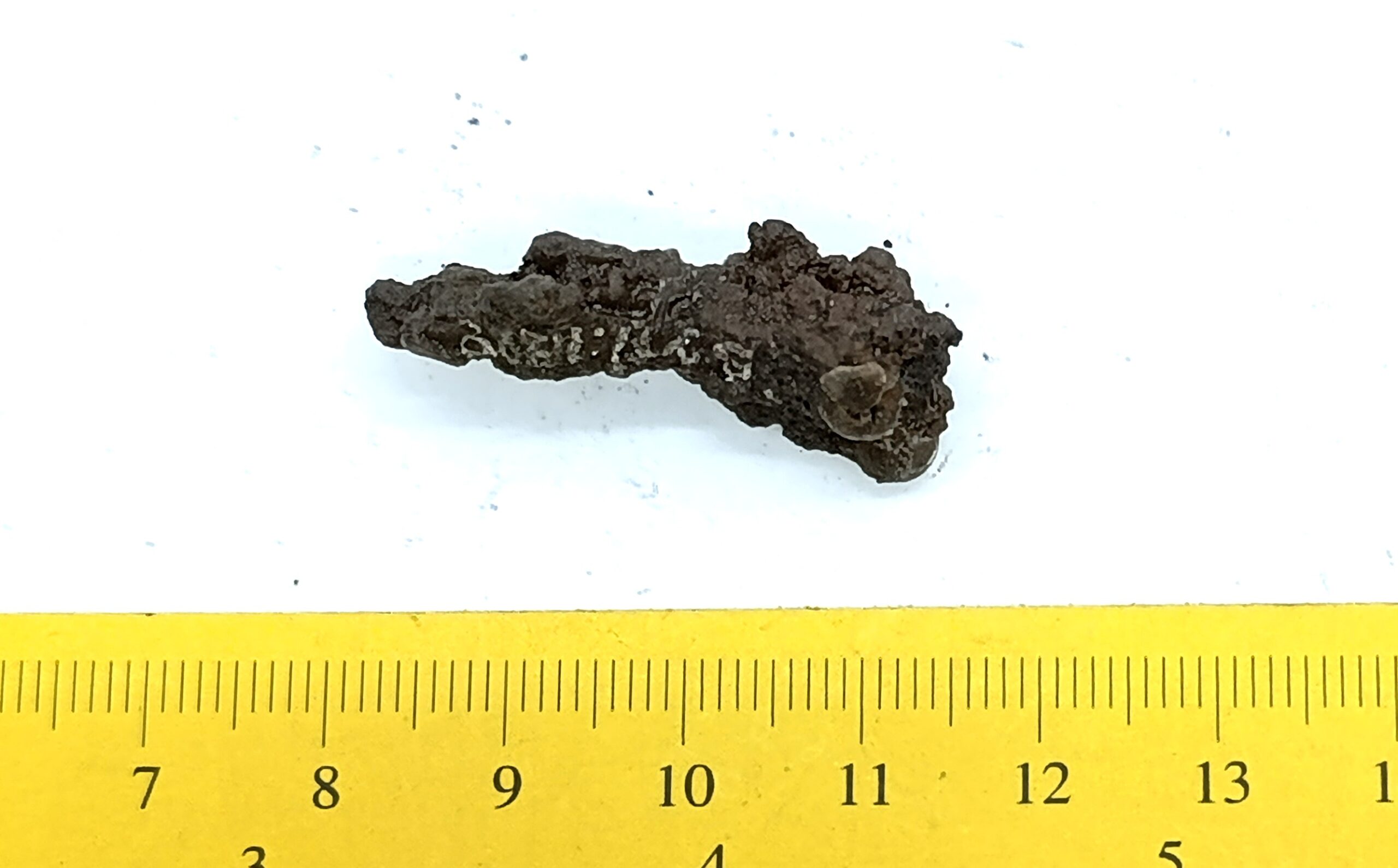
Chatelaine rod fragment, iron. Chatelaines were worn by both men and women and were used to fasten various necessary items to the belt. Chatelaine rods have been found from many places in Estonia, including Saaremaa.
Literature:
Mägi, M. 2002. At the Crossroads of Space and Time. Graves, Changing Society and Ideology on Saaremaa (Ösel), 9th–13th Centuries AD. (CCC Papers, 6.) Tallinn.
Tamla, Ü. 2016. Ristimäe stone grave on the island of Muhu. – Archaeological Fieldwork in Estonia 2015, 121–126.
Century:
11-13
Discovery code:
AI 3884: 1365
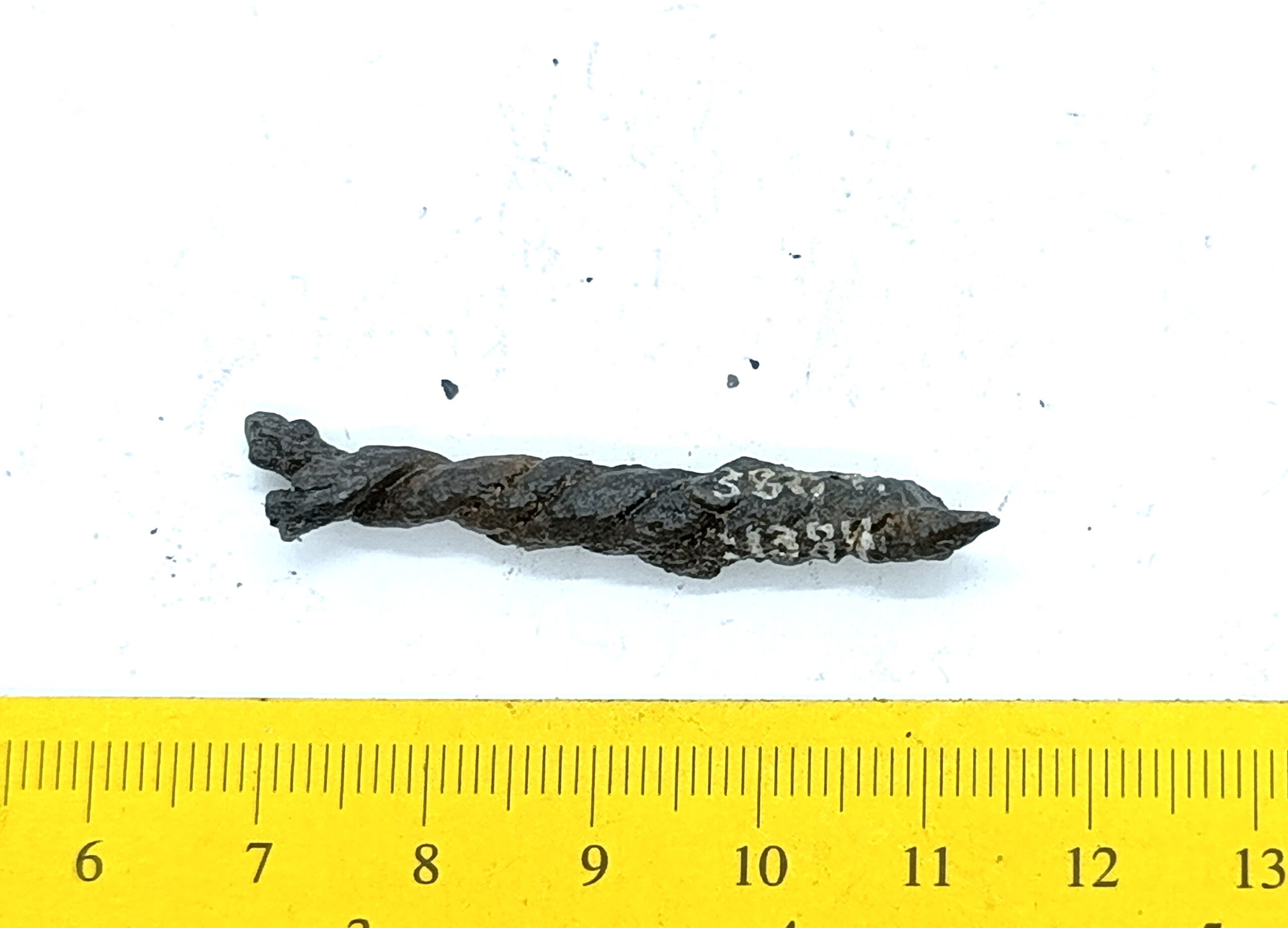
Chatelaine rod fragment, iron. Chatelaines were worn by both men and women and were used to fasten various necessary items to the belt. Chatelaine rods have been found from many places in Estonia, including Saaremaa.
Literature:
Mägi, M. 2002. At the Crossroads of Space and Time. Graves, Changing Society and Ideology on Saaremaa (Ösel), 9th–13th Centuries AD. (CCC Papers, 6.) Tallinn.
Tamla, Ü. 2016. Ristimäe stone grave on the island of Muhu. – Archaeological Fieldwork in Estonia 2015, 121–126.
Century:
11-13
Discovery code:
AI 3884: 1384
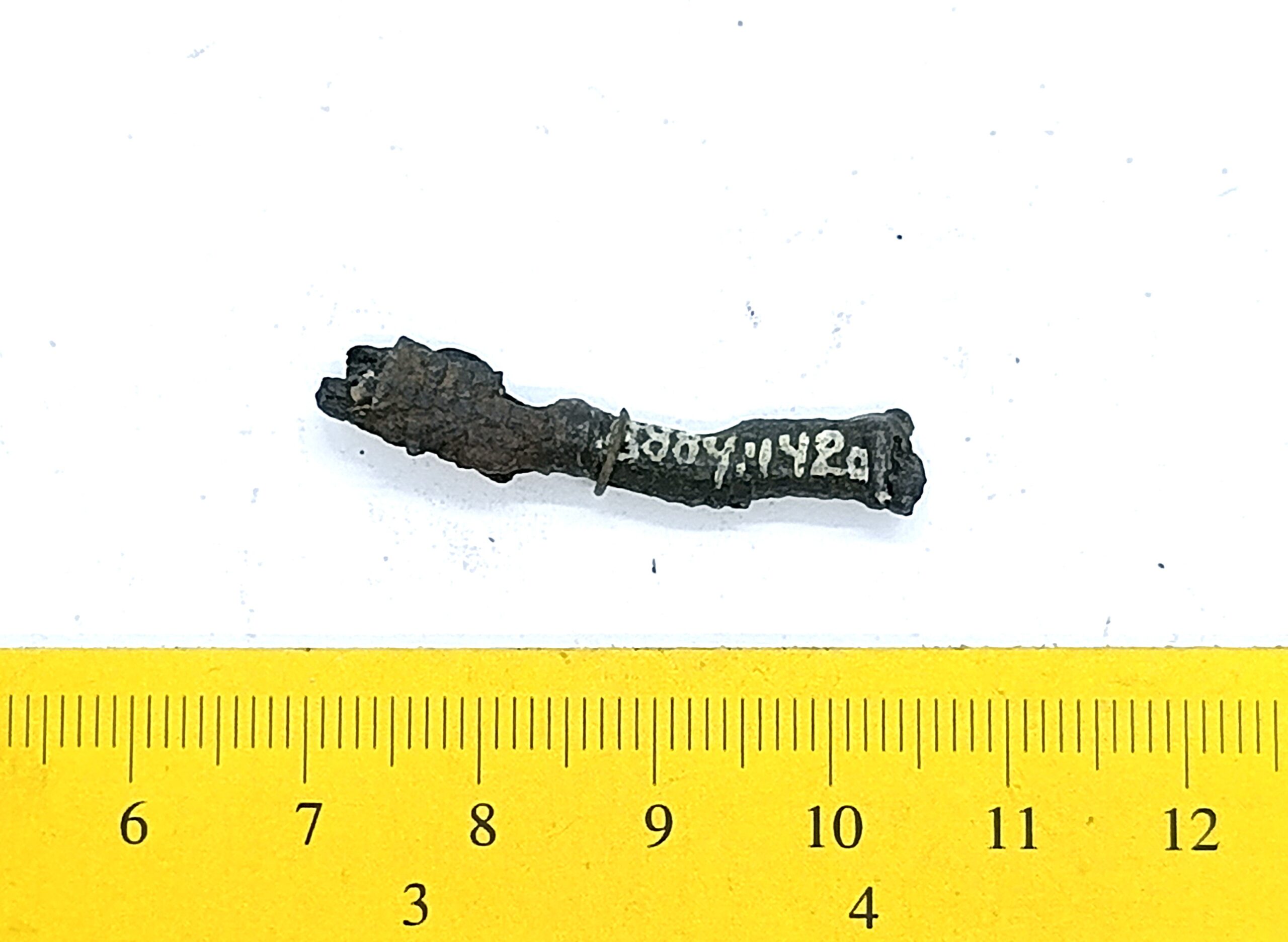
Chatelaine rod fragment, iron. Chatelaines were worn by both men and women and were used to fasten various necessary items to the belt. Chatelaine rods have been found from many places in Estonia, including Saaremaa.
Literature:
Mägi, M. 2002. At the Crossroads of Space and Time. Graves, Changing Society and Ideology on Saaremaa (Ösel), 9th–13th Centuries AD. (CCC Papers, 6.) Tallinn.
Tamla, Ü. 2016. Ristimäe stone grave on the island of Muhu. – Archaeological Fieldwork in Estonia 2015, 121–126.
Century:
11-13
Discovery code:
AI 3884: 1420
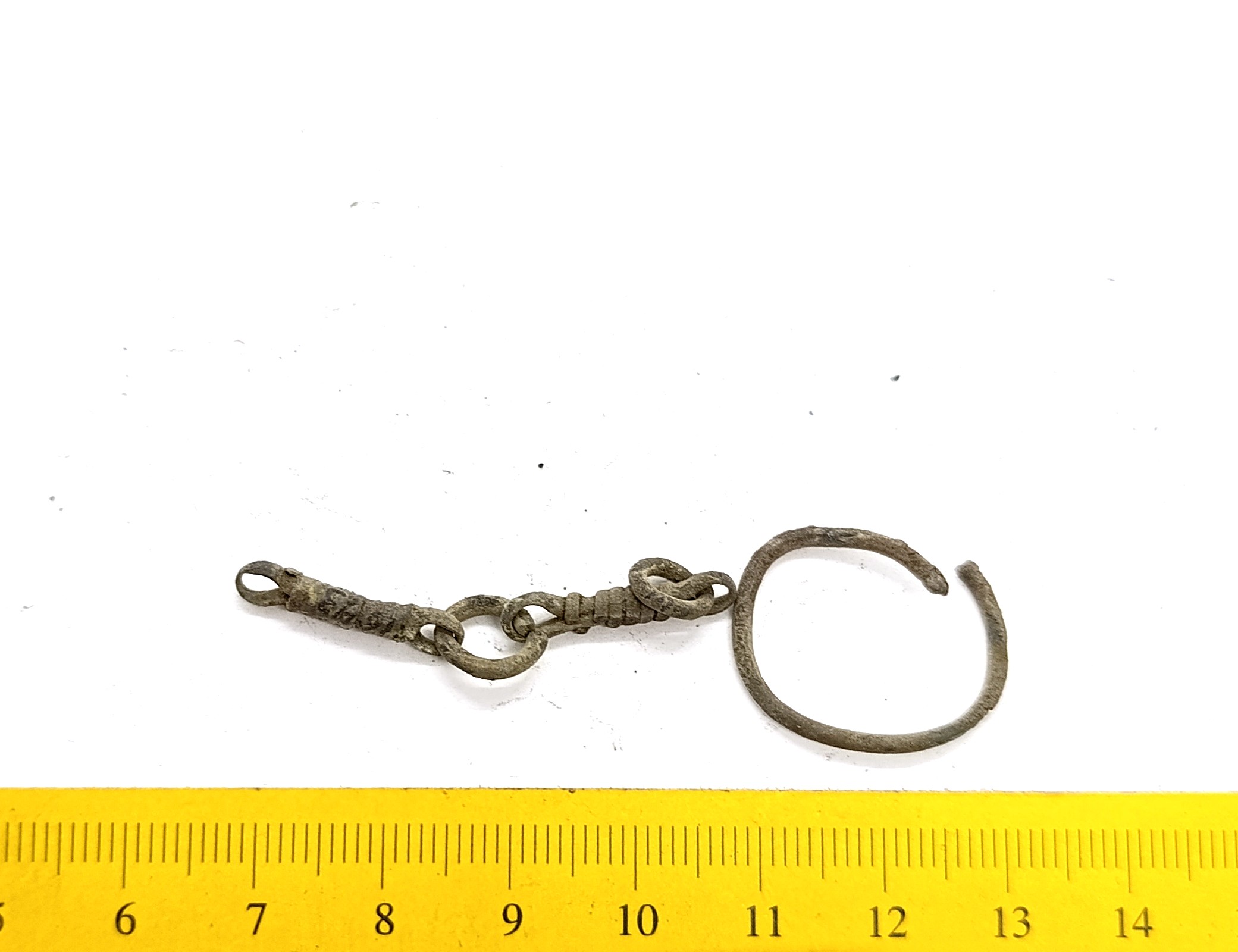
Viltina
Chain made of rings and small chain rods, iron.
Century:
10-12
Discovery code:
AI 3884: 1643
Chain made of rings and small chain rods, iron and copper alloy. Such short links wrapped with copper wire already occur in 10th-century find assemblages, for example in the Lööne cemetery (Mägi 2019), but also together with Saaremaa-type knife sheaths, where they may also date to the early 13th century (e.g., Mägi 2002, 210; Zariņa 2006, 206).
Literature:
Mägi, M. 2002. At the Crossroads of Space and Time. Graves, Changing Society and Ideology on Saaremaa (Ösel), 9th–13th centuries AD. (CCC papers, 6.) Estonian Academy of Sciences, Institute of History, Tallinn / Gotland University College, Centre for Baltic Studies, Gotland.
Zariņa, A. 2006. Salaspils Laukskolas kapulauks 10.–13. gadsimts. Latvijas Vēstures Institūta Apgāds, Rīga.
Mägi, M. 2019. Late Viking Age burial place and ritual deposits at Lööne, Saaremaa. – Archaeological Fieldwork in Estonia 2018, 69−78.
Century:
10-12
Discovery code:
AI 3884: 1643
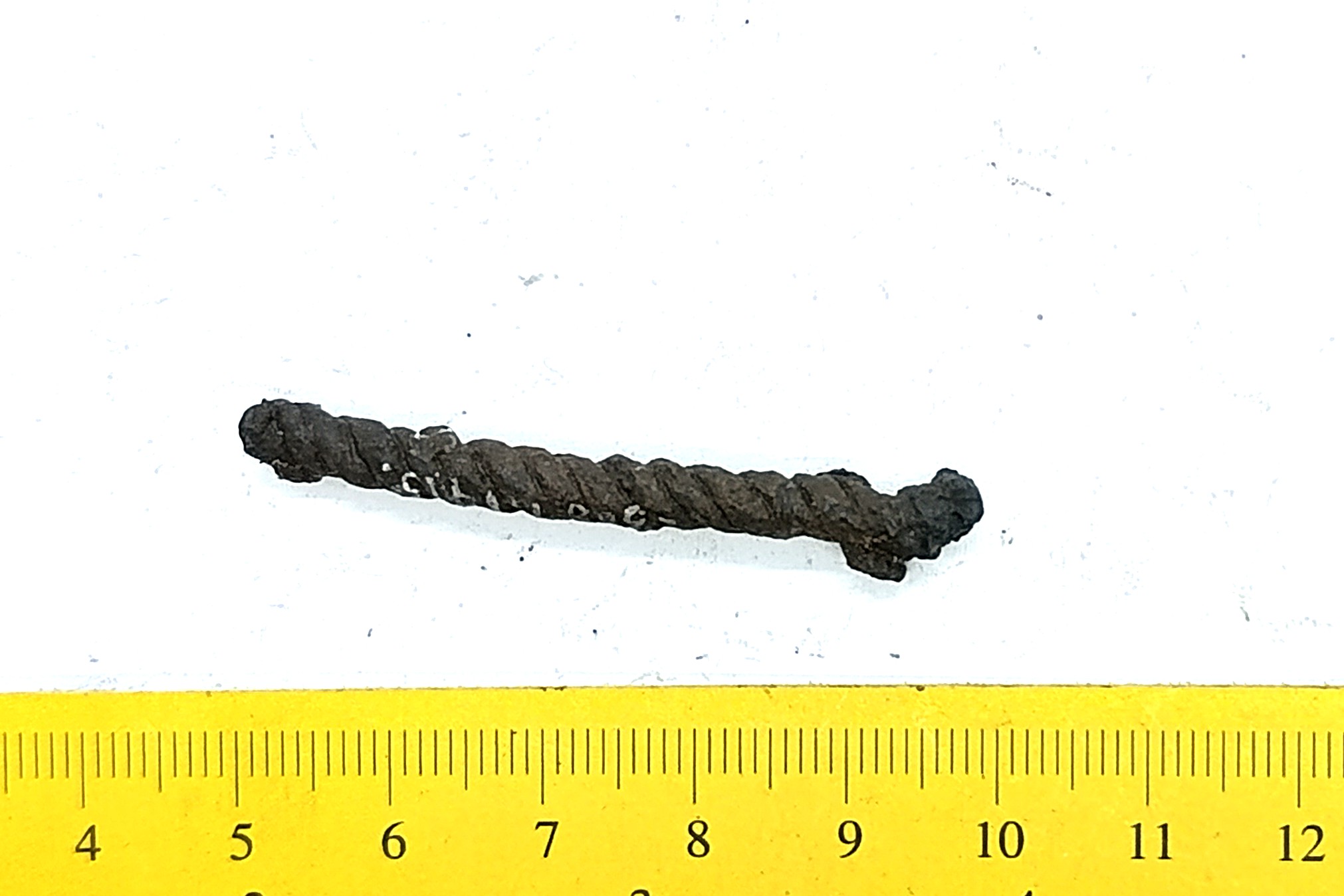
Chatelaine rod fragment, iron. Chatelaines were worn by both men and women and were used to fasten various necessary items to the belt. Chatelaine rods have been found from many places in Estonia, including Saaremaa.
Literature:
Mägi, M. 2002. At the Crossroads of Space and Time. Graves, Changing Society and Ideology on Saaremaa (Ösel), 9th–13th Centuries AD. (CCC Papers, 6.) Tallinn.
Tamla, Ü. 2016. Ristimäe stone grave on the island of Muhu. – Archaeological Fieldwork in Estonia 2015, 121–126.
Century:
11-13
Discovery code:
AI 3884: 1713
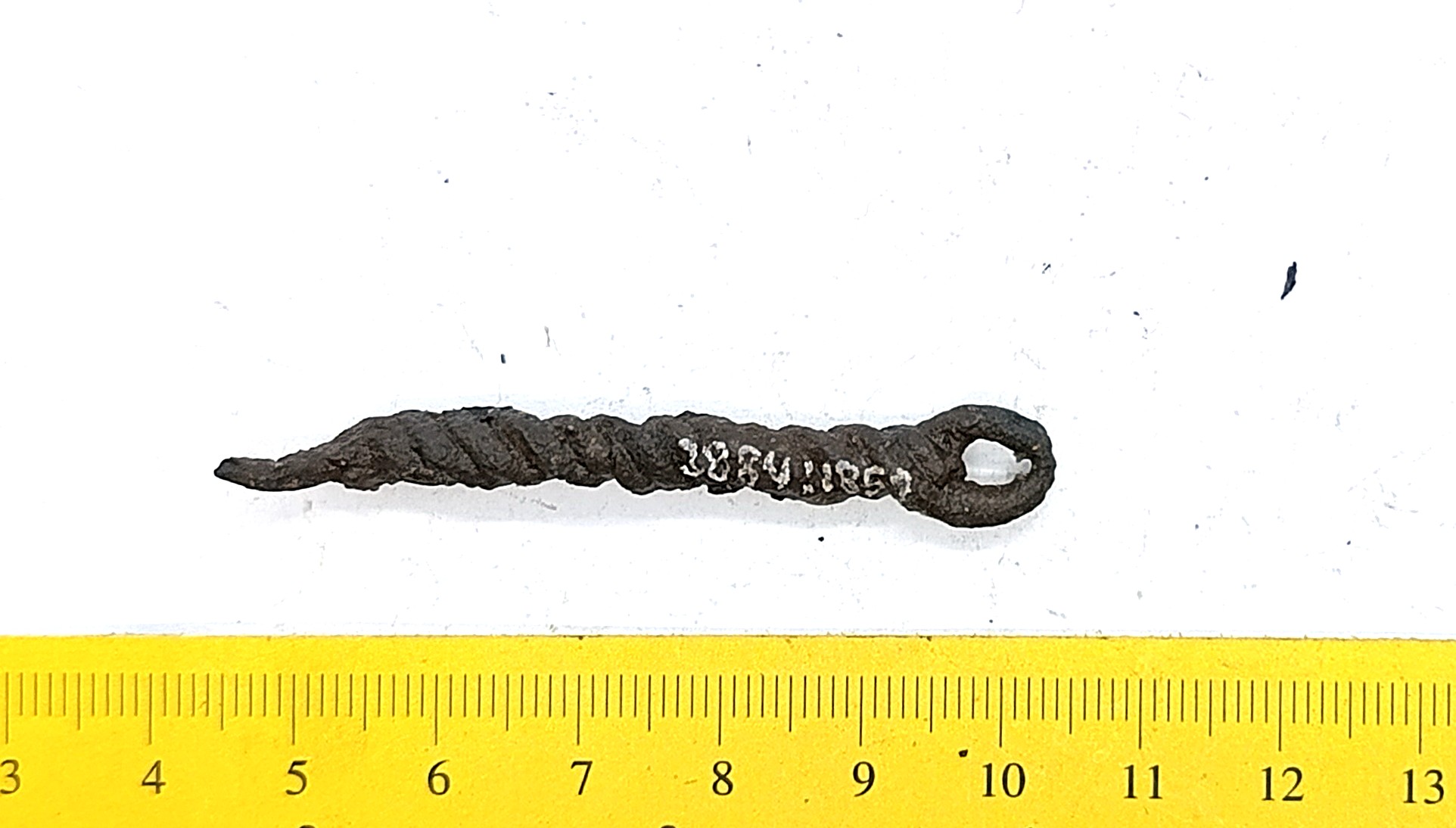
Chatelaine rod fragment, iron. Chatelaines were worn by both men and women and were used to fasten various necessary items to the belt. Chatelaine rods have been found from many places in Estonia, including Saaremaa.
Literature:
Mägi, M. 2002. At the Crossroads of Space and Time. Graves, Changing Society and Ideology on Saaremaa (Ösel), 9th–13th Centuries AD. (CCC Papers, 6.) Tallinn.
Tamla, Ü. 2016. Ristimäe stone grave on the island of Muhu. – Archaeological Fieldwork in Estonia 2015, 121–126.
Century:
11-13
Discovery code:
AI 3884: 1859
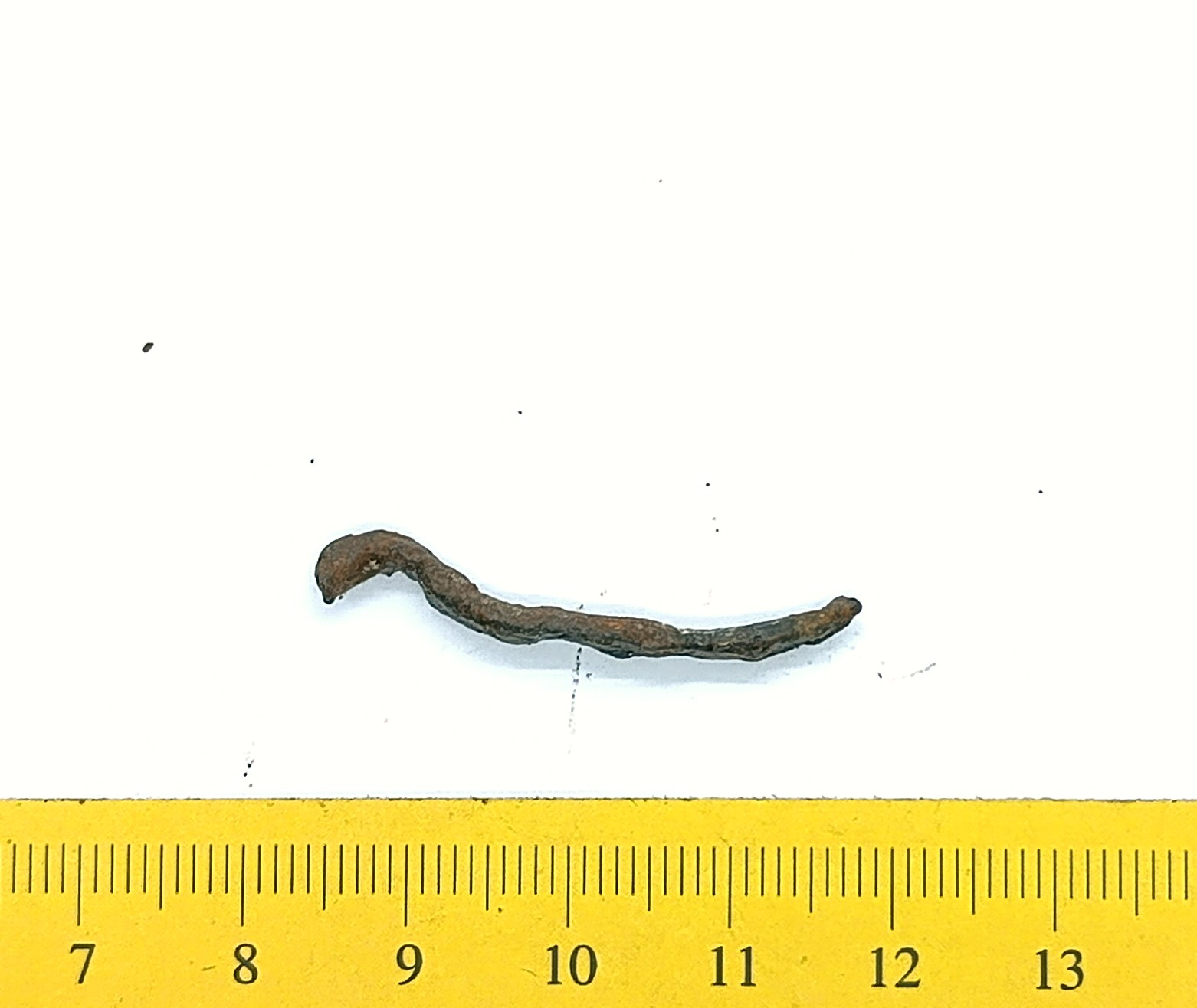
Chatelaine rod fragment, iron. Chatelaines were worn by both men and women and were used to fasten various necessary items to the belt. Chatelaine rods have been found from many places in Estonia, including Saaremaa.
Literature:
Mägi, M. 2002. At the Crossroads of Space and Time. Graves, Changing Society and Ideology on Saaremaa (Ösel), 9th–13th Centuries AD. (CCC Papers, 6.) Tallinn.
Tamla, Ü. 2016. Ristimäe stone grave on the island of Muhu. – Archaeological Fieldwork in Estonia 2015, 121–126.
Century:
11-13
Discovery code:
AI 3884: 1896
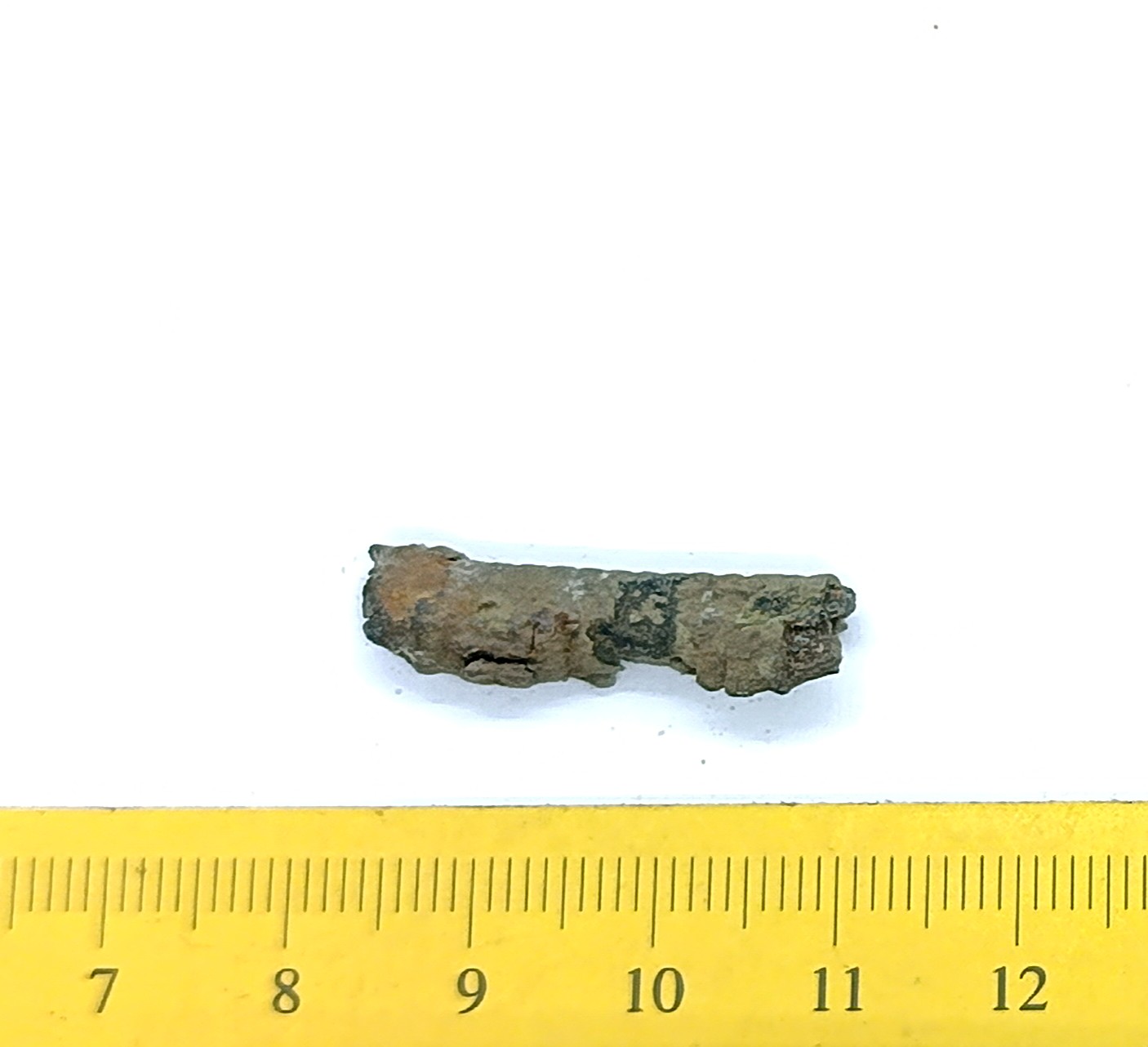
Chatelaine rod fragment, iron. Chatelaines were worn by both men and women and were used to fasten various necessary items to the belt. Chatelaine rods have been found from many places in Estonia, including Saaremaa.
Literature:
Mägi, M. 2002. At the Crossroads of Space and Time. Graves, Changing Society and Ideology on Saaremaa (Ösel), 9th–13th Centuries AD. (CCC Papers, 6.) Tallinn.
Tamla, Ü. 2016. Ristimäe stone grave on the island of Muhu. – Archaeological Fieldwork in Estonia 2015, 121–126.
Century:
11-13
Discovery code:
AI 3884: 2259

