
Database
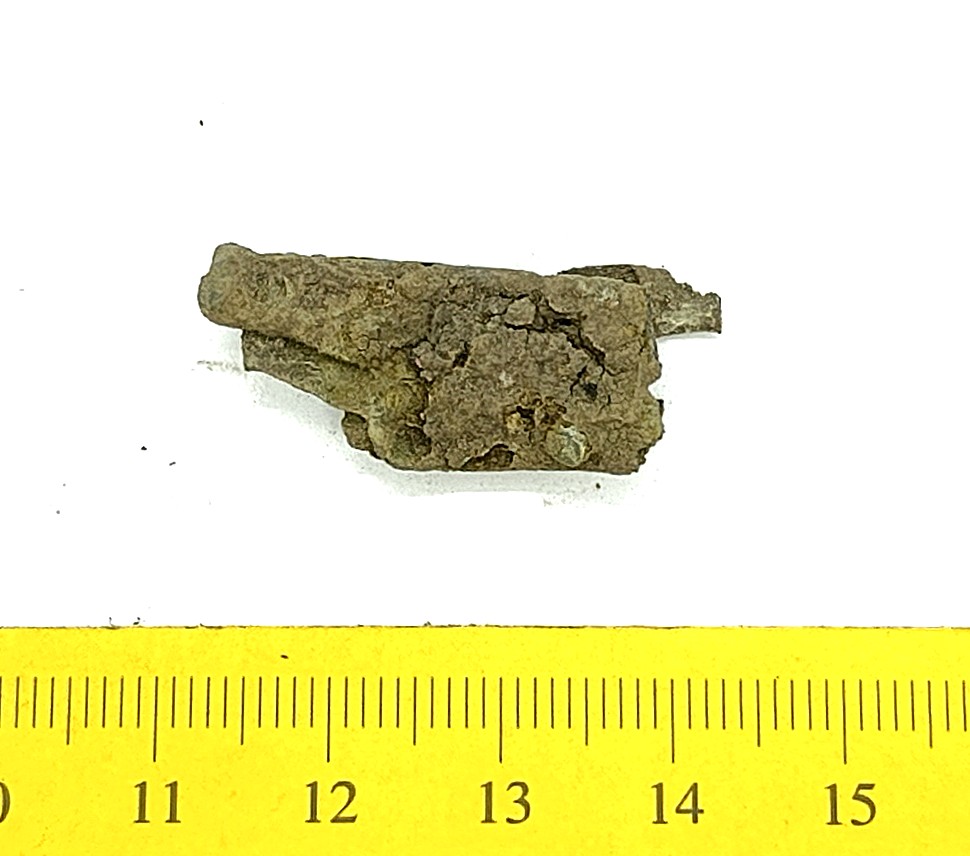
Century:
10-13
Discovery code:
AI 3884: 4683
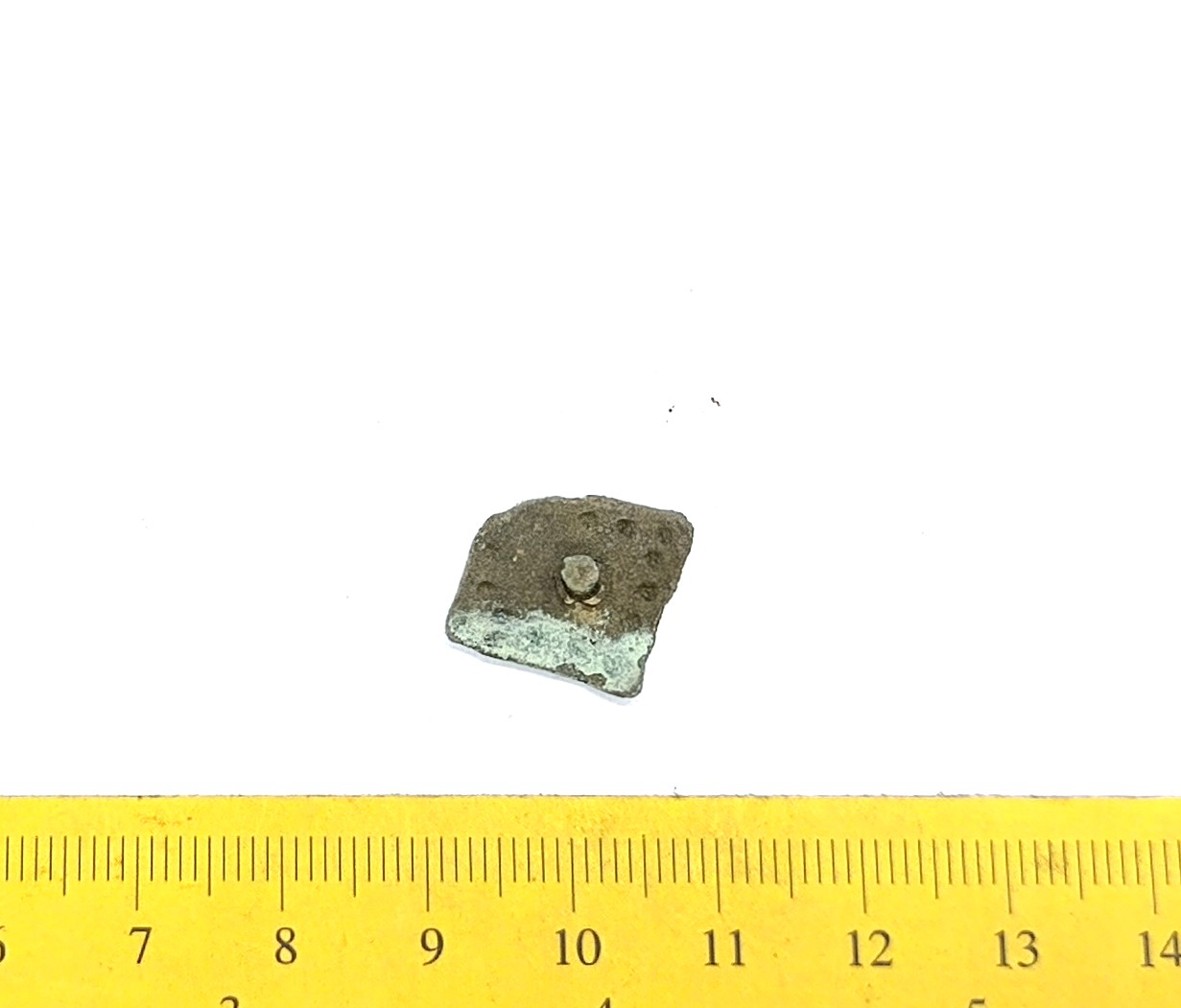
Square belt mount, copper alloy. These belt mounts were widespread over a long time.
Century:
10-13
Discovery code:
AI 3884: 4855
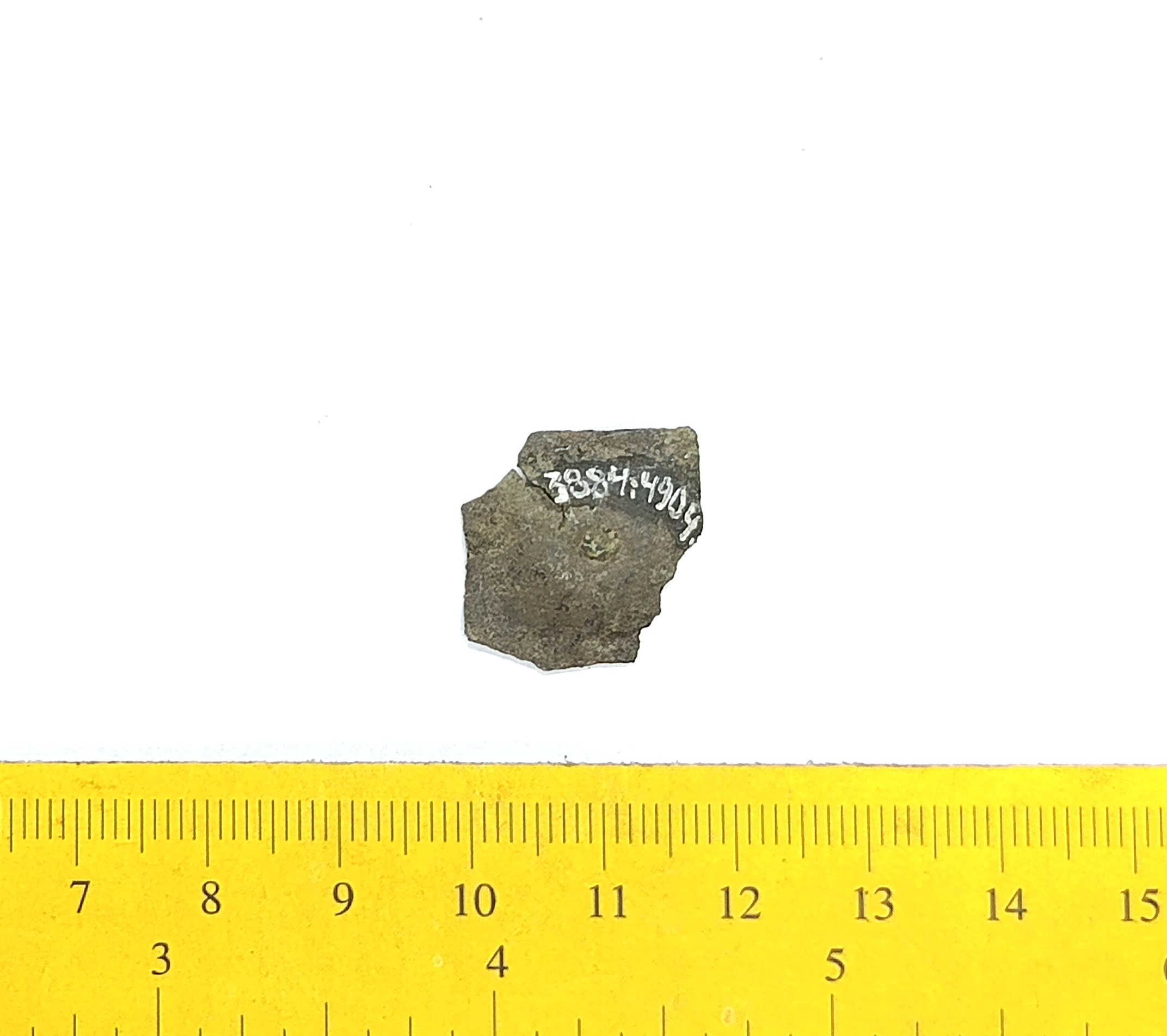
Square belt mount, copper alloy. These belt mounts were widespread over a long time.
Century:
10-13
Discovery code:
AI 3884: 4904
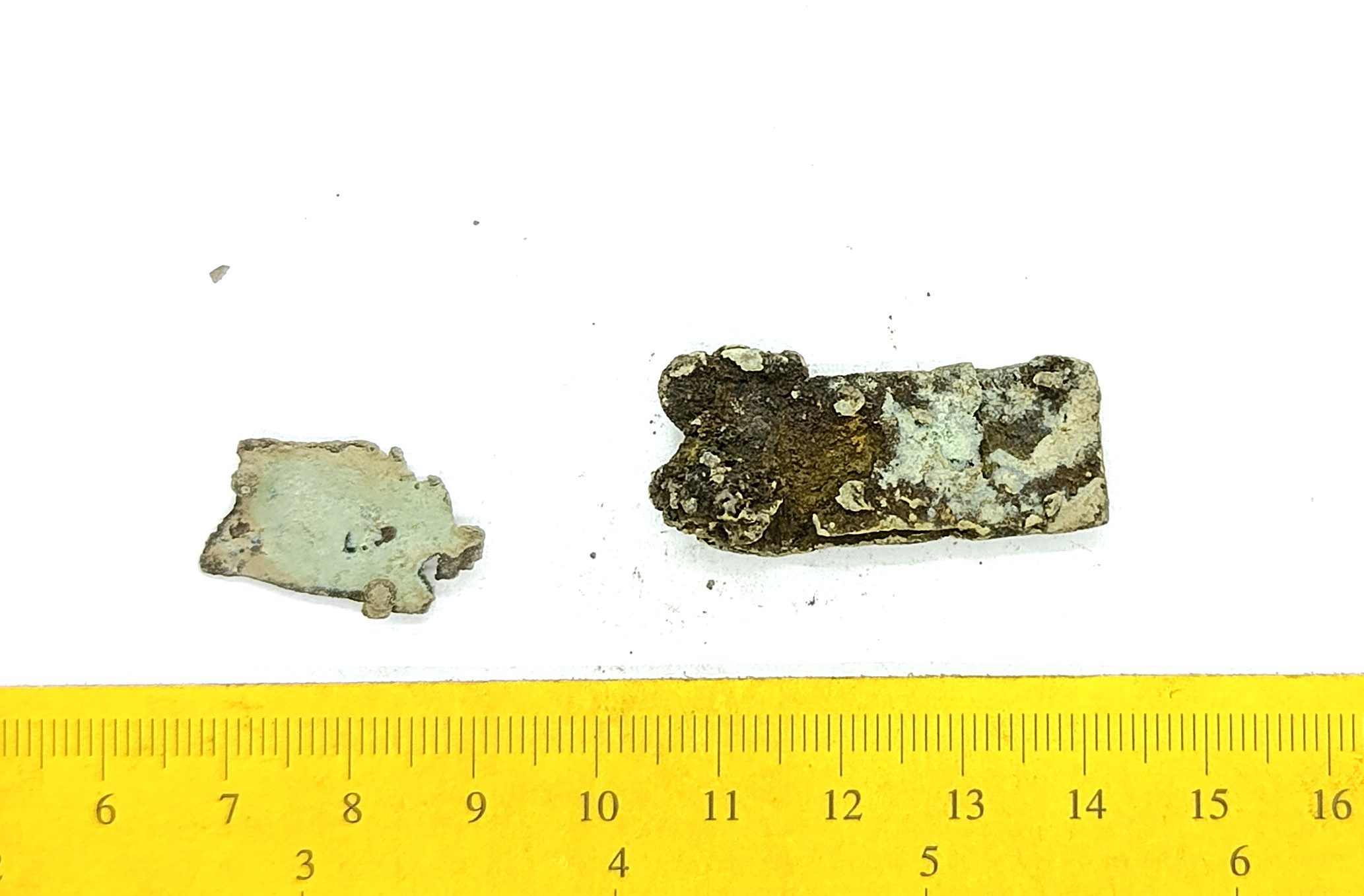
Century:
10-13
Discovery code:
AI 3884: 5005
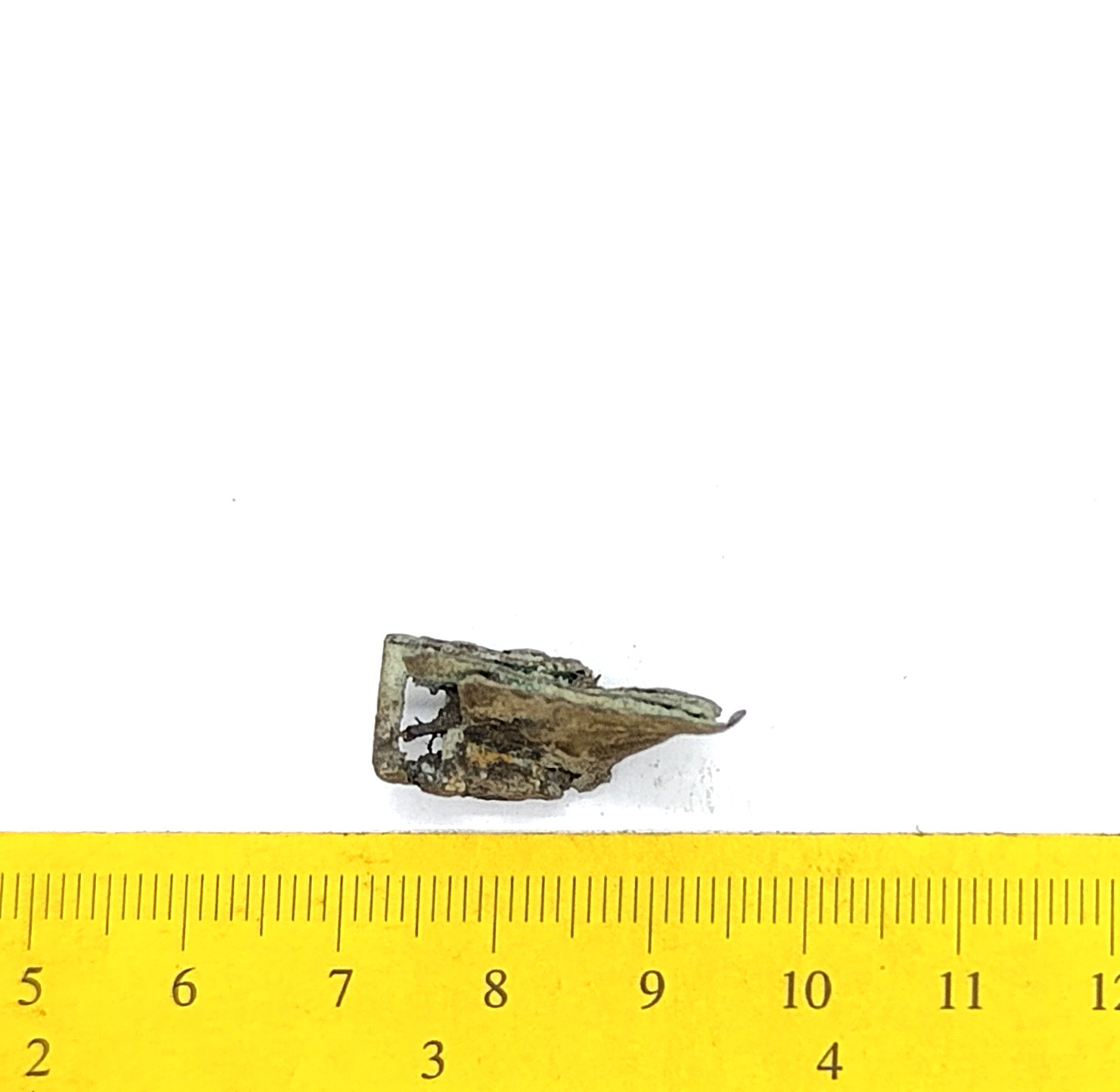
Century:
10-13
Discovery code:
AI 3884: 5026
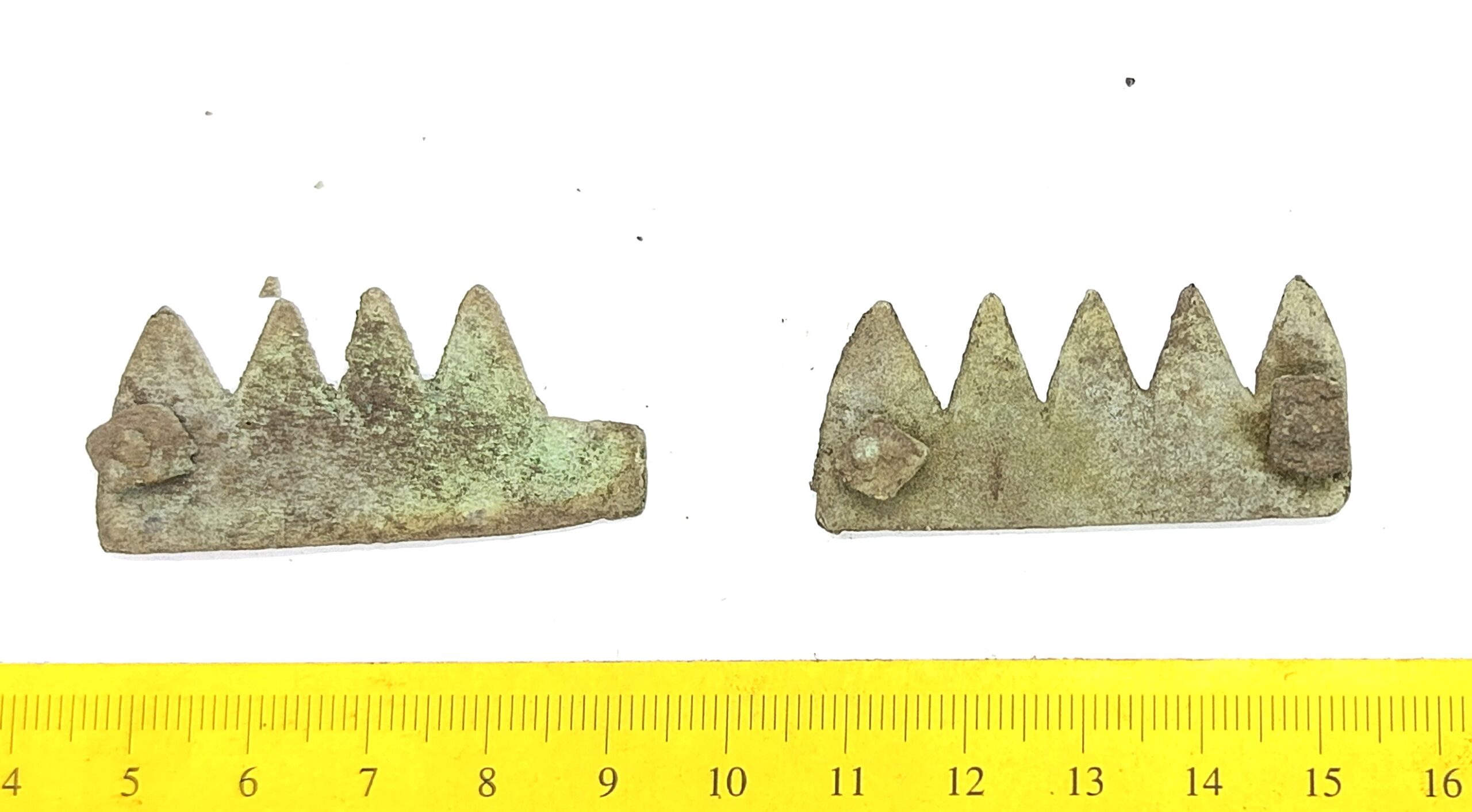
Belt mount, copper alloy. A widespread type of belt mount in Saaremaa and surrounding areas, often found in stone graves with cremation burials. Most likely date to the 12th century but could have also been used in the early 13th century (Griciuvienė 2009, 349; Mugurēvičs 2008, 122; Mägi 2002, 98).
Century:
12
Discovery code:
AI 3884: 5118
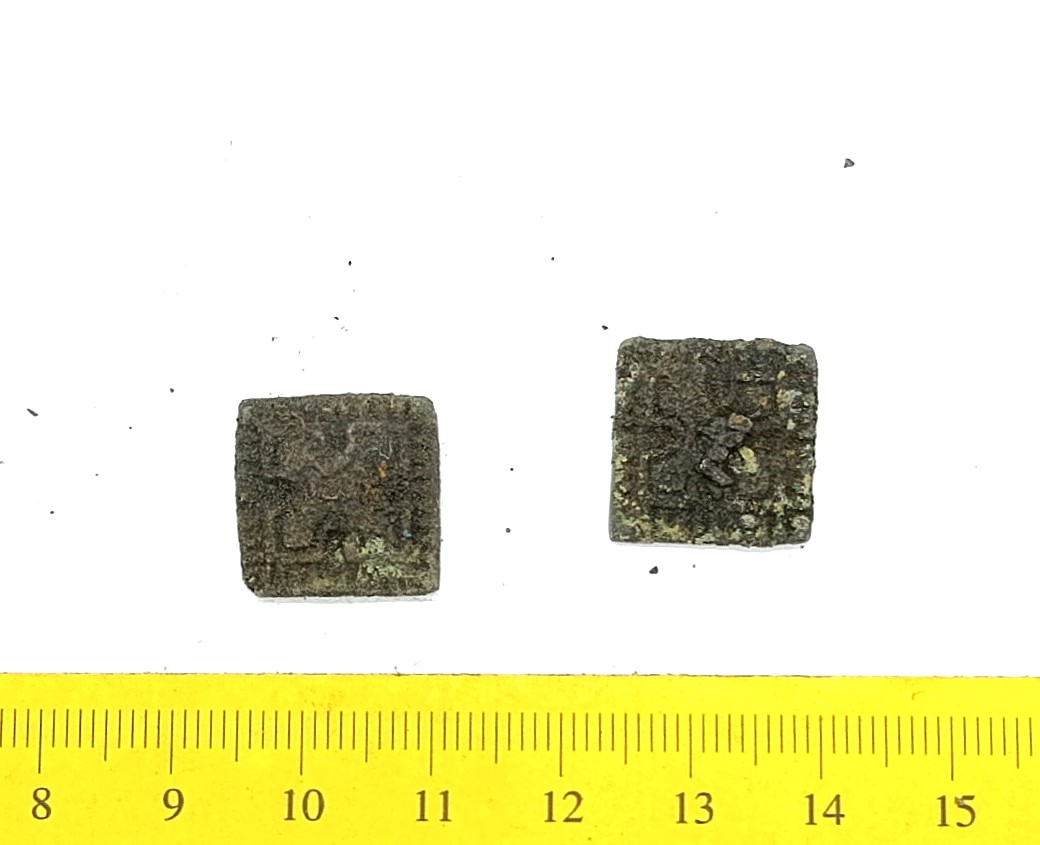
Belt mounts, 2, copper alloy. Square-shaped mounts with cross-motifs are very widespread in Estonian stone graves with cremations (Mägi 2002, 96-99; Mandel 2017, 83, tahv XLII).They have been often found together with Gotland-Baltic type buckles and animal style joining mounts (e g Lehtsalo-Hilander 1982, 154).
Literature:
Lehtsalo-Hilander, P.-L. 1982. Luistari II: The Artefacts. SMYA 82: 2. Helsinki.
Mägi, M. 2002. At the crossroads of space and time: graves, changing society and ideology on Saaremaa (Ösel), 9th–13th centuries AD. Tallinn.
Mandel, M. 2017. Maidla muinaskalmistu saladused. Eesti Ajaloomuuseum, Tallinn.
Century:
11-12
Discovery code:
AI 3884: 5137
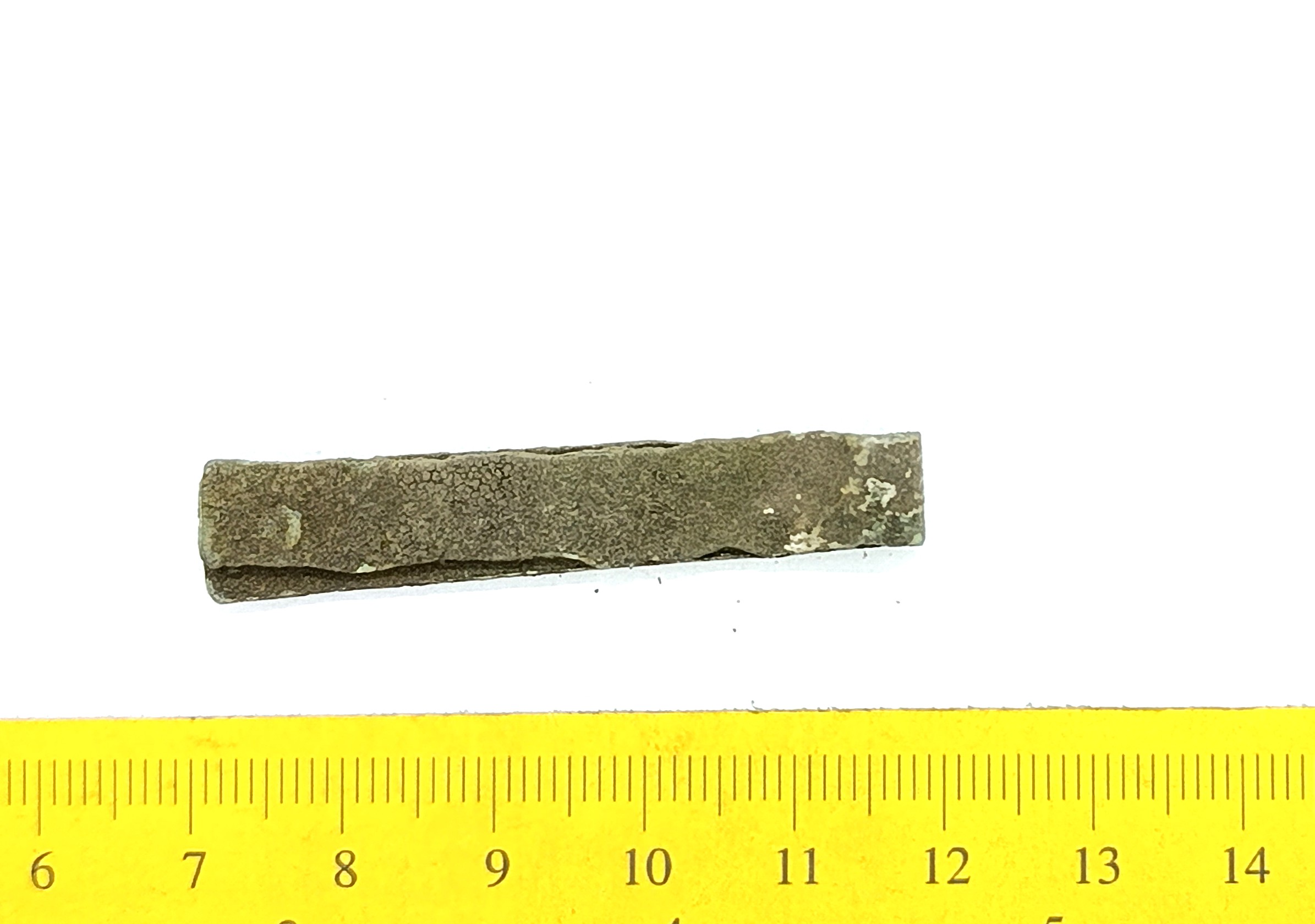
Century:
10-13
Discovery code:
AI 3884: 5143
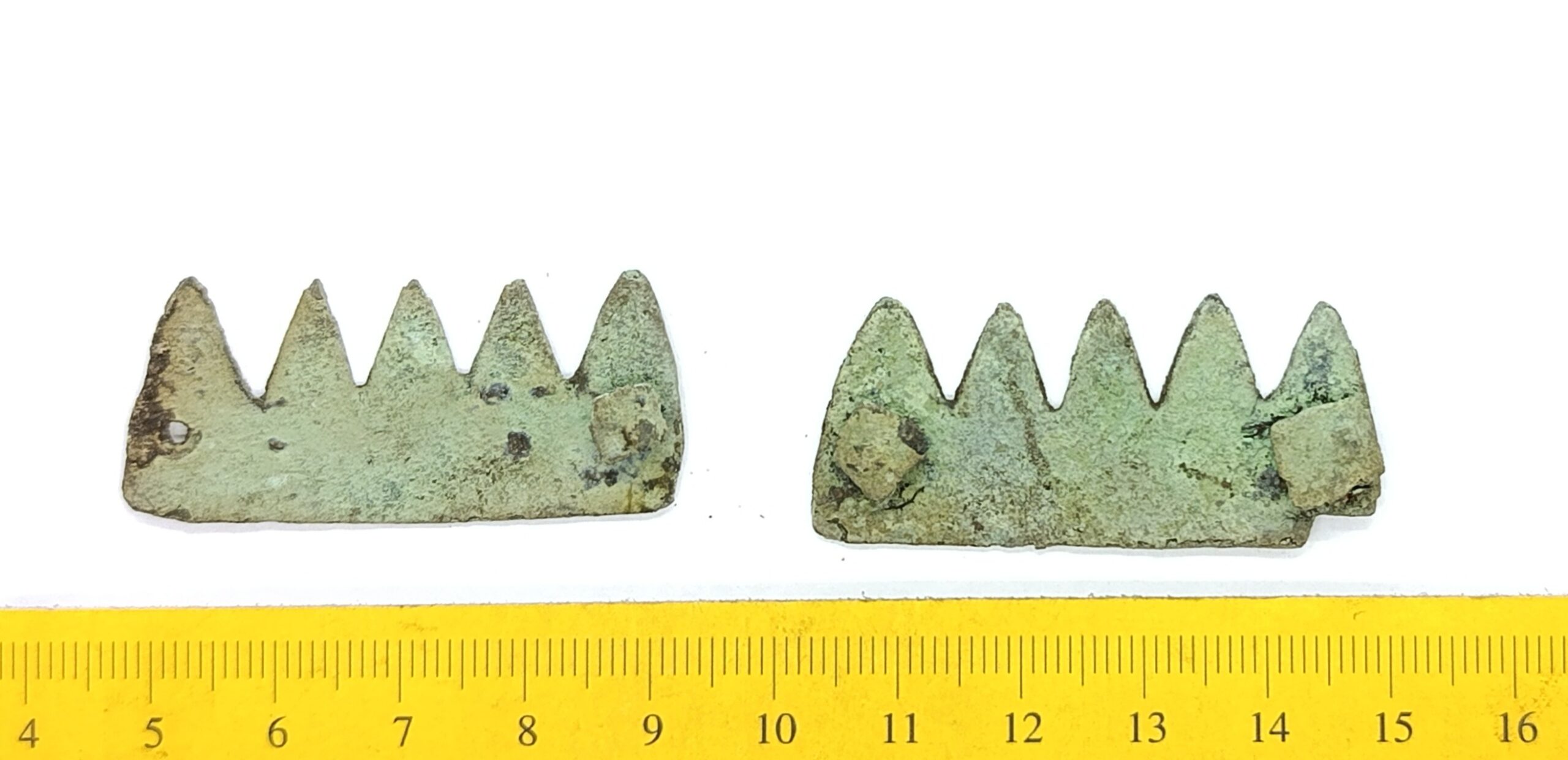
Belt mounts, 2, copper alloy. A widespread type of belt mount in Saaremaa and surrounding areas, often found in stone graves with cremation burials. Most likely date to the 12th century but could have also been used in the early 13th century (Griciuvienė 2009, 349; Mugurēvičs 2008, 122; Mägi 2002, 98).
Century:
12
Discovery code:
AI 3884: 5145

