
Database
Viltina
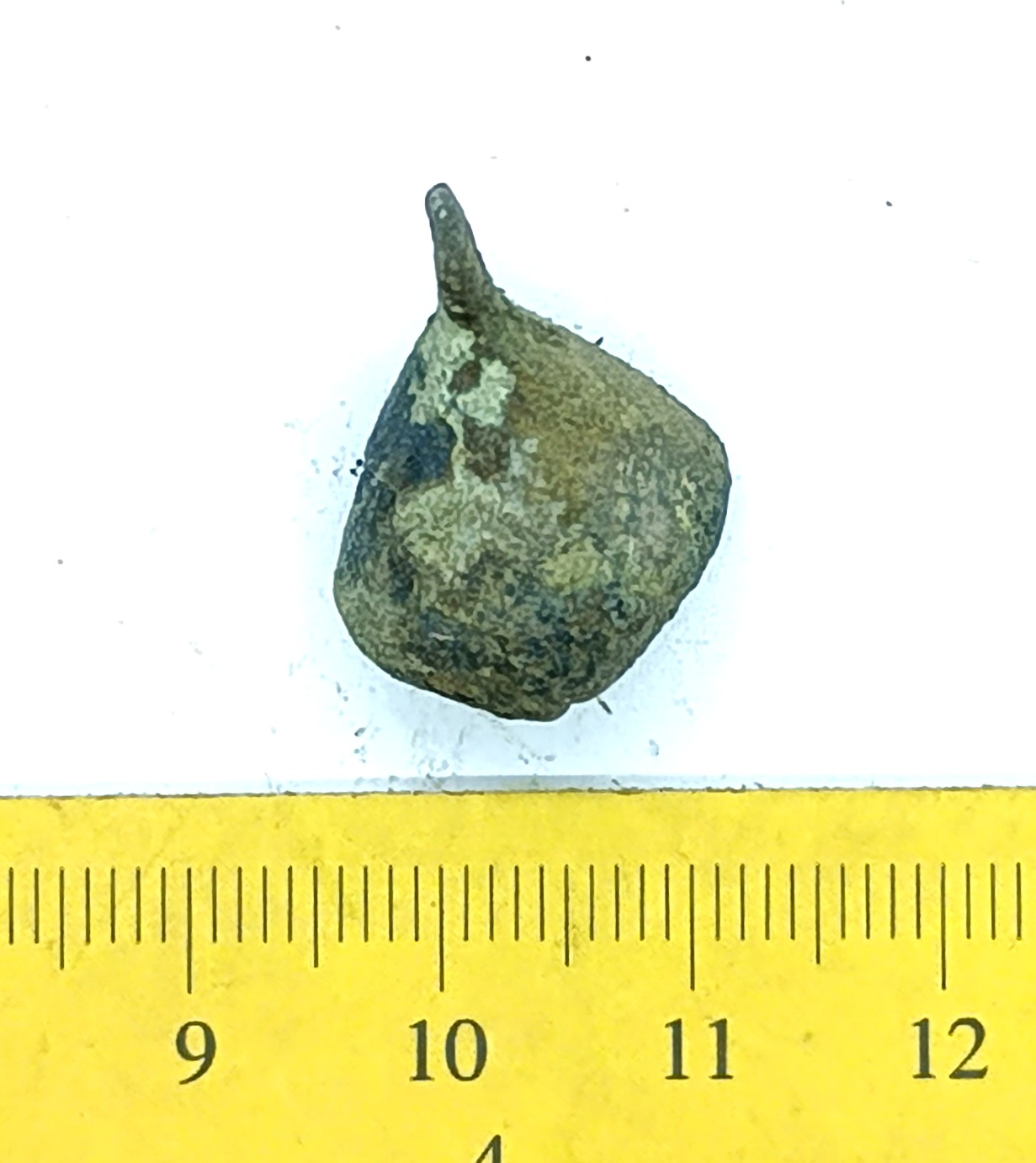
Pear-shaped bell with four grooved leaves, copper alloy.
Century:
10-12
Discovery code:
AI 3884: 2843
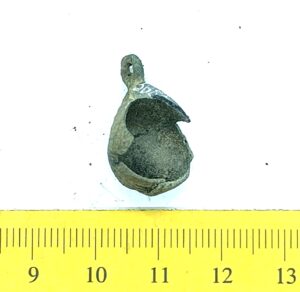 Pear-shaped bell with four grooved leaves, copper alloy. Similar bells have often been found in stone graves with cremations, but also, for example, from Siksäla graveyard (Mägi 2002, Pl. 33: 7; Valk et al. 2012, 24, 45-46, 31). The bell belongs to Rainio group 3a or 3b (Rainio 2010, 28).
Literature:
Mägi, M. 2002. At the Crossroads of Space and Time. Graves, Changing Society and Ideology on Saaremaa (Ösel), 9th–13th Centuries AD. (CCC Papers, 6.) Tallinn.
Spirģis, R. 2008. Bruņrupuču saktas ar krūšu važiņrotām un lībiešu kultūras attīstība Daugavs lejtecē 10.-13. gadsimtā. Rīga: Latvijas Vēstures Institūta Apgāds.
Rainio, R. 2010. Suomen rautakautiset kulkuset, kellot ja kelloriipuksed. Äänismaisenman arkeologiaa. Väitöskirja. Helsinkin yliopisto, Helsinki.
Valk, H., Ratas, J. & Laul, S. 2014. Sikslälä kalme II. Matuste ja leidude kataloog. Tartu Ülikool, Tartu.
Century:
10-12
Discovery code:
AI 3884: 2843
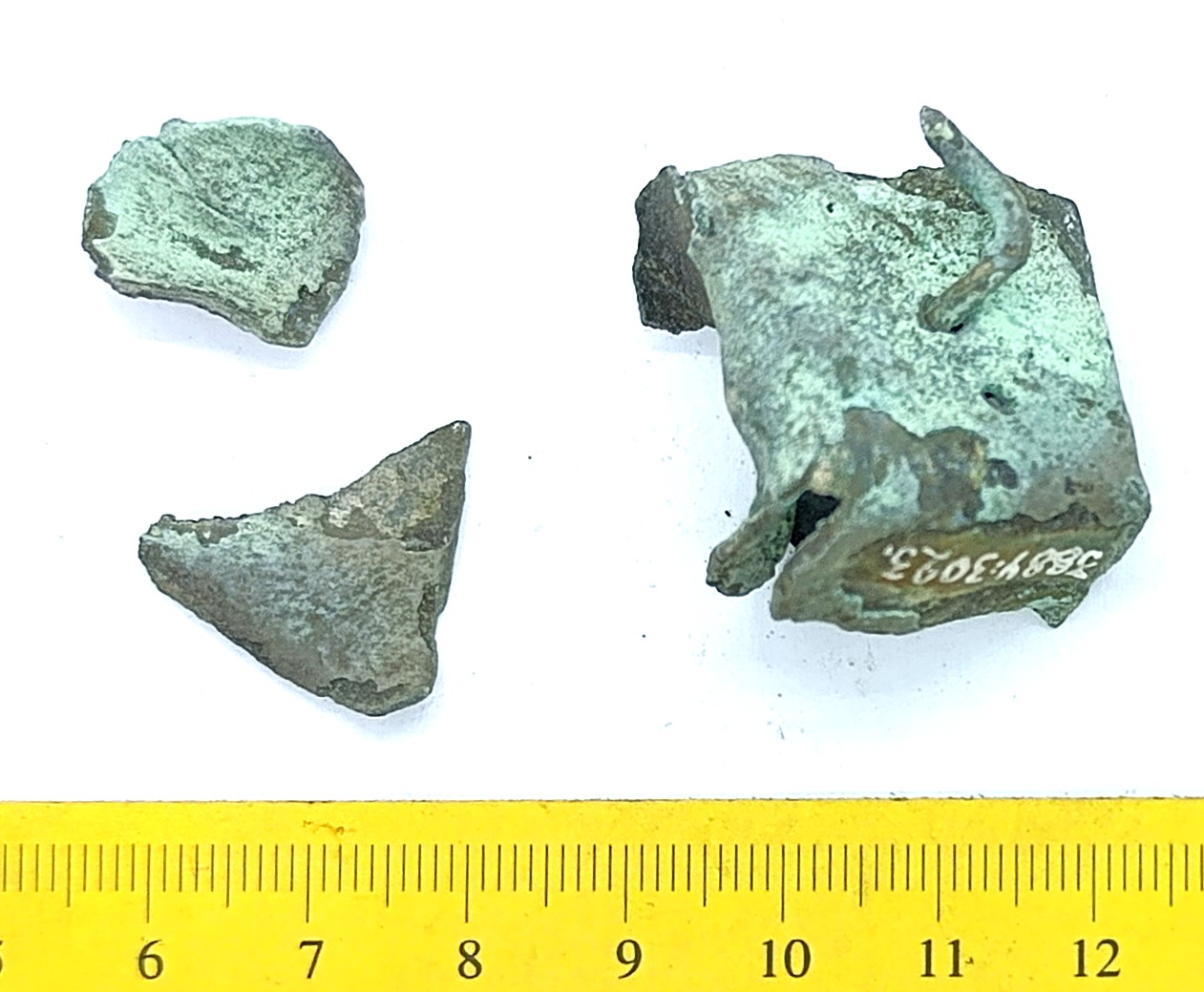
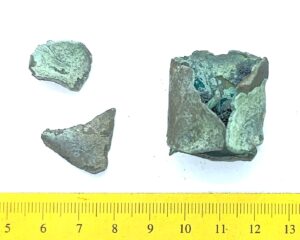 Bridle bells, copper alloy. These bells were attached to bridles. In Estonia they have been found from stone graves with cremation burials, where they can also date to the early 13th century.
Literature:
Mägi, M. 2002. At the Crossroads of Space and Time. Graves, Changing Society and Ideology on Saaremaa (Ösel), 9th–13th Centuries AD. (CCC Papers, 6.) Tallinn.
Century:
11-12
Discovery code:
AI 3884: 3023
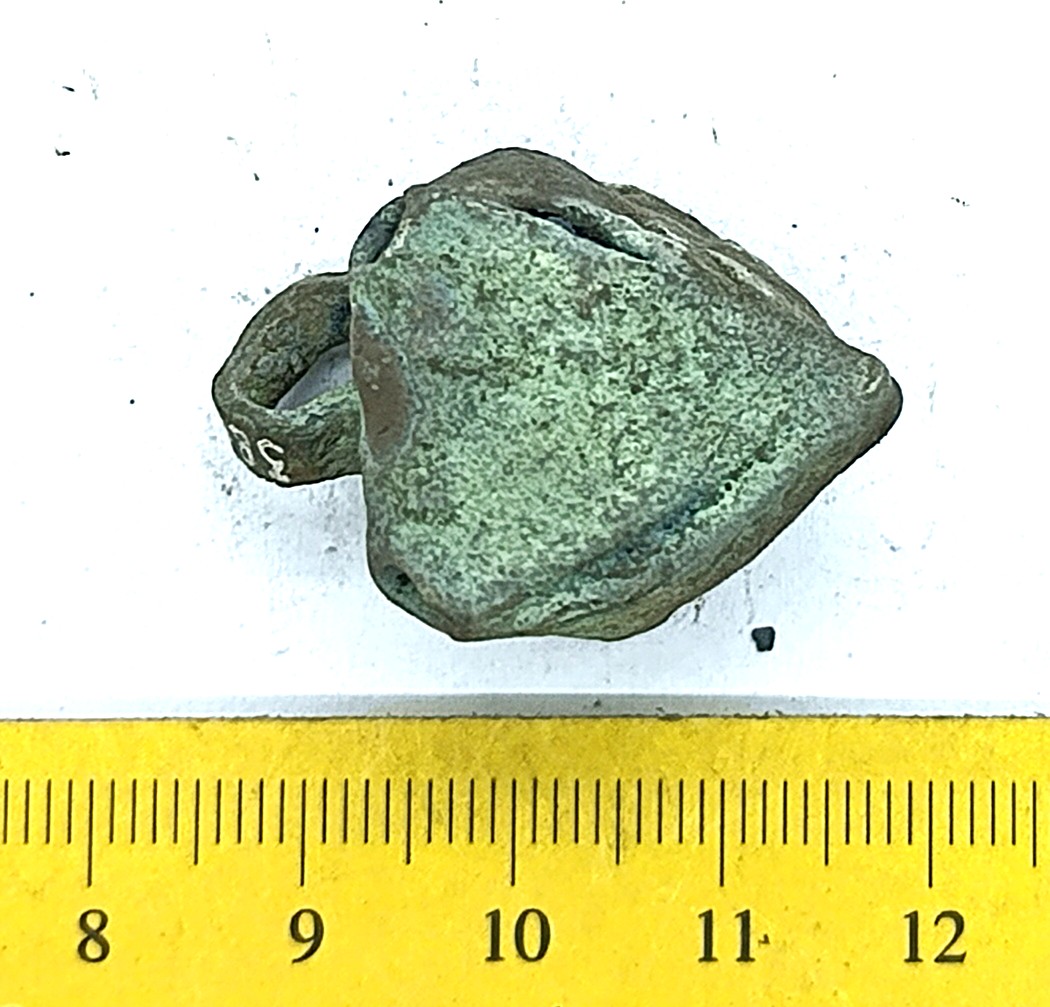
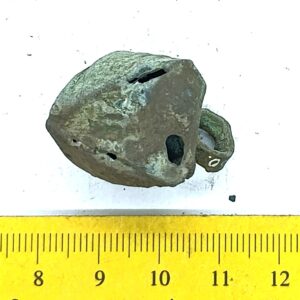
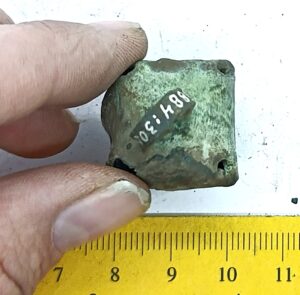 Bridle bells, copper alloy. These bells were attached to bridles. In Estonia they have been found from stone graves with cremation burials, where they can also date to the early 13th century.
Literature:
Mägi, M. 2002. At the Crossroads of Space and Time. Graves, Changing Society and Ideology on Saaremaa (Ösel), 9th–13th Centuries AD. (CCC Papers, 6.) Tallinn.
Century:
11-12
Discovery code:
AI 3884: 3060
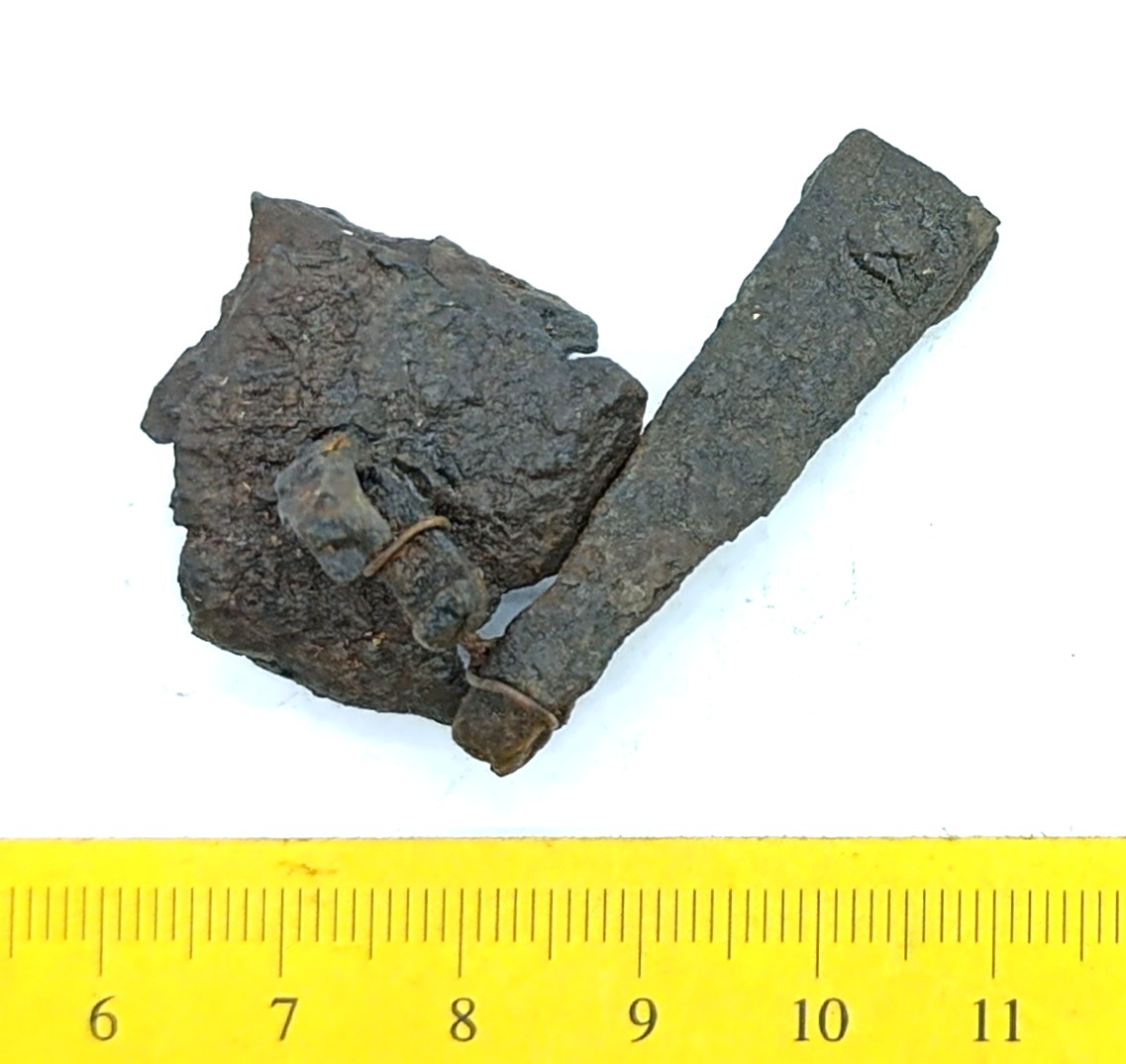
 Bridle bells, iron. These iron bells were attached to bridles. In Estonia they have been found from stone graves with cremation burials, where they can also date to the early 13th century.
Literature:
Mägi, M. 2002. At the Crossroads of Space and Time. Graves, Changing Society and Ideology on Saaremaa (Ösel), 9th–13th Centuries AD. (CCC Papers, 6.) Tallinn.
Century:
11-12
Discovery code:
AI 3884: 3414
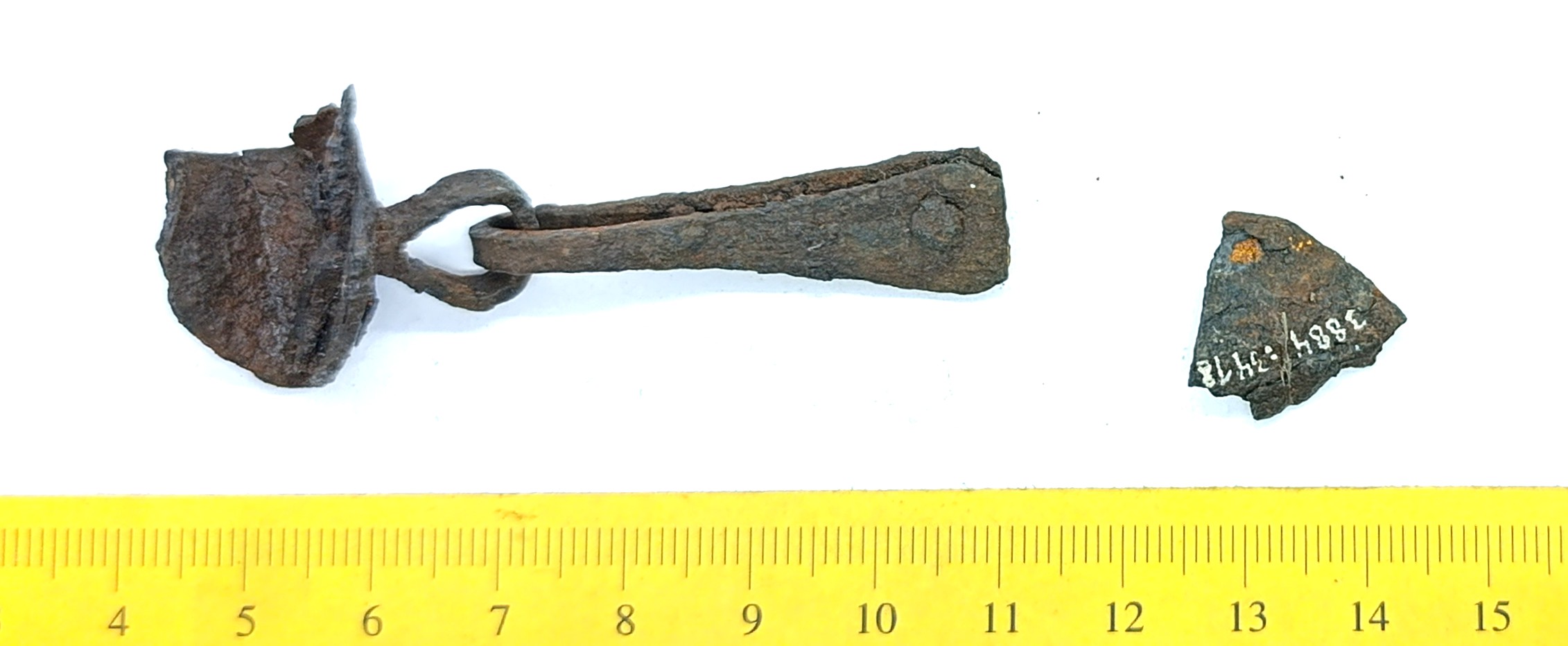
 Bridle bells, iron. These iron bells were attached to bridles. In Estonia they have been found from stone graves with cremation burials, where they can also date to the early 13th century.
Literature:
Mägi, M. 2002. At the Crossroads of Space and Time. Graves, Changing Society and Ideology on Saaremaa (Ösel), 9th–13th Centuries AD. (CCC Papers, 6.) Tallinn.
Century:
11-12
Discovery code:
AI 3884: 3418

Viltina
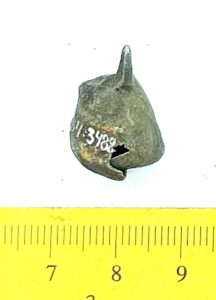
Bell, copper alloy.
Century:
10-13
Discovery code:
AI 3884: 3488
Century:
10-13
Discovery code:
AI 3884: 3488
Viltina
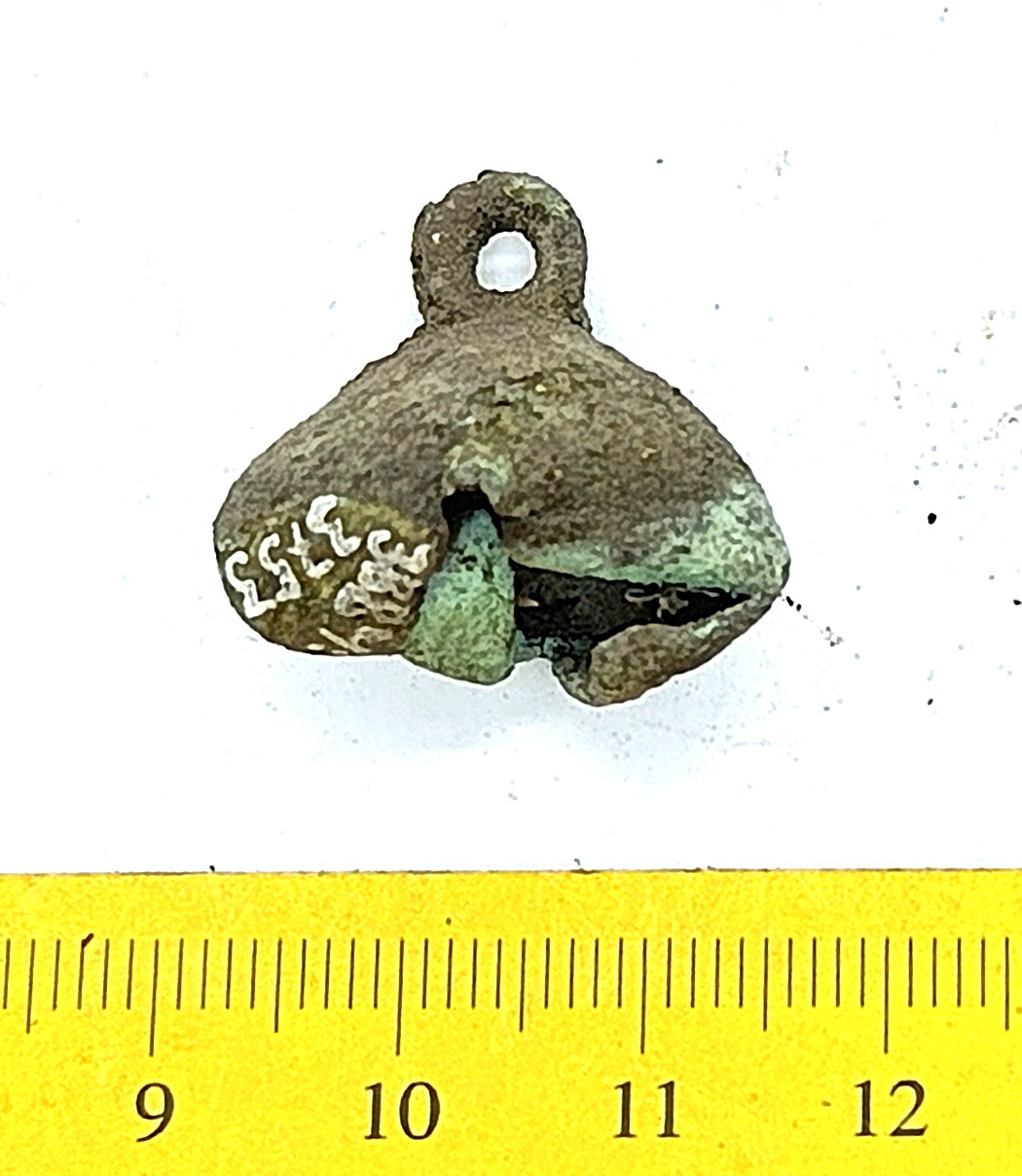
Pear-shaped bell with four grooved leaves, copper alloy.
Century:
10-12
Discovery code:
AI 3884: 3753
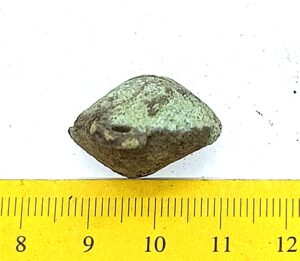 Pear-shaped bell with four grooved leaves, copper alloy. Similar bells have often been found in stone graves with cremations, but also, for example, from Siksäla graveyard (Mägi 2002, Pl. 33: 7; Valk et al. 2012, 24, 45-46, 31). The bell belongs to Rainio group 3a or 3b (Rainio 2010, 28).
Literature:
Mägi, M. 2002. At the Crossroads of Space and Time. Graves, Changing Society and Ideology on Saaremaa (Ösel), 9th–13th Centuries AD. (CCC Papers, 6.) Tallinn.
Spirģis, R. 2008. Bruņrupuču saktas ar krūšu važiņrotām un lībiešu kultūras attīstība Daugavs lejtecē 10.-13. gadsimtā. Rīga: Latvijas Vēstures Institūta Apgāds.
Rainio, R. 2010. Suomen rautakautiset kulkuset, kellot ja kelloriipuksed. Äänismaisenman arkeologiaa. Väitöskirja. Helsinkin yliopisto, Helsinki.
Valk, H., Ratas, J. & Laul, S. 2014. Sikslälä kalme II. Matuste ja leidude kataloog. Tartu Ülikool, Tartu.
Century:
10-12
Discovery code:
AI 3884: 3753
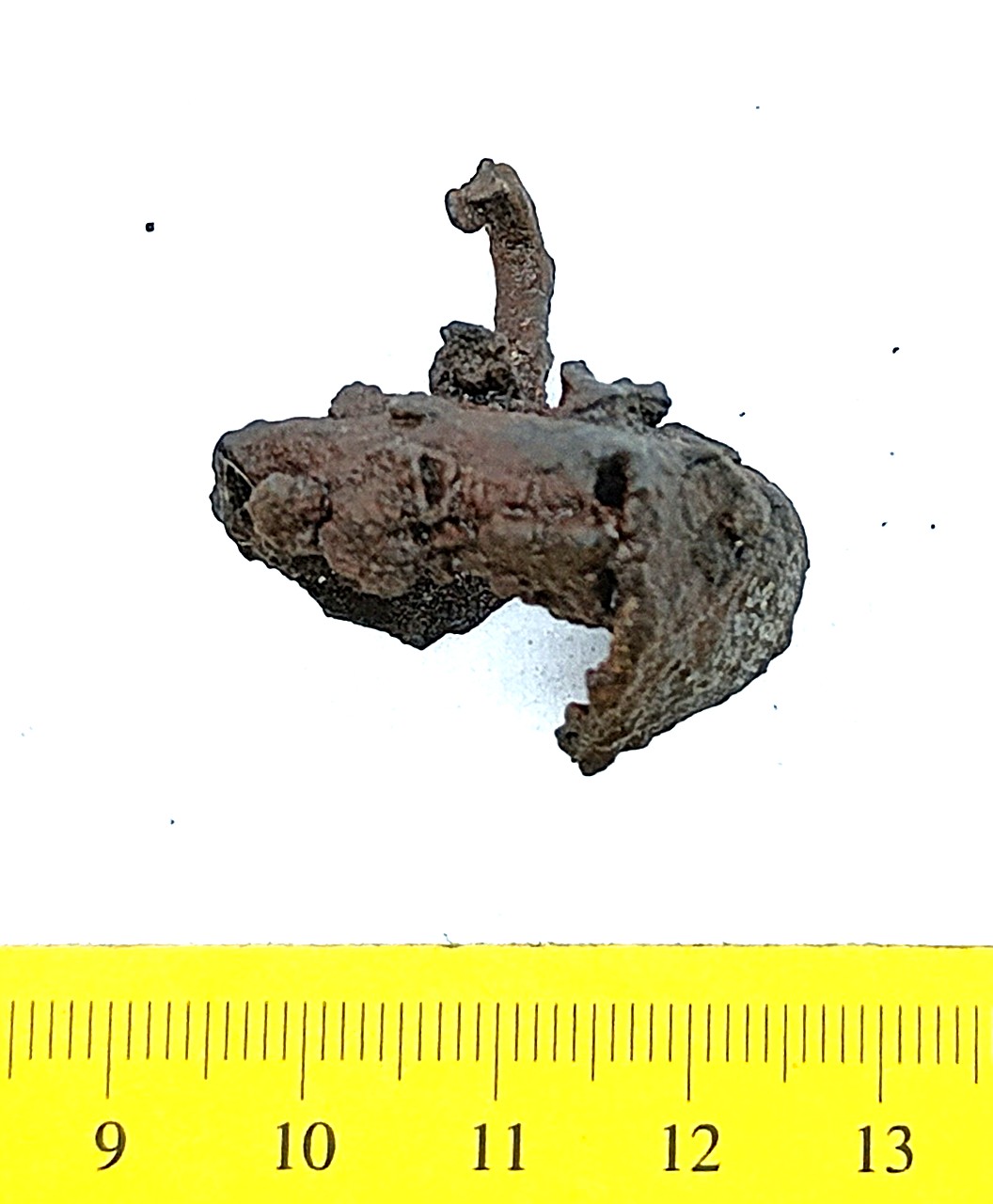
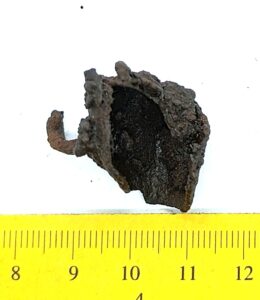 Bridle bells, iron. These iron bells were attached to bridles. In Estonia they have been found from stone graves with cremation burials, where they can also date to the early 13th century.
Literature:
Mägi, M. 2002. At the Crossroads of Space and Time. Graves, Changing Society and Ideology on Saaremaa (Ösel), 9th–13th Centuries AD. (CCC Papers, 6.) Tallinn.
Century:
11-12
Discovery code:
AI 3884: 3826
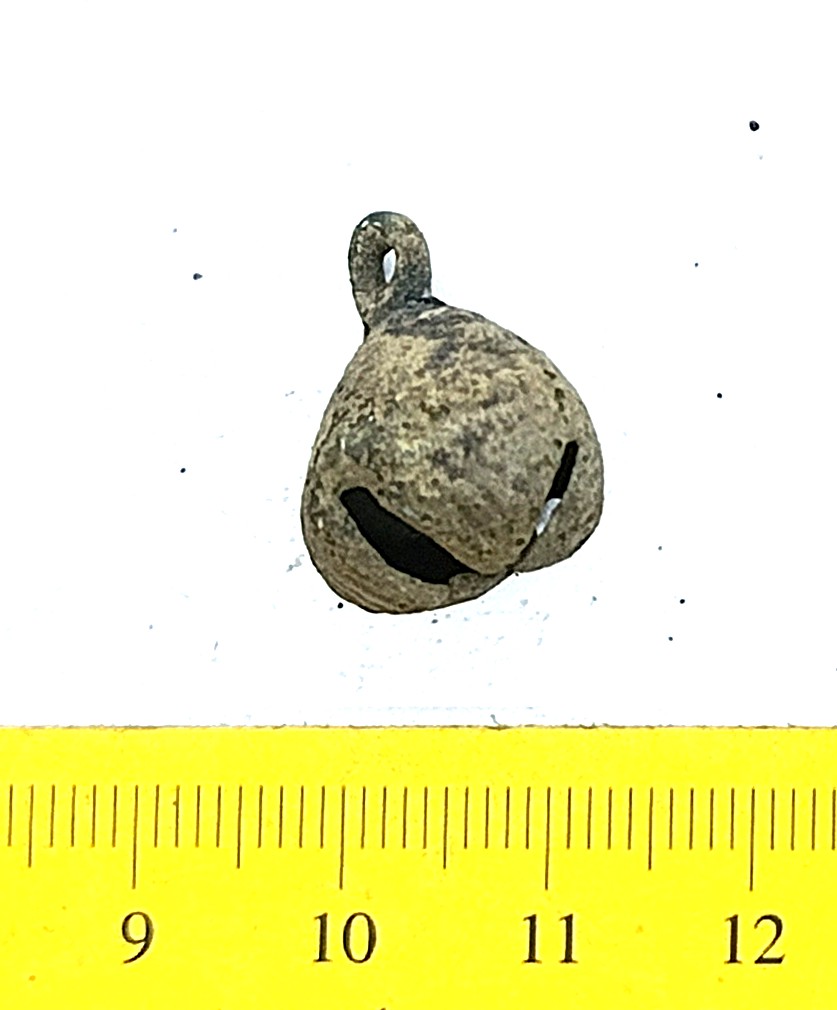
Viltina
Pear-shaped bell with four grooved leaves, copper alloy.
Century:
10-12
Discovery code:
AI 3884: 3843
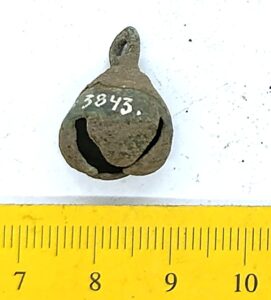
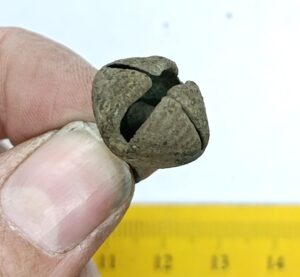 Pear-shaped bell with four grooved leaves, copper alloy. Similar bells have often been found in stone graves with cremations, but also, for example, from Siksäla graveyard (Mägi 2002, Pl. 33: 7; Valk et al. 2012, 24, 45-46, 31). The bell belongs to Rainio group 3a or 3b (Rainio 2010, 28).
Literature:
Mägi, M. 2002. At the Crossroads of Space and Time. Graves, Changing Society and Ideology on Saaremaa (Ösel), 9th–13th Centuries AD. (CCC Papers, 6.) Tallinn.
Spirģis, R. 2008. Bruņrupuču saktas ar krūšu važiņrotām un lībiešu kultūras attīstība Daugavs lejtecē 10.-13. gadsimtā. Rīga: Latvijas Vēstures Institūta Apgāds.
Rainio, R. 2010. Suomen rautakautiset kulkuset, kellot ja kelloriipuksed. Äänismaisenman arkeologiaa. Väitöskirja. Helsinkin yliopisto, Helsinki.
Valk, H., Ratas, J. & Laul, S. 2014. Sikslälä kalme II. Matuste ja leidude kataloog. Tartu Ülikool, Tartu.
Century:
10-12
Discovery code:
AI 3884: 3843

