
Database
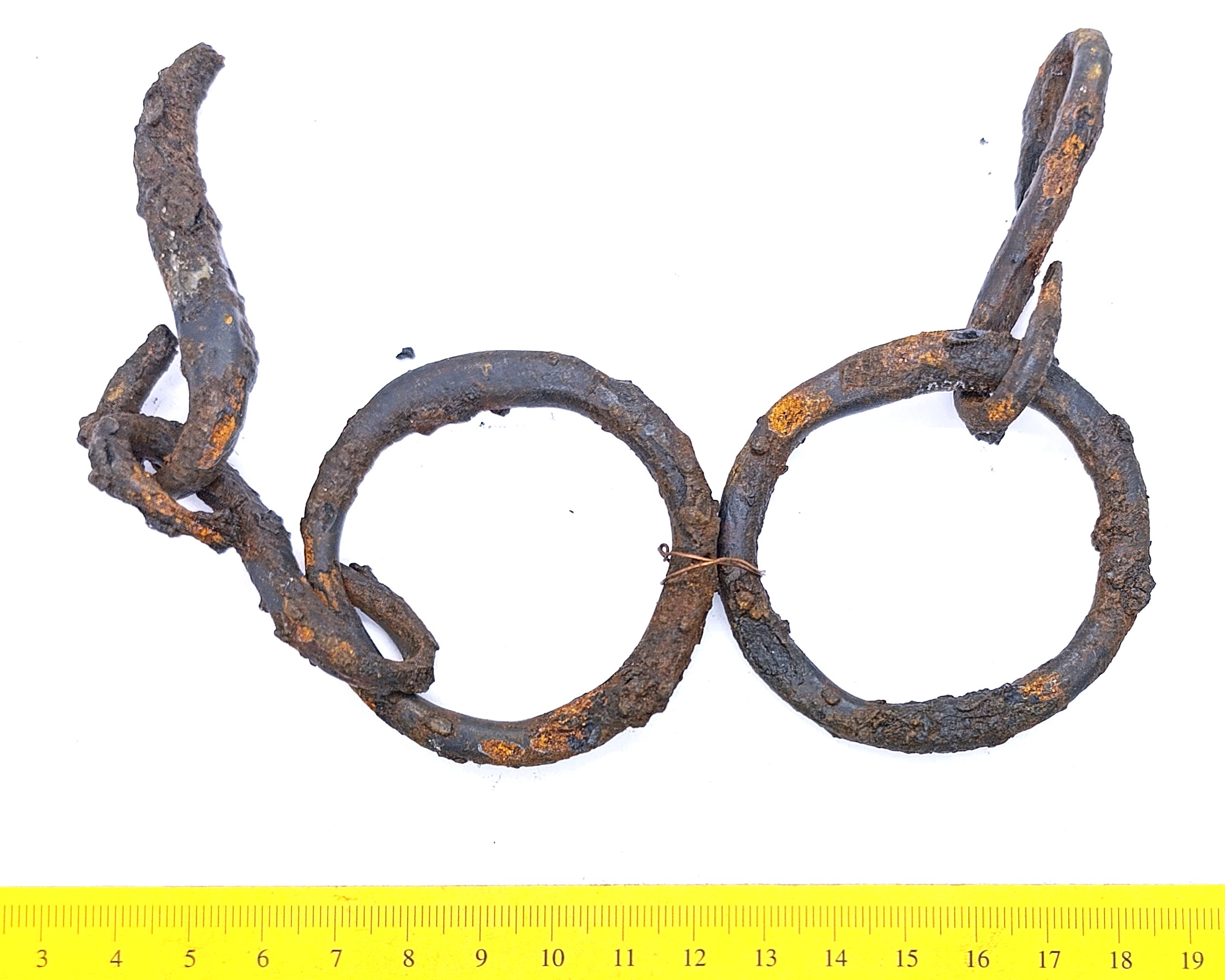
 Horse bits, iron. In the late prehistoric period, horse bits with two and three links were widely used in Estonia. Because they are difficult to date more precisely, they are usually dated between the 11th and 13th centuries. (Mandel 2017, 75).
Mandel, M. 2017. Maidla muinaskalmistu saladused. Eesti Ajaloomuuseum, Tallinn.

 Horse bits, iron. In the late prehistoric period, horse bits with two and three links were widely used in Estonia. Because they are difficult to date more precisely, they are usually dated between the 11th and 13th centuries. (Mandel 2017, 75).
Mandel, M. 2017. Maidla muinaskalmistu saladused. Eesti Ajaloomuuseum, Tallinn.
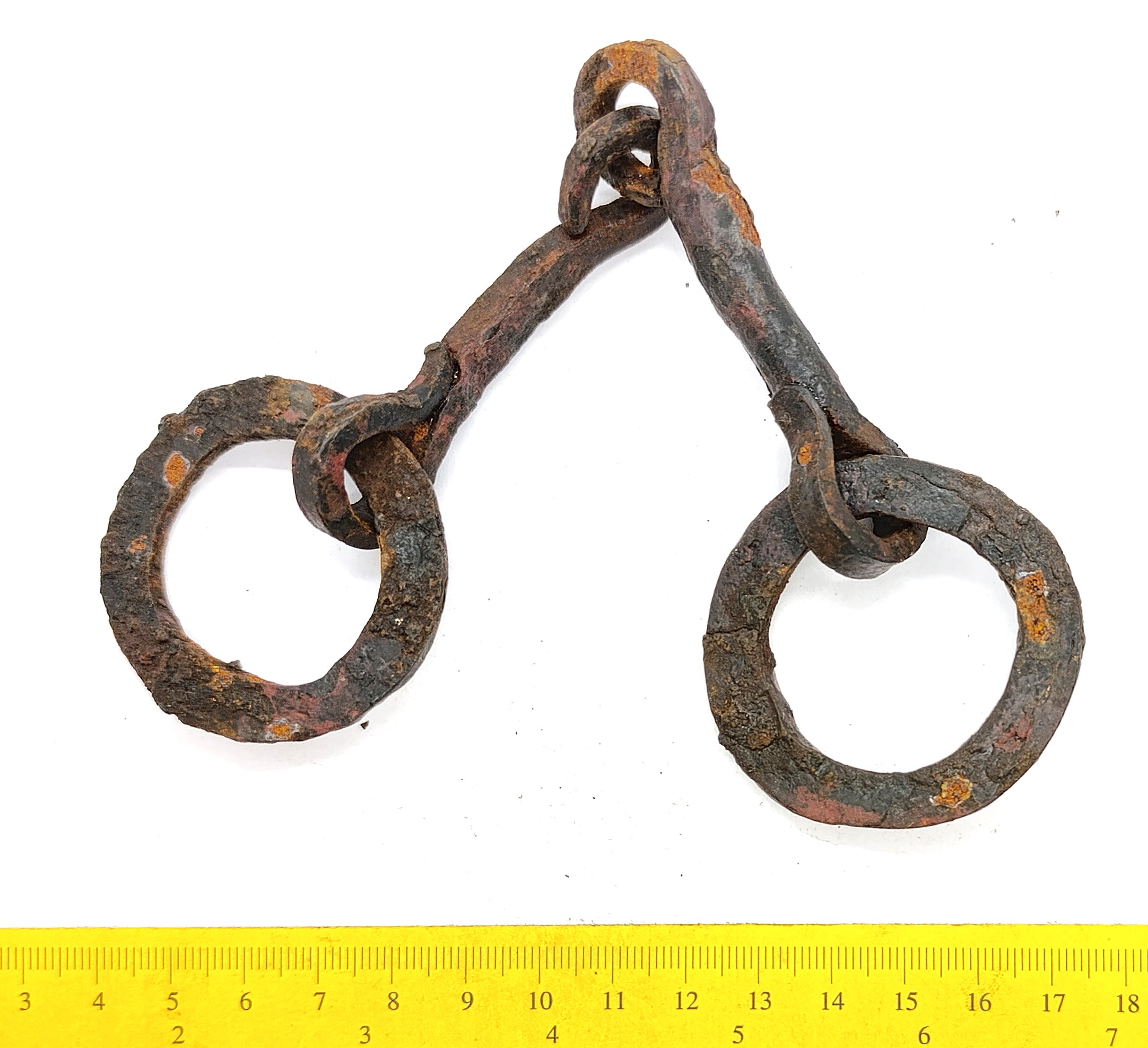
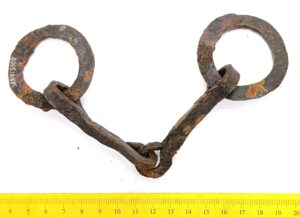 Horse bits, iron. In the late prehistoric period, horse bits with two and three links were widely used in Estonia. Because they are difficult to date more precisely, they are usually dated between the 11th and 13th centuries. (Mandel 2017, 75).
Mandel, M. 2017. Maidla muinaskalmistu saladused. Eesti Ajaloomuuseum, Tallinn.
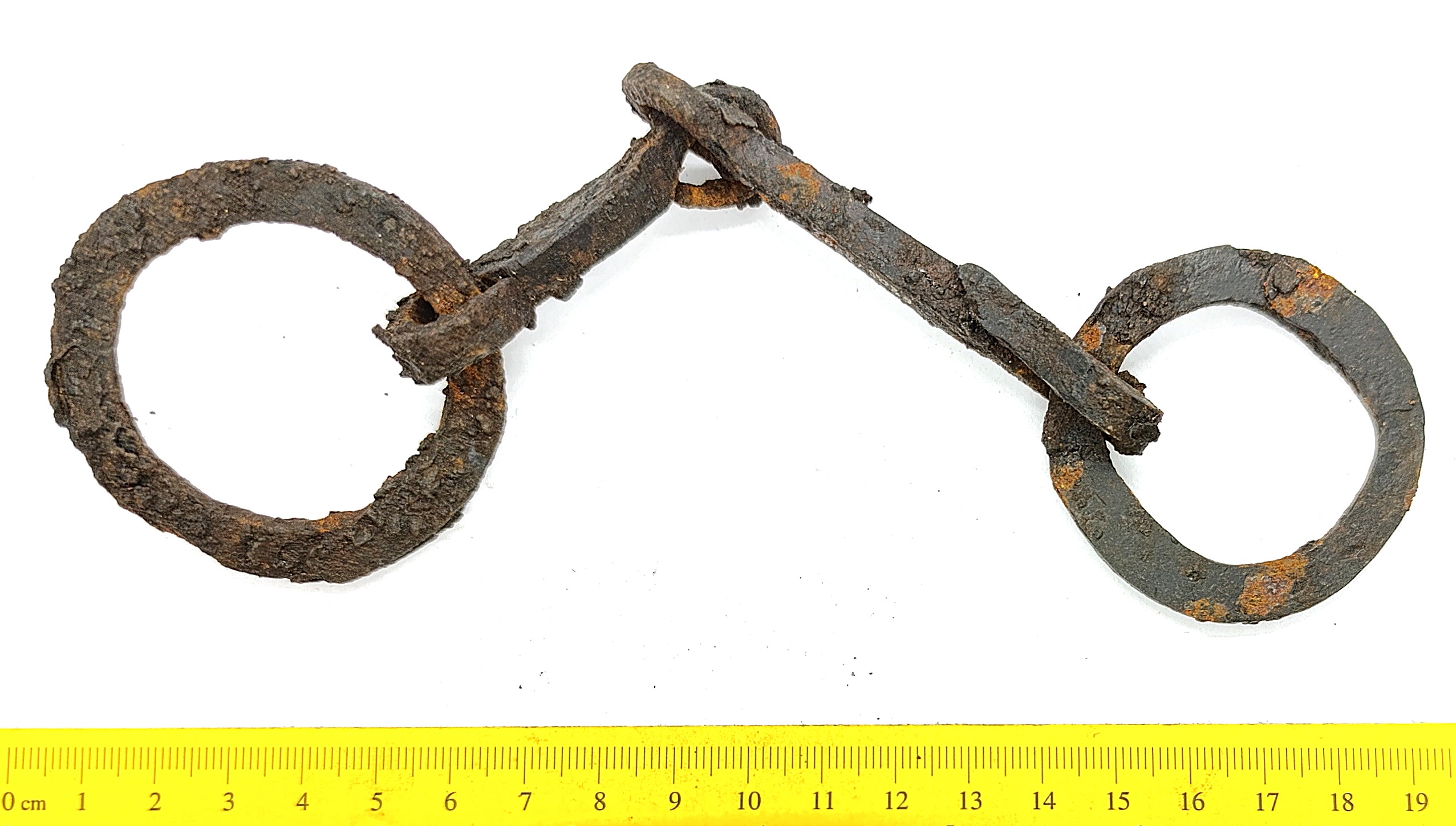
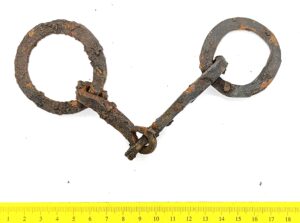 Horse bits, iron. In the late prehistoric period, horse bits with two and three links were widely used in Estonia. Because they are difficult to date more precisely, they are usually dated between the 11th and 13th centuries. (Mandel 2017, 75).
Mandel, M. 2017. Maidla muinaskalmistu saladused. Eesti Ajaloomuuseum, Tallinn.
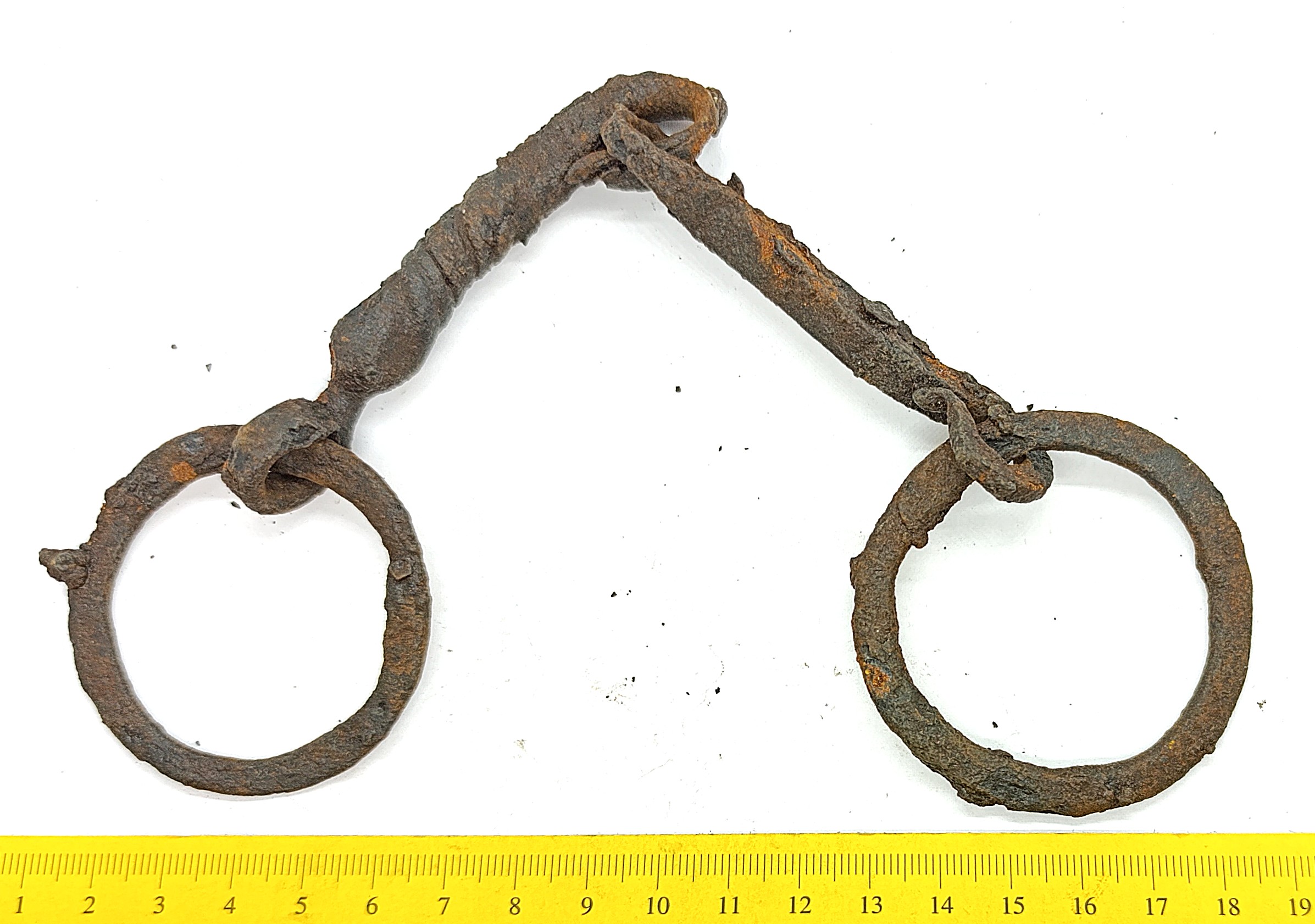
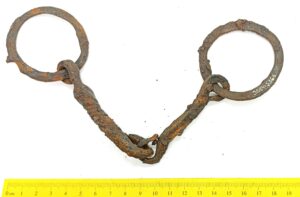 Horse bits, iron. In the late prehistoric period, horse bits with two and three links were widely used in Estonia. Because they are difficult to date more precisely, they are usually dated between the 11th and 13th centuries. (Mandel 2017, 75).
Mandel, M. 2017. Maidla muinaskalmistu saladused. Eesti Ajaloomuuseum, Tallinn.
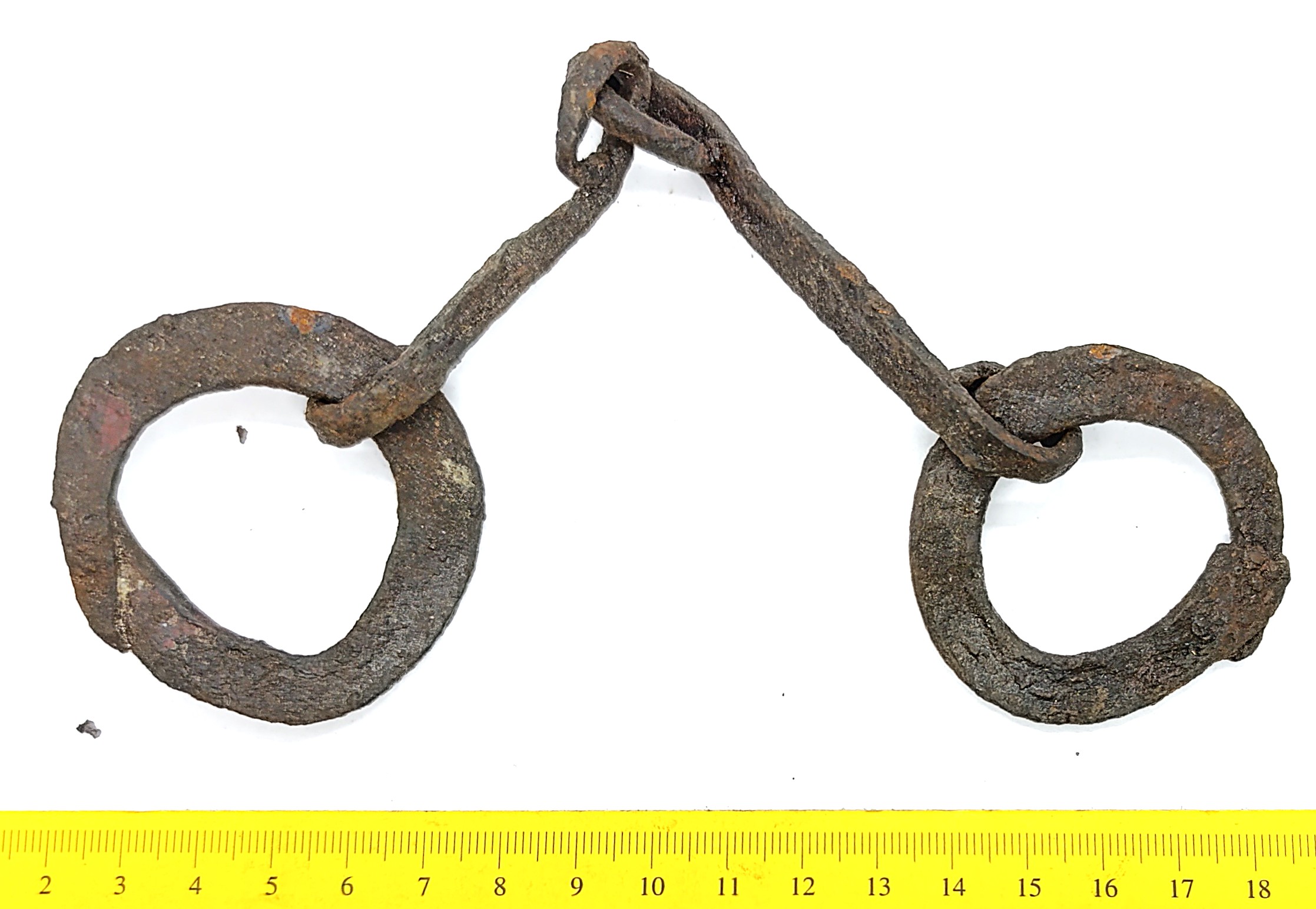
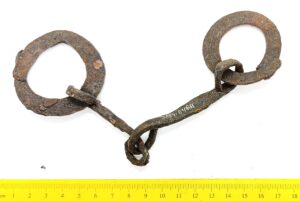 Horse bits, iron. In the late prehistoric period, horse bits with two and three links were widely used in Estonia. Because they are difficult to date more precisely, they are usually dated between the 11th and 13th centuries. (Mandel 2017, 75).
Mandel, M. 2017. Maidla muinaskalmistu saladused. Eesti Ajaloomuuseum, Tallinn.
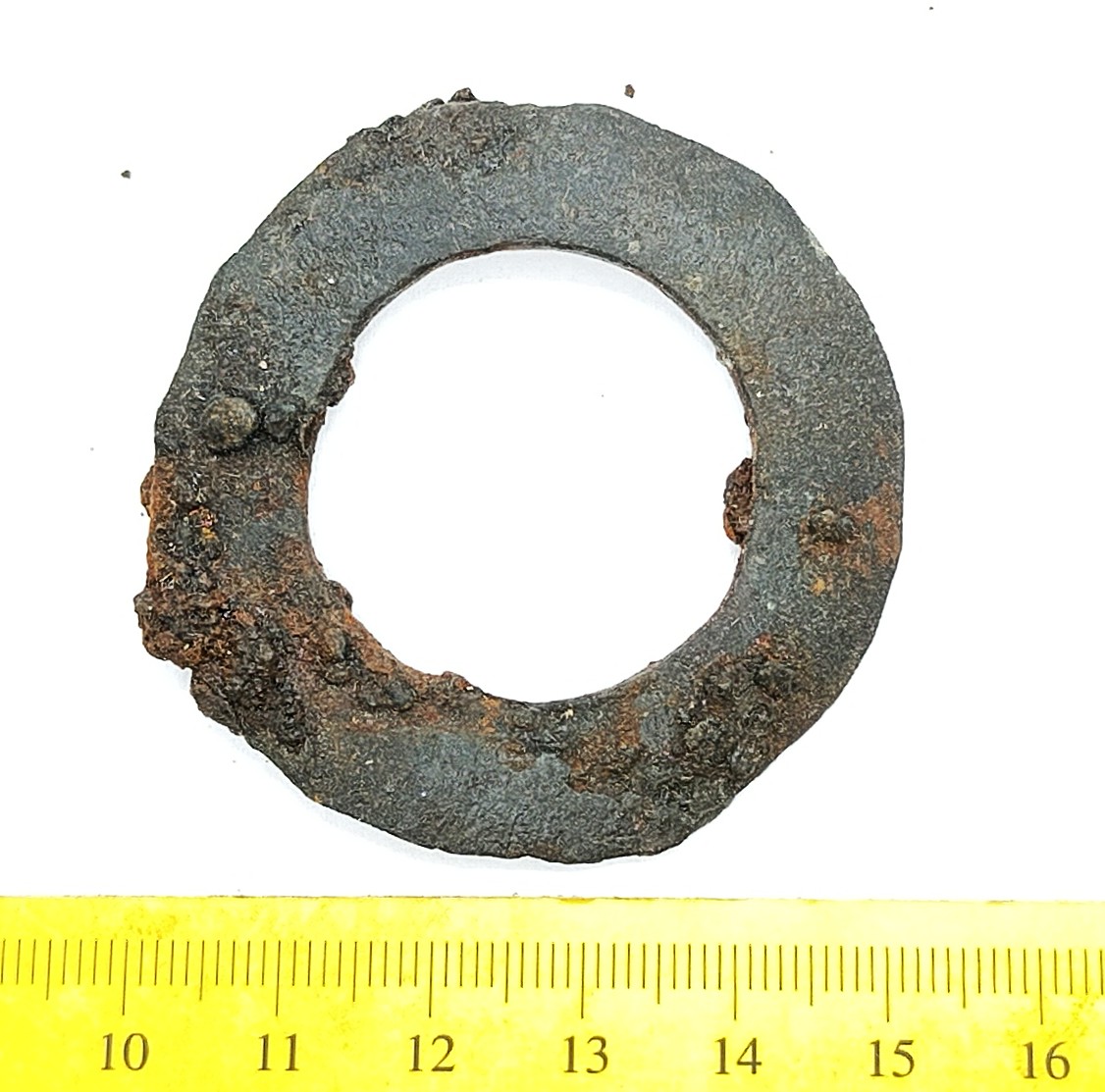
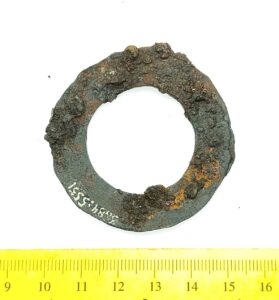 Horse bits, iron. In the late prehistoric period, horse bits with two and three links were widely used in Estonia. Because they are difficult to date more precisely, they are usually dated between the 11th and 13th centuries. (Mandel 2017, 75).
Mandel, M. 2017. Maidla muinaskalmistu saladused. Eesti Ajaloomuuseum, Tallinn.
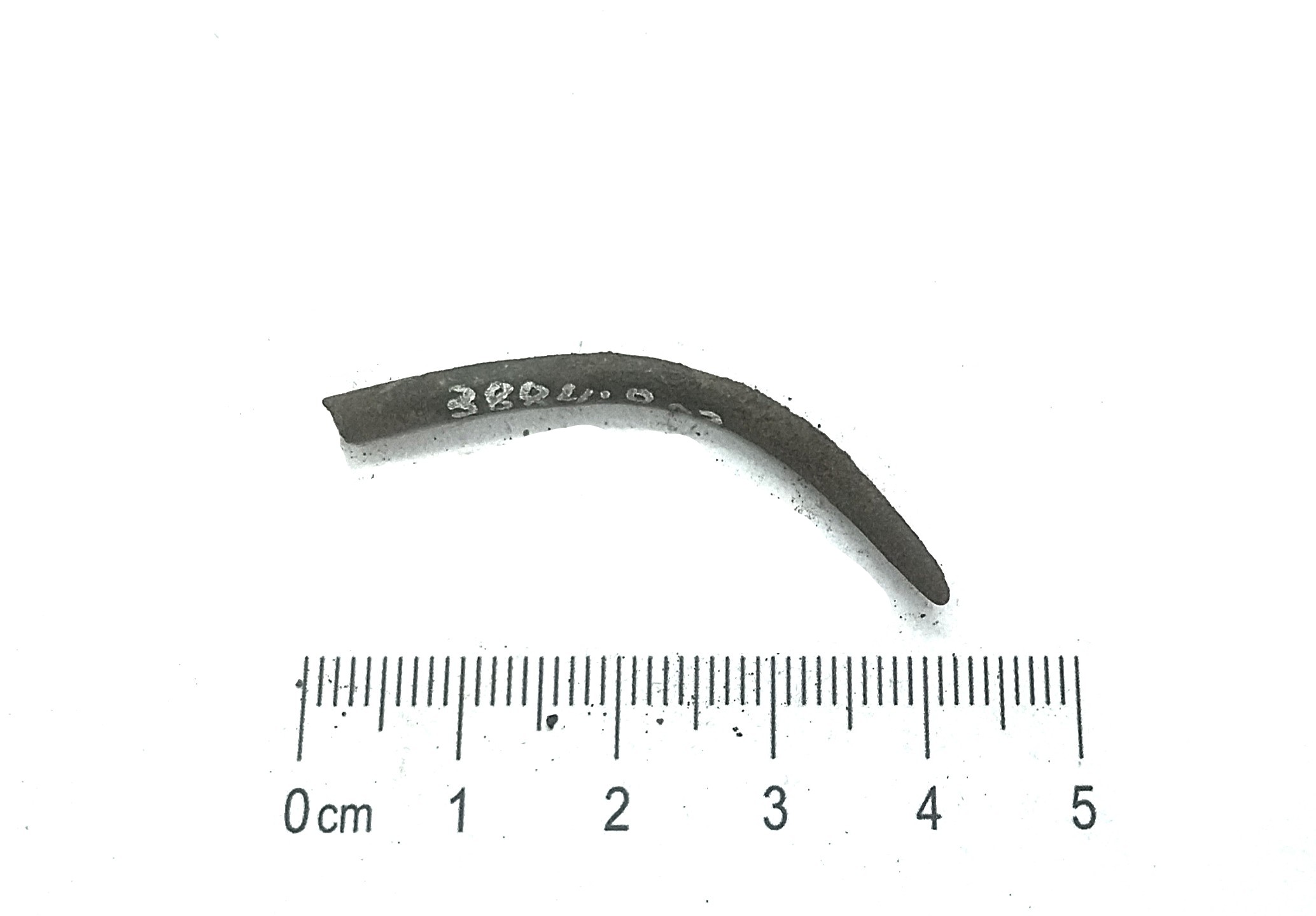
Viltina
Pin shaft? Copper alloy.
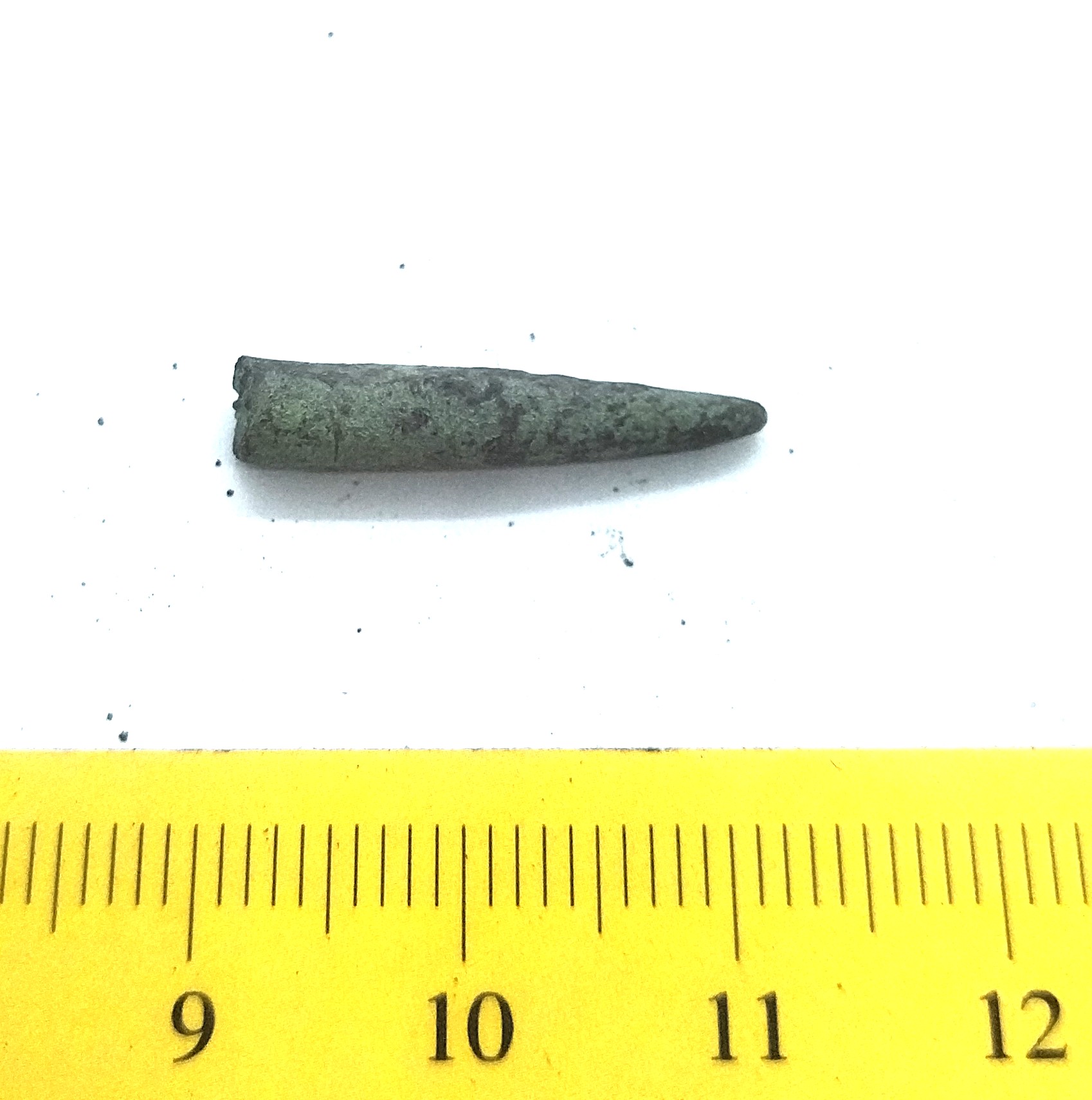
Viltina
Pin shaft? Copper alloy.

