
Database
Viltina
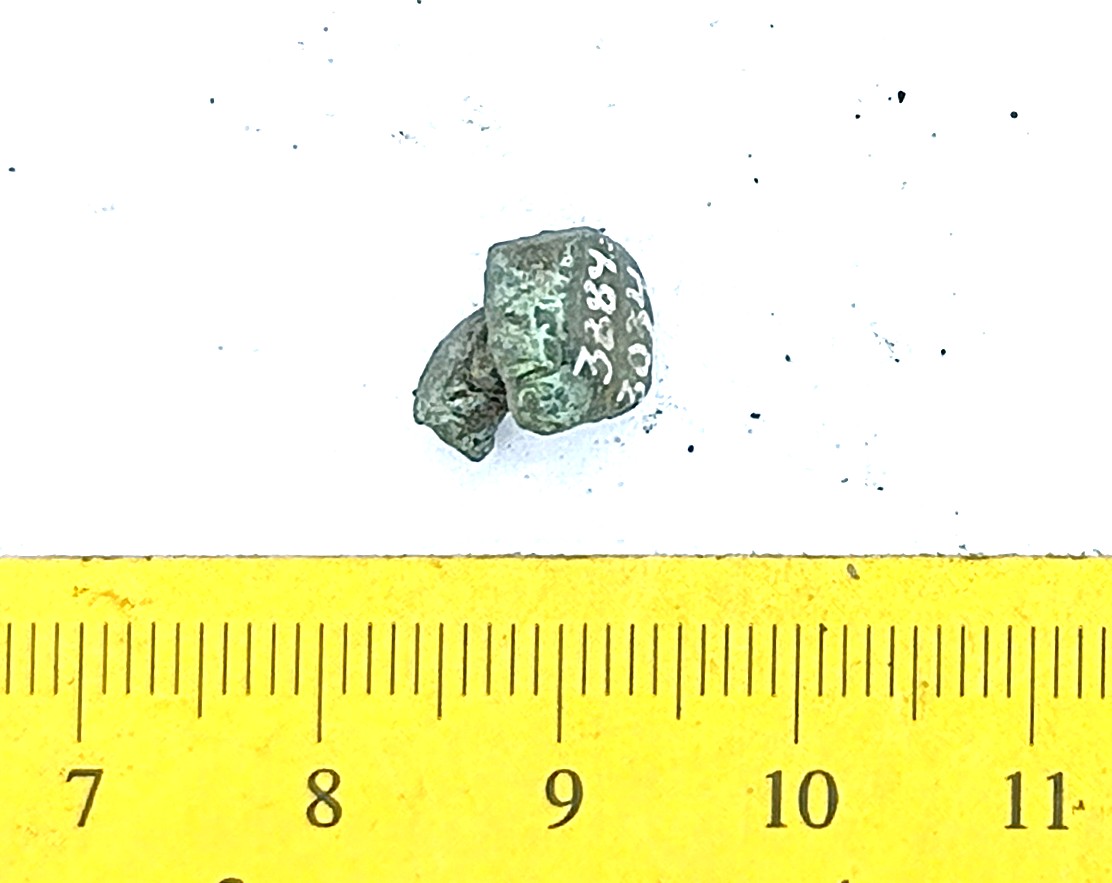
Terminal of a penannular brooch with knob-shaped terminals, copper alloy.
Century:
12-13
Discovery code:
AI 3884: 3034
Terminal of a penannular brooch with knob-shaped terminals, copper alloy. Such brooches have been found in stone graves with cremations, where they can belong to the late 12th century. They are more widespread in inhumation graves or found as stray-finds. In Siksälä Cemetery, SE-Estonia, such brooches are dated, depending on the shape of the ring and pin, to the 13th-15th centuries (Valk & Laul 2014, 102-103).
Literature:
Valk, H. & Laul, S. 2014. Siksälä kalme I: Muistis ja Ajalugu. Tartu ülikool, Ajaloo ja arheoloogia instituut, Tallinn.
Century:
12-13
Discovery code:
AI 3884: 3034
Viltina
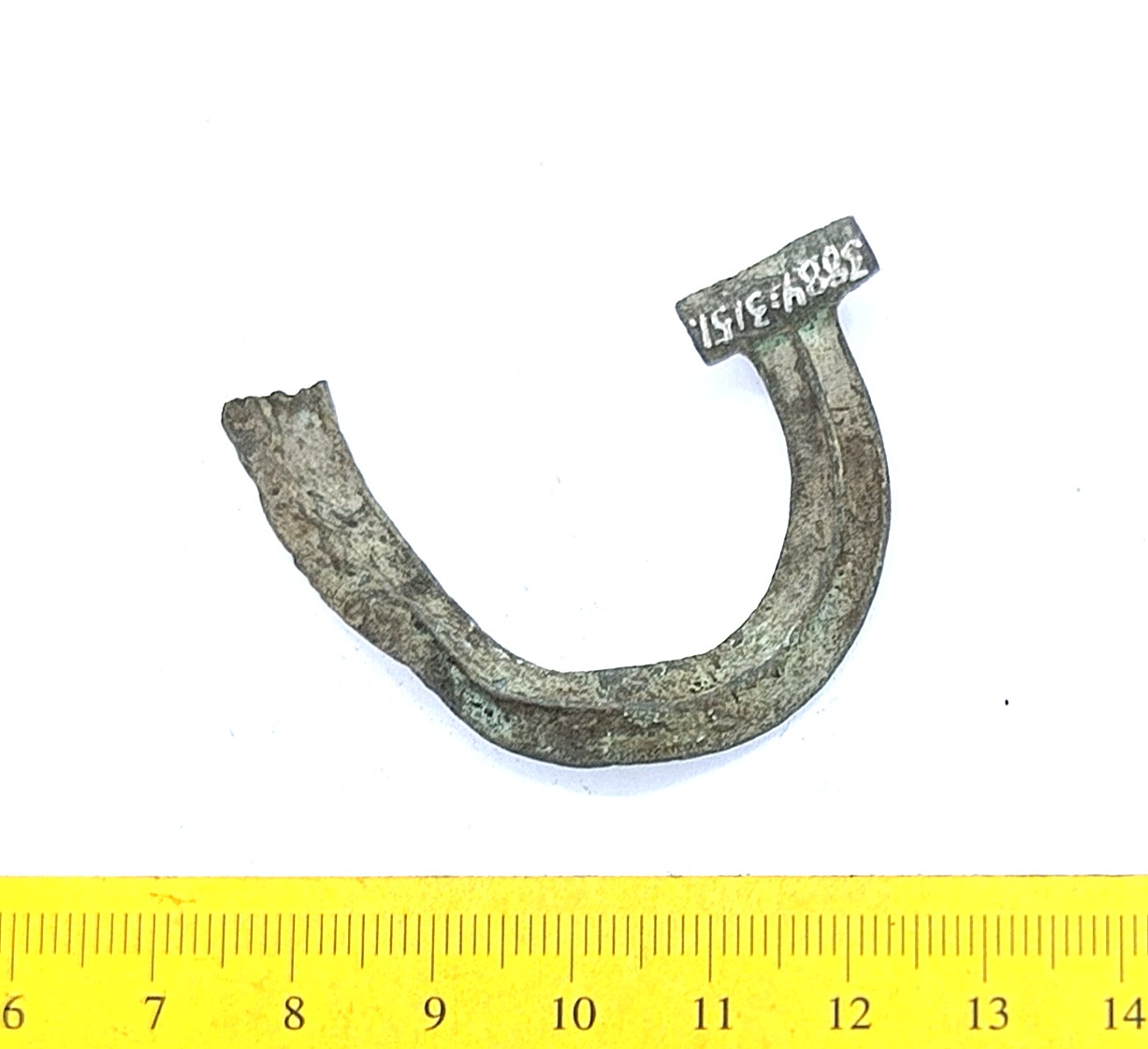
Penannular brooch with long rolled terminals, copper alloy.
Century:
12-13
Discovery code:
AI 3884: 3151
Penannular brooch with long rolled terminals, copper alloy. Flat arch with ridge. Brooches with such arches are in Gotland and Finland dated to the 11th-12th centuries (Carlsson 1988, 75), but in Estonia they occur mainly in hoards dated to the 12th-13th centuries (Tõnisson 1962, 217-219; Pauts 1995, 49).
Literature:
Tõnisson, E. 1962. Eesti aardeleiud. Muistsed kalmed ja aarded. Arheoloogiline kogumik II. Tallinn, 182–274.
Carlsson, A. 1988. Vikingatida ringspännen fran Gotland. (Stockholm Studies in Archaeology 8.)
Pauts, H. 1995. Lääne-Eesti hoburaudsõled (8.-13. sajand). Tartu Ülikool, Filosoofia teaduskond, Arheoloogia õppetool. Diplomitöö, Tallinn.
Century:
12-13
Discovery code:
AI 3884: 3151
Century:
12-13
Discovery code:
AI 3884: 3214
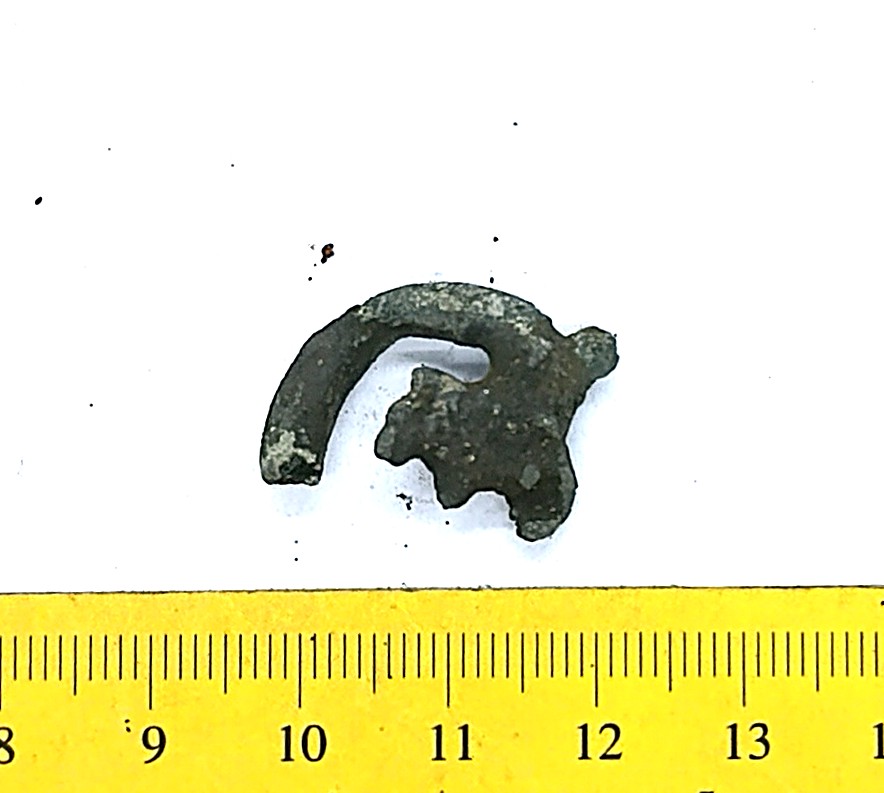
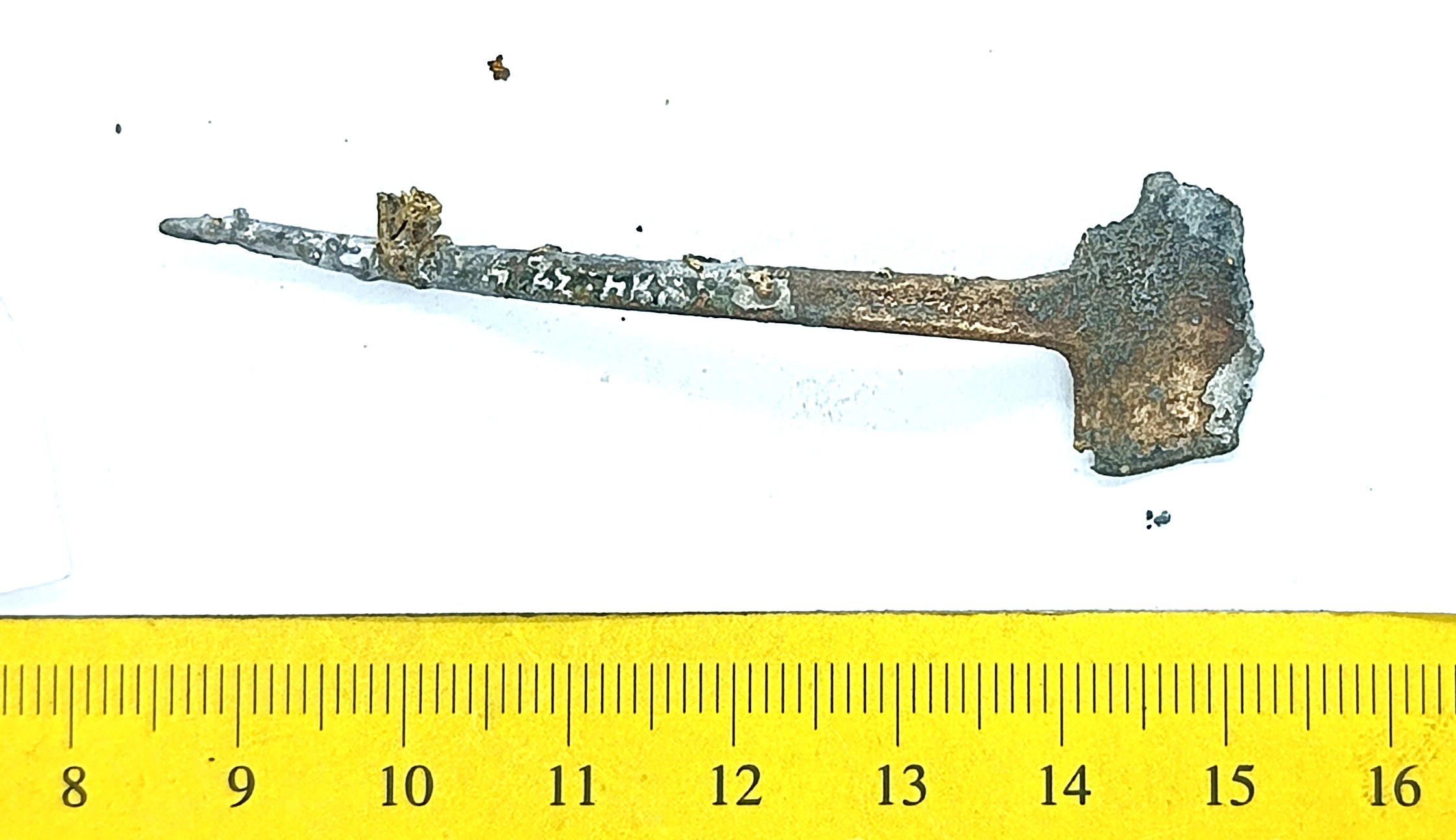
Artefact, copper alloy. Fragment of a penannular brooch with lily-shaped terminals?
Century:
10-13
Discovery code:
AI 3884: 3221
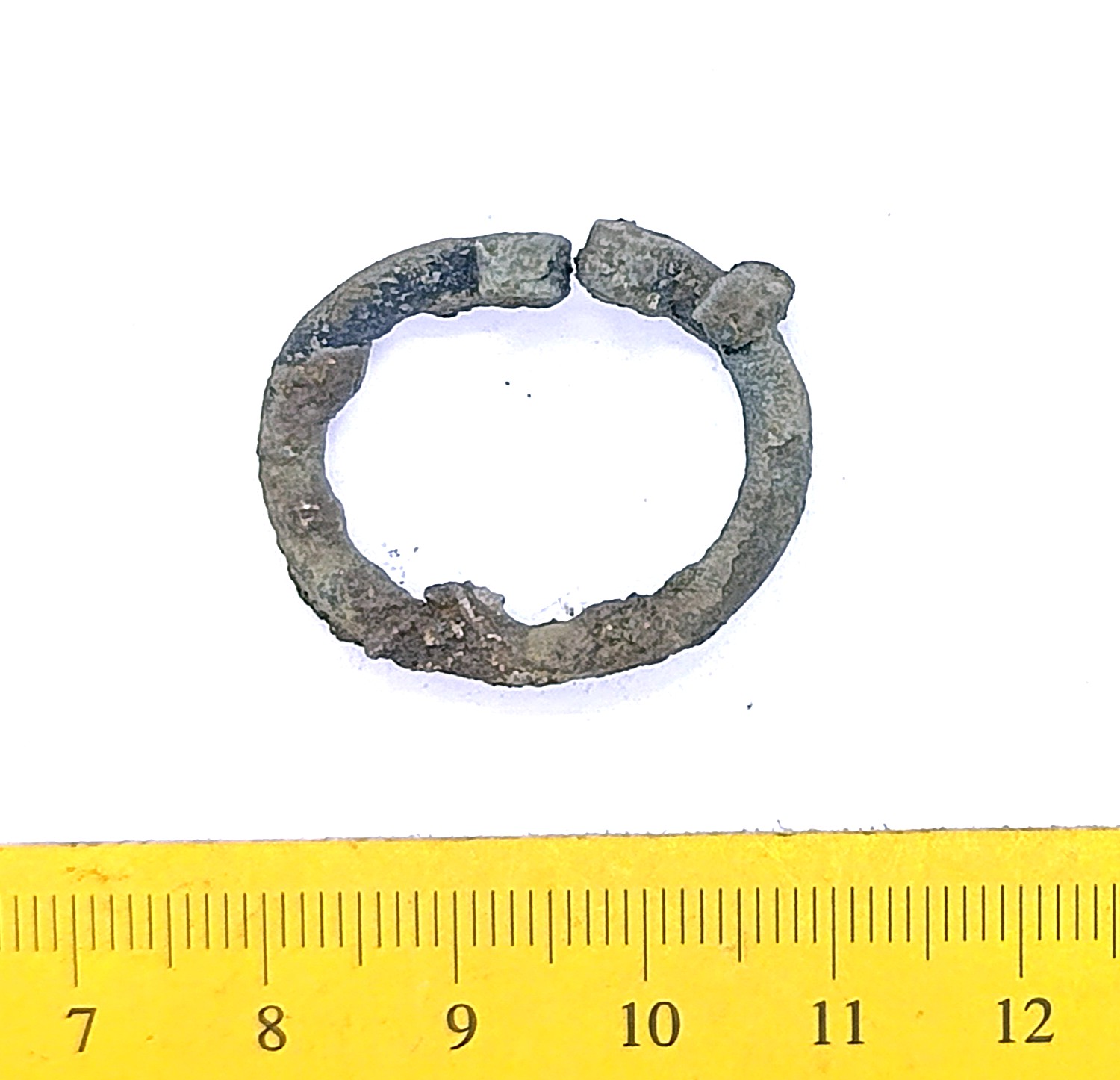
Viltina
Penannular brooch with short, rolled terminals, copper alloy.
Century:
10-13
Discovery code:
AI 3884: 3336
Penannular brooch with short, rolled terminals, copper alloy. This type of penannular brooches were in ethnic Baltic areas used during a longer period, 8th-14th century (Vaska 2017, 26; 2019, 201). The earliest such brooches in Estonia can, according to the present data, dated to the 9th century, but they can also be found as late as in the 13th-century inhumations (Mägi-Lõugas 1994, 473; Mägi 2002, 100).
Literature:
Mägi-Lõugas, M. 1994. Eesti viikingiaegsed hoburaudsôled ja nende ornament. – Teaduste Akadeemia Toimetised, Humanitaar- ja Sotsiaalteadused 1994, 43: 4, 465-484.
Mägi, M. 2002. At the Crossroads of Space and Time. Graves, Changing Society and Ideology on Saaremaa (Ösel), 9th–13th centuries AD. CCC papers: 6. Gotland University College, Centre for Baltic Studies; Institute of History, Department of Archaeology. Tallinn, 2002.
Vaska, B. 2017. Rotas un ornaments Latvijā no 13.gs. līdz 18.gs. vidum. Latvijas Nacionālais vēstures muzejs. Rīga.
Vaska, B. 2019. Rotas un ornaments Latvijā no bronzas laikmeta līdz 13. gadsimtam. Latvijas Nacionālais vēstures muzejs. Rīga.
Century:
10-13
Discovery code:
AI 3884: 3336
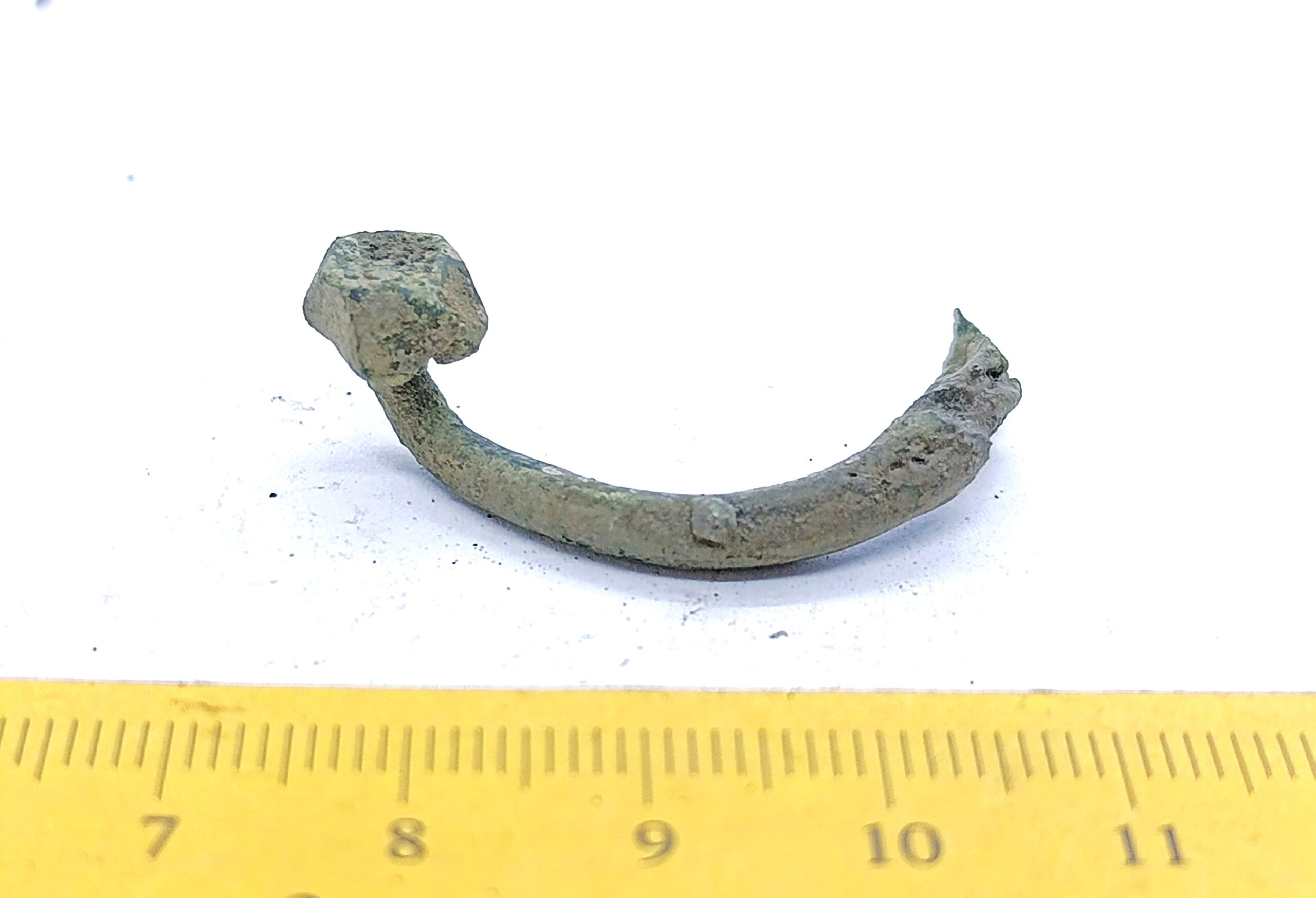
Viltina
Penannular brooch with faceted terminals, copper alloy.
Century:
12-13
Discovery code:
AI 3884: 3497
Penannular brooch with faceted terminals, copper alloy. With a rhomb-shaped cross-section of the ring, the ring decorated with “wolf-teeth” ornament. The pin has a broad base. Such brooches were widespread in Estonian stone graves (see e.g. Pauts 1997, 197; Mägi 2002; Mandel 2017), but also occurred in inhumation graves, and can be dated up to the the mid-13th century. It is also possible that such brooches were taken to use as early as in the end of the 11th century.
Literature:
Mägi, M. 2002. At the Crossroads of Space and Time. Graves, Changing Society and Ideology on Saaremaa (Ösel), 9th–13th Centuries AD. (CCC Papers, 6.) Tallinn.
Mandel, M. 2017. Maidla muinaskalmistu saladused. Eesti Ajaloomuuseum, Tallinn.
Century:
12-13
Discovery code:
AI 3884: 3497
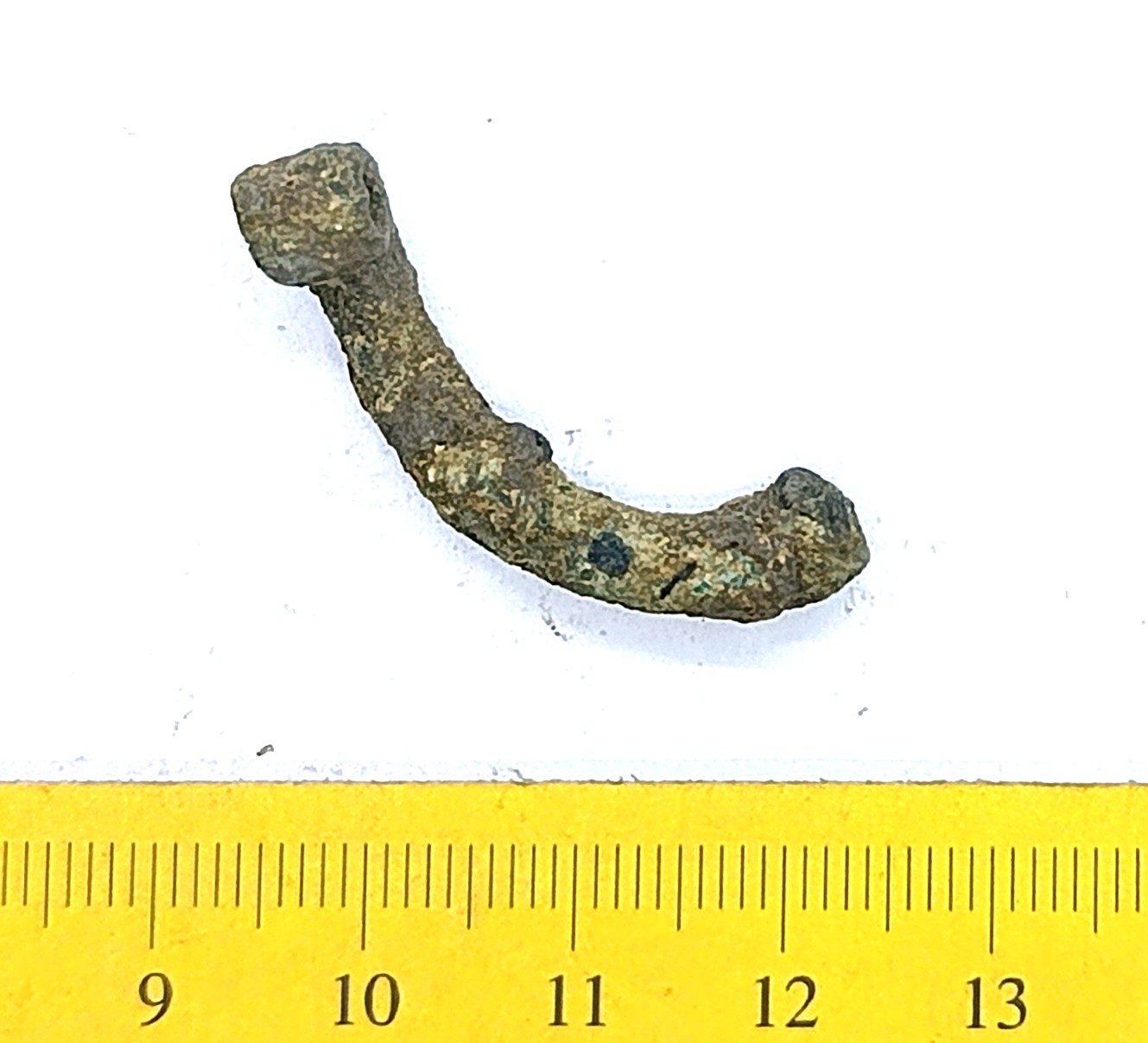
Viltina
Penannular brooch with short, rolled terminals, copper alloy.
Century:
10-13
Discovery code:
AI 3884: 3500
Penannular brooch with short, rolled terminals, copper alloy. This type of penannular brooches were in ethnic Baltic areas used during a longer period, 8th-14th century (Vaska 2017, 26; 2019, 201). The earliest such brooches in Estonia can, according to the present data, dated to the 9th century, but they can also be found as late as in the 13th-century inhumations (Mägi-Lõugas 1994, 473; Mägi 2002, 100).
Literature:
Mägi-Lõugas, M. 1994. Eesti viikingiaegsed hoburaudsôled ja nende ornament. – Teaduste Akadeemia Toimetised, Humanitaar- ja Sotsiaalteadused 1994, 43: 4, 465-484.
Mägi, M. 2002. At the Crossroads of Space and Time. Graves, Changing Society and Ideology on Saaremaa (Ösel), 9th–13th centuries AD. CCC papers: 6. Gotland University College, Centre for Baltic Studies; Institute of History, Department of Archaeology. Tallinn, 2002.
Vaska, B. 2017. Rotas un ornaments Latvijā no 13.gs. līdz 18.gs. vidum. Latvijas Nacionālais vēstures muzejs. Rīga.
Century:
10-13
Discovery code:
AI 3884: 3500
Viltina
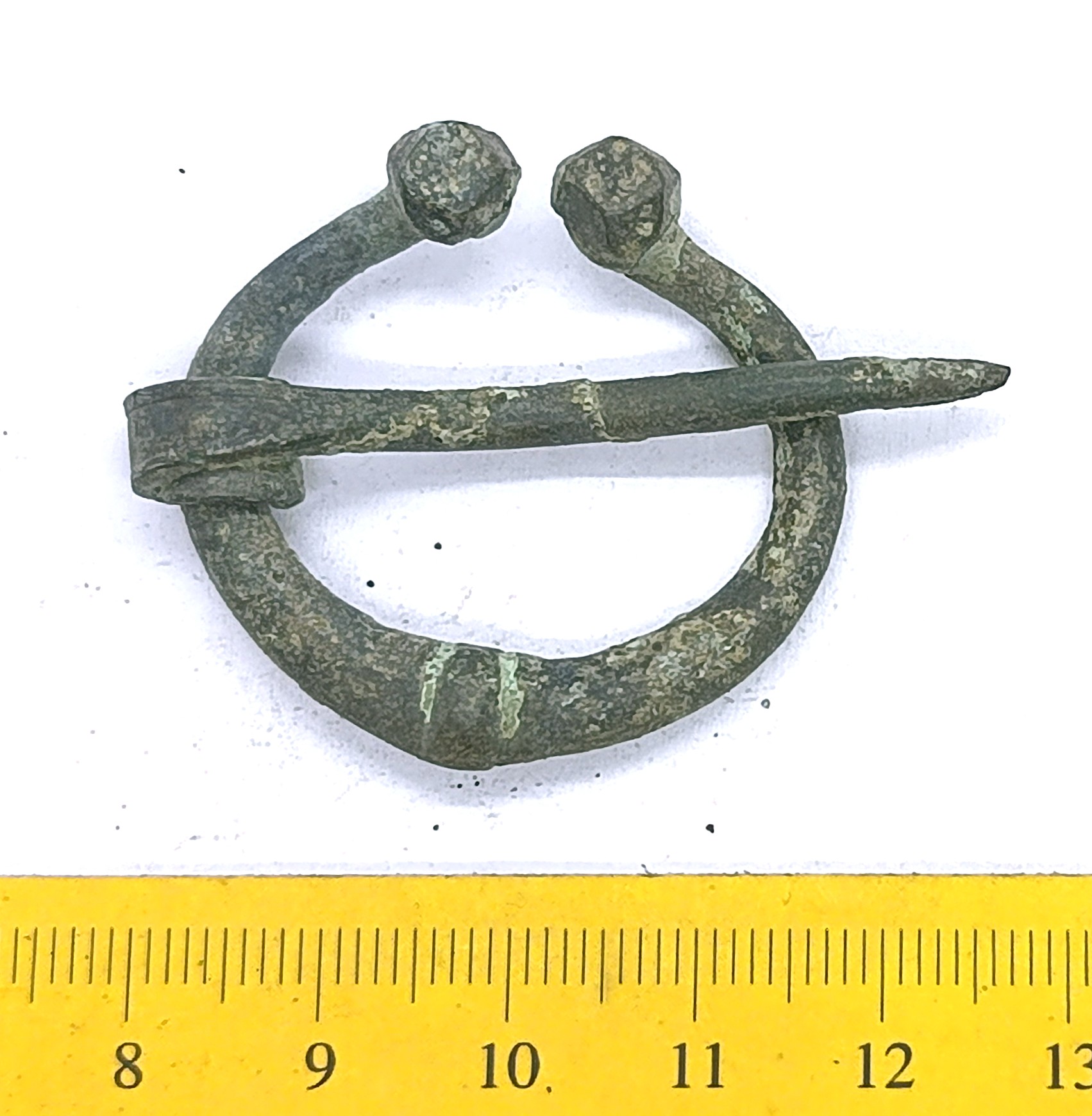
Penannular brooch with faceted terminals, copper alloy.
Century:
13
Discovery code:
AI 3884: 3610
Penannular brooch with faceted terminals, copper alloy. There is a gnarl on the arch, the pin has a narrow base. Such brooches are in Estonia dated predominantly to the first half of the 13th century (Pauts 1997).
Literature:
Pauts, H. 1997. Pahaga hoburaudsõled Eests. – Eesti Ajaloomuuseum. Töid ajaloo alalt, I. Tallinn, 79–115.
Century:
13
Discovery code:
AI 3884: 3610
Century:
10-13
Discovery code:
AI 3884: 3787

