
Database
Century:
10-13
Discovery code:
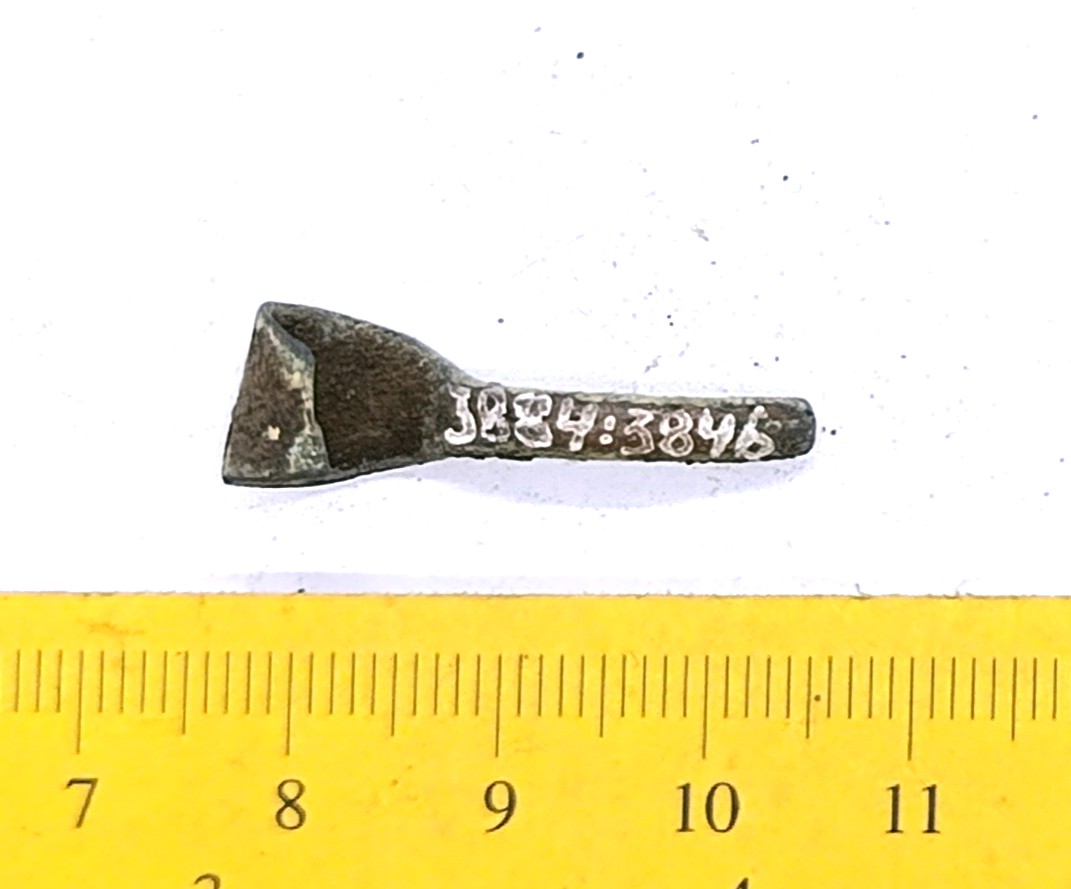
AI 3884: 3846
Viltina
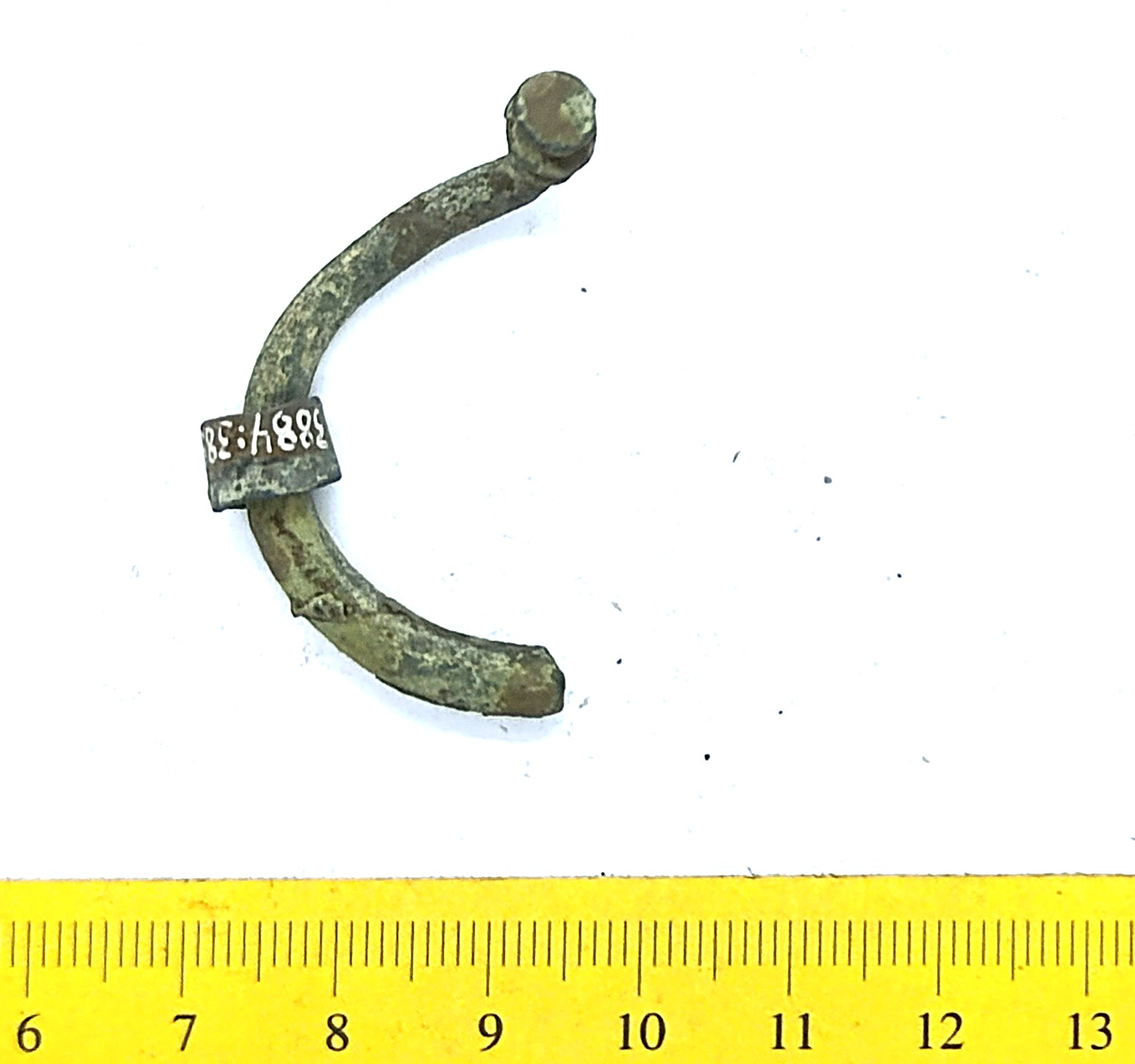
Penannular brooch with bi-conical poppy-shaped terminals, copper alloy.
Century:
10-11
Discovery code:
AI 3884: 3851
Penannular brooch with bi-conical poppy-shaped terminals, copper alloy. Brooches with such terminals were widespread, in addition to Saaremaa, especially in Couronia, Livic areas and Gotland, where they are dated to the 10th–11th centuries (Mägi 2002, 100–101; Vaska 2019, 198).
Literature:
Mägi, M. 2002. At the Crossroads of Space and Time. Graves, Changing Society and Ideology on Saaremaa (Ösel), 9th–13th centuries AD. CCC papers: 6. Gotland University College, Centre for Baltic Studies; Institute of History, Department of Archaeology. Tallinn, 2002.
Vaska, B. 2019. Rotas un ornaments Latvijā no bronzas laikmeta līdz 13. gadsimtam. Latvijas Nacionālais vēstures muzejs. Rīga.
Century:
10-11
Discovery code:
AI 3884: 3851
Viltina
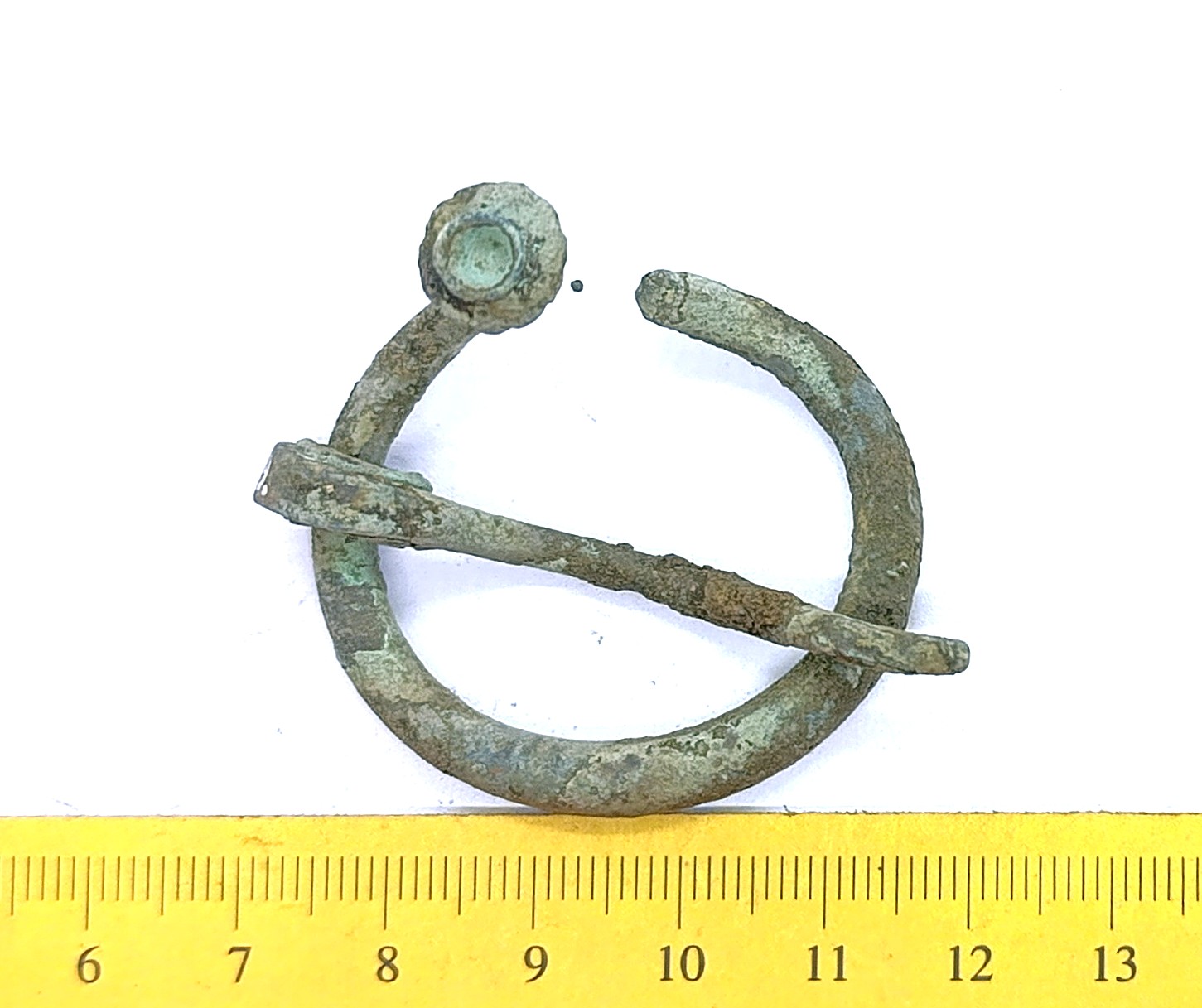
Penannular brooch with bi-conical poppy-shaped terminals, copper alloy.
Century:
10-11
Discovery code:
AI 3884: 3889
Penannular brooch, bi-conical poppy-shaped terminals, copper alloy. Brooches with such terminals were widespread, in addition to Saaremaa, especially in Couronia, Livic areas and Gotland, where they are dated to the 10th–11th centuries (Mägi 2002, 100–101; Vaska 2019, 198).
Literature:
Mägi, M. 2002. At the Crossroads of Space and Time. Graves, Changing Society and Ideology on Saaremaa (Ösel), 9th–13th centuries AD. CCC papers: 6. Gotland University College, Centre for Baltic Studies; Institute of History, Department of Archaeology. Tallinn, 2002.
Vaska, B. 2019. Rotas un ornaments Latvijā no bronzas laikmeta līdz 13. gadsimtam. Latvijas Nacionālais vēstures muzejs. Rīga.
Century:
10-11
Discovery code:
AI 3884: 3889
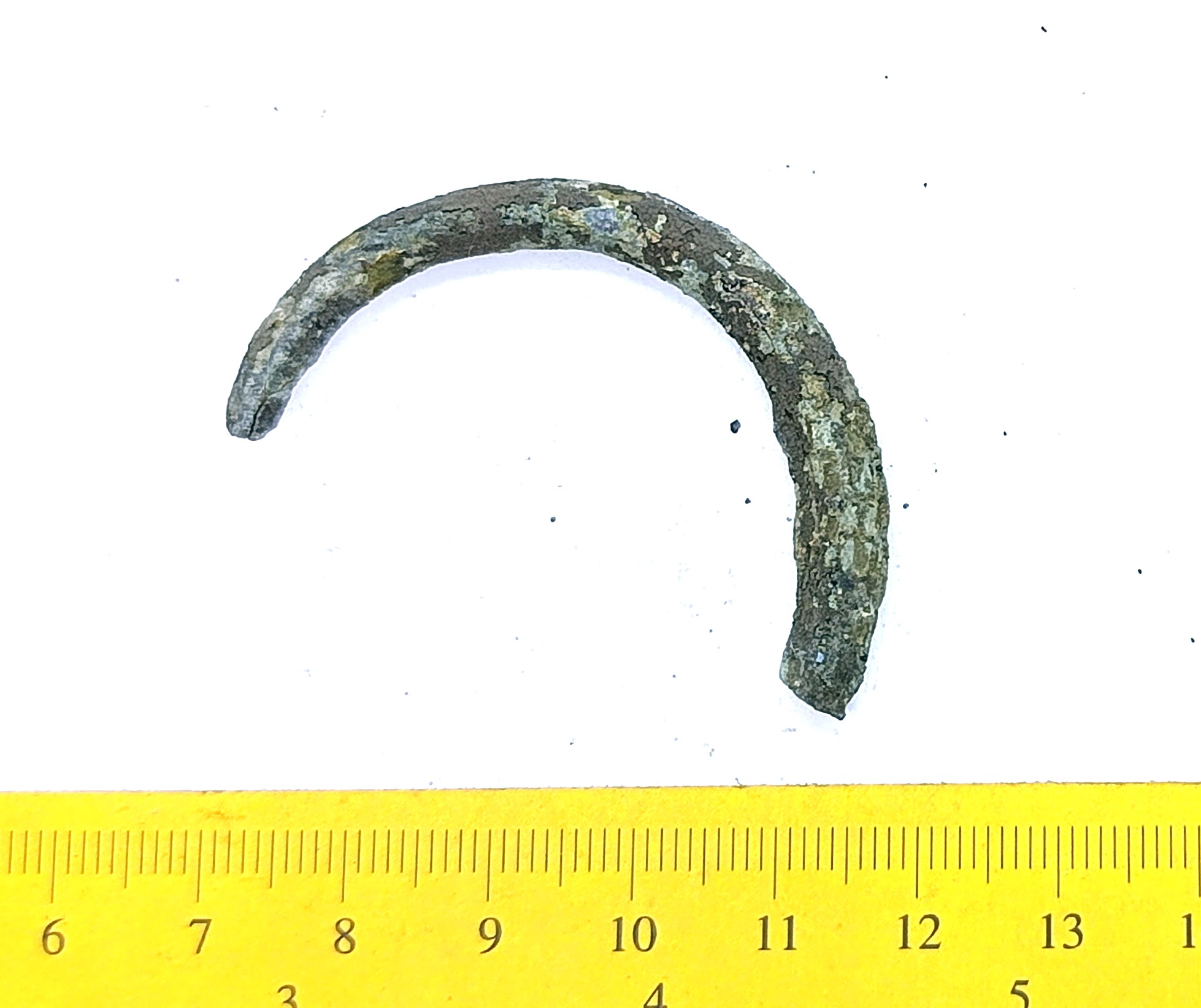
Penannular brooch, copper alloy. With a rhomb-shaped cross-section of the arch. Such brooches were widespread in Estonian stone graves (see e.g. Mägi 2002; Mandel 2017), but also occurred in inhumation graves, and can be dated up to the the mid-13th century.
Literature:
Mägi, M. 2002. At the Crossroads of Space and Time. Graves, Changing Society and Ideology on Saaremaa (Ösel), 9th–13th Centuries AD. (CCC Papers, 6.) Tallinn.
Mandel, M. 2017. Maidla muinaskalmistu saladused. Eesti Ajaloomuuseum, Tallinn.
Century:
12-13
Discovery code:
AI 3884: 3911
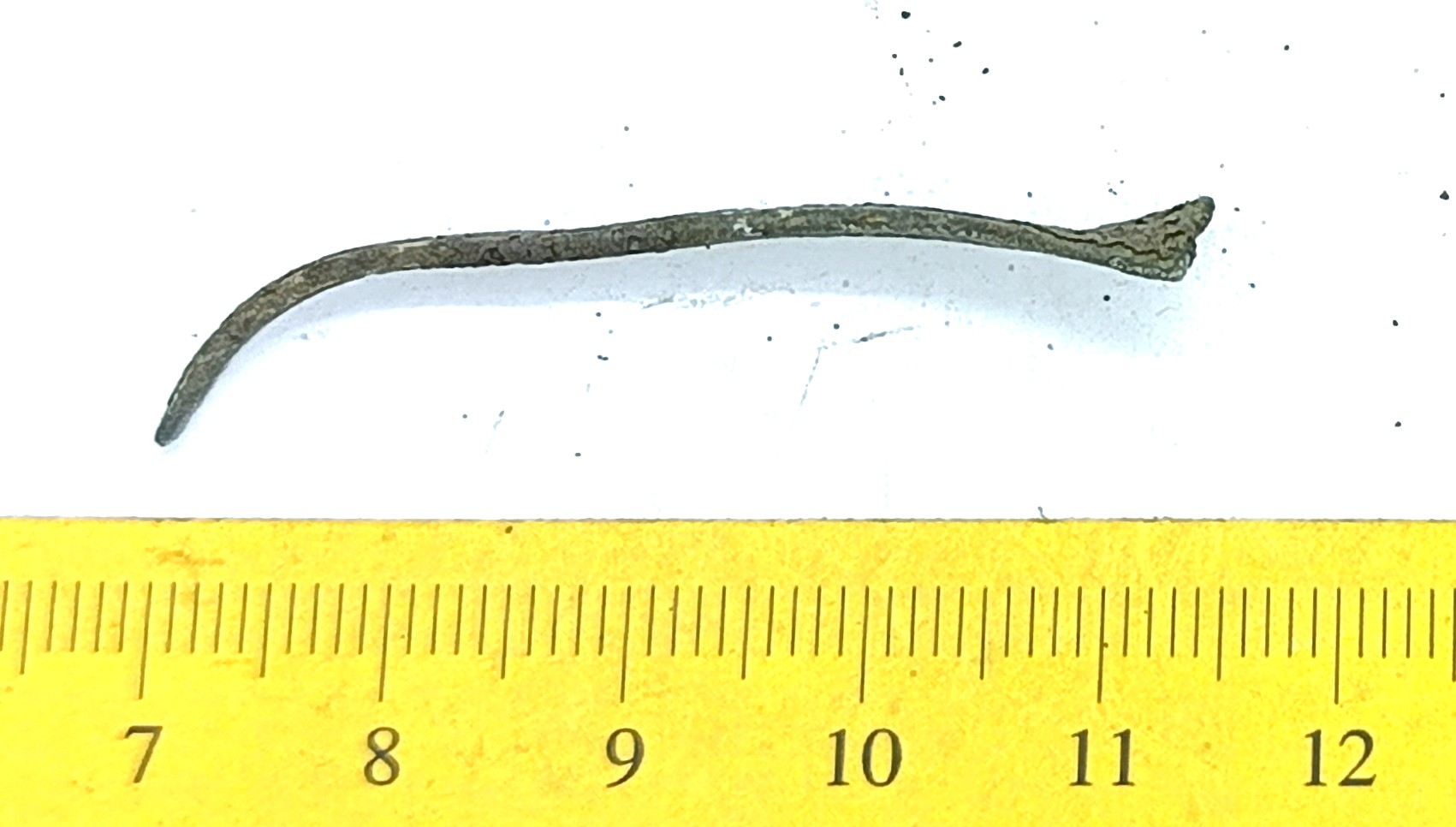
Century:
10-13
Discovery code:
AI 3884: 3973
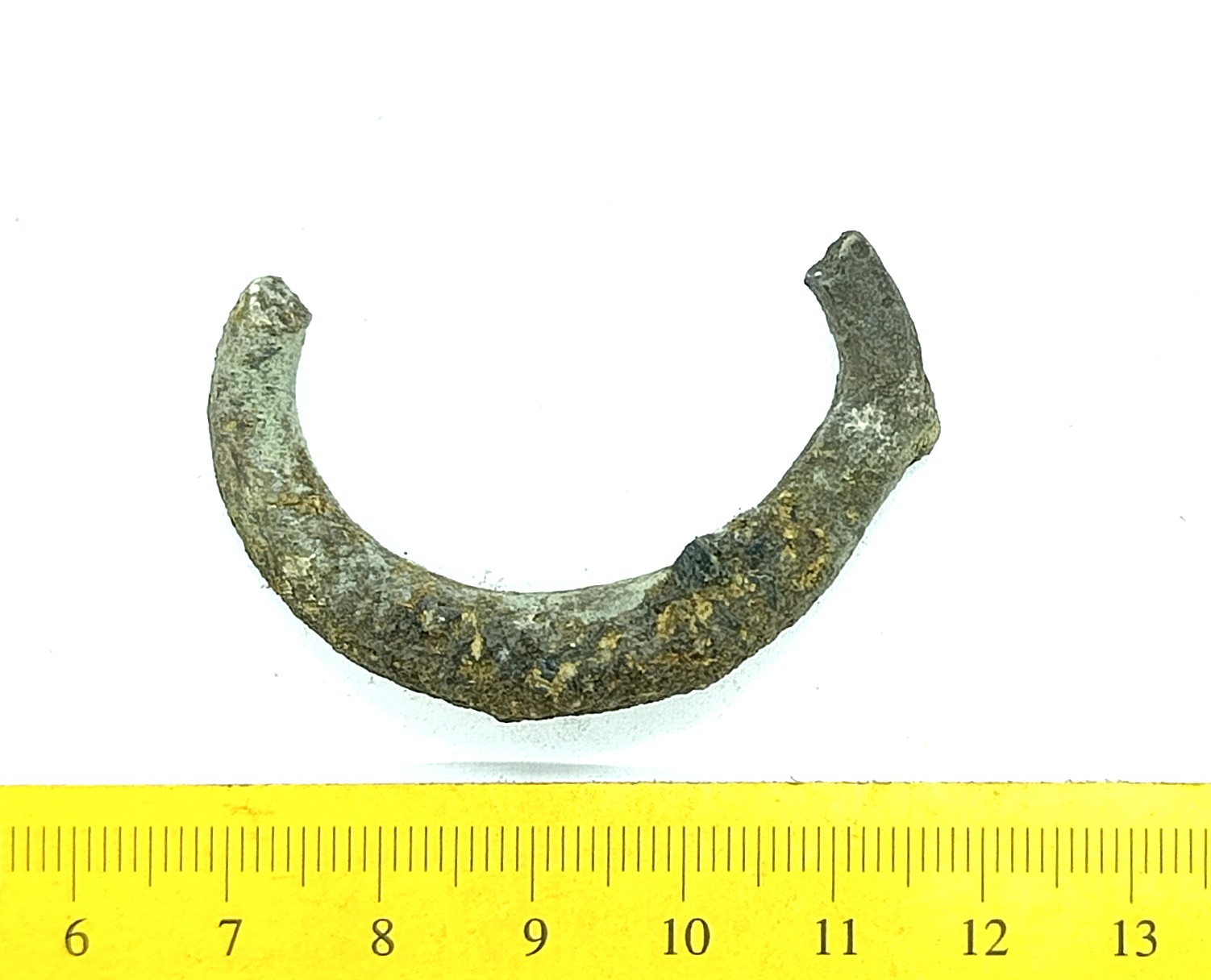
Penannular brooch, copper alloy. With a rhomb-shaped cross-section of the arch. Such brooches were widespread in Estonian stone graves (see e.g. Mägi 2002; Mandel 2017), but also occurred in inhumation graves, and can be dated up to the the mid-13th century.
Literature:
Mägi, M. 2002. At the Crossroads of Space and Time. Graves, Changing Society and Ideology on Saaremaa (Ösel), 9th–13th Centuries AD. (CCC Papers, 6.) Tallinn.
Mandel, M. 2017. Maidla muinaskalmistu saladused. Eesti Ajaloomuuseum, Tallinn.
Century:
12-13
Discovery code:
AI 3884: 4059
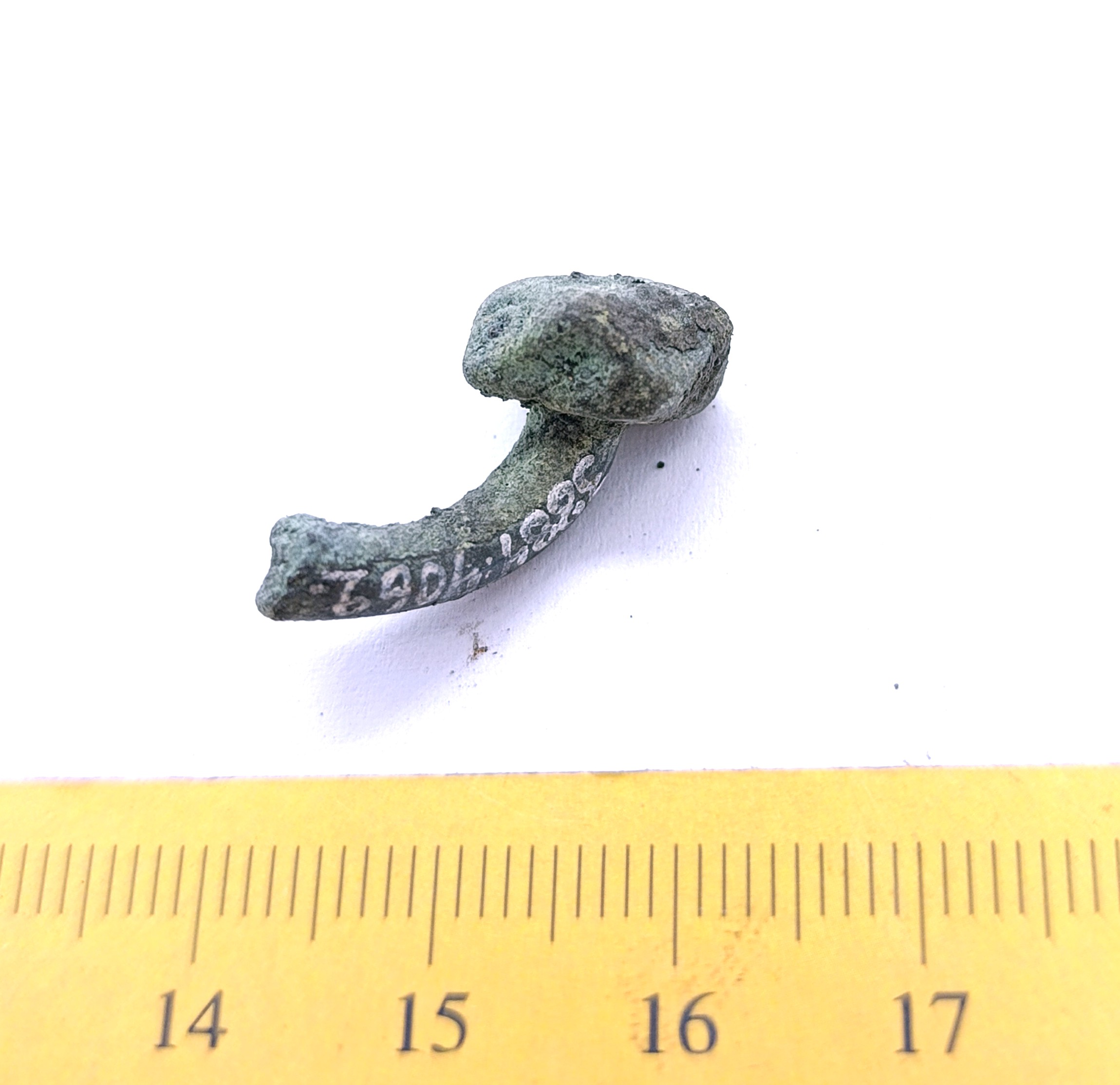
Viltina
Penannular brooch with faceted terminals, copper alloy.
Century:
12-13
Discovery code:
AI 3884: 4062
Penannular brooch with faceted terminals, copper alloy. Such brooches were widespread in Estonian stone graves (see e.g. Pauts 1997, 197; Mägi 2002; Mandel 2017), but also occurred in inhumation graves, and can be dated up to the the mid-13th century. It is also possible that such brooches were taken to use as early as in the end of the 11th century.
Literature:
Mägi, M. 2002. At the Crossroads of Space and Time. Graves, Changing Society and Ideology on Saaremaa (Ösel), 9th–13th Centuries AD. (CCC Papers, 6.) Tallinn.
Mandel, M. 2017. Maidla muinaskalmistu saladused. Eesti Ajaloomuuseum, Tallinn.
Century:
12-13
Discovery code:
AI 3884: 4062
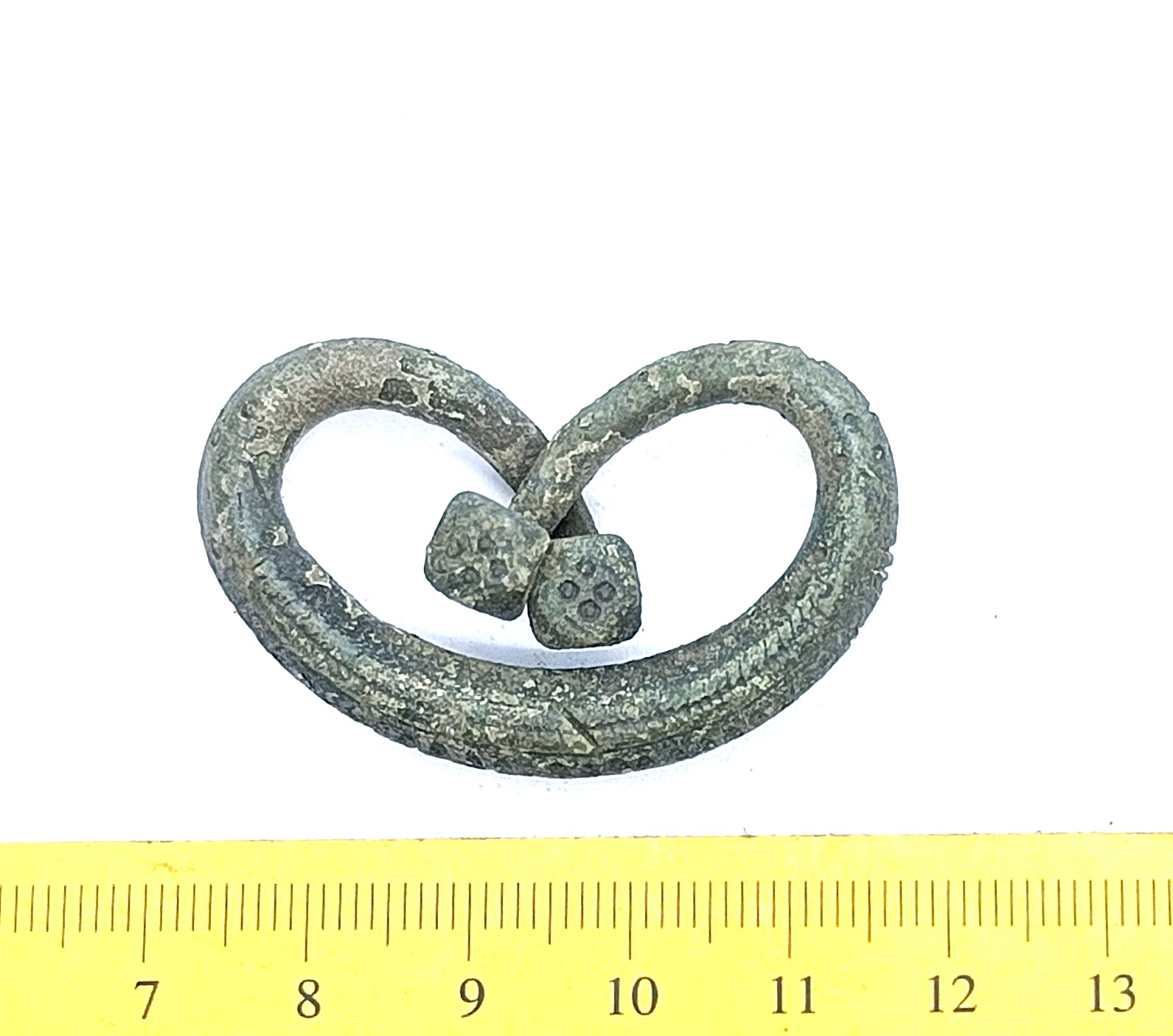
Viltina
Penannular brooch with faceted terminals, copper alloy.
Century:
12-13
Discovery code:
AI 3884: 4123
Penannular brooch with faceted terminals, copper alloy. With a rhomb-shaped cross-section of the ring, the ring decorated with “wolf-teeth” ornament. The pin has a broad base. Such brooches were widespread in Estonian stone graves (see e.g. Pauts 1997, 197; Mägi 2002; Mandel 2017), but also occurred in inhumation graves, and can be dated up to the the mid-13th century.
Literature:
Pauts, H. 1997. Pahaga hoburaudsõled Eestis. – Eesti Ajaloomuuseum. Töid ajaloo alalt, I. Tallinn, 79–115.
Mägi, M. 2002. At the Crossroads of Space and Time. Graves, Changing Society and Ideology on Saaremaa (Ösel), 9th–13th Centuries AD. (CCC Papers, 6.) Tallinn.
Mandel, M. 2017. Maidla muinaskalmistu saladused. Eesti Ajaloomuuseum, Tallinn.
Century:
12-13
Discovery code:
AI 3884: 4123
Century:
10-13
Discovery code:
AI 3884: 4138

