
Database
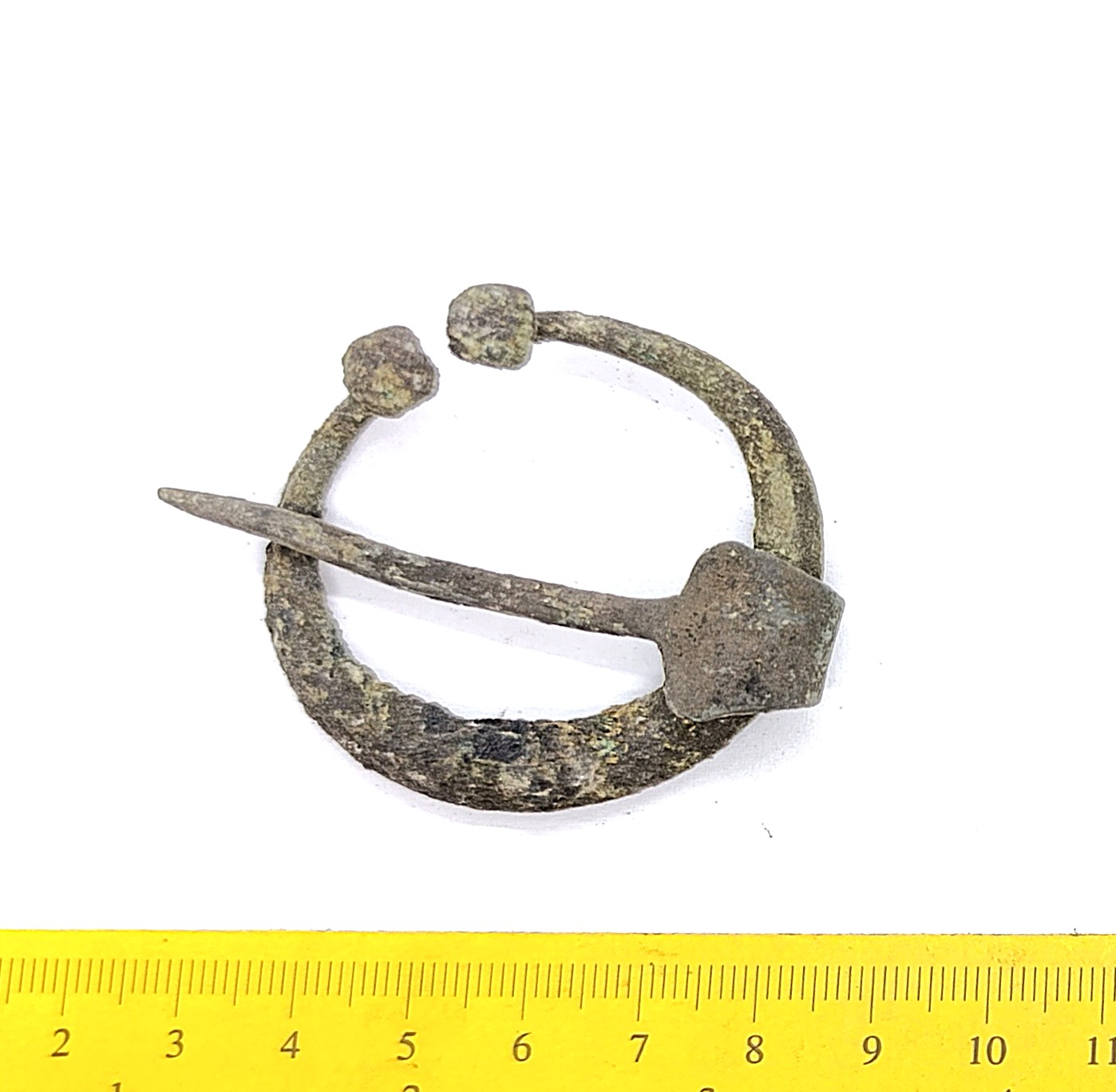
Viltina
Penannular brooch with faceted terminals, copper alloy.
Century:
12-13
Discovery code:
AI 3884: 5277
Penannular brooch with faceted terminals, copper alloy. With a rhomb-shaped cross-section of the ring, the ring decorated with “wolf-teeth” ornament. The pin has a broad base. Such brooches were widespread in Estonian stone graves (see e.g. Pauts 1997, 197; Mägi 2002; Mandel 2017), but also occurred in inhumation graves, and can be dated up to the the mid-13th century. It is also possible that such brooches were taken to use as early as in the end of the 11th century.
Literature:
Pauts, H. 1997. Pahaga hoburaudsõled Eestis. – Eesti Ajaloomuuseum. Töid ajaloo alalt, I. Tallinn, 79–115.
Mägi, M. 2002. At the Crossroads of Space and Time. Graves, Changing Society and Ideology on Saaremaa (Ösel), 9th–13th Centuries AD. (CCC Papers, 6.) Tallinn.
Mandel, M. 2017. Maidla muinaskalmistu saladused. Eesti Ajaloomuuseum, Tallinn.
Century:
12-13
Discovery code:
AI 3884: 5277
Viltina
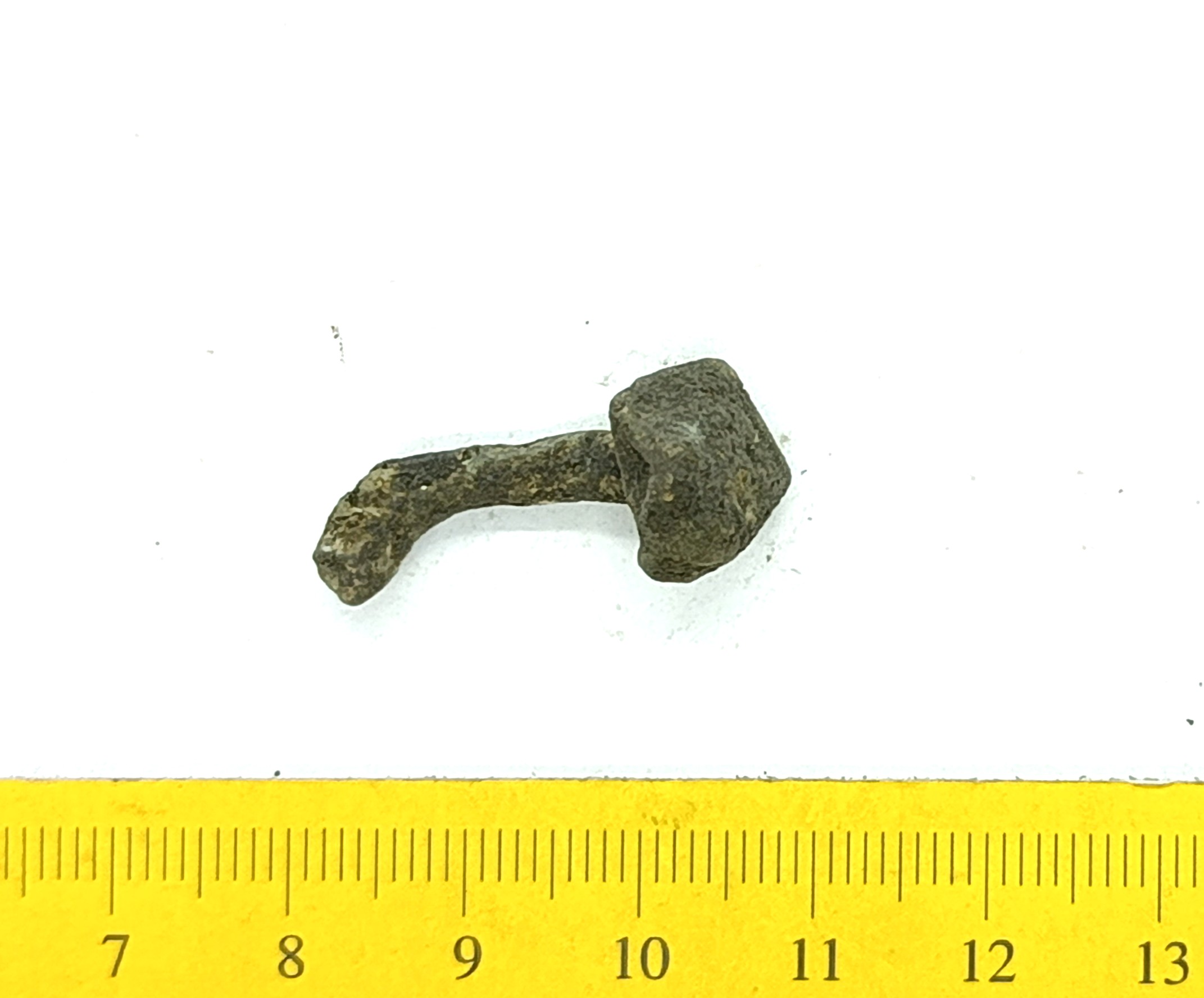
Penannular brooch with knob-shaped terminals, copper alloy.
Century:
13
Discovery code:
AI 3884: 5436
Penannular brooch with knob-shaped terminals, copper alloy. Such brooches have been found in stone graves with cremations, where they can belong to the late 12th century. They are more widespread in inhumation graves or found as stray-finds. In Siksälä Cemetery, SE-Estonia, such brooches are dated, depending on the shape of the ring and pin, to the 13th-15th centuries (Valk & Laul 2014, 102-103).
Literature:
Valk, H. & Laul, S. 2014. Siksälä kalme I: Muistis ja Ajalugu. Tartu ülikool, Ajaloo ja arheoloogia instituut, Tallinn.
Century:
13
Discovery code:
AI 3884: 5436
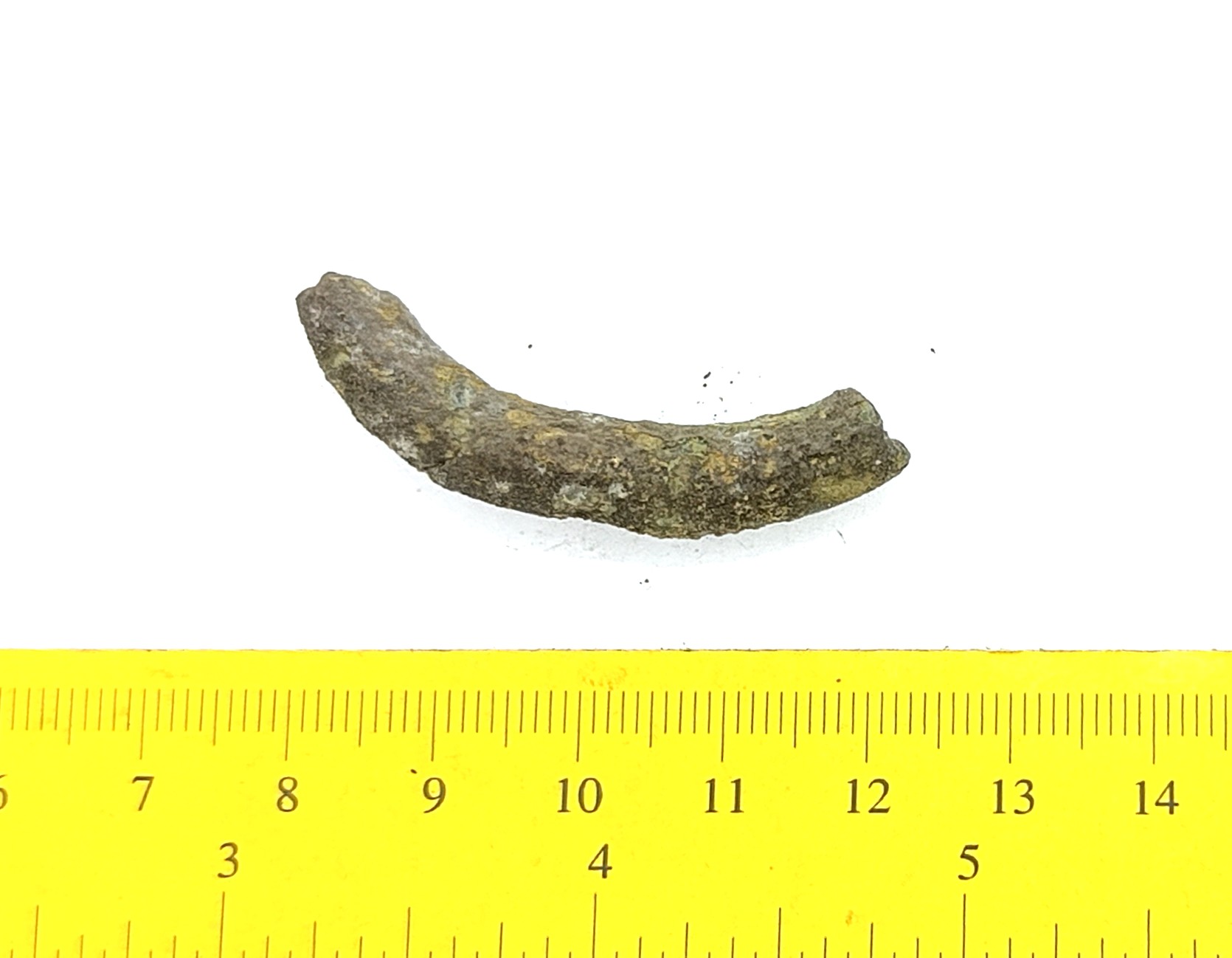
Penannular brooch, copper alloy. With a rhomb-shaped cross-section of the arch, the arch decorated with “wolf-teeth” ornament. Such brooches were widespread in Estonian stone graves (see e.g. Mägi 2002; Mandel 2017), but also occurred in inhumation graves, and can be dated up to the the mid-13th century.
Literature:
Mägi, M. 2002. At the Crossroads of Space and Time. Graves, Changing Society and Ideology on Saaremaa (Ösel), 9th–13th Centuries AD. (CCC Papers, 6.) Tallinn.
Mandel, M. 2017. Maidla muinaskalmistu saladused. Eesti Ajaloomuuseum, Tallinn. “
Century:
12-13
Discovery code:
AI 3884: 5457
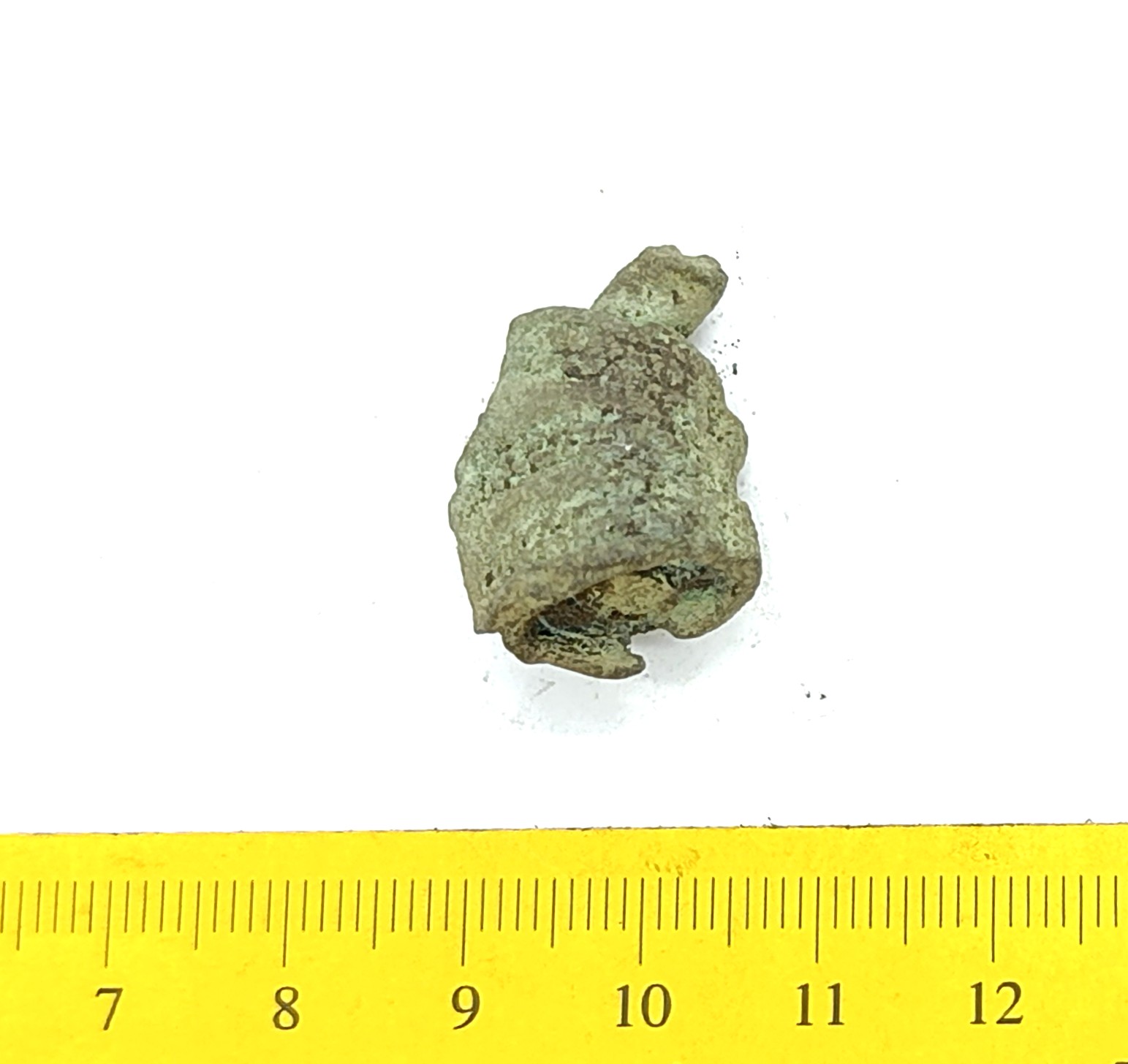
Century:
10-13
Discovery code:
AI 3884: 5461
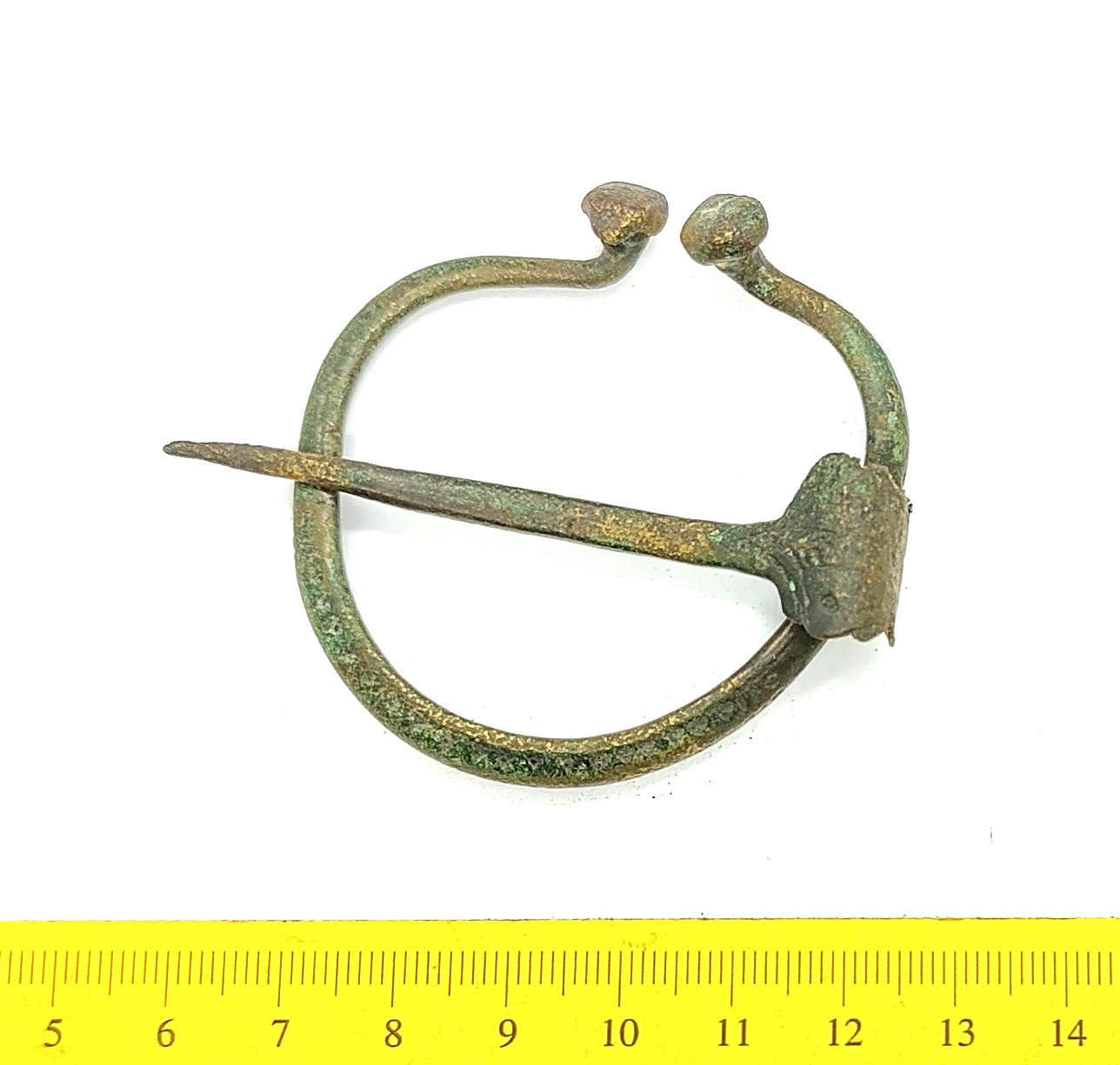
Viltina
Penannular brooch with knob-shaped terminals, copper alloy.
Century:
12-13
Discovery code:
AI 3884: 5591
Penannular brooch with knob-shaped terminals, copper alloy. With a rhomb-shaped cross-section. Such brooches have been found in stone graves with cremations, where they can belong to the late 12th century. They are more widespread in inhumation graves or found as stray-finds. In Siksälä Cemetery, SE-Estonia, such brooches are dated, depending on the shape of the ring and pin, to the 13th-15th centuries (Valk & Laul 2014, 102-103).
Literature:
Valk, H. & Laul, S. 2014. Siksälä kalme I: Muistis ja Ajalugu. Tartu ülikool, Ajaloo ja arheoloogia instituut, Tallinn.
Century:
12-13
Discovery code:
AI 3884: 5591
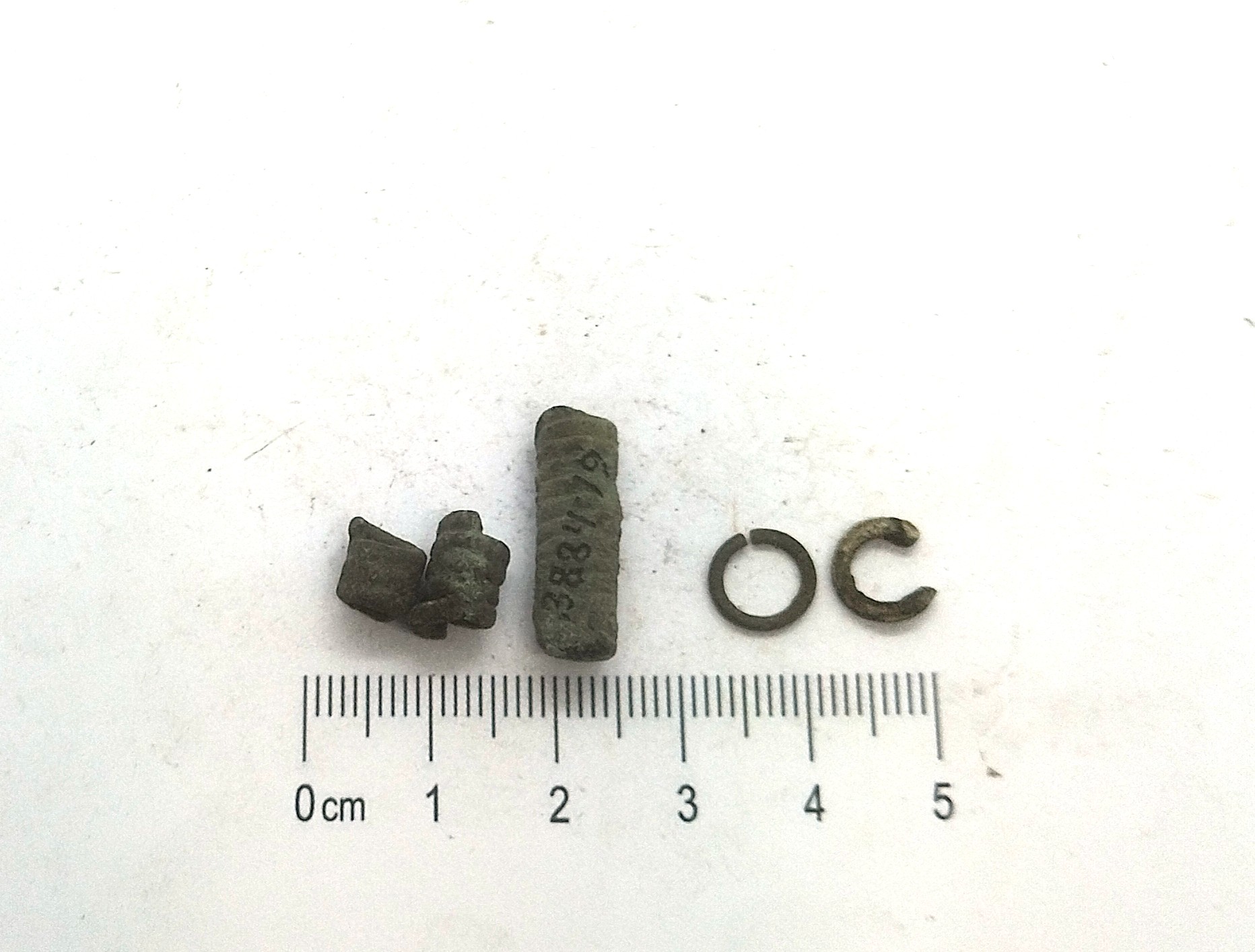
Viltina
Spirals and dress decorations, 5, copper alloy.
Century:
10-13
Discovery code:
AI 3884: 19
Spirals and dress decorations, 5, copper alloy. Tubes made of spirals were used for constructing and decorating belts, headdresses, and garments (Mägi 2002, Rammo 2005).
Literature:
Mägi, M. 2002. At the crossroads of space and time: graves, changing society and ideology on Saaremaa (Ösel), 9th–13th centuries AD. Tallinn.
Rammo, R. 2005. Spiraaltorukekaunistused rõivastel Eesti haualeidude põhjal 11.–14./15. sajandil. Peaseminaritöö. Tartu Ülikool, Tartu.
Century:
10-13
Discovery code:
AI 3884: 19
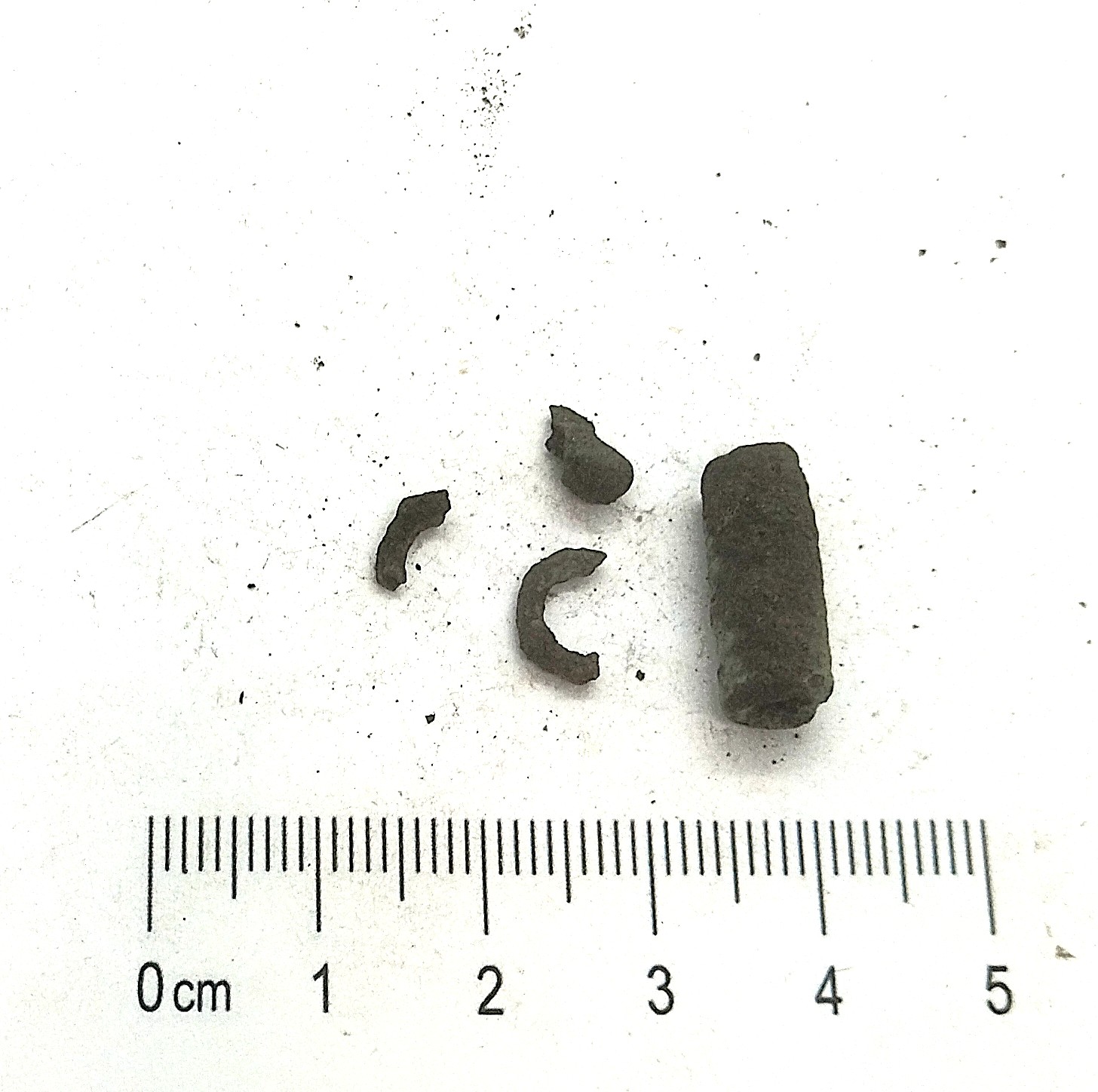
Viltina
Spiral and dress decorations, 4, copper alloy.
Century:
10-13
Discovery code:
AI 3884: 23
Spiral and dress decorations, 4, copper alloy. Tubes made of spirals were used for constructing and decorating belts, headdresses, and garments (Mägi 2002, Rammo 2005).
Literature:
Mägi, M. 2002. At the crossroads of space and time: graves, changing society and ideology on Saaremaa (Ösel), 9th–13th centuries AD. Tallinn.
Rammo, R. 2005. Spiraaltorukekaunistused rõivastel Eesti haualeidude põhjal 11.–14./15. sajandil. Peaseminaritöö. Tartu Ülikool, Tartu.
Century:
10-13
Discovery code:
AI 3884: 23
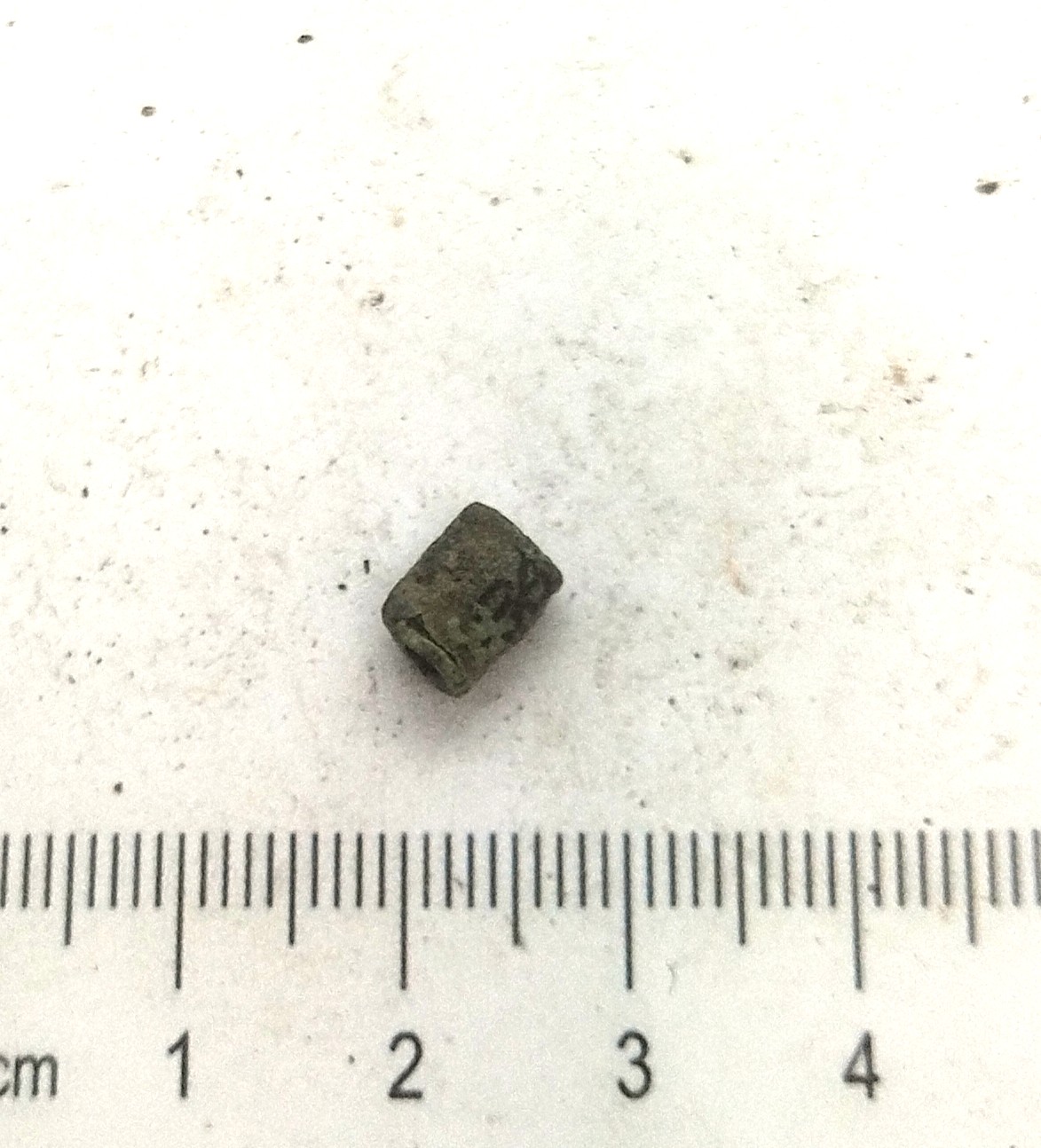
Spiral, copper alloy. Tubes made of spirals were used for constructing and decorating belts, headdresses, and garments (Mägi 2002, Rammo 2005).
Literature:
Mägi, M. 2002. At the crossroads of space and time: graves, changing society and ideology on Saaremaa (Ösel), 9th–13th centuries AD. Tallinn.
Rammo, R. 2005. Spiraaltorukekaunistused rõivastel Eesti haualeidude põhjal 11.–14./15. sajandil. Peaseminaritöö. Tartu Ülikool, Tartu.
Century:
10-13
Discovery code:
AI 3884: 36
Viltina
Spirals and dress decoration, 3, copper alloy.
Century:
10-13
Discovery code:
AI 3884: 40
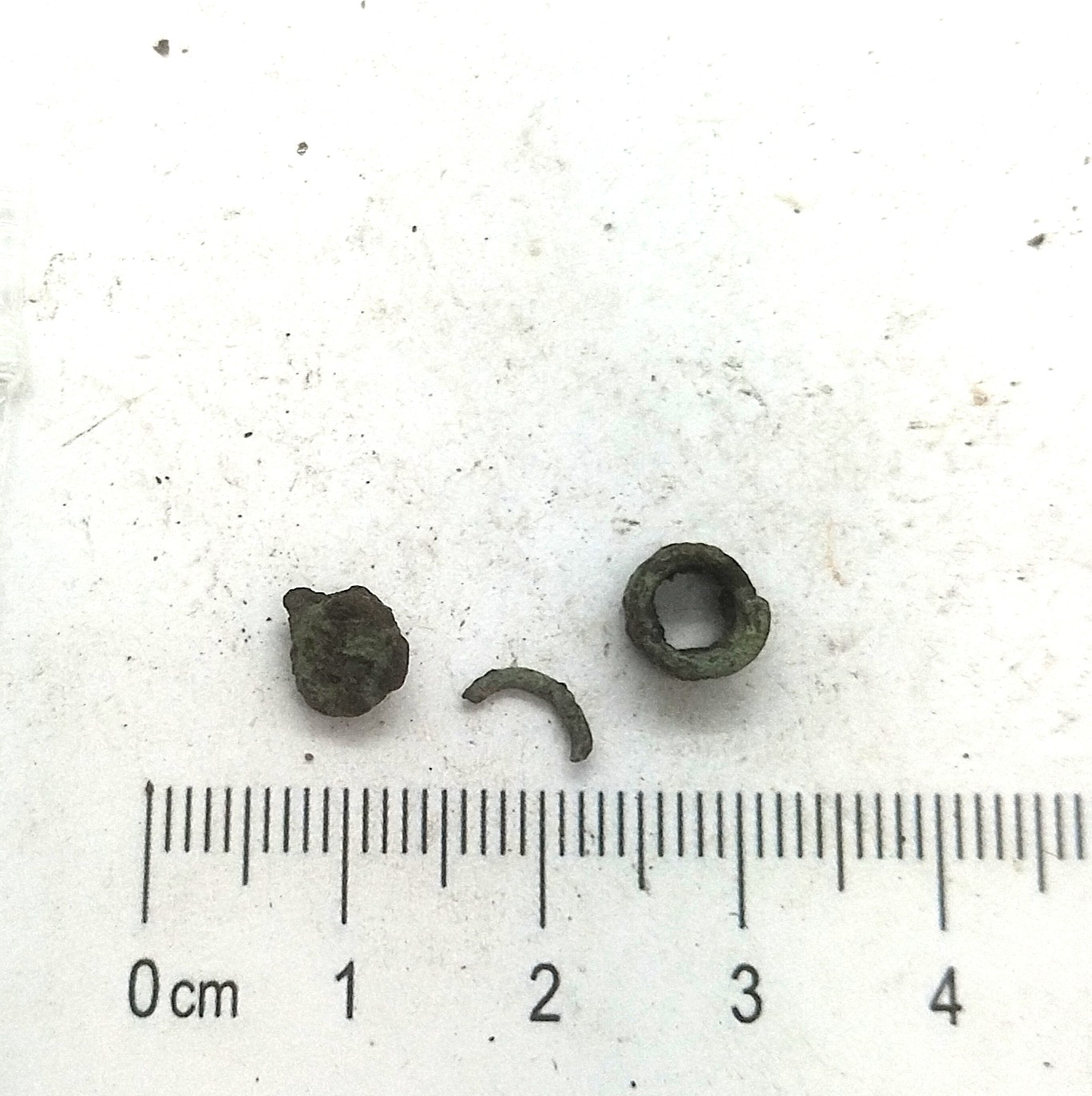
Spirals and dress decoration, 3, copper alloy. Tubes made of spirals were used for constructing and decorating belts, headdresses, and garments (Mägi 2002, Rammo 2005).
Literature:
Mägi, M. 2002. At the crossroads of space and time: graves, changing society and ideology on Saaremaa (Ösel), 9th–13th centuries AD. Tallinn.
Rammo, R. 2005. Spiraaltorukekaunistused rõivastel Eesti haualeidude põhjal 11.–14./15. sajandil. Peaseminaritöö. Tartu Ülikool, Tartu.
Century:
10-13
Discovery code:
AI 3884: 40

