
Database


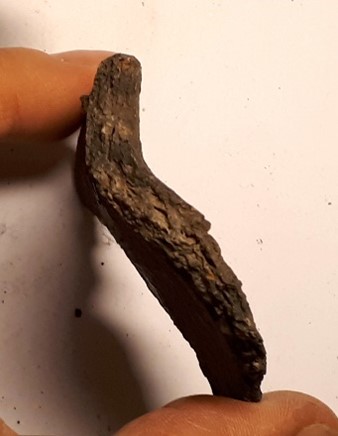
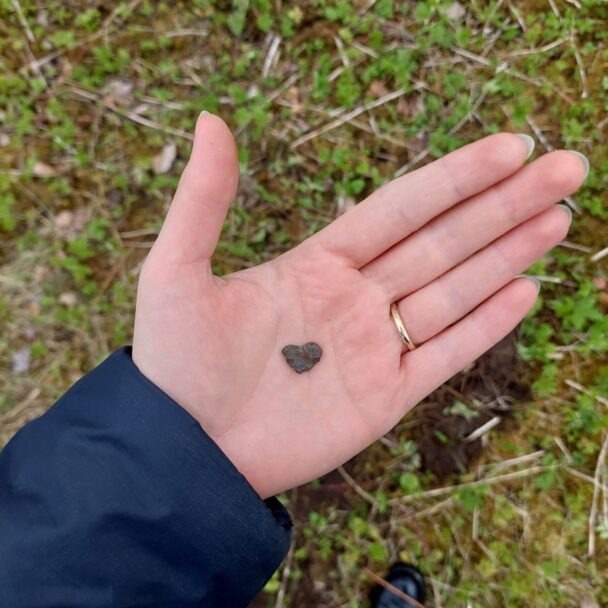
Potsherd.
Century:
12-13
Discovery code:
AI 4300:408
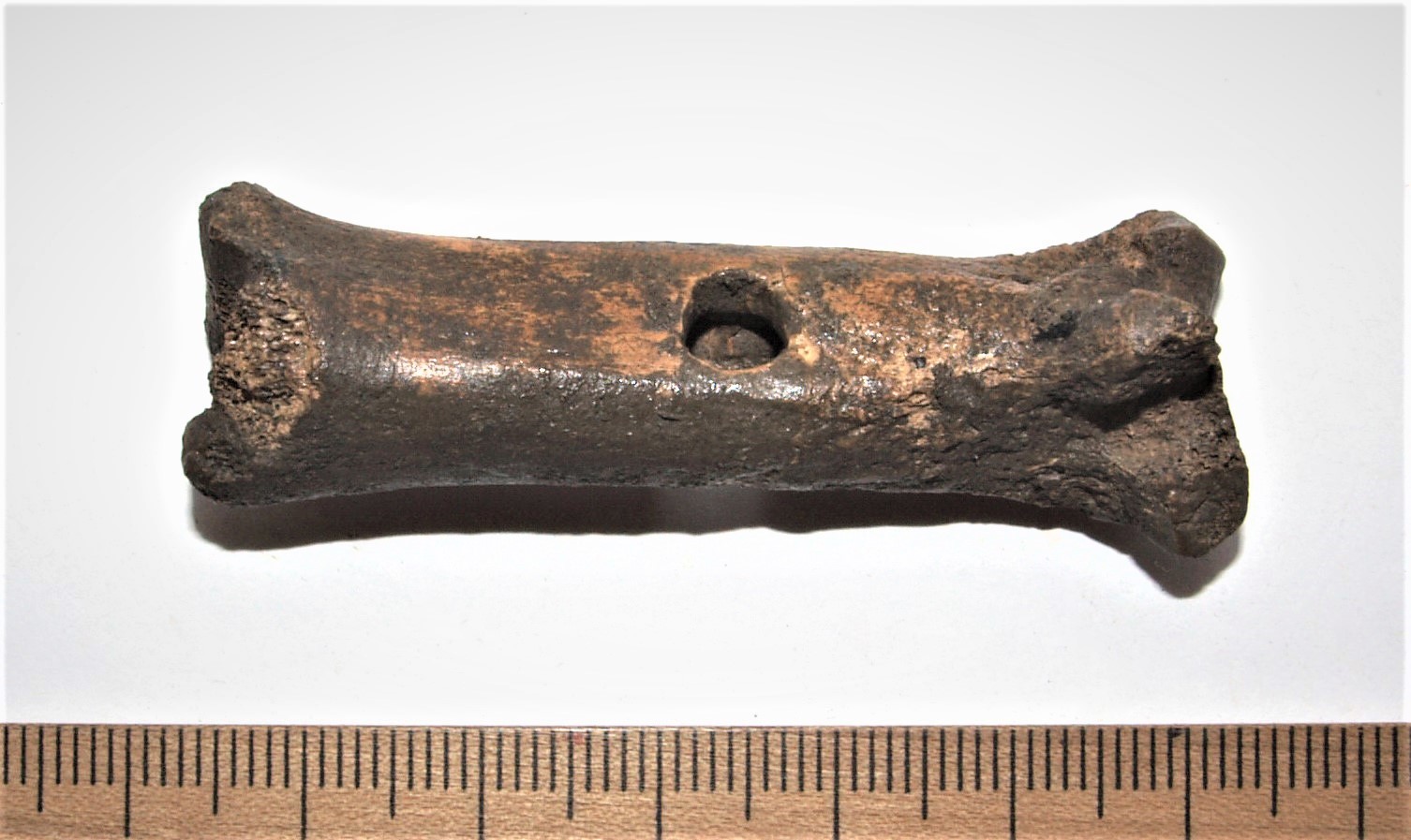
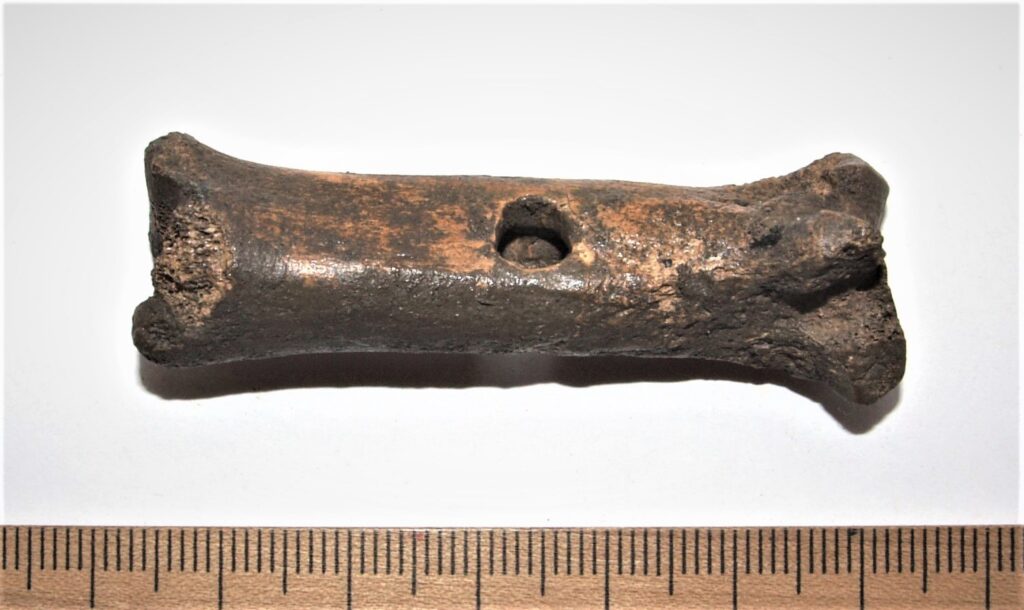
Bone toggle.
Literature:
Luik, H. 2004. Luuesemed hilisrauaaja linnamägedel Lõhavere, Soontagana, Varbola ja Valjala leidude põhjal. – Toim. A. Haak, E. Russow & A. Tvauri. Linnusest ja linnast. Uurimusi Vilma Trummali auks. Muinasaja teadus, 14. Tallinn, Tartu, 157–188.
Luik, H. 2005. Luu- ja sarvesemed Eesti arheoloogilises leiumaterjalis viikingiajast keskajani. Tartu Ülikool, Filosoofiateaduskond, Ajaloo osakond. Tartu: Tartu Ülikooli Kirjastus. Loe doktoritööd: siin.
Century:
12-13
Discovery code:
AI 4300:412
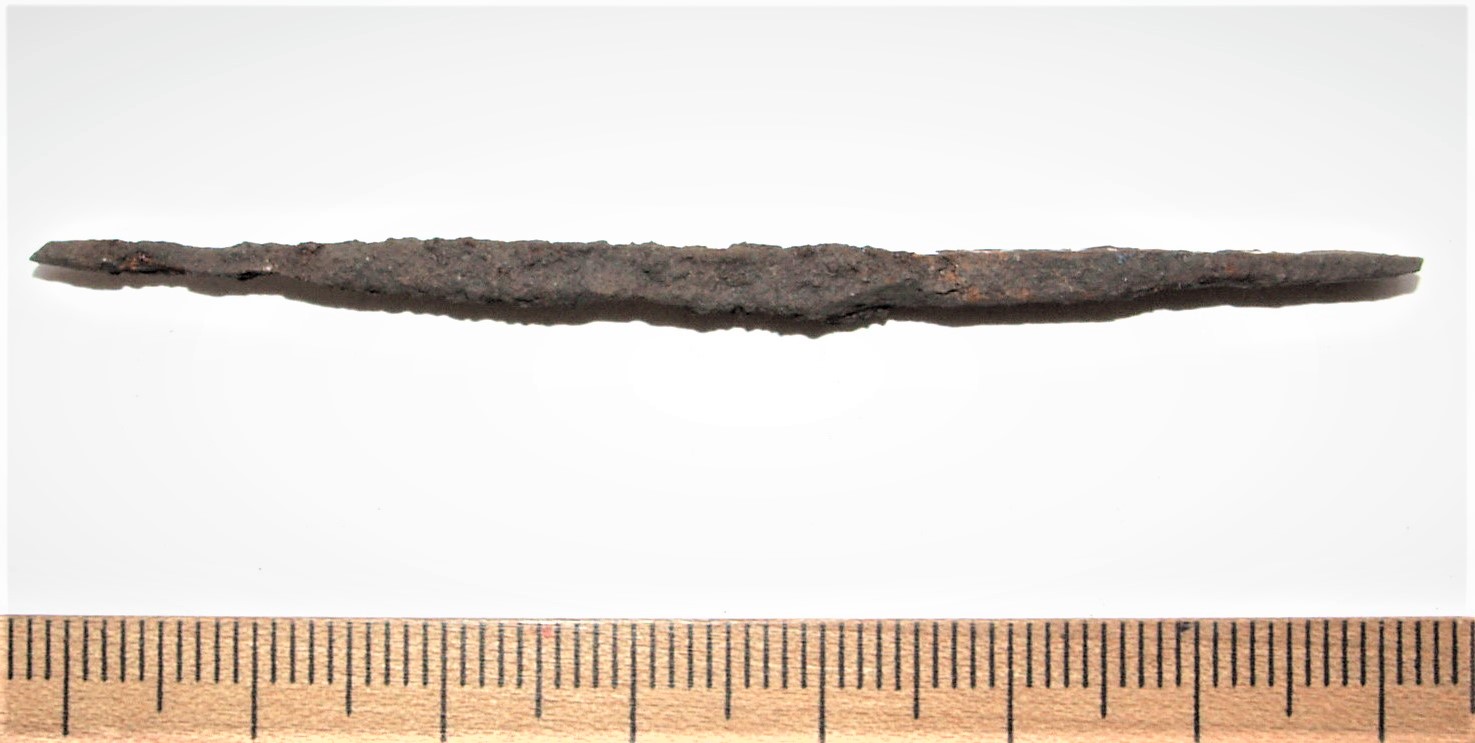
Valjala hillfort
Naaskel.
Century:
12-13
Discovery code:
AI 4300:433
Century:
12-13
Discovery code:
AI 4300:433
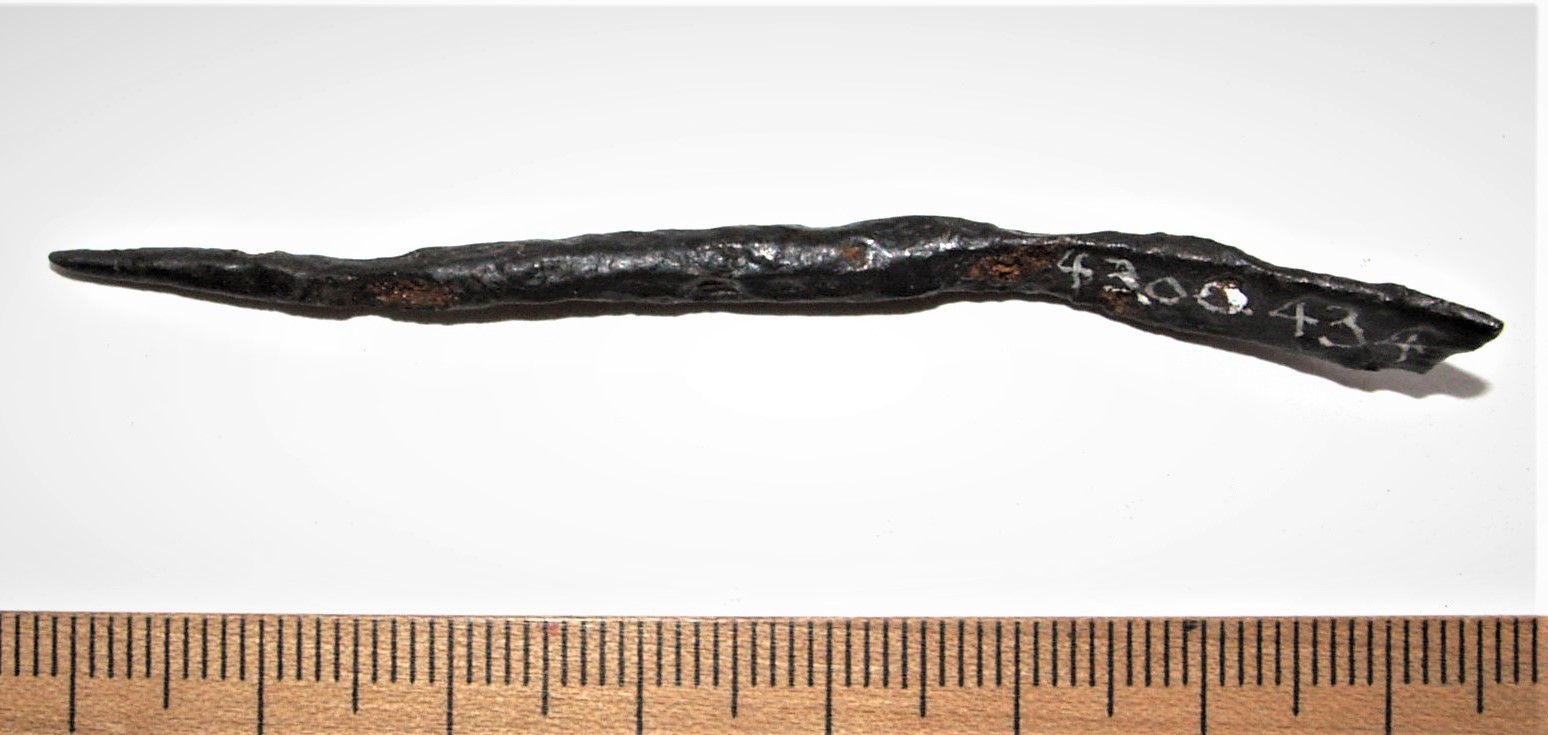
Valjala hillfort
Awl.
Century:
12-13
Discovery code:
AI 4300:434
Century:
12-13
Discovery code:
AI 4300:434
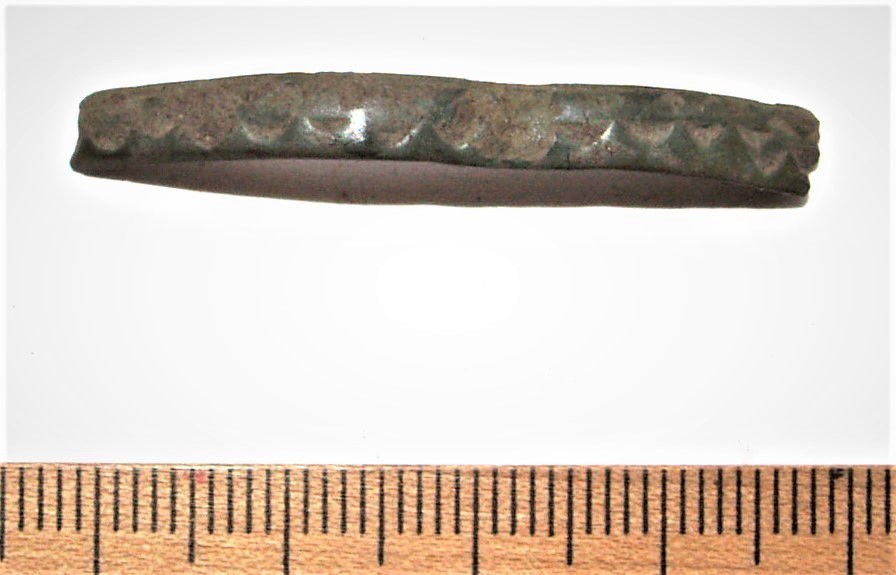
Valjala hillfort
Fragment of a bronze spiral bracelet, decorated.
Century:
11-12
Discovery code:
AI 4300:435
Century:
11-12
Discovery code:
AI 4300:435
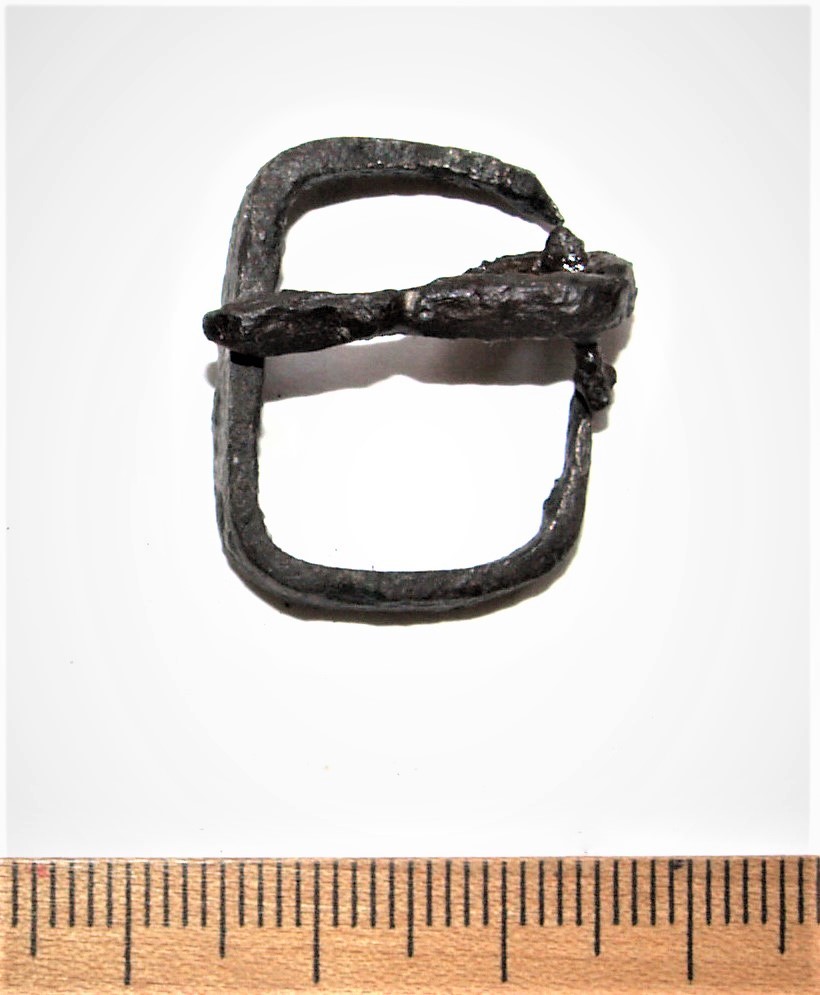
Valjala hillfort
Iron buckle, rectangular.
Century:
12-13
Discovery code:
AI 4300:443
Century:
12-13
Discovery code:
AI 4300:443
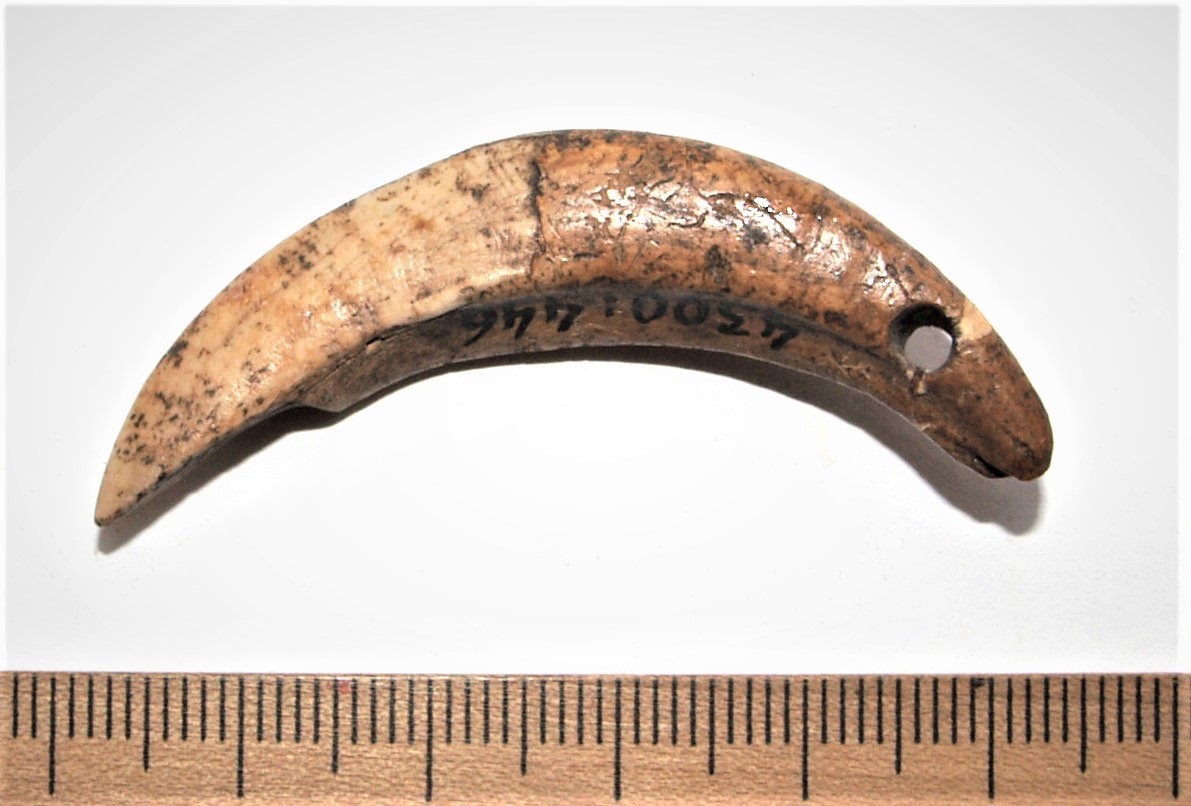
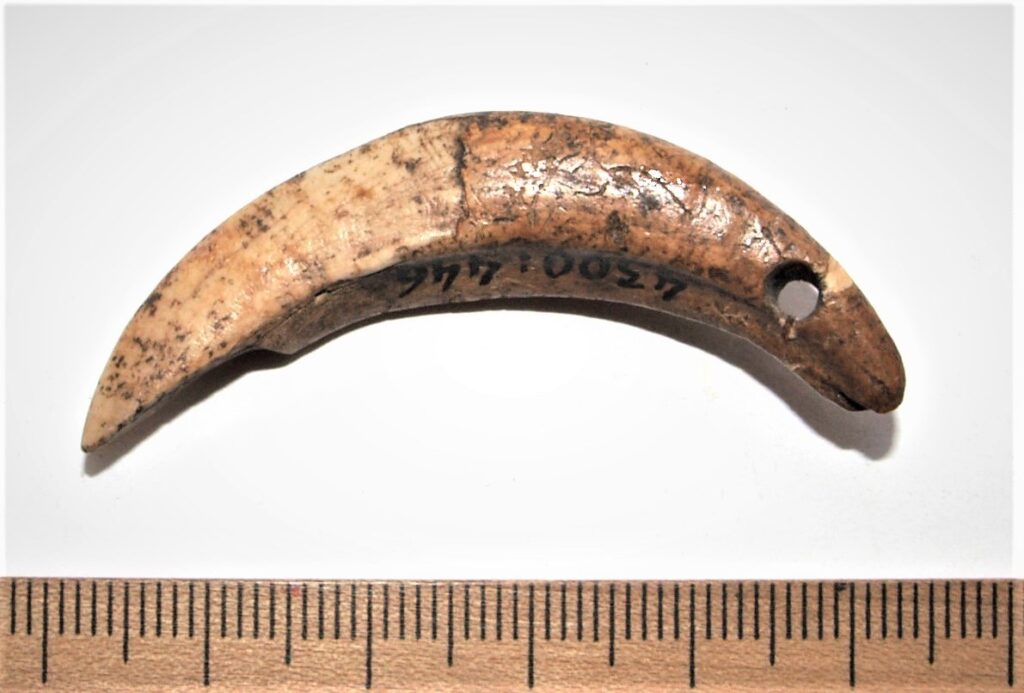
Tooth pendant.
Literature:
Luik, H. 2004. Luuesemed hilisrauaaja linnamägedel Lõhavere, Soontagana, Varbola ja Valjala leidude põhjal. – A. Haak, E. Russow, A. Tvauri (Toim.). Linnusest ja linnast: uurimusi Vilma Trummali auks = About hillfort and town: studies in honour of Vilma Trummal (157−188). Tallinn, Tartu: Eesti Teaduste Akadeemia Kirjastus. (Muinasaja teadus; 14). Read the article (ENG conclusion p. 185-188): here.
Century:
12-13
Discovery code:
AI 4300:446
Valjala hillfort
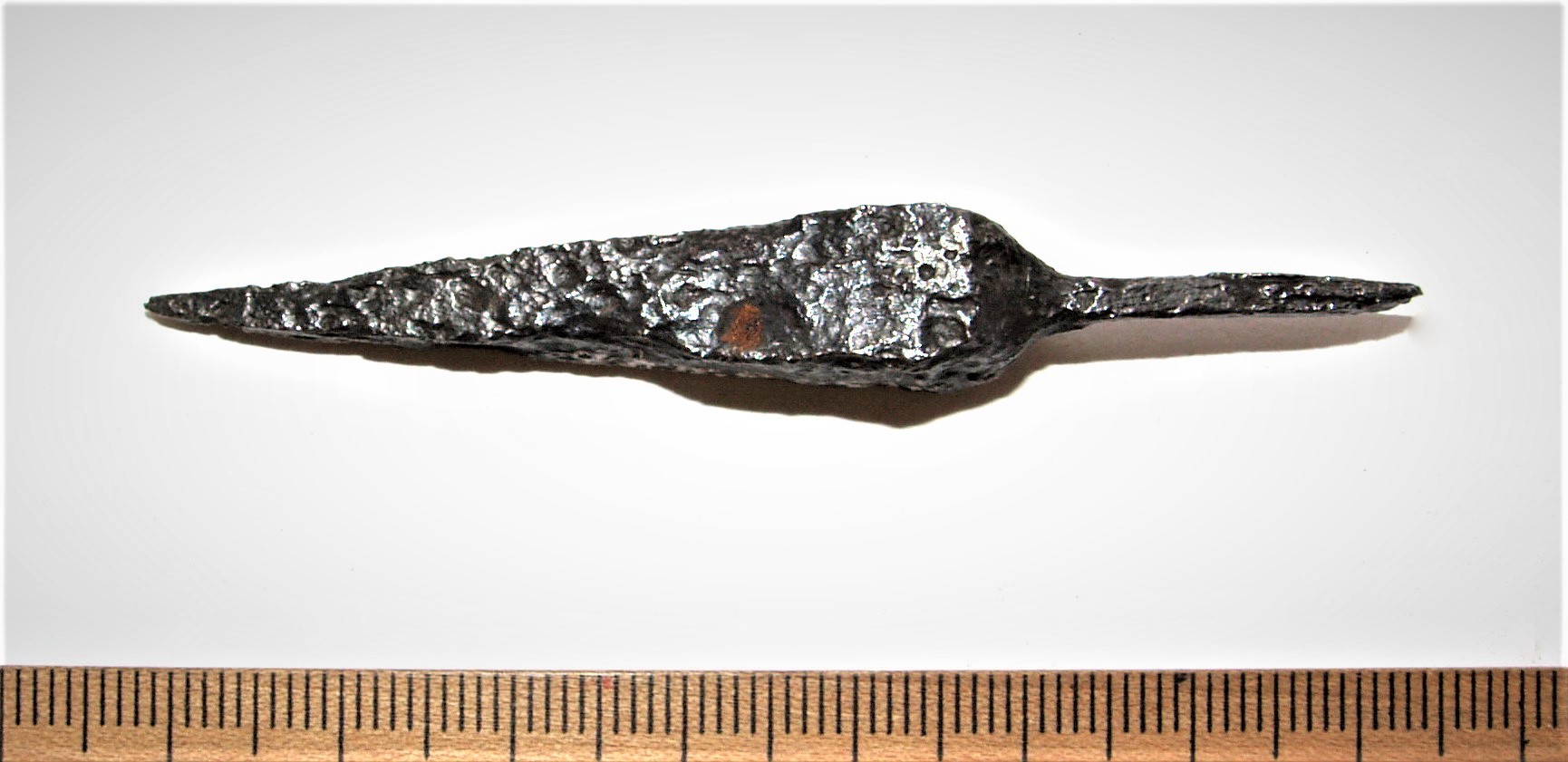
Iron crossbow head. Such heads have been found in several medieval castles and in 2012 also from Haapsalu.
Century:
13
Discovery code:
AI 4300:448
Iron crossbow head. Such heads have been found in several medieval castles and in 2012 also from Haapsalu (Russow & Allmäe 2013). Mäesalu has dated such crossbow-heads in Estonia to the first half of the 13th century due to some finds in hill-forts, what he associates with sieges known from written sources (Mäesalu 1991, 174-175). Such crossbow-heads in Latvia have been dated to the second half of the 13th century and the first half of the 14th century (Mugurēvičs 2008, 192, 202, Griciuvienė 2005, 202), in Russia to the 13th-15th century (Medvedev 1966, 116, Pl 31: 28).
Literature:
Медведев А.Ф. 1966. Ручное метательное оружие (Лук и стрелы, самострел). VIII–XIV вв. М.: Наука6.
Mäesalu, A. 1991. Otepää linnuse ammunooleotsad. Eds. L. Jaanits & V. Lang. (Muinasaja teadus, 1). Agu, Tallinn.
Griciuvienė, E. (prepared by) 2005. Žiemgaliai. Baltų archeologijos paroda. Katalogas. The Semigallians. Baltic Archaeological Exhibition. Catalogue. Vilnius – Riga, Lietuvos nacionalis muziejus; Latvijas Vēstures muzejs.
Mugurēvičs, Ē. 2008. Viduslaiku ciems un pils Salaspils novadā. Rīga, 112, 202.
Russow, E. & Allmäe, R. 2013. From a suburban pasture to the urban cemetery – recent fieldwork in north-western corner of medieval Haapsalu. – Archaeological Fieldwork in Estonia 2012, 217-232.
Century:
13
Discovery code:
AI 4300:448
Valjala hillfort
Round silver sheet pendant, decorated with cross motive.
Century:
13
Discovery code:
AI 4300:449
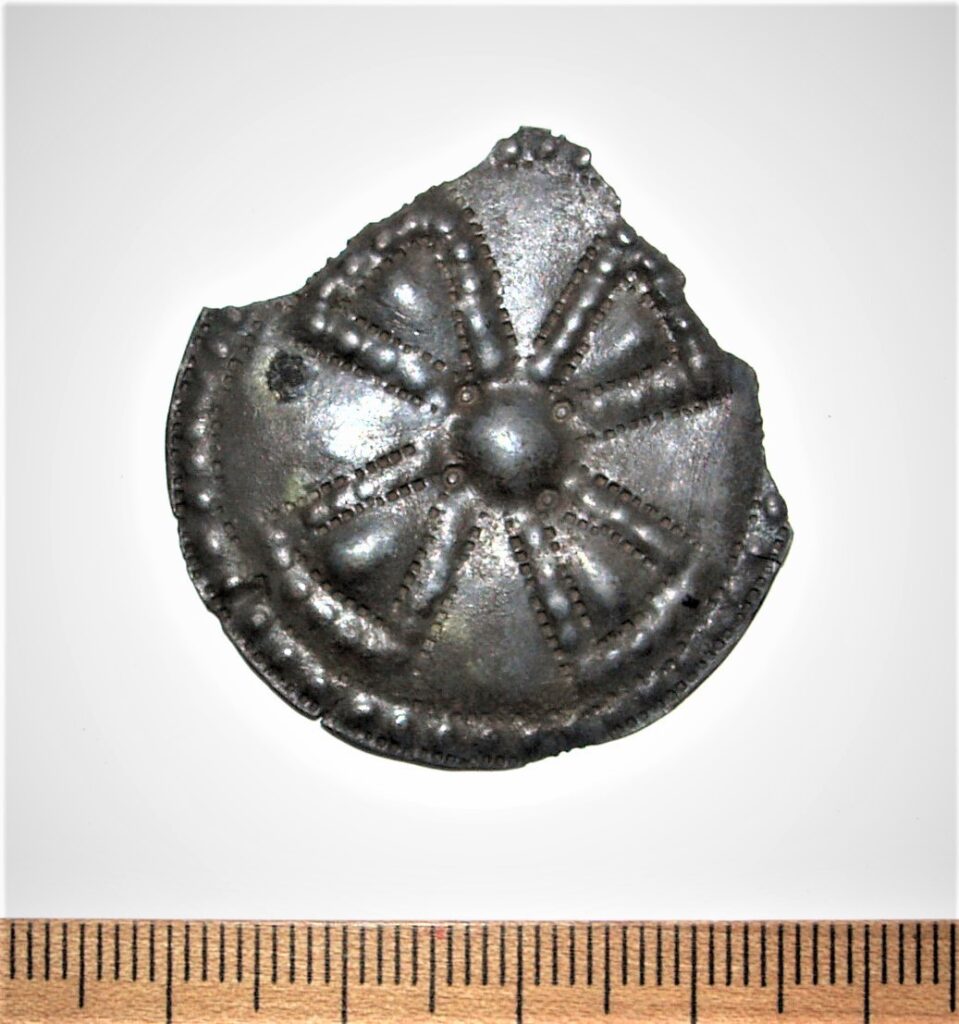
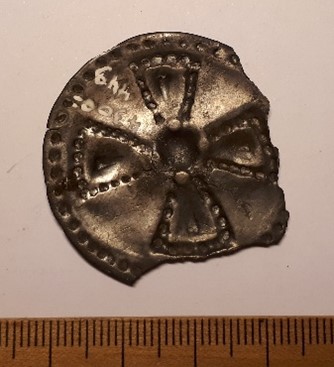
Round sheet pendant, silver. In Estonia, silver sheet pendants are mainly found in hoards and inhumation burials dating to the 13th century, but some of them may also have been manufactured during the 12th century (Kurisoo 2013, 21). In Sweden and Denmark, they appear during the 10th century, and in Finland, the pendants are dated mainly to the 11th century (Lehtosalo-Hilander 1982, 143–154).
Kurisoo, T. 2013. Hilisrauaaegsed ristripatsid ja ristimärgiga rinnalehed Eestis. Magistritöö. Tartu. (Manuscript in TÜ AK.)
Lehtosalo-Hilander, P.-L. 1982. Luistari II. The Artefacts. (SMYA, 82: 2.) Helsinki.
Tvauri, A. 2025. Estonian sheet pendants from the 11th to the 13th century: chronological aspects. – Estonian Journal of Archaeology, 2025, 29, 1, 3-33.
Century:
13
Discovery code:
AI 4300:449

