
Database
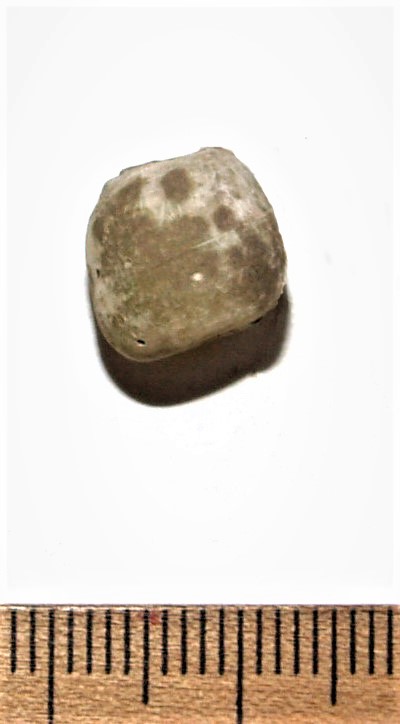
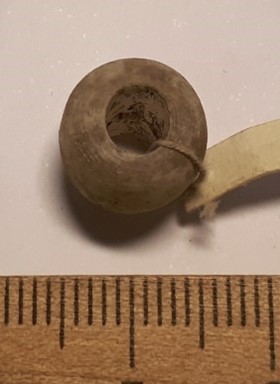
Bead.
Century:
12-13
Discovery code:
AI 4300:728
Valjala hillfort
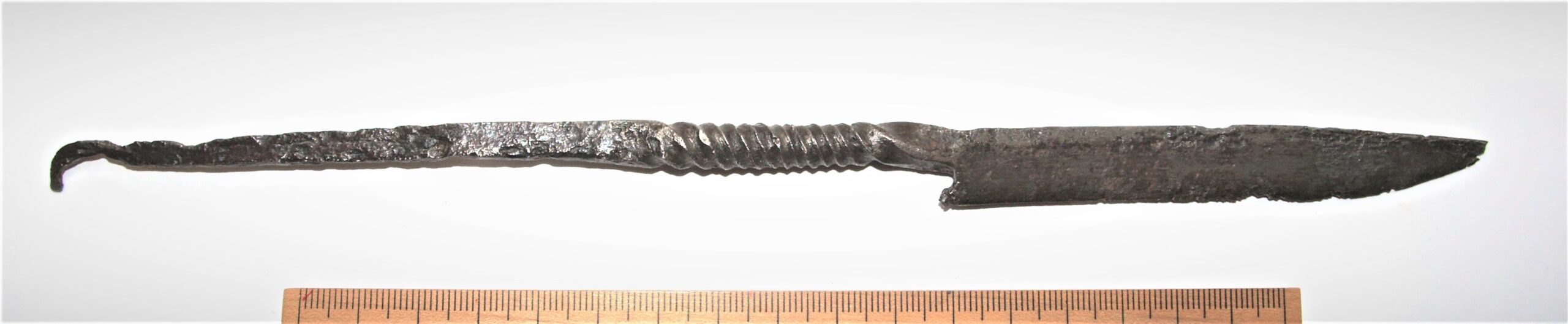
Javelin head with knife-shaped blade and twisted neck. This weapon type was widespread in Saaremaa and coastal Estonia.
Century:
12-13
Discovery code:
AI 4300:756
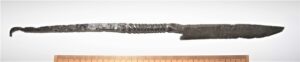
Javelin head with knife-shaped blade and twisted neck. This weapon type was widespread in Saaremaa and coastal Estonia. Similar items have been found at Valjala, Pöide and Muhu hillforts as well as in stone graves, but also in 13th-century inhumation graves at Pada, North-Estonia.
Literature:
Peets, J. & Valt, J. 2011. Ühest rauaaja lõpu relvast Saaremaal, Mandri-Eestis ja naaberpiirkondades. – Saaremaa Muuseum, kaheaastaraamat 2009–2010 (3–29). Saaremaa Muuseum, Kuressaare.
Century:
12-13
Discovery code:
AI 4300:756
Valjala hillfort
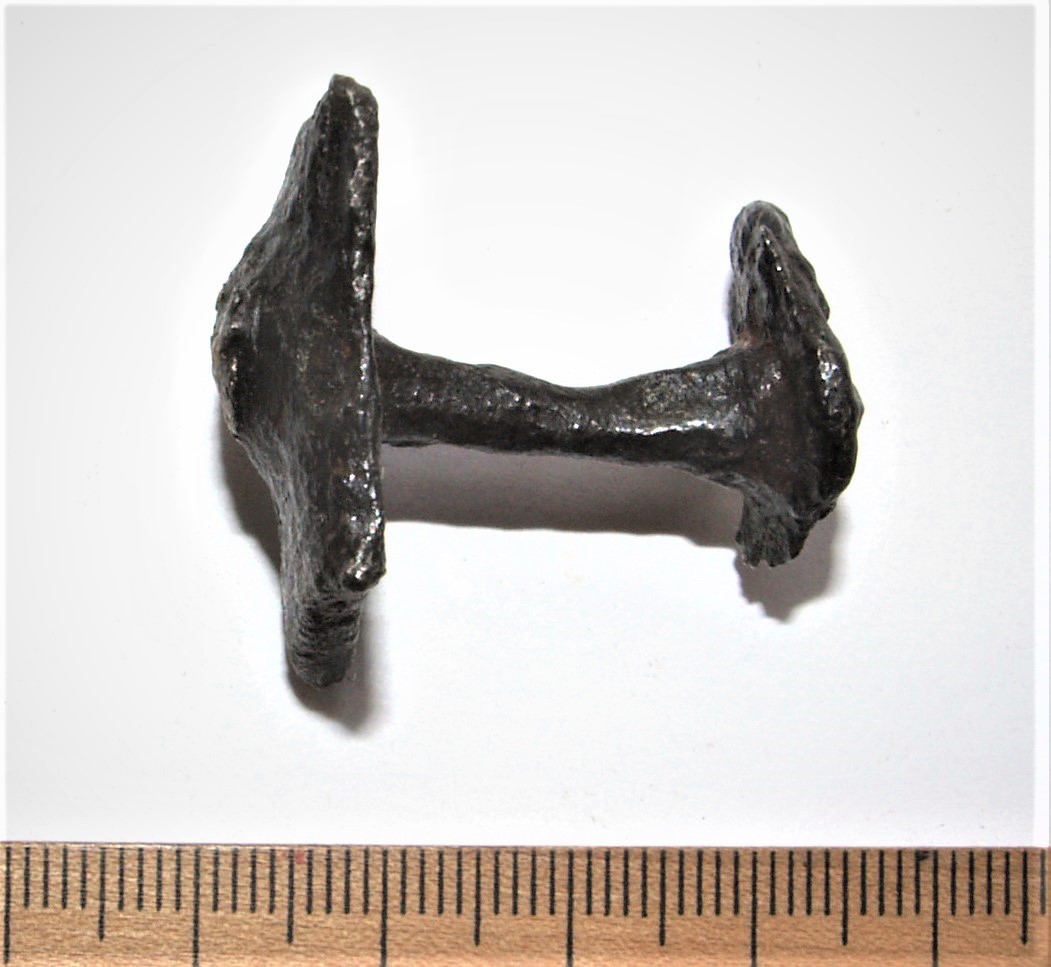
Rivet, iron.
Century:
12-13
Discovery code:
AI 4300:764
Century:
12-13
Discovery code:
AI 4300:764
Valjala hillfort
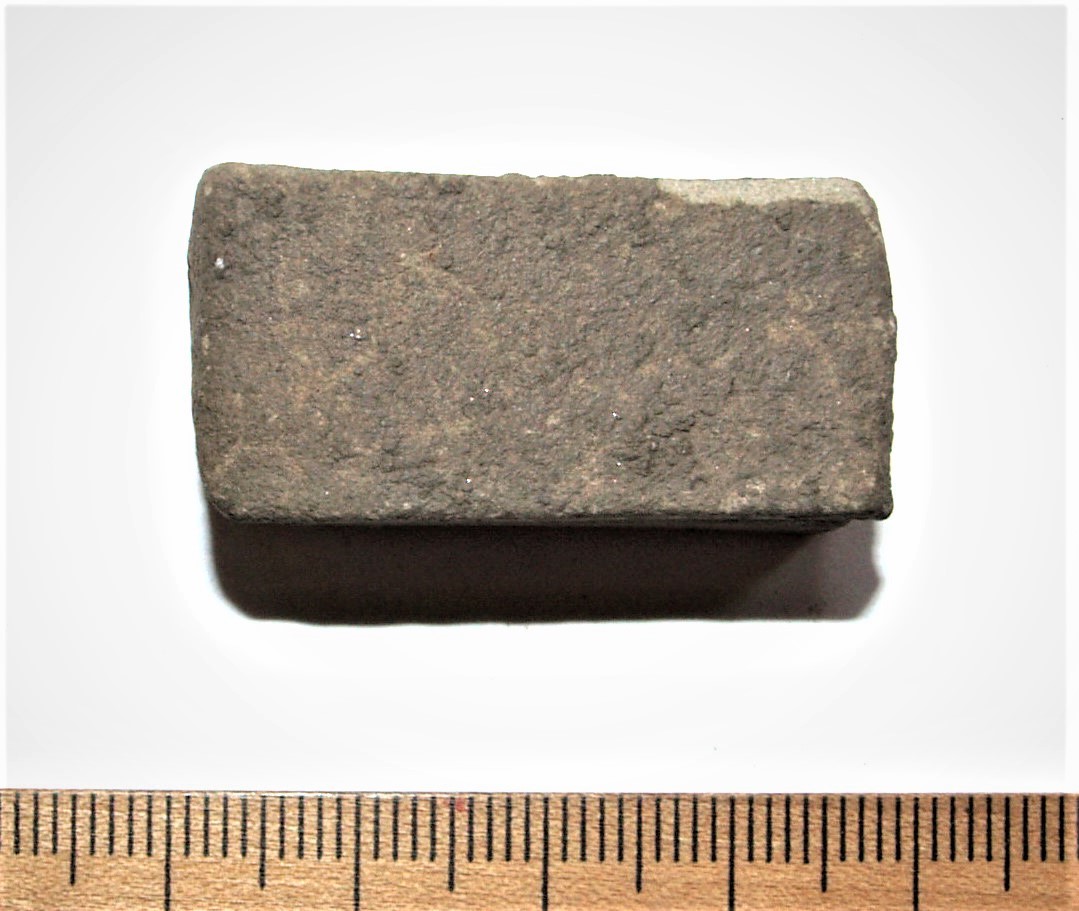
Whetstone.
Century:
12-13
Discovery code:
AI 4300:765
Century:
12-13
Discovery code:
AI 4300:765
Valjala hillfort
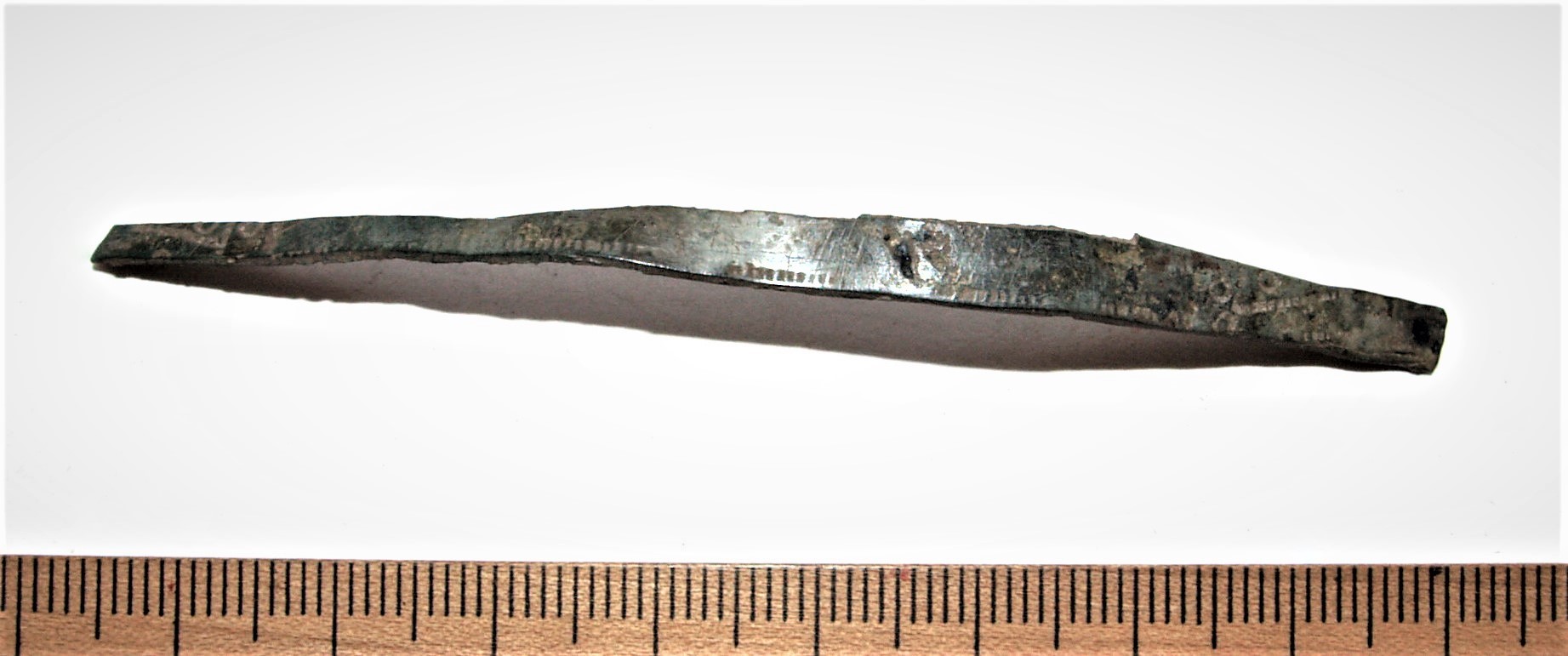
Bracelet.
Century:
12-13
Discovery code:
AI 4300:766
Century:
12-13
Discovery code:
AI 4300:766
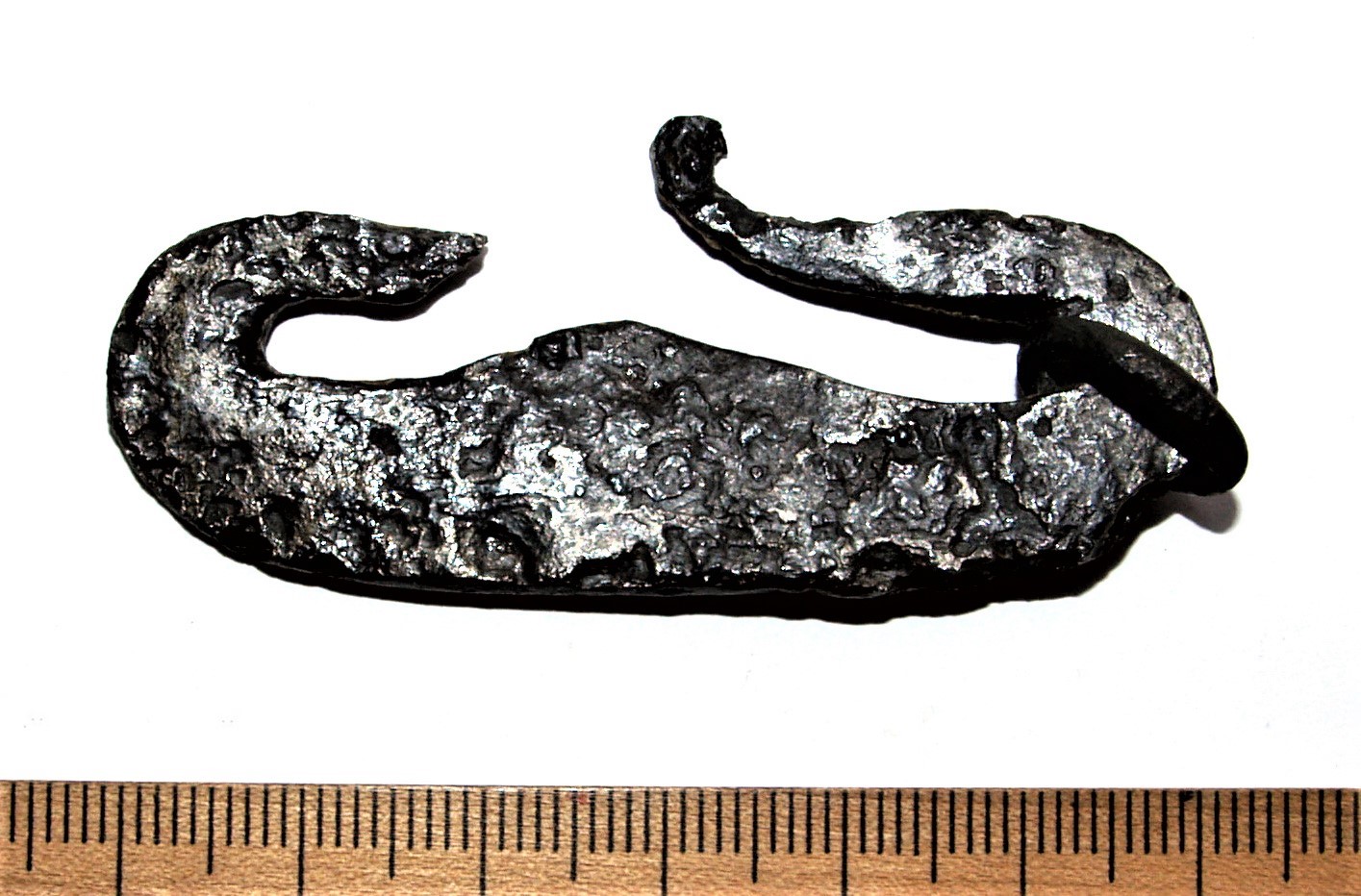
Valjala hillfort
Fire striking iron. Similar stike-a-ligts were used over a long period. Dated here due to the context.
Century:
12-13
Discovery code:
AI 4300:767
Century:
12-13
Discovery code:
AI 4300:767
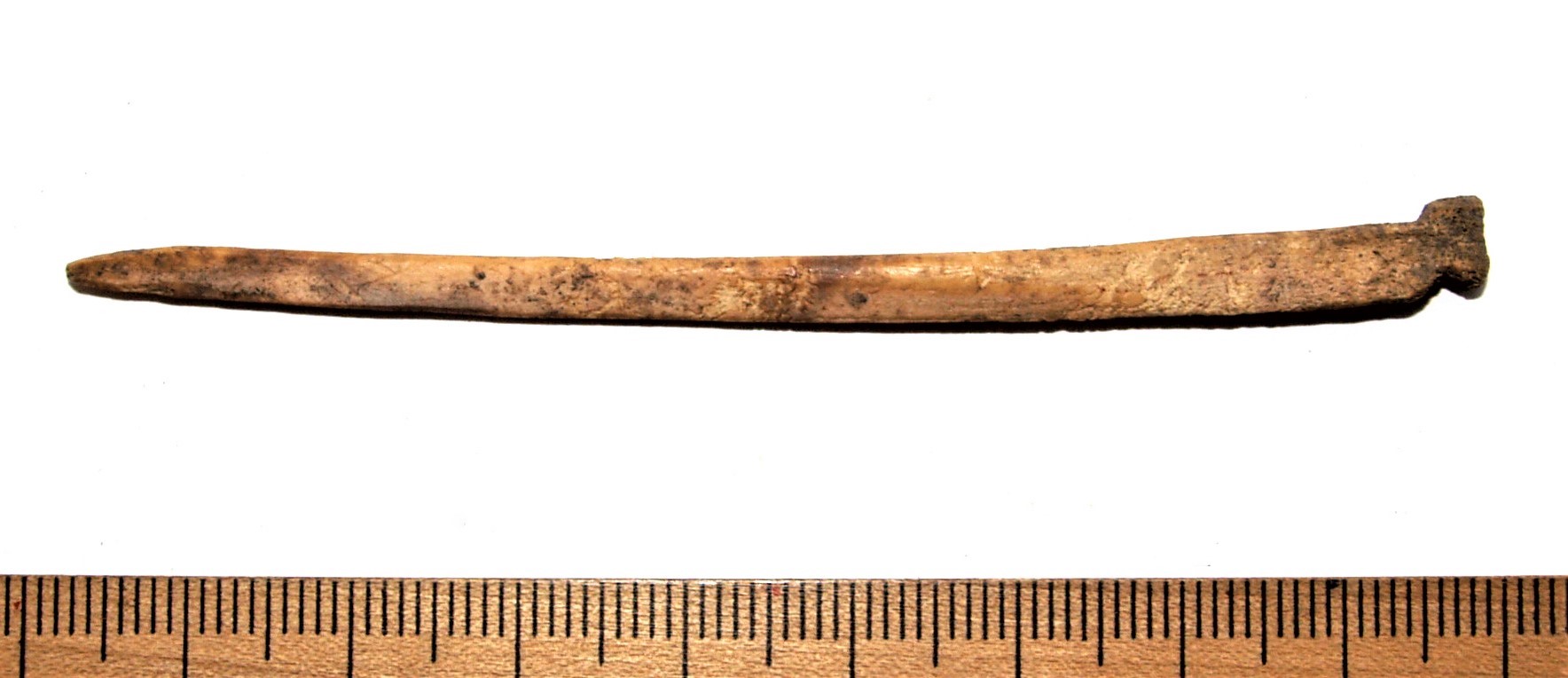
Valjala hillfort
Awl.
Century:
12-13
Discovery code:
AI 4300:770
Century:
12-13
Discovery code:
AI 4300:770

Valjala hillfort
Sewing needle.
Century:
12-13
Discovery code:
AI 4300:773
Century:
12-13
Discovery code:
AI 4300:773
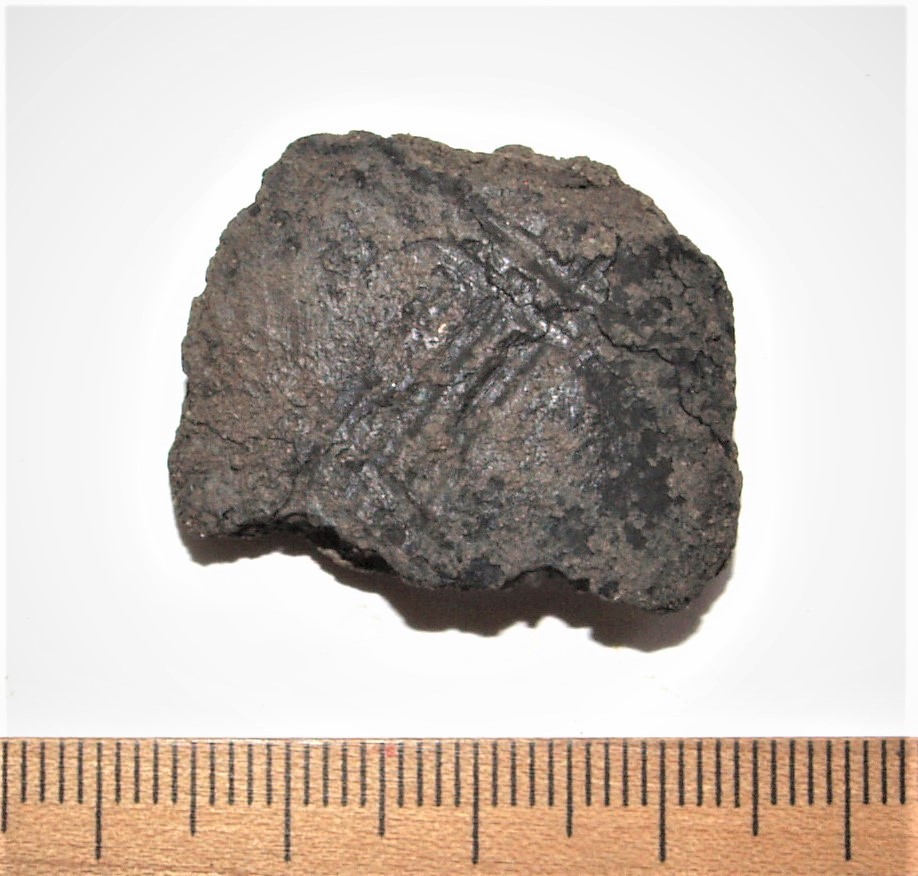
Valjala hillfort
Potsherd of a pot wall, hand-made ceramic, decorated with rhombic checker. Pots with very similar decoration have been found e g at Rahu stone grave near Valjala, or at Soontagana hill-fort in West-Estonia. Rhombic checker decoration on ceramic was characteristic for Saaremaa, West- and NW-Estonia, the variant as here mainly for Saaremaa.
Century:
11-12
Discovery code:
AI 4300:800
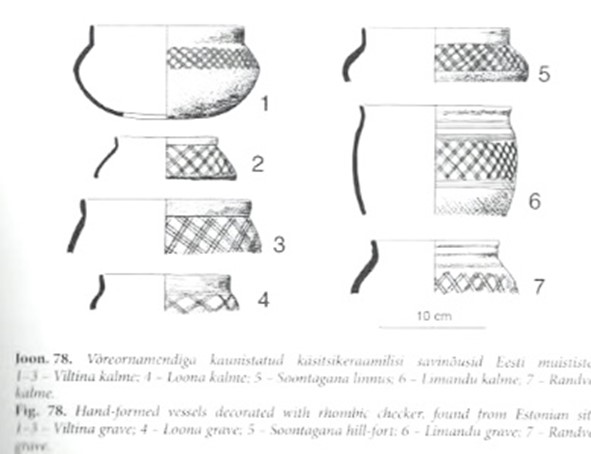
Potsherd of a pot wall, hand-made ceramic, decorated with rhombic checker. Pots with very similar decoration have been found e g at Rahu stone grave near Valjala, or at Soontagana hill-fort in West-Estonia. Rhombic checker decoration on ceramic was characteristic for Saaremaa, West- and NW-Estonia, the variant as here mainly for Saaremaa.
Literature:
Tvauri, A. 2005. Latest Iron Age Pottery In Estonia (from the 11th century to the middle of the 13th century). – Muinasaja teadus, 16. Tartu-Tallinn, 92-107. Read the article (ENG p. 177-181): here.
Century:
11-12
Discovery code:
AI 4300:800

