
Database
Valjala hillfort
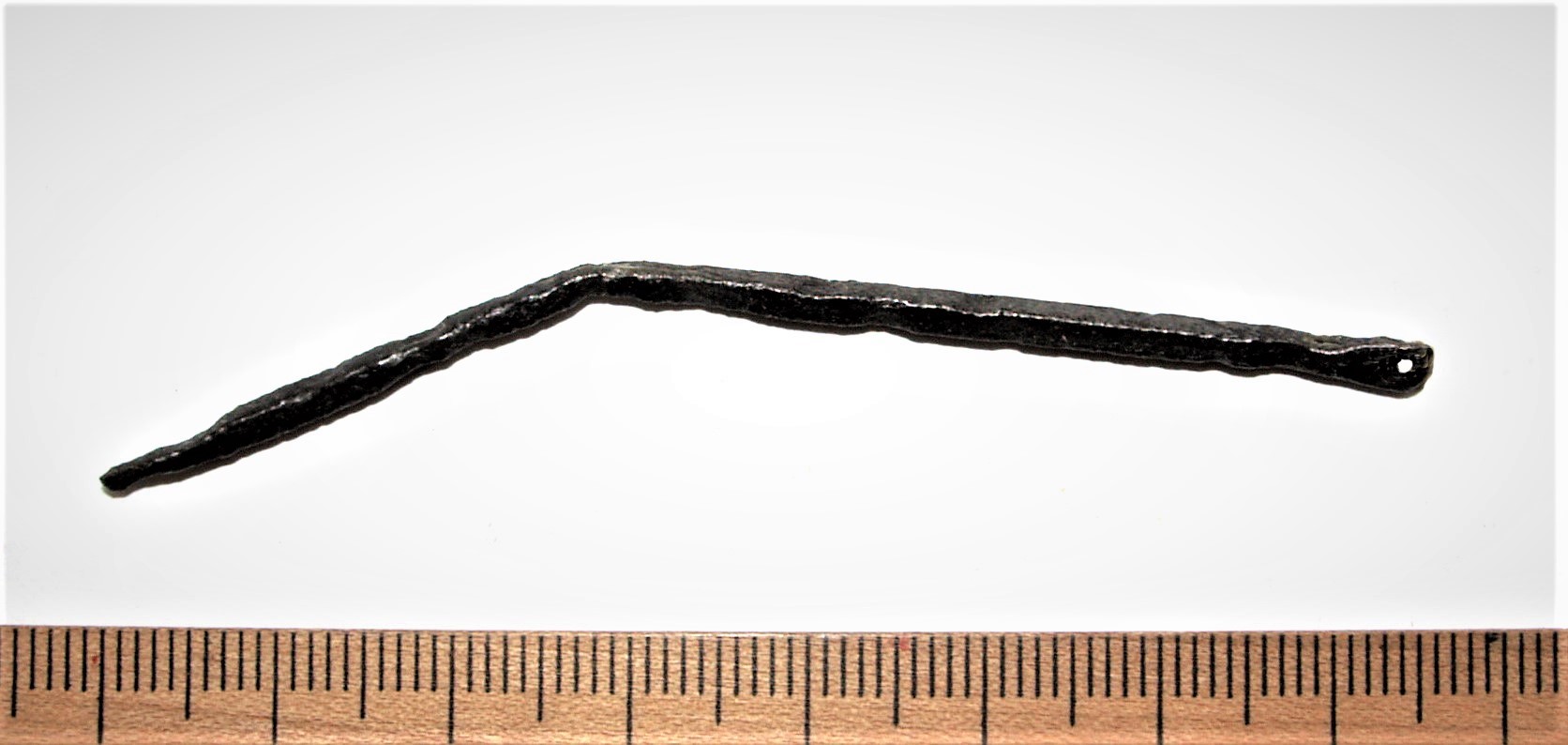
Sewing needle.
Century:
12-13
Discovery code:
AI 4300:810
Century:
12-13
Discovery code:
AI 4300:810
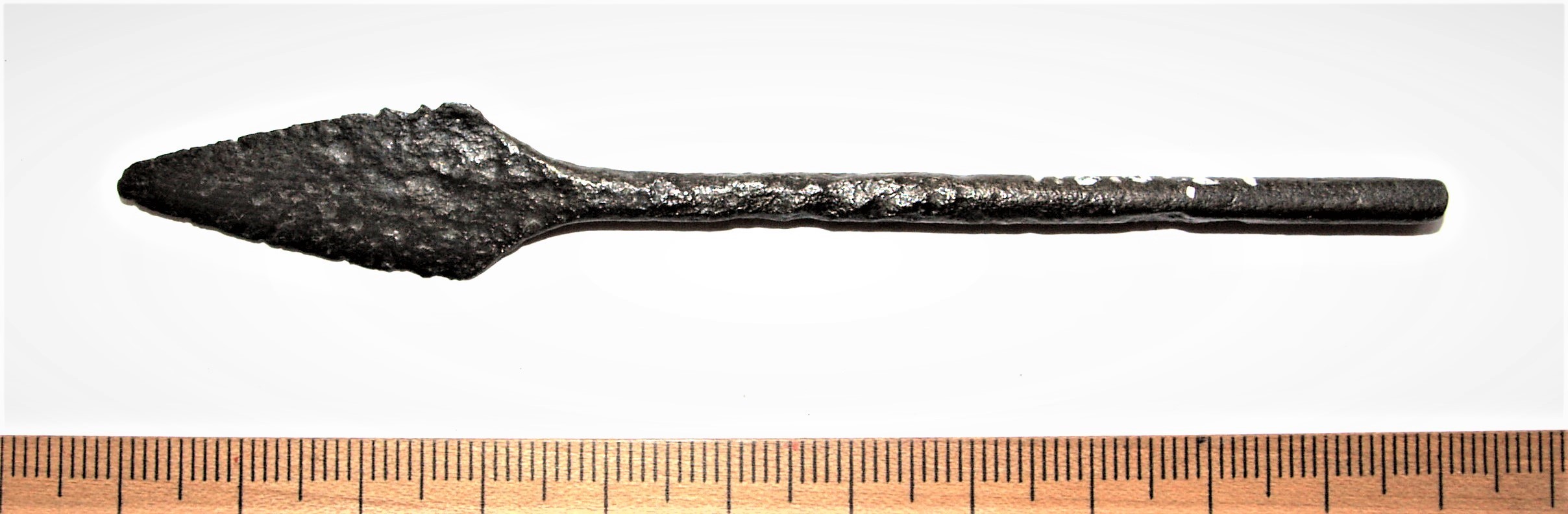
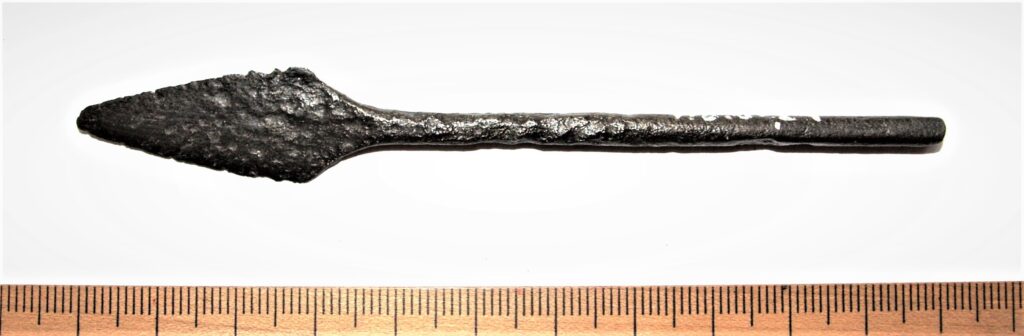
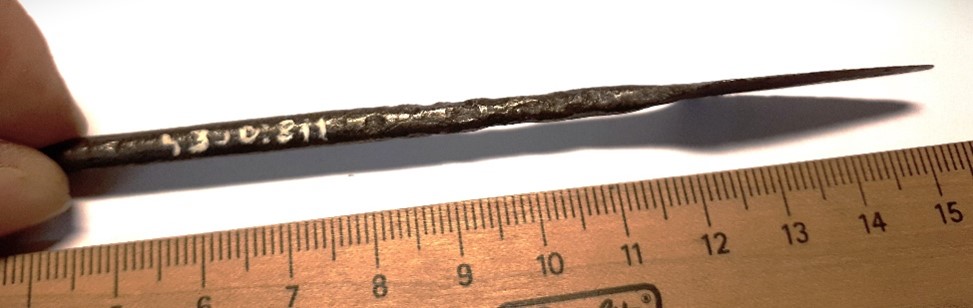
Tanged javelin head. Similar javelin head has been found, for instance, in grave No 5 at Dundaga Laukmuiźa, Couronia, which is dated to the second half of the 13th or the first half of the 14th century (Muižnieks & Žeiere 2021, Fig. 104).
Literature:
Muižnieks, V. & Žeiere, I. 2021. Dundagas Laukmuižas 13. – 14. gadsimta senkapi. The 13th-14th Century Cemetery of Dundagas Laukmuiža. – Latvias nacionālā vēstures muzeja raksti nr. 30. Arheoloģija. Rīga, fig. 104.
Century:
13-14
Discovery code:
AI 4300:811
Valjala hillfort
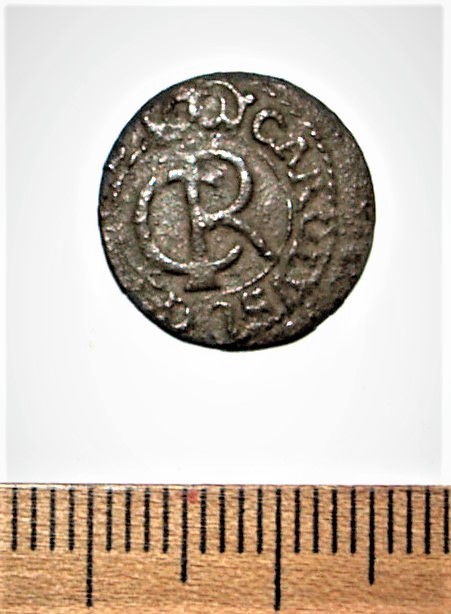
Karl XI (1660-1697) coin.
Century:
17
Discovery code:
AI 4300:815
Century:
17
Discovery code:
AI 4300:815
Valjala hillfort
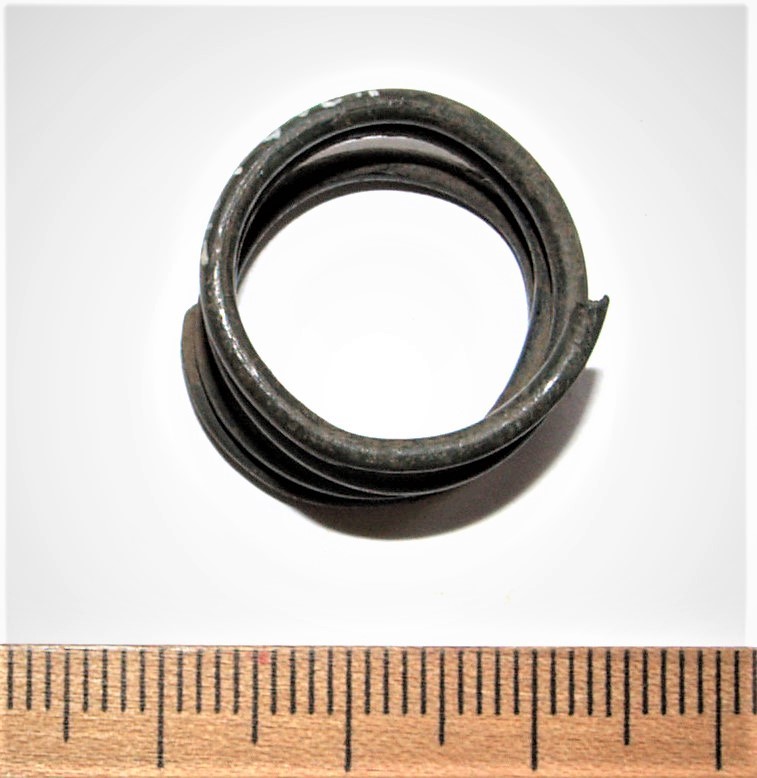
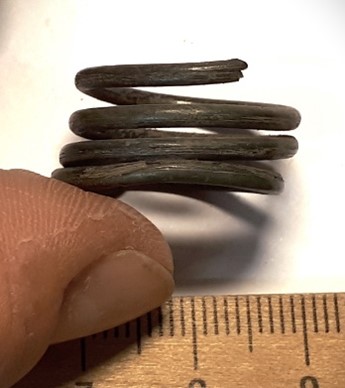
Big spiral, perhaps finger-ring, bronze.
Century:
12-13
Discovery code:
AI 4300:817
Big spiral, perhaps finger-ring, bronze.
Century:
12-13
Discovery code:
AI 4300:817
Valjala hillfort
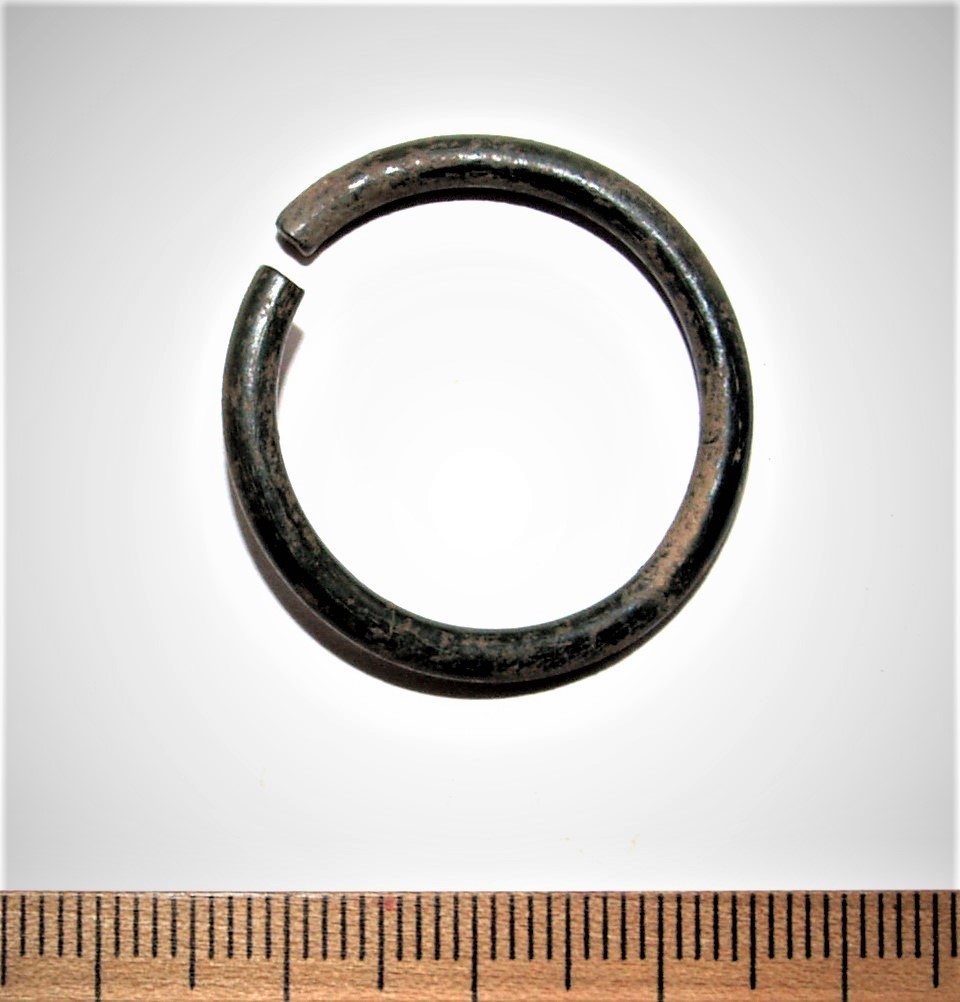
Open ring, bronze.
Century:
12-13
Discovery code:
AI 4300:821
Century:
12-13
Discovery code:
AI 4300:821
Valjala hillfort
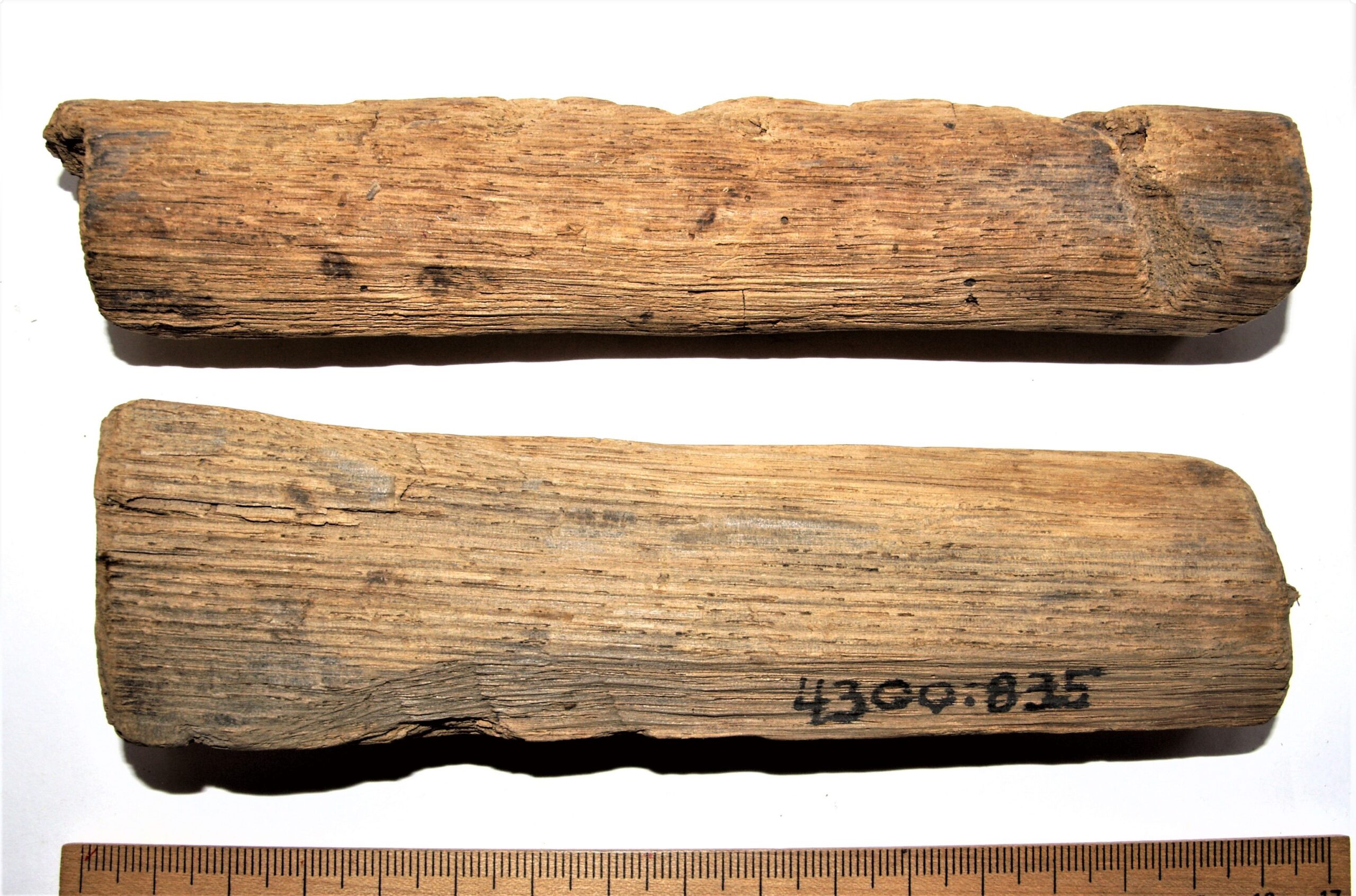
Fragments of a wooden artefact, 2.
Century:
12-13
Discovery code:
AI 4300:835
Century:
12-13
Discovery code:
AI 4300:835
Valjala hillfort
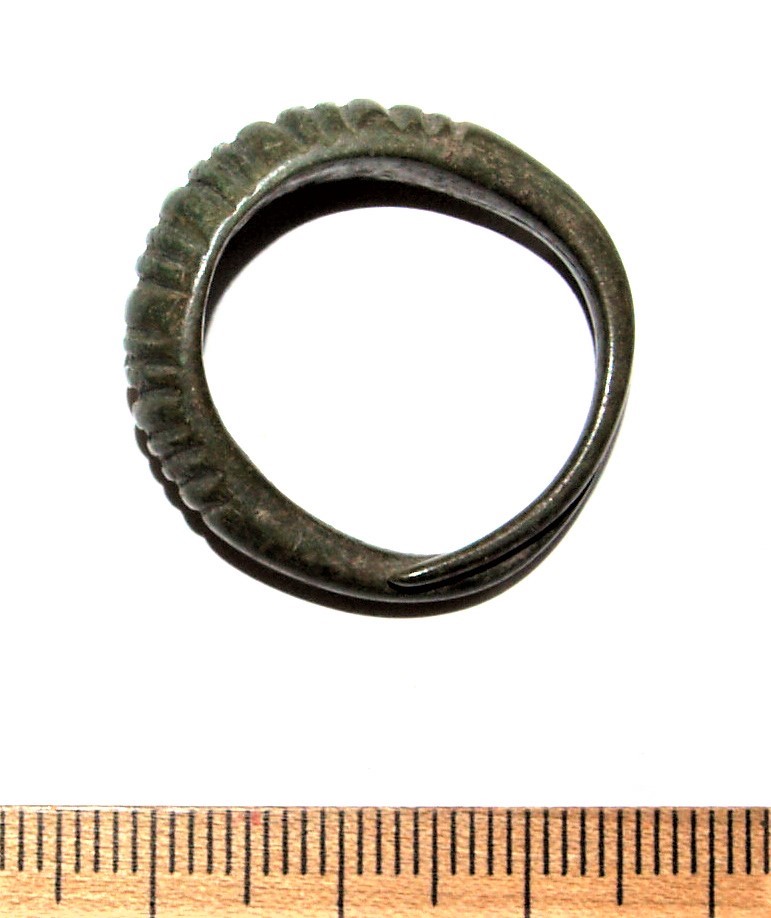
Finger-ring, bronze. This type of finger-ring has a thickened middle section with engraved diagonal grooves. A well-known type of ring in the archaeological material of the Estonian islands often found in both stone graves with cremations as well as inhumation burials.
Century:
13
Discovery code:
AI 4300: 836
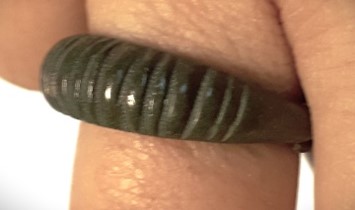
Finger-ring, bronze. This type of finger-ring has a thickened middle section with engraved diagonal grooves. A well-known type of ring in the archaeological material of the Estonian islands often found in both stone graves with cremations as well as inhumation burials. Could have come into use already during the 12th century AD (Mägi 2002, 109).
Literature:
Mägi, M. 2002. At the Crossroads of Space and Time. Graves, Changing Society and Ideology on Saaremaa (Ösel), 9th–13th centuries AD. CCC papers: 6. Gotland University College, Centre for Baltic Studies; Institute of History, Department of Archaeology. Tallinn, 2002. Read the book: here. Look at the drawings of the archaeological excavations: here.
Mägi, M.; Malve, M. & Toome, T. (2019). Early Christian burials at Valjala churchyard, Saaremaa. – Archaeological Fieldwork in Estonia 2018, 93−118, 109. Read the article: here.
Century:
13
Discovery code:
AI 4300: 836
Valjala hillfort
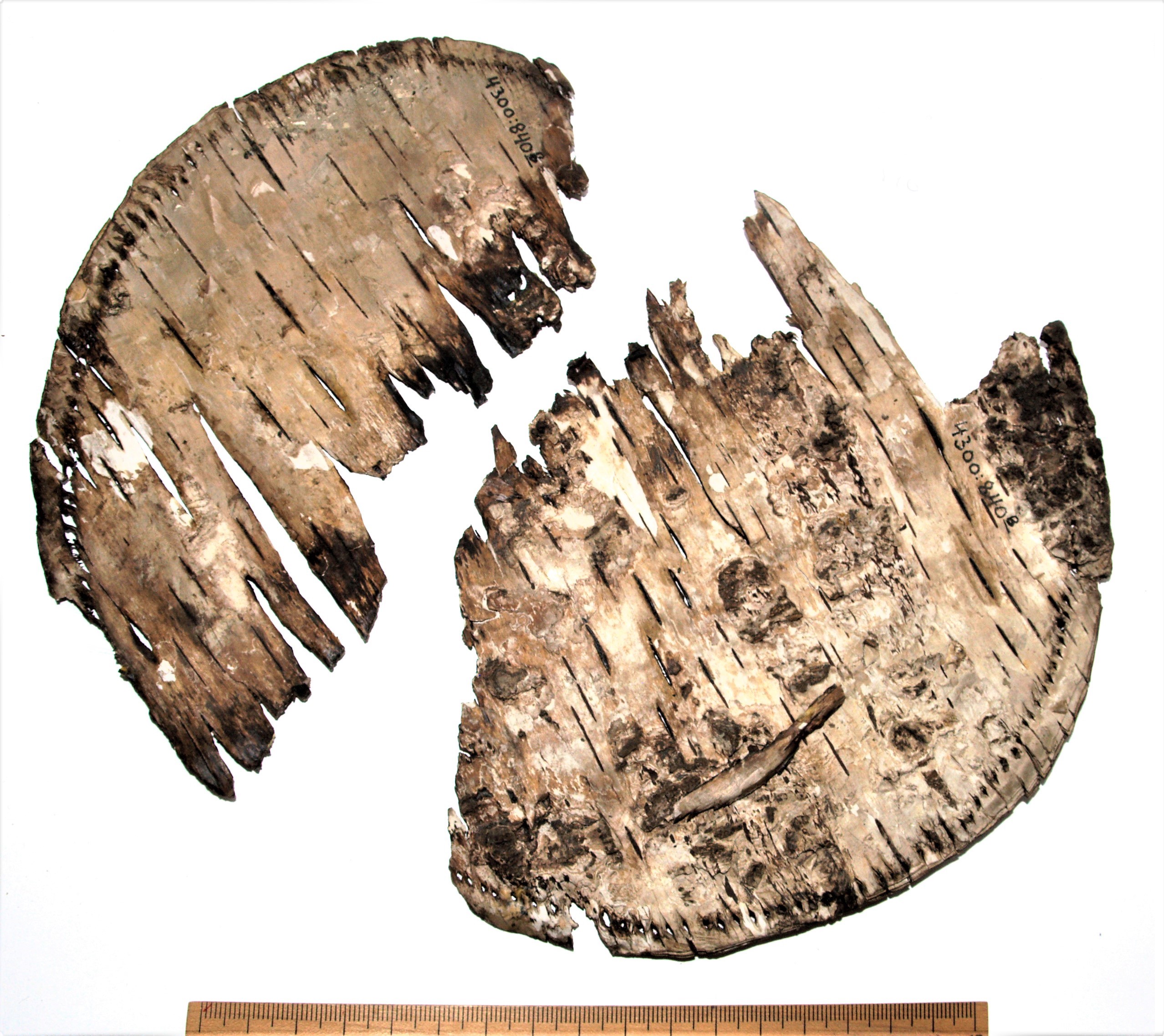
Fragments of a bark box, from the well.
Century:
12-14
Discovery code:
AI 4300:840
Century:
12-14
Discovery code:
AI 4300:840
Valjala hillfort
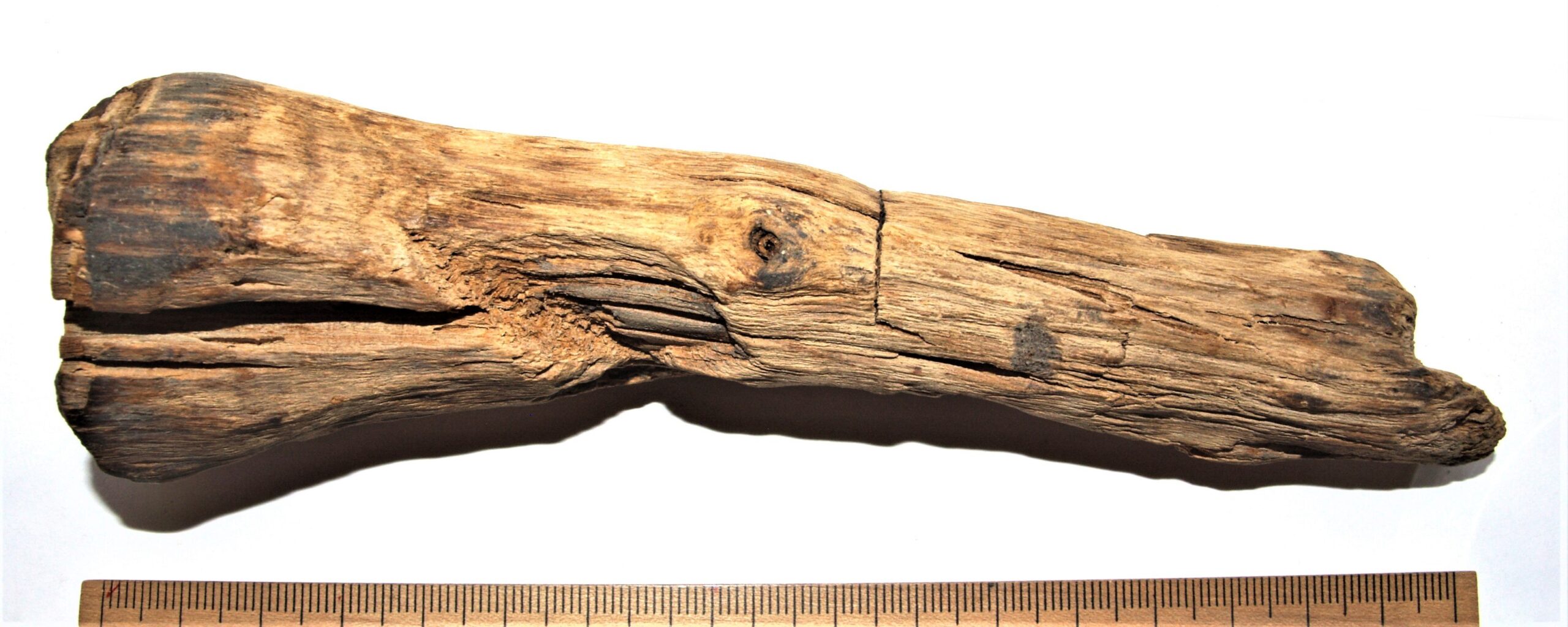
Fragment of a wooden artefact.
Century:
12-14
Discovery code:
AI 4300:842
Century:
12-14
Discovery code:
AI 4300:842

