
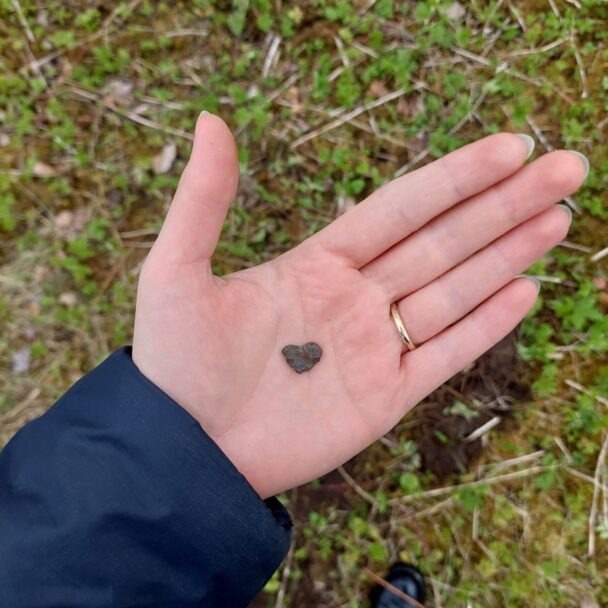
Database
Century:
10-13
Discovery code:
AI 3884: 481
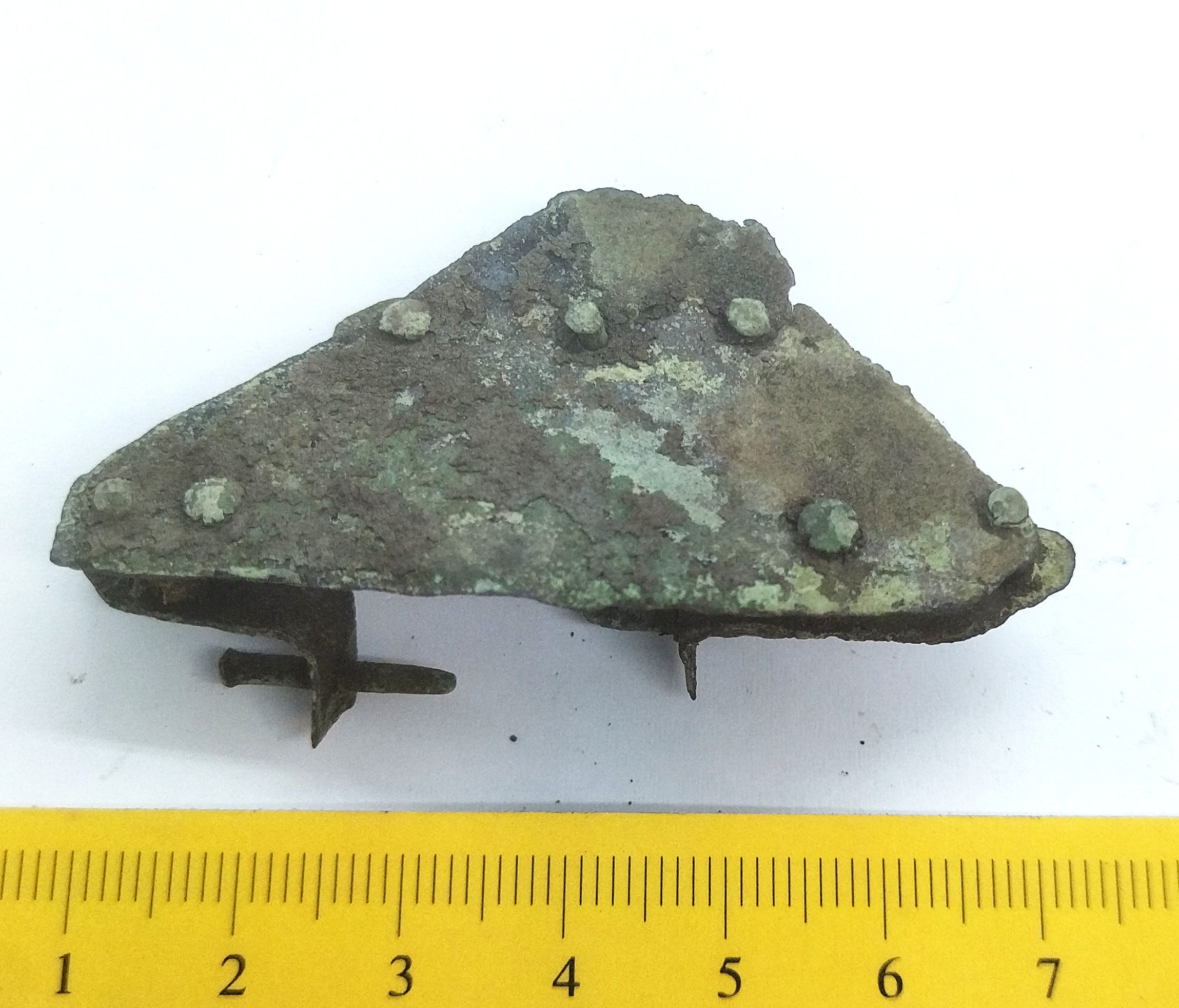
Belt mount, copper alloy. A widespread type of belt mount in Saaremaa and surrounding areas, often found in stone graves with cremation burials. Most likely date to the 12th century but could have also been used in the early 13th century (Griciuvienė 2009, 349; Mugurēvičs 2008, 122; Mägi 2002, 98).
Literature:
Mägi, M. 2002. At the crossroads of space and time: graves, changing society and ideology on Saaremaa (Ösel), 9th–13th centuries AD. Tallinn.
Mugurēvičs, Ē. 2008. Viduslaiku ciems un pils Salaspils novadā. Latvijas Vēstures Institūta Apgāds, Rīga.
Griciuvienė, E. (prepared by) 2009. Kuršiai. Genties kultūra laidosenos duomenimis. Baltų archeologijos paroda. Katalogas. The Curonians. Tribe Culture According to the Burial Data. Baltic Archaeological Exhibition. Catalogue. Vilnius – Riga, Lietuvos nacionalis muziejus; Latvijas Nacionālais vēstures muzejs.
Century:
12
Discovery code:
AI 3884: 558
Century:
10-13
Discovery code:
AI 3884: 602
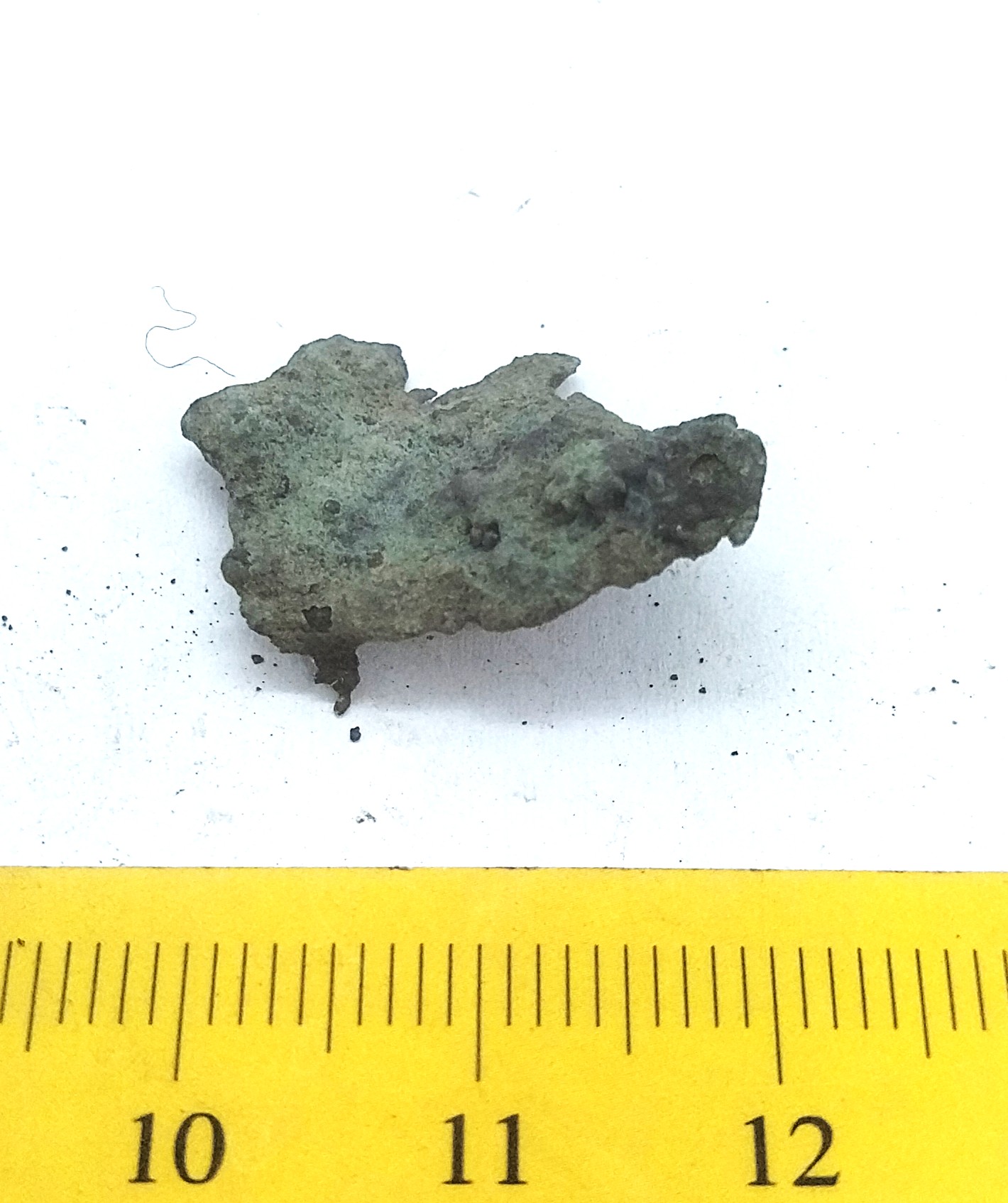
Century:
10-13
Discovery code:
AI 3884: 737
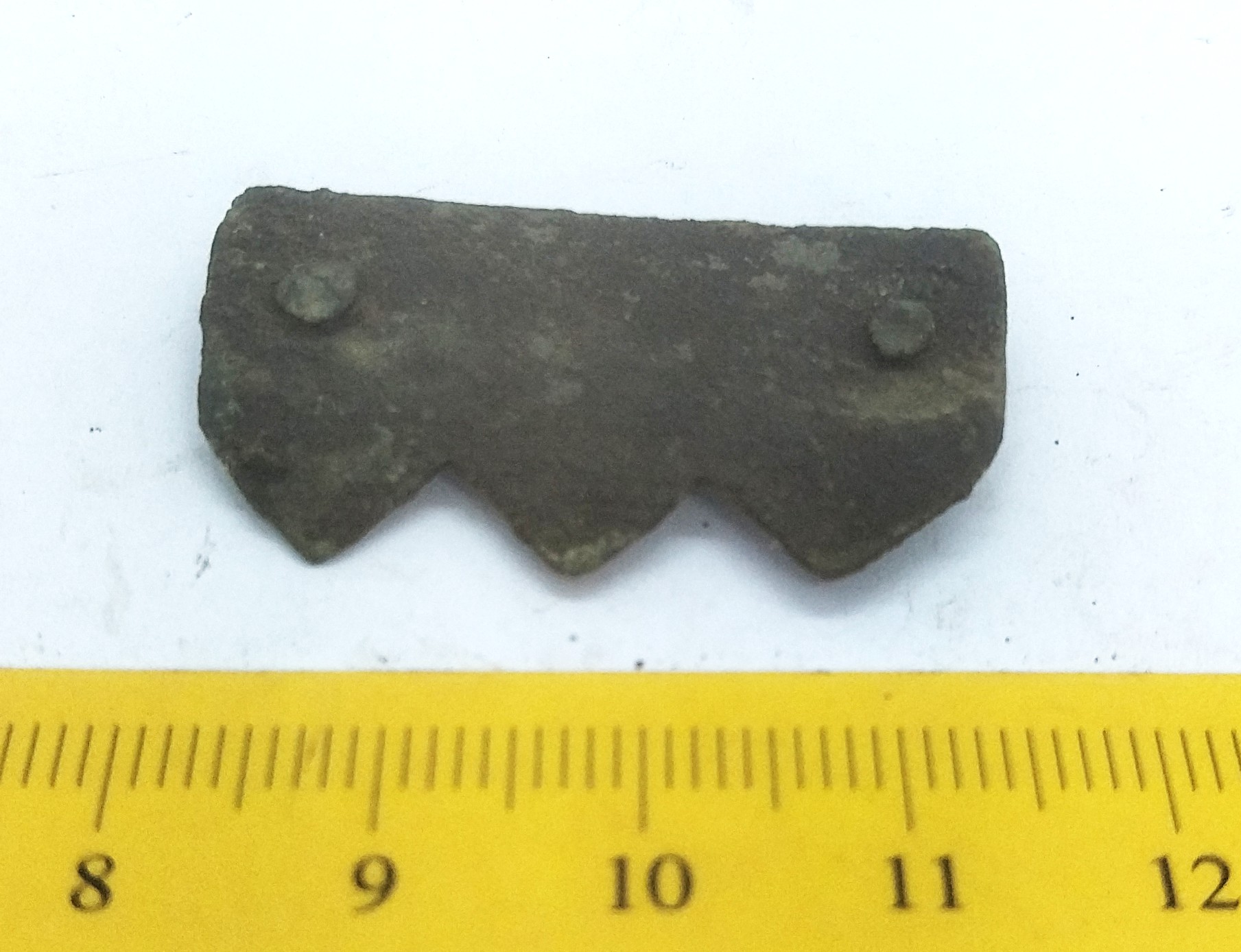
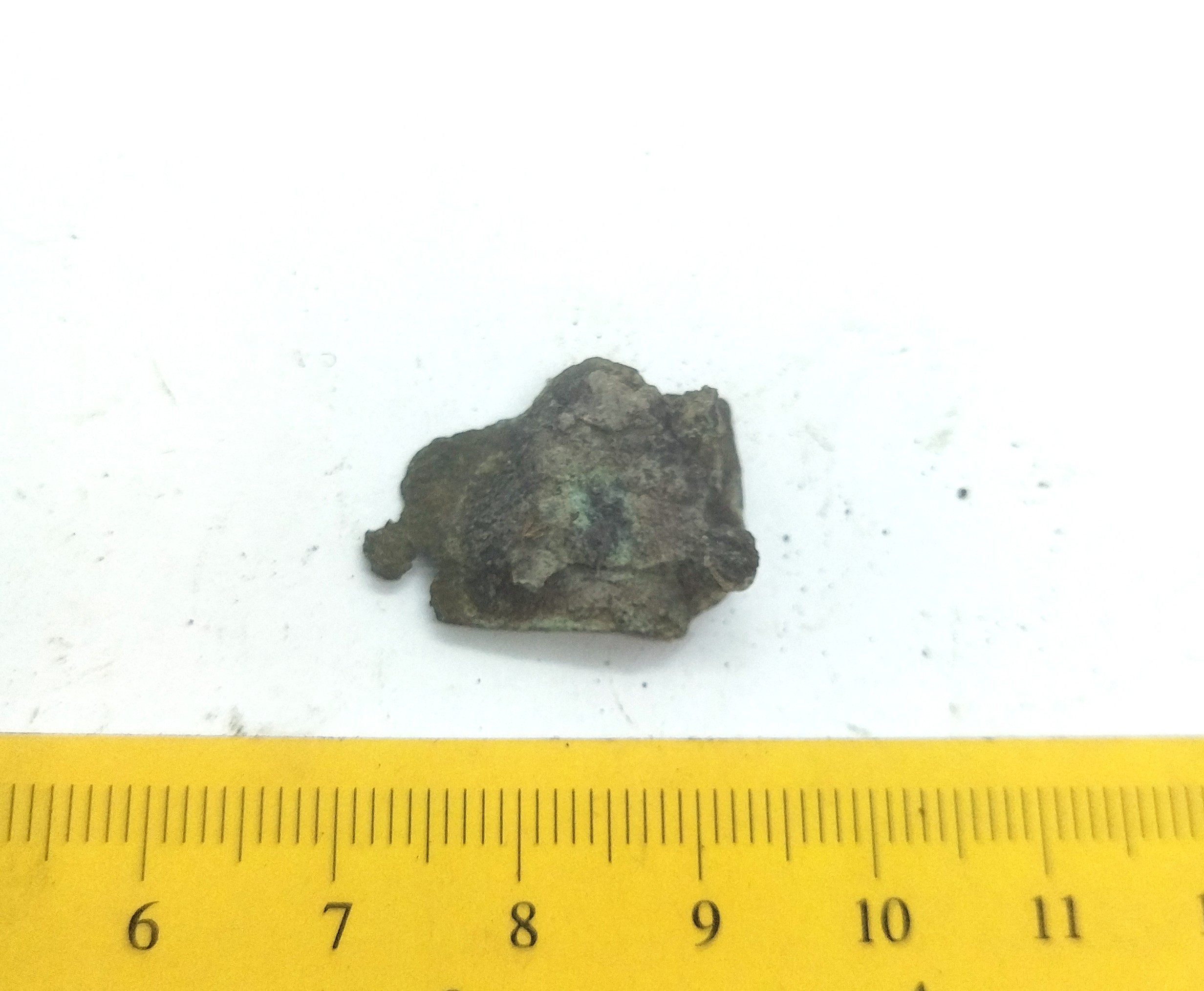
Belt mount, copper alloy. A widespread type of belt mount in Saaremaa and surrounding areas, often found in stone graves with cremation burials. Most likely date to the 12th century but could have also been used in the early 13th century (Griciuvienė 2009, 349; Mugurēvičs 2008, 122; Mägi 2002, 98).
Literature:
Mägi, M. 2002. At the crossroads of space and time: graves, changing society and ideology on Saaremaa (Ösel), 9th–13th centuries AD. Tallinn.
Mugurēvičs, Ē. 2008. Viduslaiku ciems un pils Salaspils novadā. Latvijas Vēstures Institūta Apgāds, Rīga.
Griciuvienė, E. (prepared by) 2009. Kuršiai. Genties kultūra laidosenos duomenimis. Baltų archeologijos paroda. Katalogas. The Curonians. Tribe Culture According to the Burial Data. Baltic Archaeological Exhibition. Catalogue. Vilnius – Riga, Lietuvos nacionalis muziejus; Latvijas Nacionālais vēstures muzejs.
Century:
12
Discovery code:
AI 3884: 739
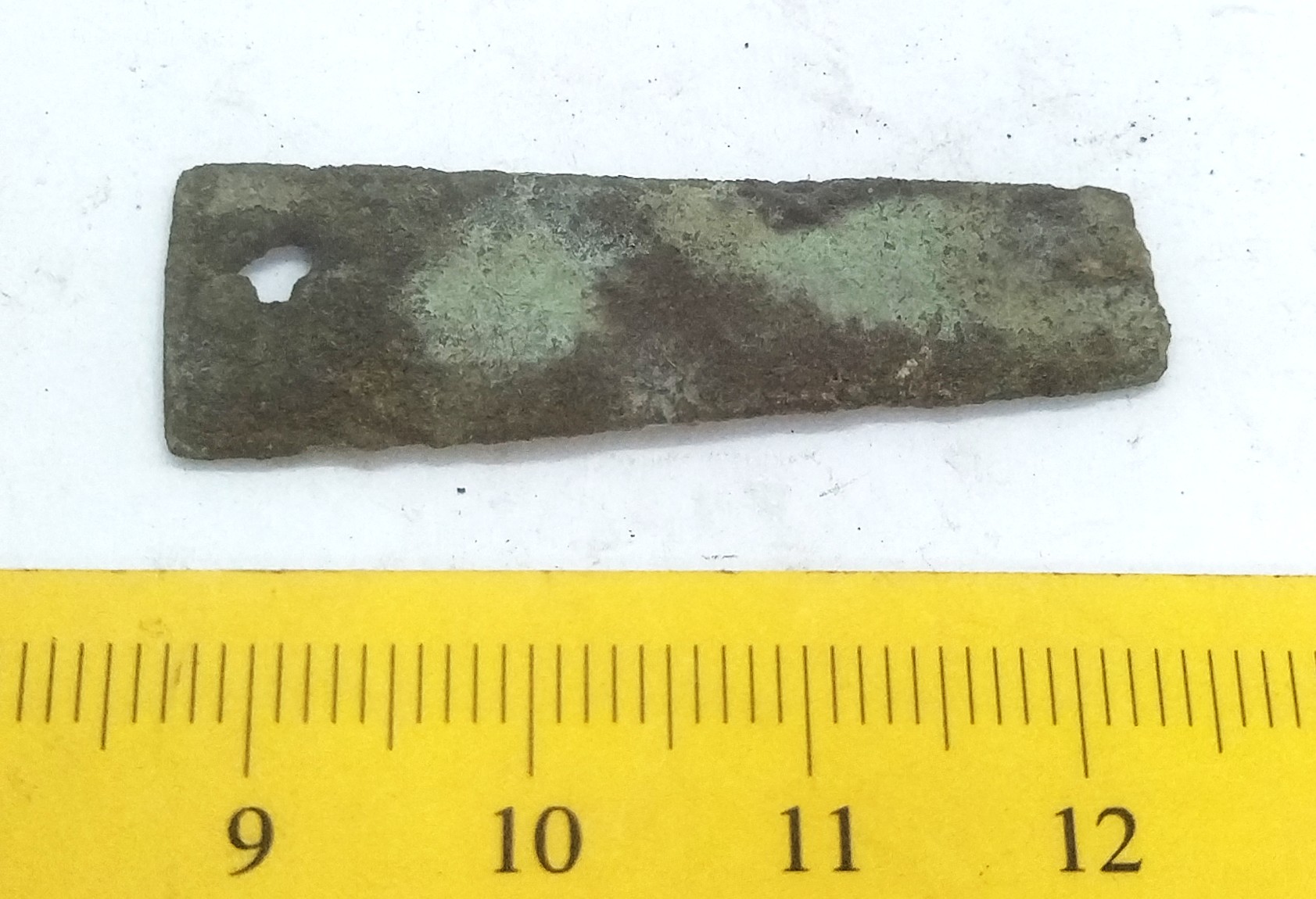
Century:
10-13
Discovery code:
AI 3884: 792
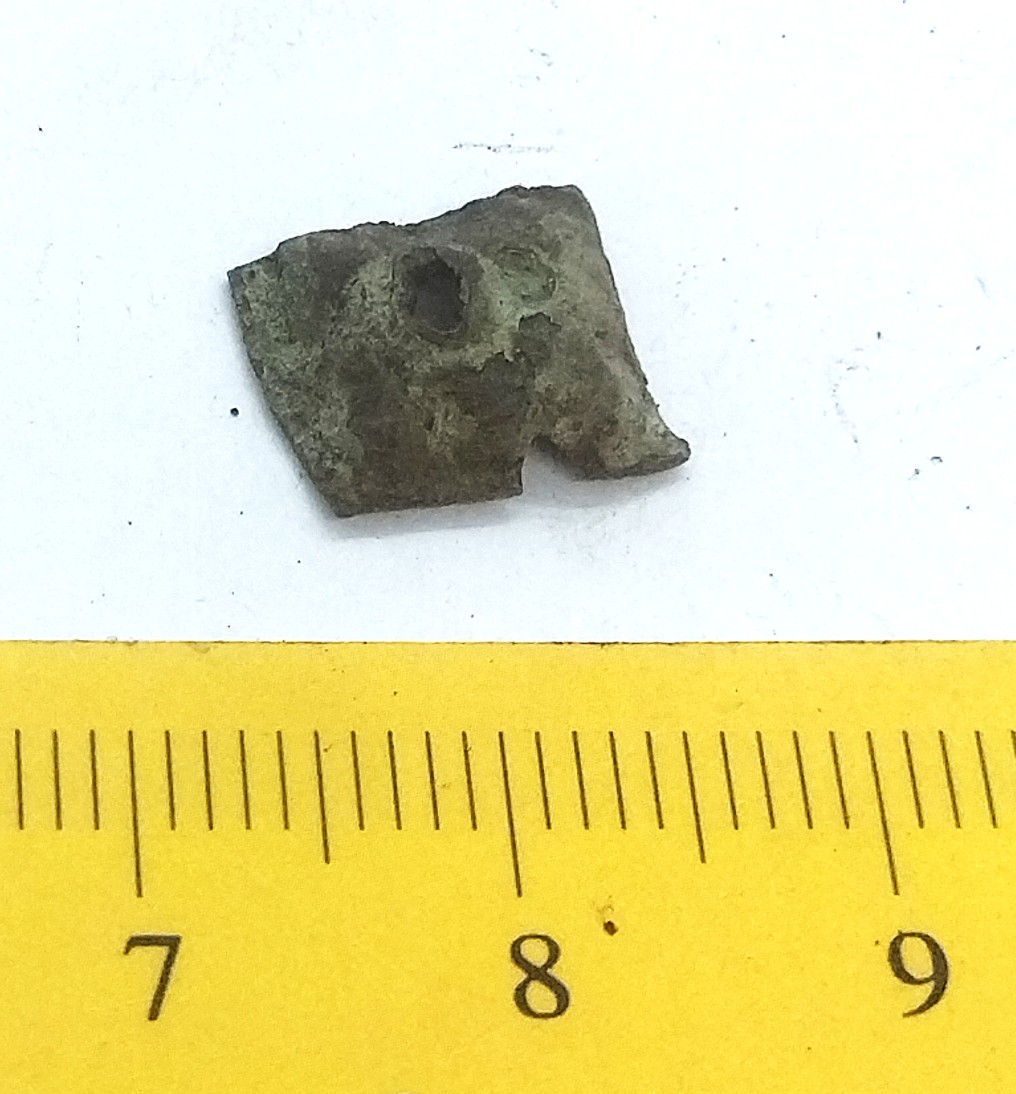
Century:
10-13
Discovery code:
AI 3884: 822
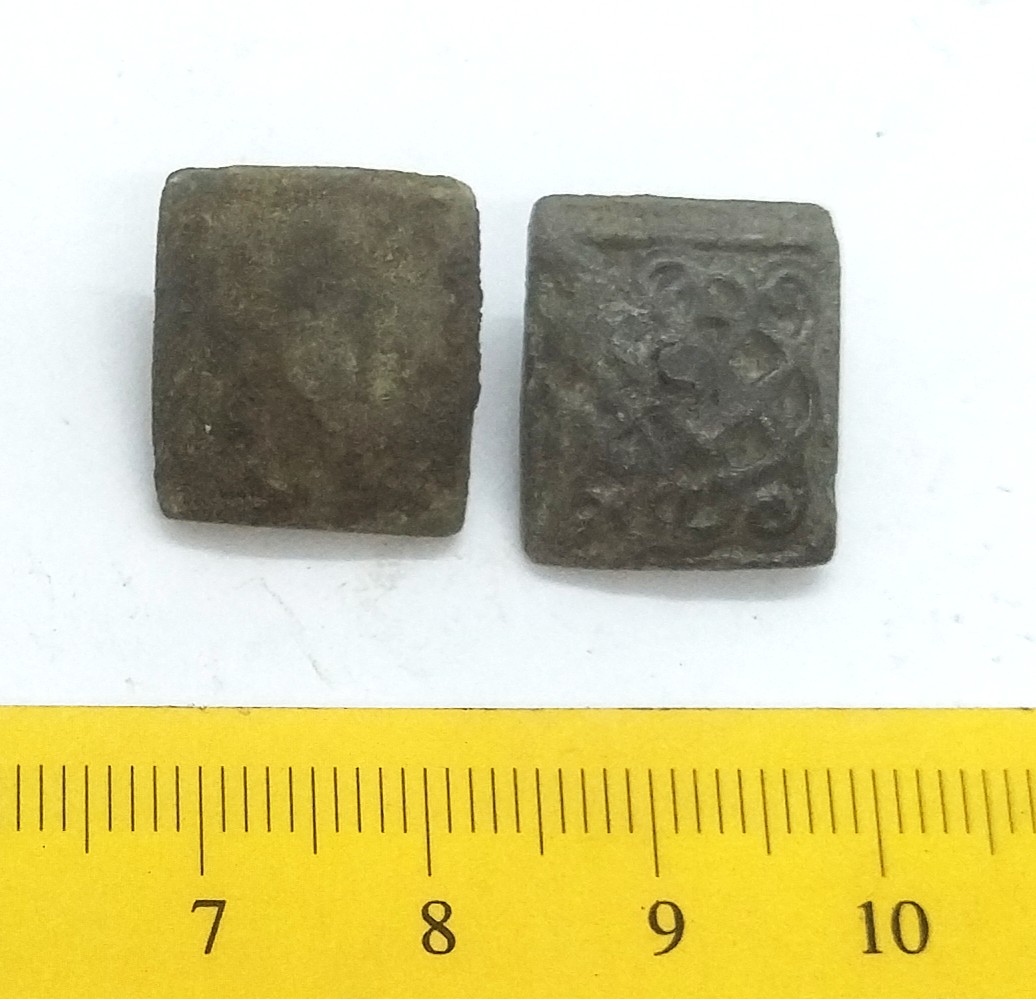
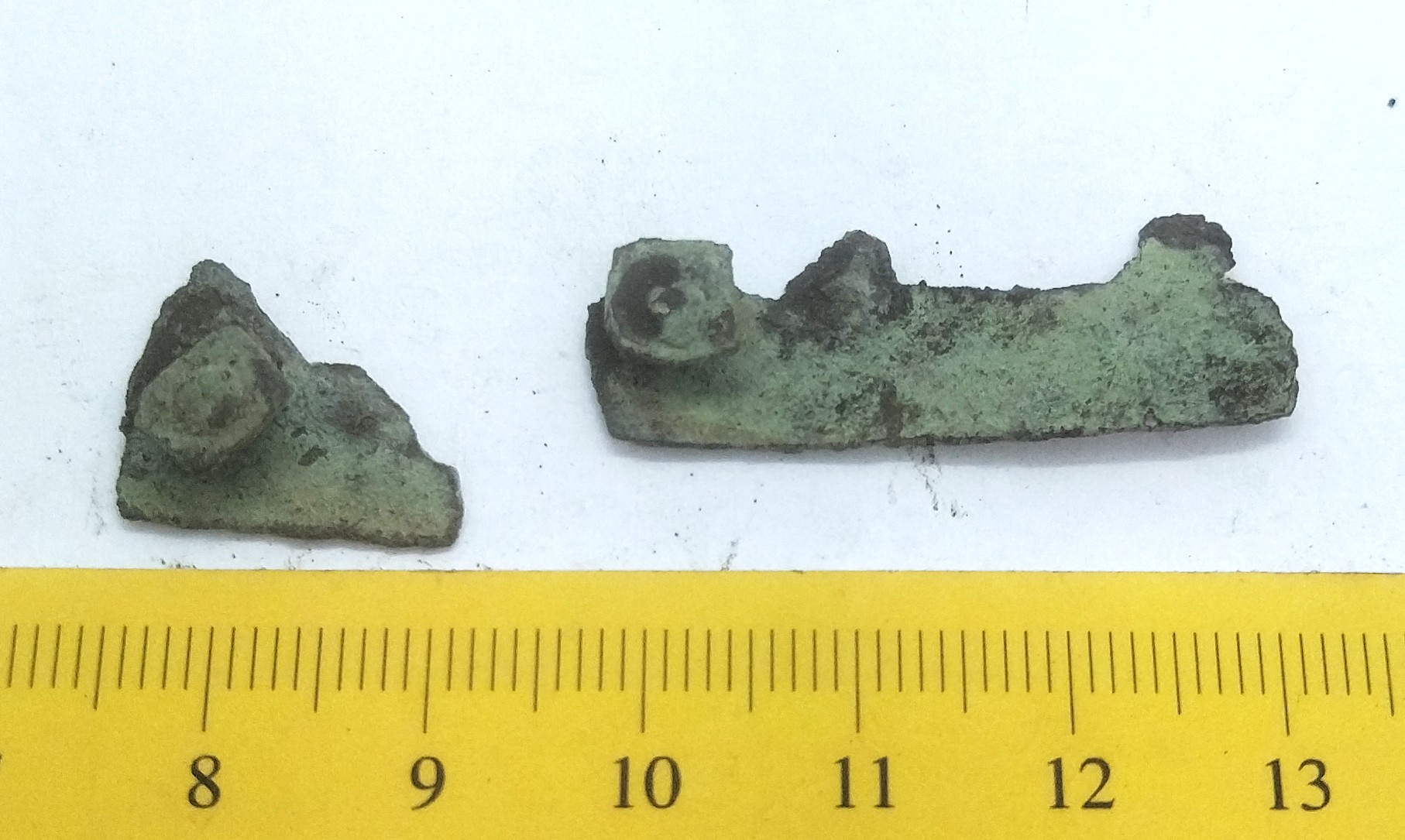
Square belt mounts, 2, copper alloy. Decorated in the Urnes style. Some similar examples have been found on Gotland (Thunmark-Nylén 1998, plate 140: 28c; Jets 2013, 160). Based on the Urnes style it could be dated to the second half of the 11th century to the beginning of 12th century (Jets, 2013).
Literature:
Jets, I. 2013. Lahingu maod. Skandinaavia 9.-11. sajandi sajandi kunstistiilid Eesti arheoloogilistel leidudel. Tallinn: Tallinna Ülikooli Kirjastus.
Thunmark-Nylén, L. 1998. Die Wikingerzeit Gotlands II, Typentafeln. Stockholm: Kungl.Vitterhets Historie och Antikvitets Akademien.
Century:
11-12
Discovery code:
AI 3884: 844
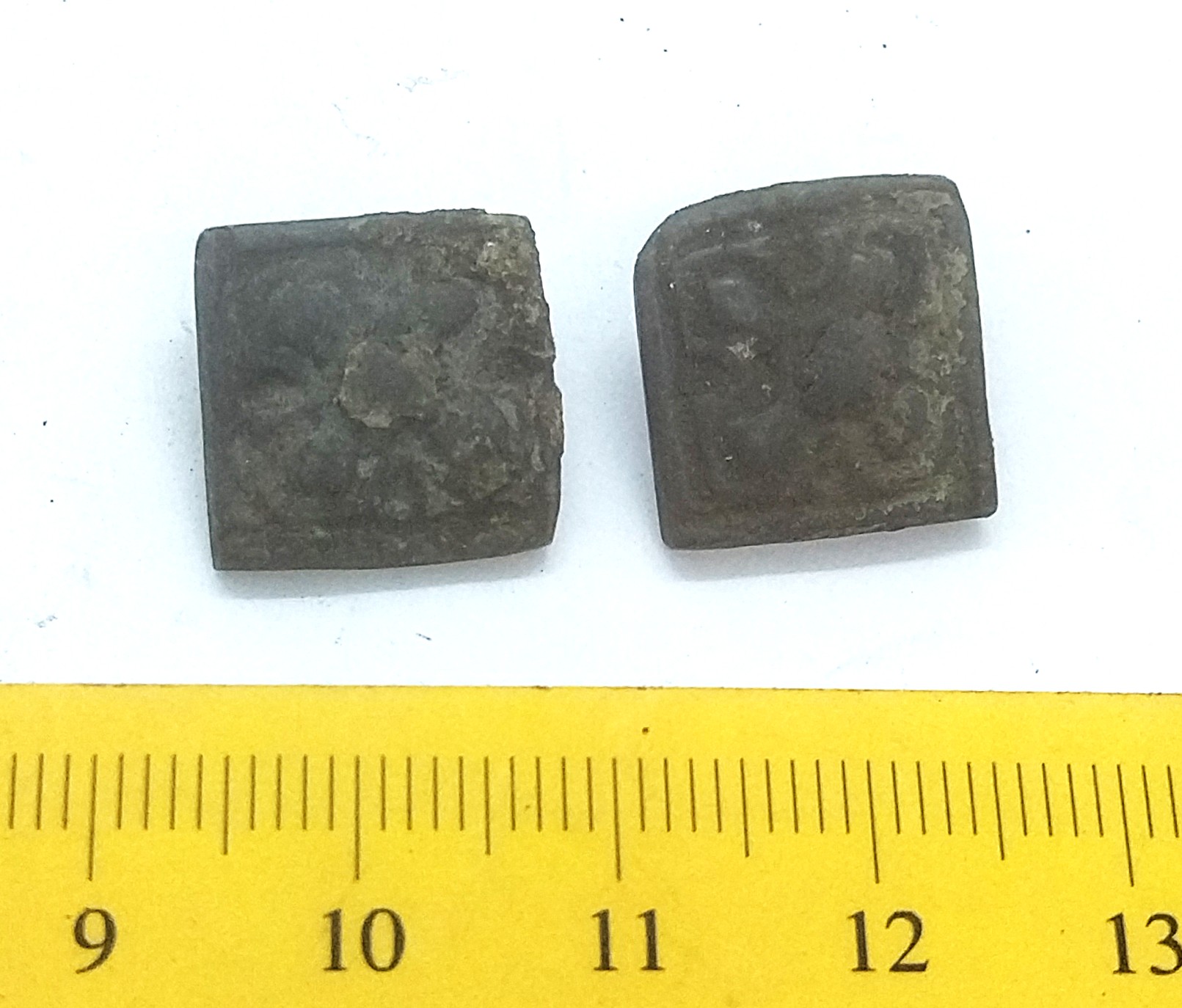
Belt mounts, 2, copper alloy. Square-shaped mounts with cross-motifs are very widespread in Estonian stone graves with cremations (Mägi 2002, 96-99; Mandel 2017, 83, tahv XLII).They have been often found together with Gotland-Baltic type buckles and animal style joining mounts (e g Lehtsalo-Hilander 1982, 154).
Literature:
Lehtsalo-Hilander, P.-L. 1982. Luistari II: The Artefacts. SMYA 82: 2. Helsinki.
Mägi, M. 2002. At the crossroads of space and time: graves, changing society and ideology on Saaremaa (Ösel), 9th–13th centuries AD. Tallinn.
Mandel, M. 2017. Maidla muinaskalmistu saladused. Eesti Ajaloomuuseum, Tallinn.
Century:
11-12
Discovery code:
AI 3884: 849

