
Database
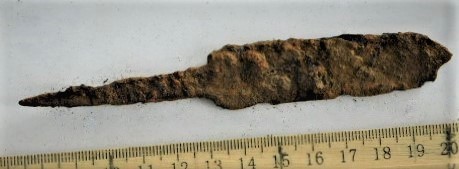
Mullutu
Iron knife.
Century:
7-15
Discovery code:
SM 10863:44
Century:
7-15
Discovery code:
SM 10863:44
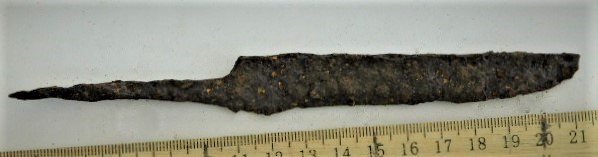
Mullutu
Iron knife.
Century:
7-15
Discovery code:
SM 10863:45
Century:
7-15
Discovery code:
SM 10863:45
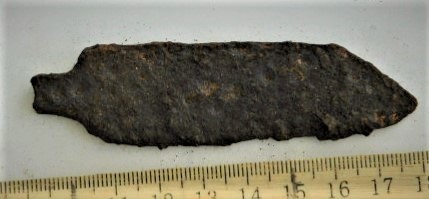
Mullutu
Iron knife.
Century:
7-15
Discovery code:
SM 10863:46
Century:
7-15
Discovery code:
SM 10863:46
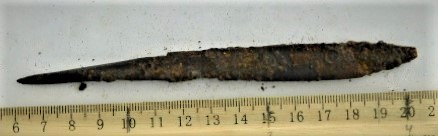
Mullutu
Iron knife.
Century:
7-15
Discovery code:
SM 10863:47
Century:
7-15
Discovery code:
SM 10863:47
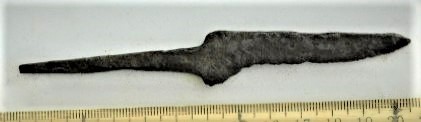
Mullutu
Iron knife.
Century:
7-15
Discovery code:
SM 10863:48
Century:
7-15
Discovery code:
SM 10863:48
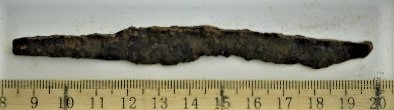
Mullutu
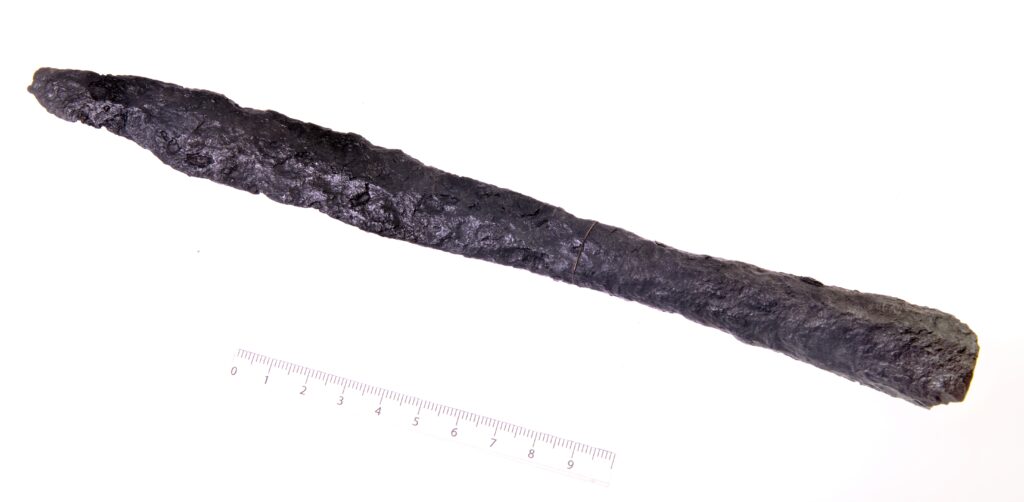
Iron knife.
Century:
7-15
Discovery code:
SM 10863:49
Century:
7-15
Discovery code:
SM 10863:49
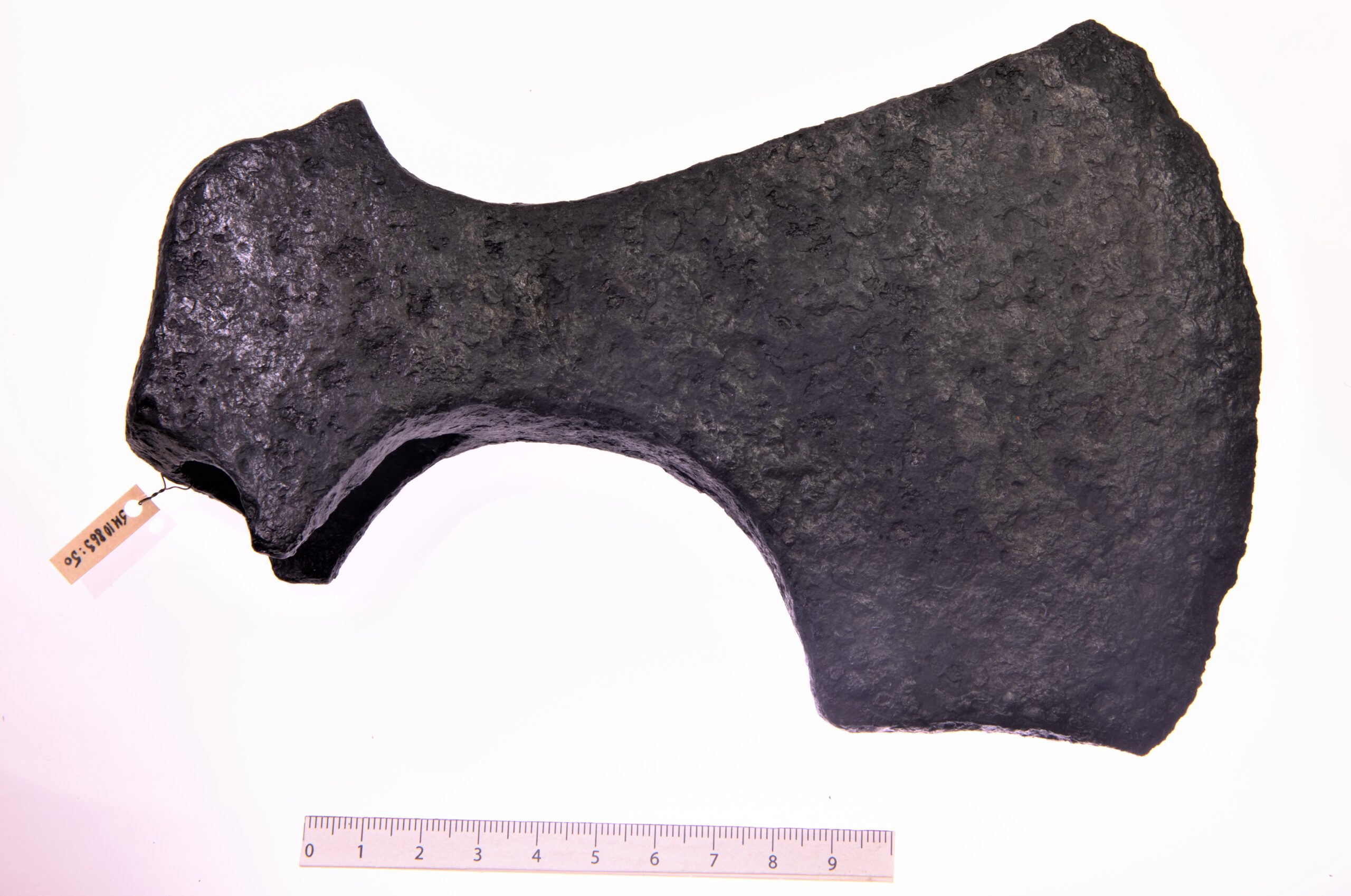
Mullutu
Broad-bladed bearded axe with double lugs, iron.
Century:
14
Discovery code:
SM 10863:50
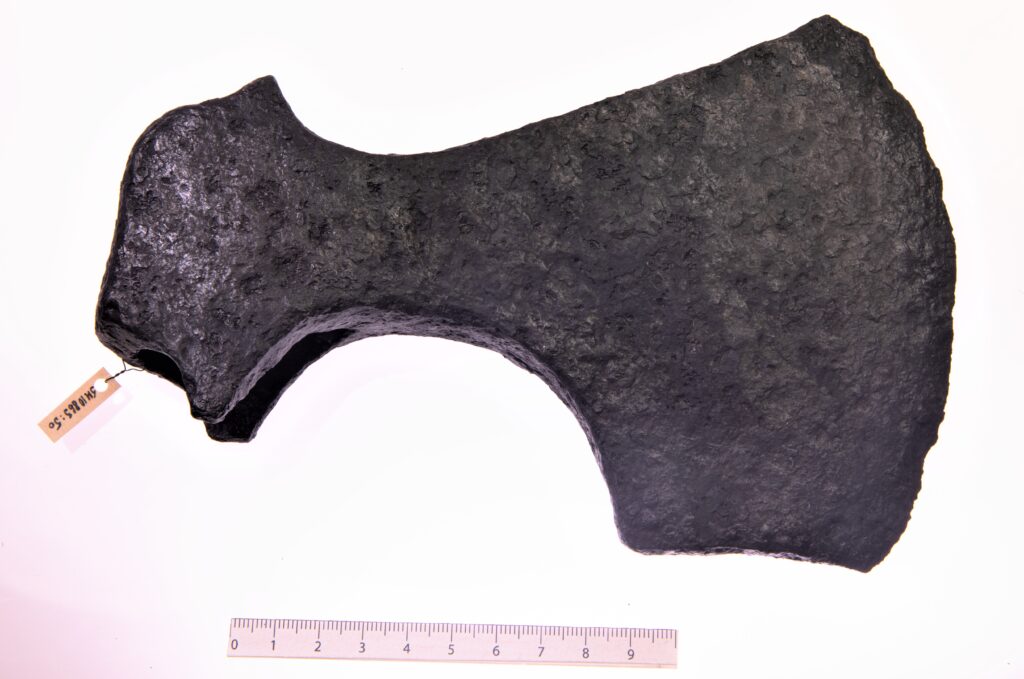
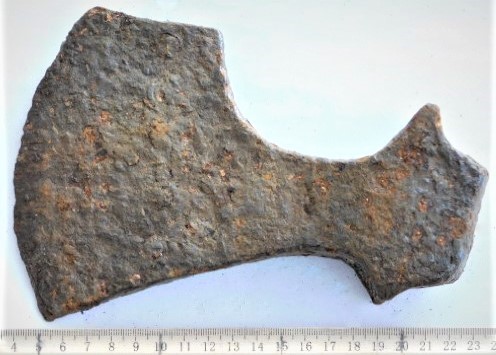
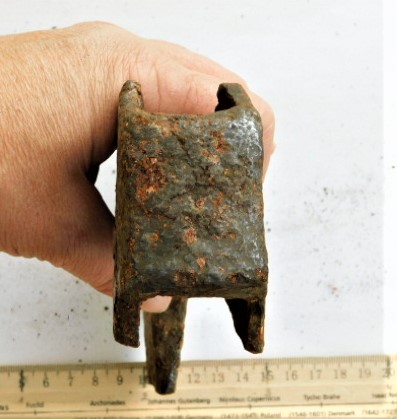
First photo: Jaana Ratas.
Broad-bladed bearded axe with double lugs, iron (Griciuvienė 2009, 397).
Literature:
Griciuvienė, E. (prepared by) 2009. Kuršiai. Genties kultūra laidosenos duomenimis. Baltų archeologijos paroda. Katalogas. The Curonians. Tribe Culture According to the Burial Data. Baltic Archaeological Exhibition. Catalogue. Vilnius – Riga, Lietuvos nacionalis muziejus; Latvijas Nacionālais vēstures muzejs.
Century:
14
Discovery code:
SM 10863:50
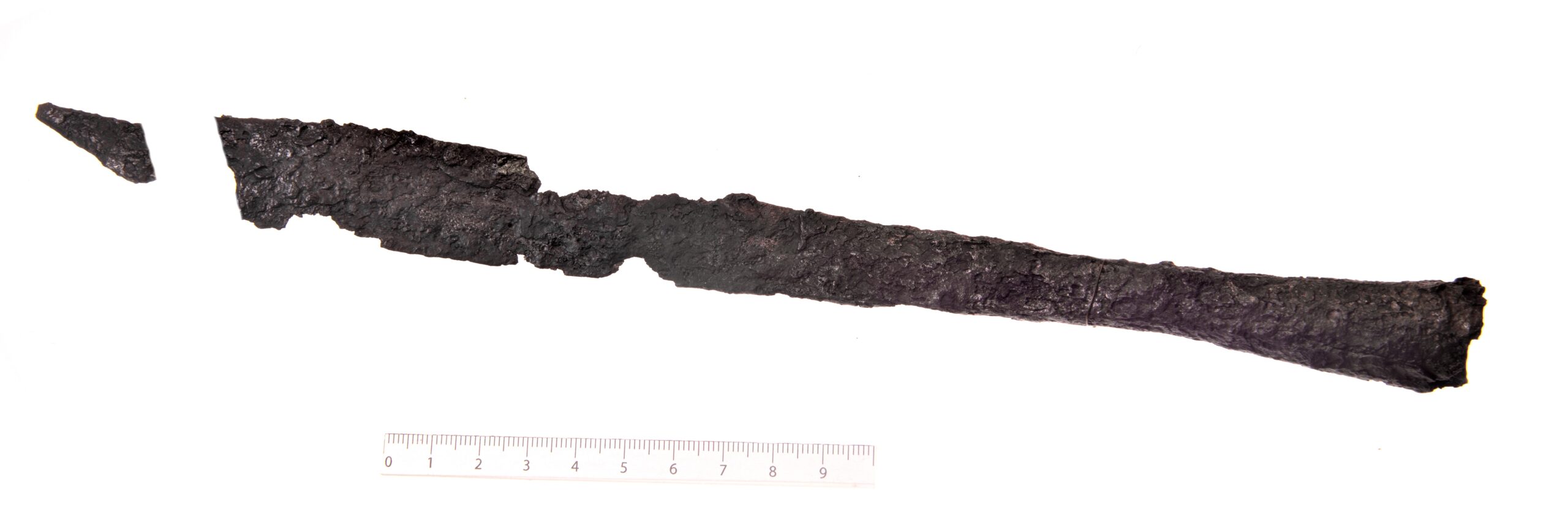
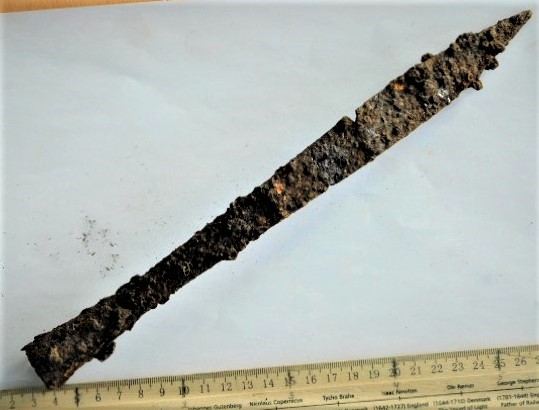
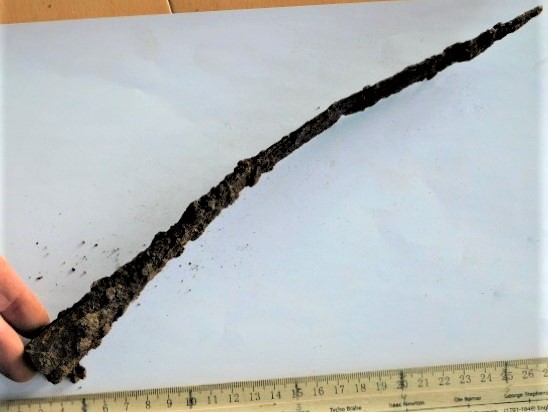
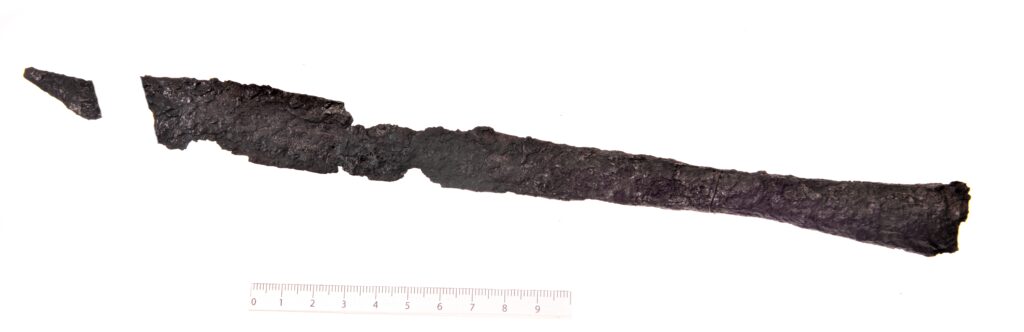
Last photo: Jaana Ratas.
Spearhead of Petersen’s E-type, iron.
Literature:
Pedersen, A. 2014. Dead Warriors in Living Memory. A Study of Weapon and Equestrian Burials in Viking-Age Denmark, AD 800-1000. – National Museums Studies in Archaeology and History, Vol. 20: 1. Copenhagen, 92-93.
Century:
9-10
Discovery code:
SM 10863:51
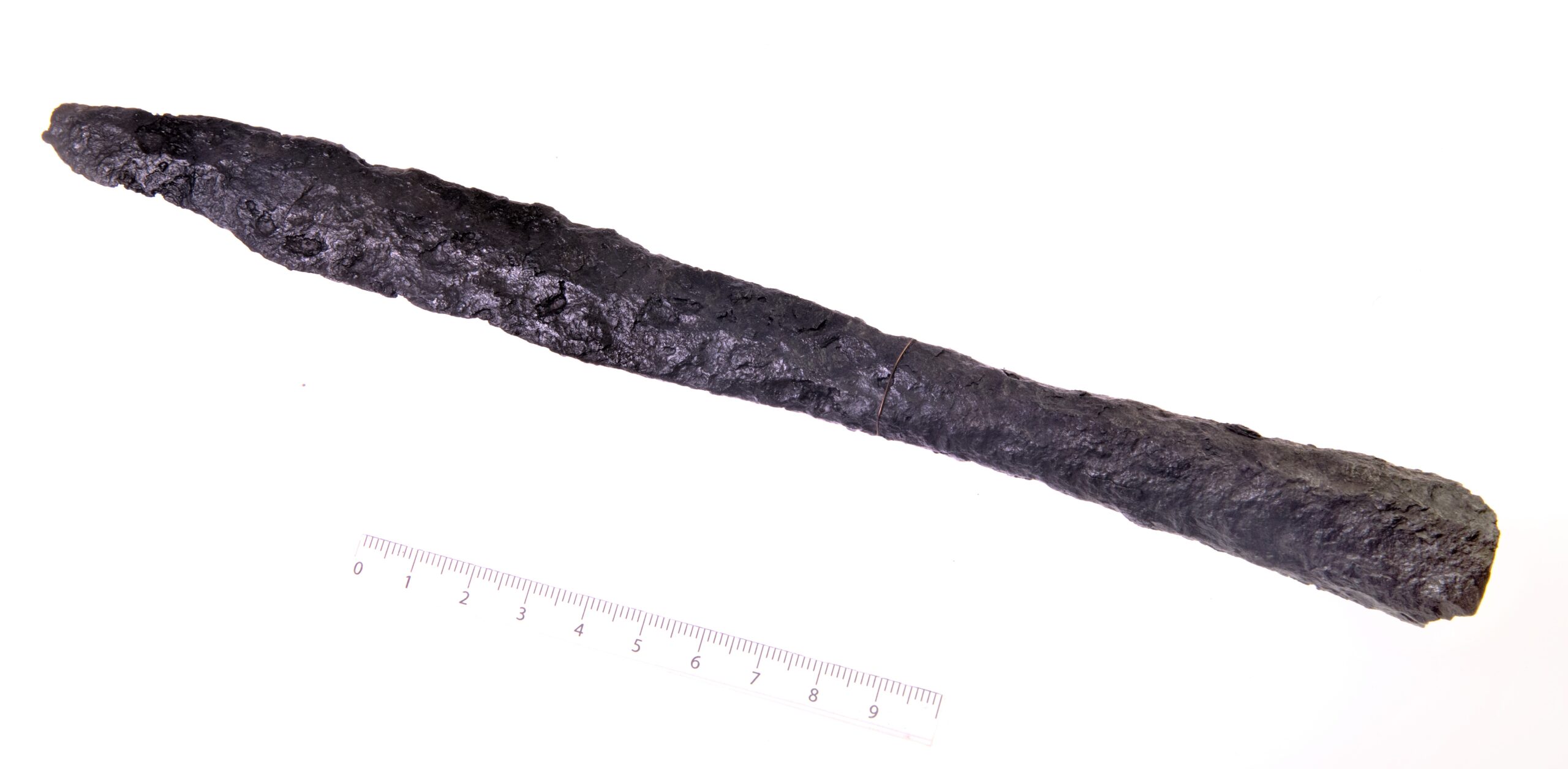
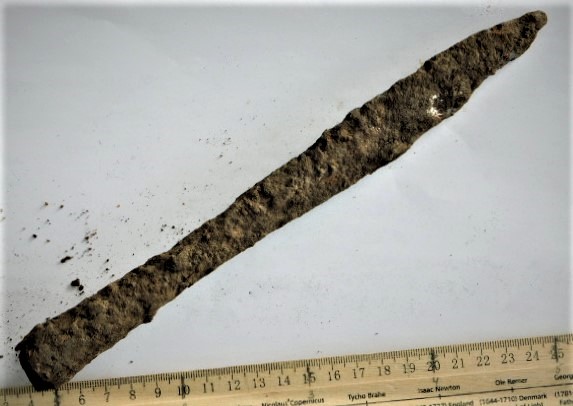
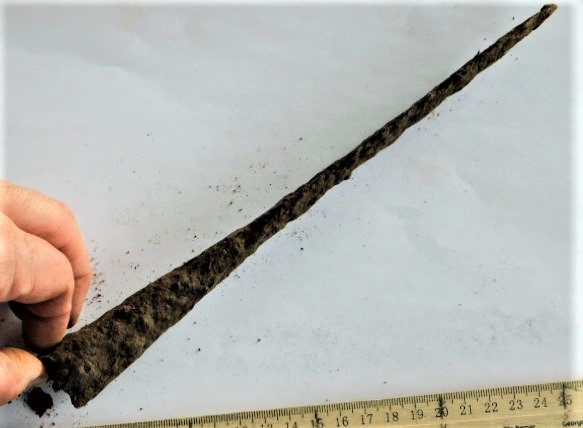
First photo: Jaana Ratas.
Spearhead of Petersen’s E-type, iron.
Literature:
Pedersen, A. 2014. Dead Warriors in Living Memory. A Study of Weapon and Equestrian Burials in Viking-Age Denmark, AD 800-1000. – National Museums Studies in Archaeology and History, Vol. 20: 1. Copenhagen, 92-93.
Century:
9-10
Discovery code:
SM 10863:52

