
Database
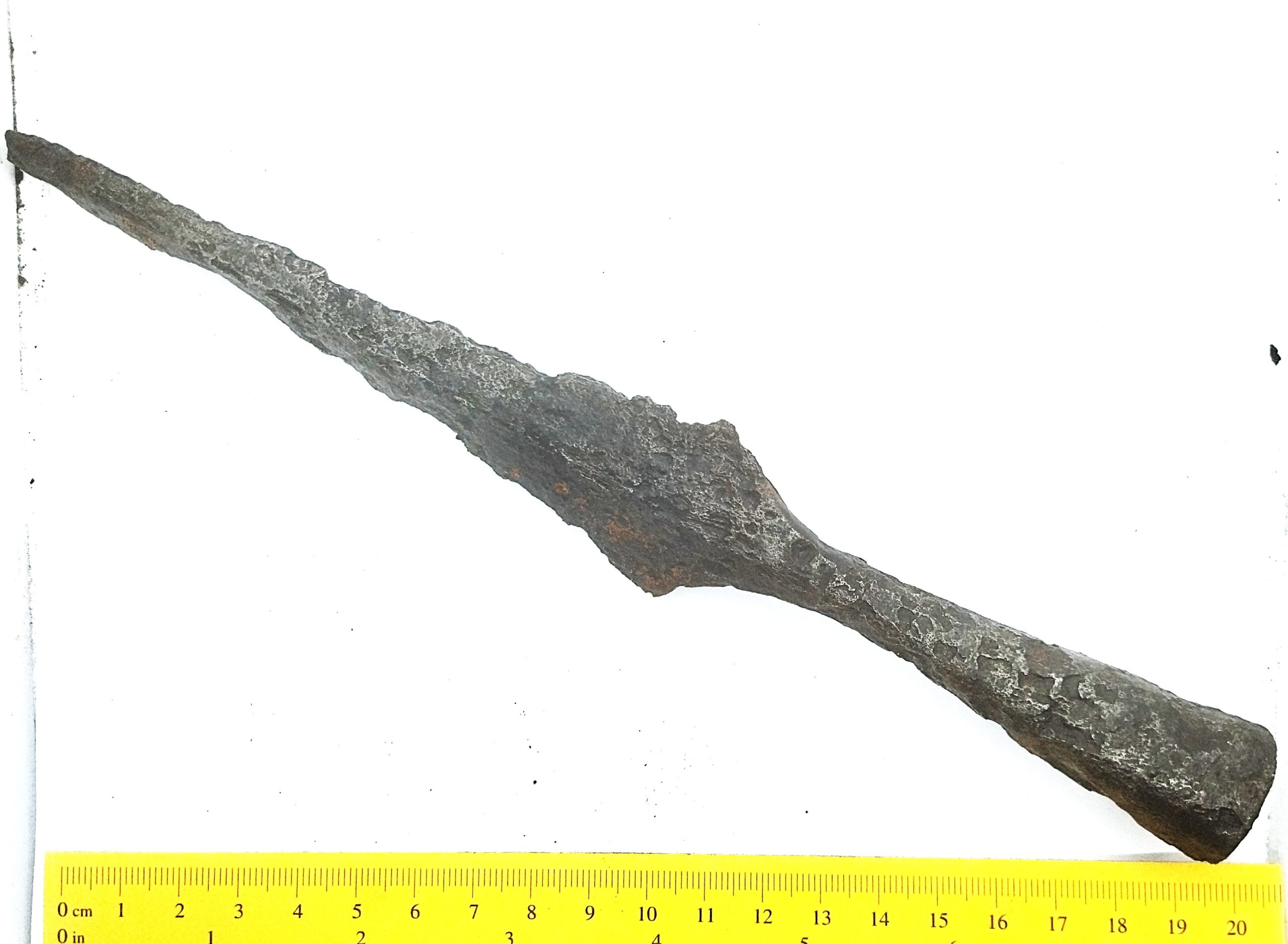
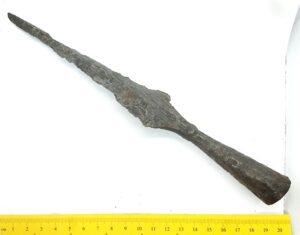
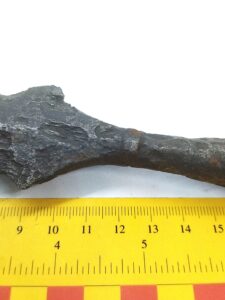
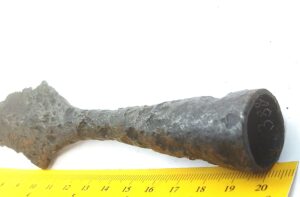 Spearhead, iron. Petersen´s Type M spearhead, dated mainly to the 11th century, or the beginning of the 12th century (Pedersen 2014, 92). In Latvia and the surrounding countries is this a widespread spearhead type (Atgāzis’ Type B), dated to the 11th -12th centuries (Atgāzis 2019, 48-50).
Literature:
Pedersen, A. 2014. Dead Warriors – a study of weapon and equestrian burials in viking-age Denmark, AD 800-1000. National Museum Studies in Archaeology. University Press of Southern Denmark: Odense.
Atgāzis, M. 2019. Tuvcīņas ieroči Latvijā 10.–13. gadsimtā. Latvijas vēstures institūta apgāds. Rīga.
Century:
11
Discovery code:
AI 3884: 1030
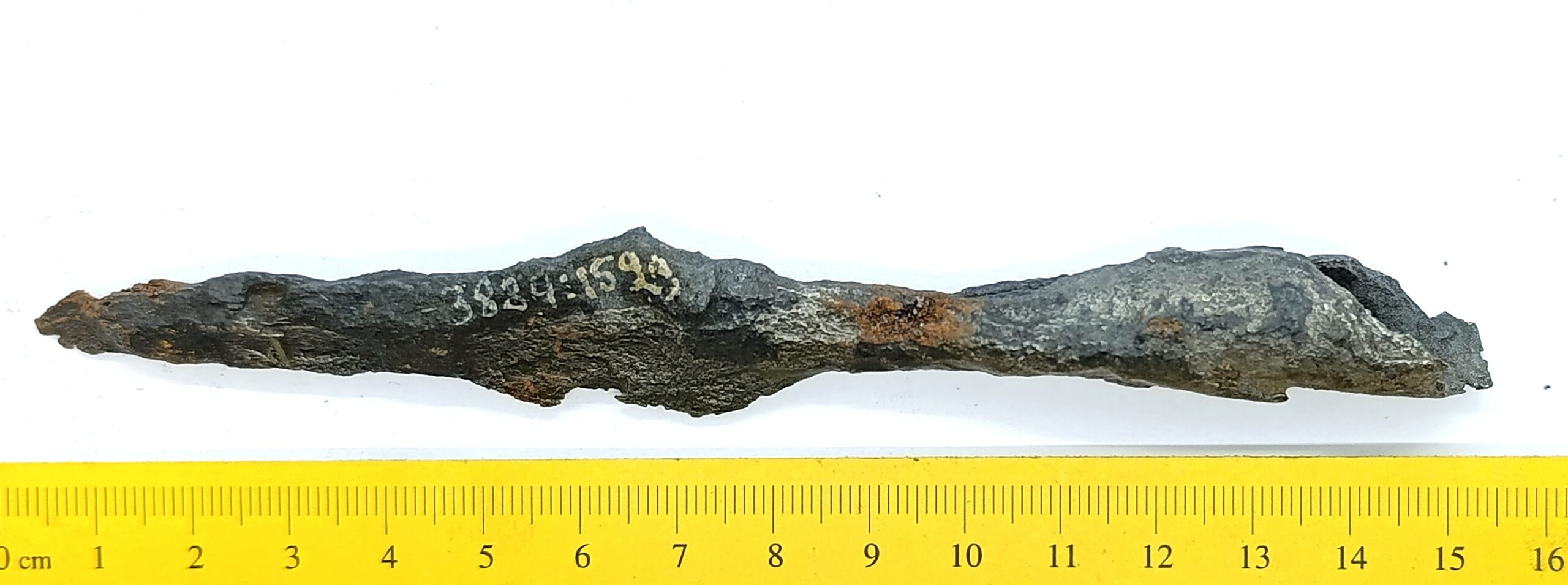
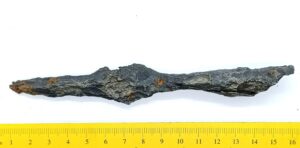 Spearhead, iron. Such small spearheads with rhomboid blades have often been found together with Petersen’s Type M spearheads. (for example Mägi 2002, Pl. 92: 2, 3; Zariņa 2006, Figs. 162, 182:2; Mandel 2017, Pl. 2), and can therefore be dated mainly to the 11th century, possibly also to the beginning of the 12th century.
Literature:
Mägi, M. 2002. At the Crossroads of Space and Time. Graves, Changing Society and Ideology on Saaremaa (Ösel), 9th–13th centuries AD. Tallinn: Ajaloo Instituut, Tallinn/Center of Baltic Studies, Gotland. Loe kogu teost: siin. Arheoloogiliste leidude joonised on leitavad: siin
Zariņa, A. 2006. Salaspils Laukskolas kapulauks 10.–13. gadsimts. Rīga: Latvijas Vēstures Institūta Apgāds.
Mandel, M. 2017. Maidla muinaskalmistu saladused. Eesti Ajaloomuuseum, Tallinn.
Century:
11
Discovery code:
AI 3884: 1529
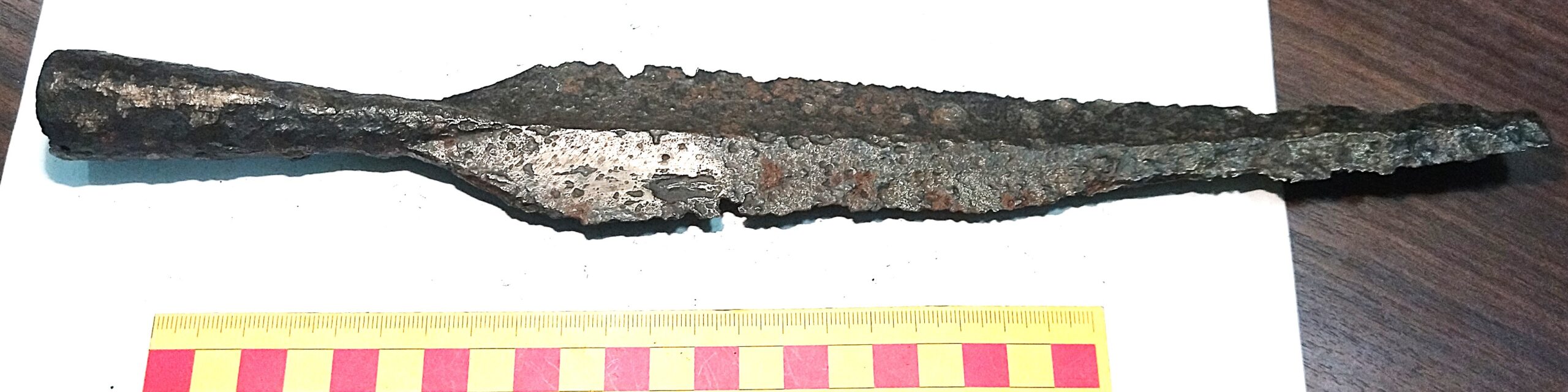
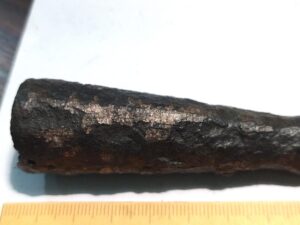 Spearhead, iron. Petersen type G, which in Scandinavia is dated to the second half of the 10th century and the first half of the 11th century (Pedersen 2014, 92–93). In Finland, such spearheads have been dated to the 11th century (Lehtosalo-Hilander 1982, 32–34). They have been found quite frequently both in Saaremaa and elsewhere in Estonia, as well as in the Livic area in Latvia (Mägi 2002, 84–85; Atgāzis 2019, 54). Atgāzis has classified Petersen’s type G together with slightly different spearheads as type D, which he dates to the 11th–12th century (Atgāzis 2019, 54).
Literature:
Lehtsalo-Hilander, P.-L. 1982. Luistari II: The Artefacts. SMYA 82: 2. Helsinki.
Mägi, M. 2002. At the Crossroads of Space and Time. Graves, Changing Society and Ideology on Saaremaa (Ösel), 9th–13th centuries AD. Tallinn: Ajaloo Instituut, Tallinn/Center of Baltic Studies, Gotland. Loe kogu teost: siin. Arheoloogiliste leidude joonised on leitavad: siin
Pedersen, A. 2014. Dead Warriors – a study of weapon and equestrian burials in viking-age Denmark, AD 800-1000. National Museum Studies in Archaeology. University Press of Southern Denmark: Odense.
Atgāzis, M. 2019. Tuvcīņas ieroči Latvijā 10.–13. gadsimtā. Latvijas vēstures institūta apgāds. Rīga.
Century:
11
Discovery code:
AI 3884: 1537
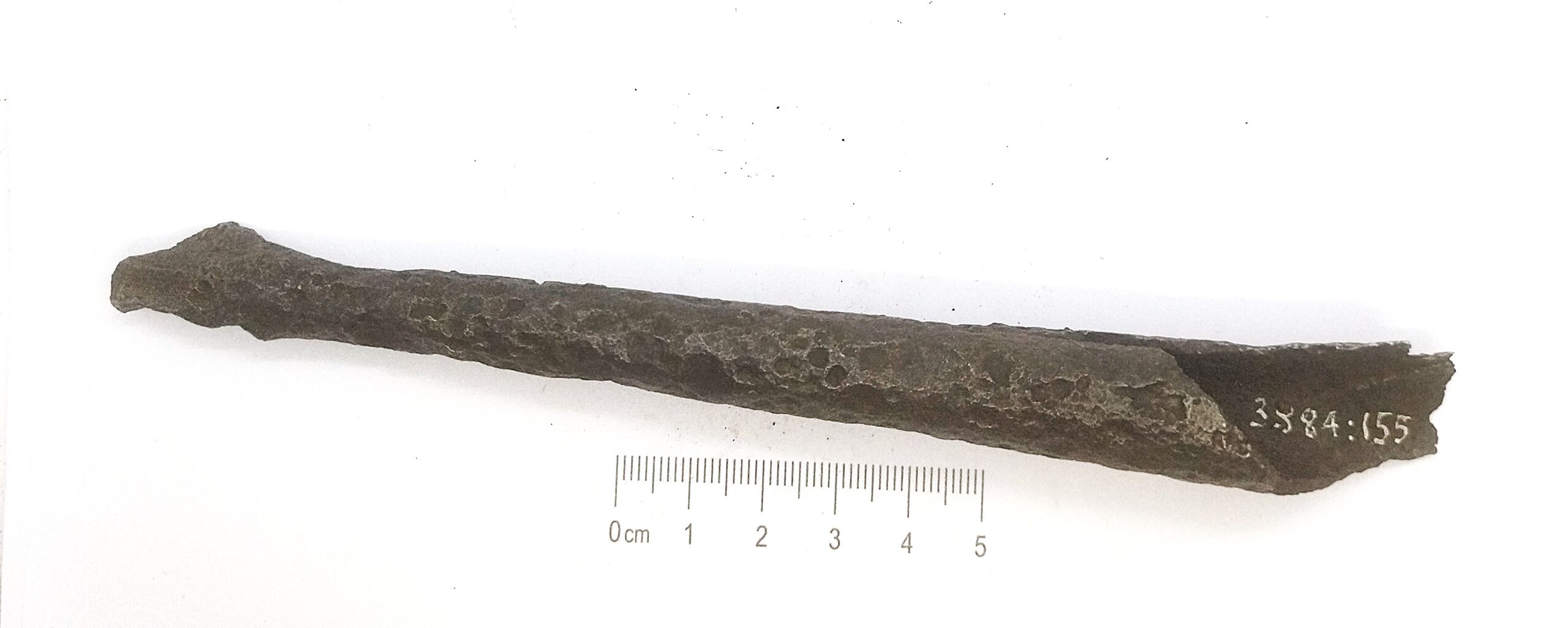
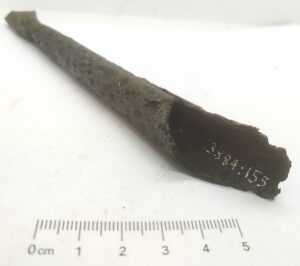
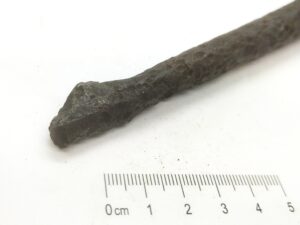
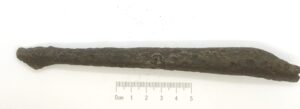 Spearhead, iron. With a long, slender socket, probably has had a leaf-shaped blade. In Latvia such spearheads were widespread in Couronia, but also occur in Livic areas. They are dated to the 12th–13th centuries (Atgāzis 2019, 54–55). In northern Estonia, similar spearheads are known from 13th-century inhumation burials at Pada (e.g. burial XXXI).
Literature:
Atgāzis, M. 2019. Tuvcīņas ieroči Latvijā 10.–13. gadsimtā. Latvijas vēstures institūta apgāds. Rīga.
Century:
12-13
Discovery code:
AI 3884: 155
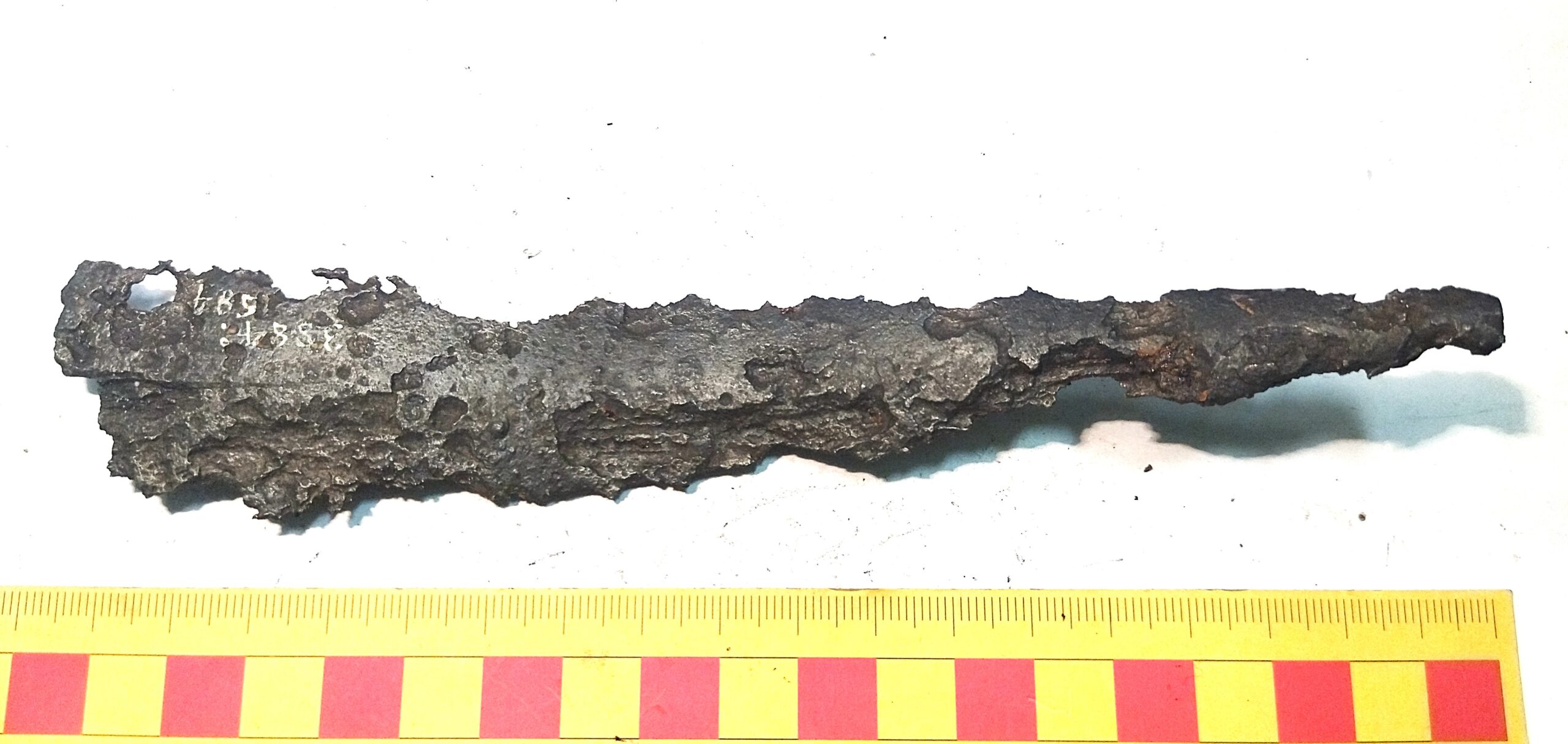
Century:
11-13
Discovery code:
AI 3884: 1584
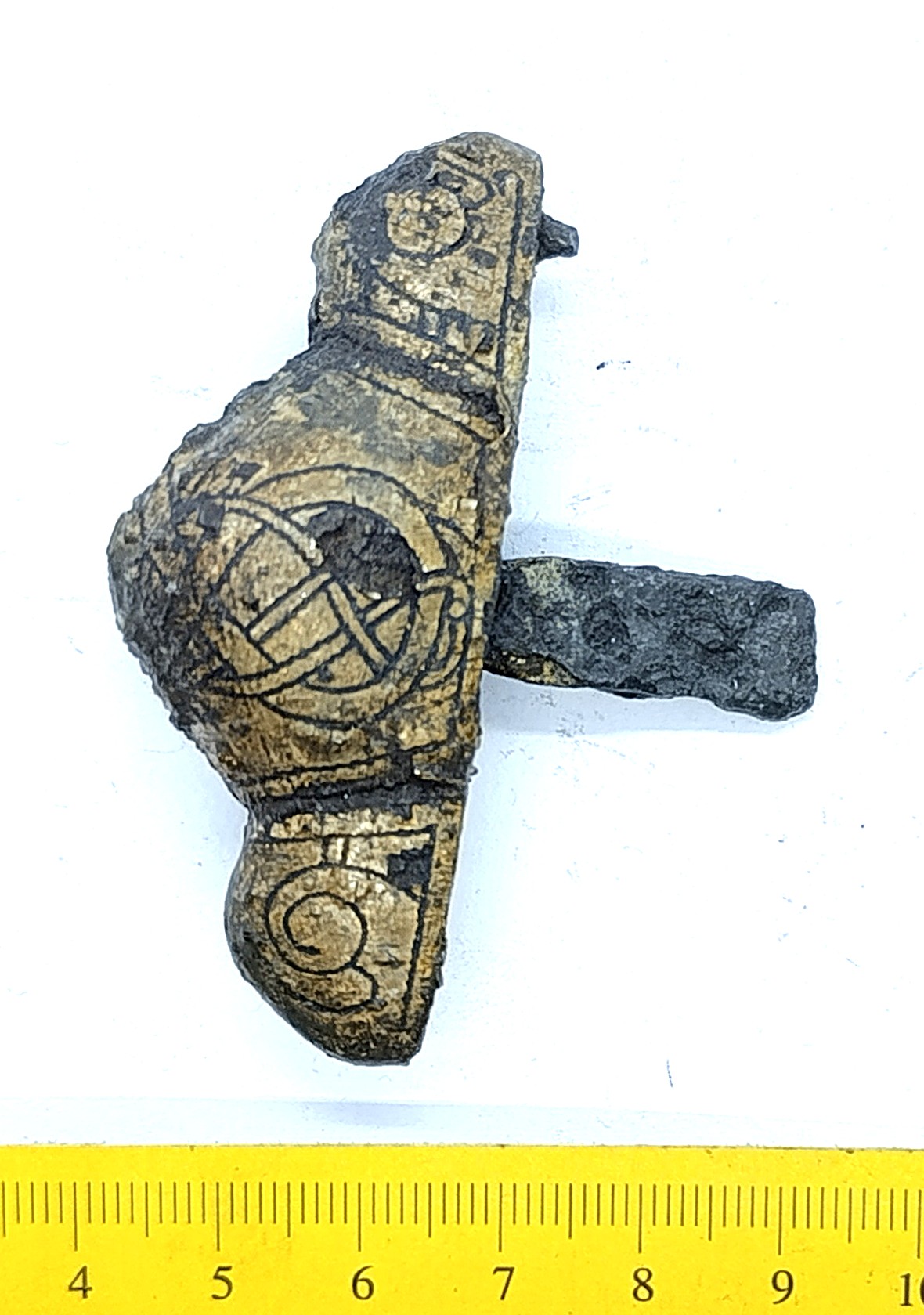
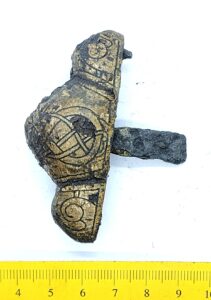
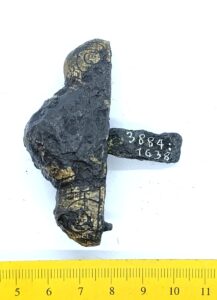
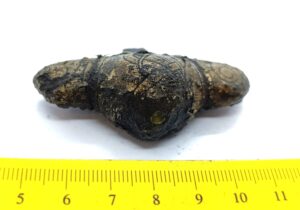
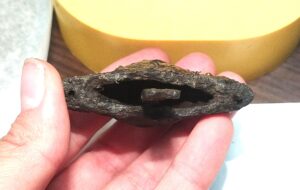 Pommel, iron with silver inlay. Petersen´s Type S sword which is dated to the 10th–11th centuries (Petersen 1919, 142–153). Such sword hilts are in Latvia found mainly in Livic areas and dated to the second half of the 11th century, or to the beginning of the 12th century (Tomsons 2018, 57−58). Decorated in Urnes Style that was widespread 1010–1130 AD (Jets 2013, 91−97), which dates the hilt guard most likely to the 11th century.
Literature:
Jets, I. 2013. Lahingu maod. Skandinaavia 9.-11. sajandi sajandi kunstistiilid Eesti arheoloogilistel leidudel. Tallinn: Tallinna Ülikooli Kirjastus.
Tomsons, A. 2018. Zobeni Latvijas teritorijā no 7. līdz 16. gadsimtam. Latvijas nacionālā vēstures muzeja raksti nr. 27. Rīga.
Century:
11
Discovery code:
AI 3884: 1638
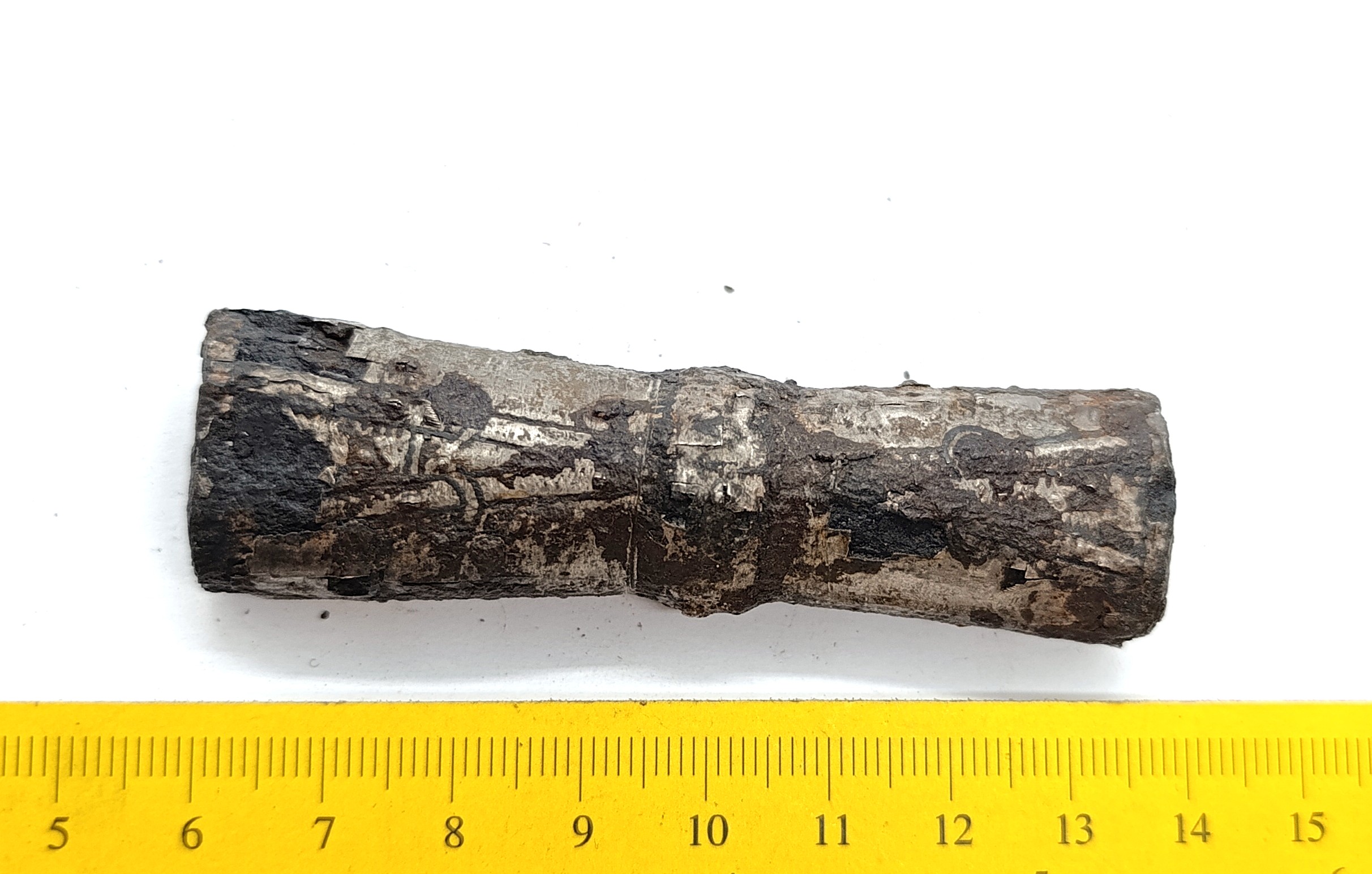
 Sword hilt, iron with silver inlay. Likely from Petersen´s Type S sword which is dated to the 10th – 11th centuries (Petersen 1919, 142–153). Decorated in Urnes Style that was widespread 1010–1130 AD (Jets 2013, 91-97), which dates the hilt guard most likely to the 11th century.
Literature:
Petersen, J. 1919. De Norske Vikingesverd: en typologisk-kronologisk studie over vikingetidens vaaben. Kristiana.
Jets, I. 2013. Lahingu maod. Skandinaavia 9.-11. sajandi sajandi kunstistiilid Eesti arheoloogilistel leidudel. Tallinn: Tallinna Ülikooli Kirjastus.
Century:
11
Discovery code:
AI 3884: 1651


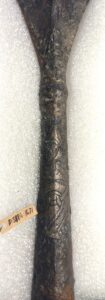 Spearhead, iron. Petersen´s Type M spearhead, socket silver-plated and decorated in Ringerike Style. Type M spearheads are dated mainly to the 11th century, or the beginning of the 12th century (Pedersen 2014, 92). In Latvia and the surrounding countries is this a widespread spearhead type (Atgāzis’ Type B), dated to the 11th -12th centuries (Atgāzis 2019, 48-50).
Literature:
Pedersen, A. 2014. Dead Warriors – a study of weapon and equestrian burials in viking-age Denmark, AD 800-1000. National Museum Studies in Archaeology. University Press of Southern Denmark: Odense.
Atgāzis, M. 2019. Tuvcīņas ieroči Latvijā 10.–13. gadsimtā. Latvijas vēstures institūta apgāds. Rīga.
Century:
11-12
Discovery code:
AI 3884: 1671
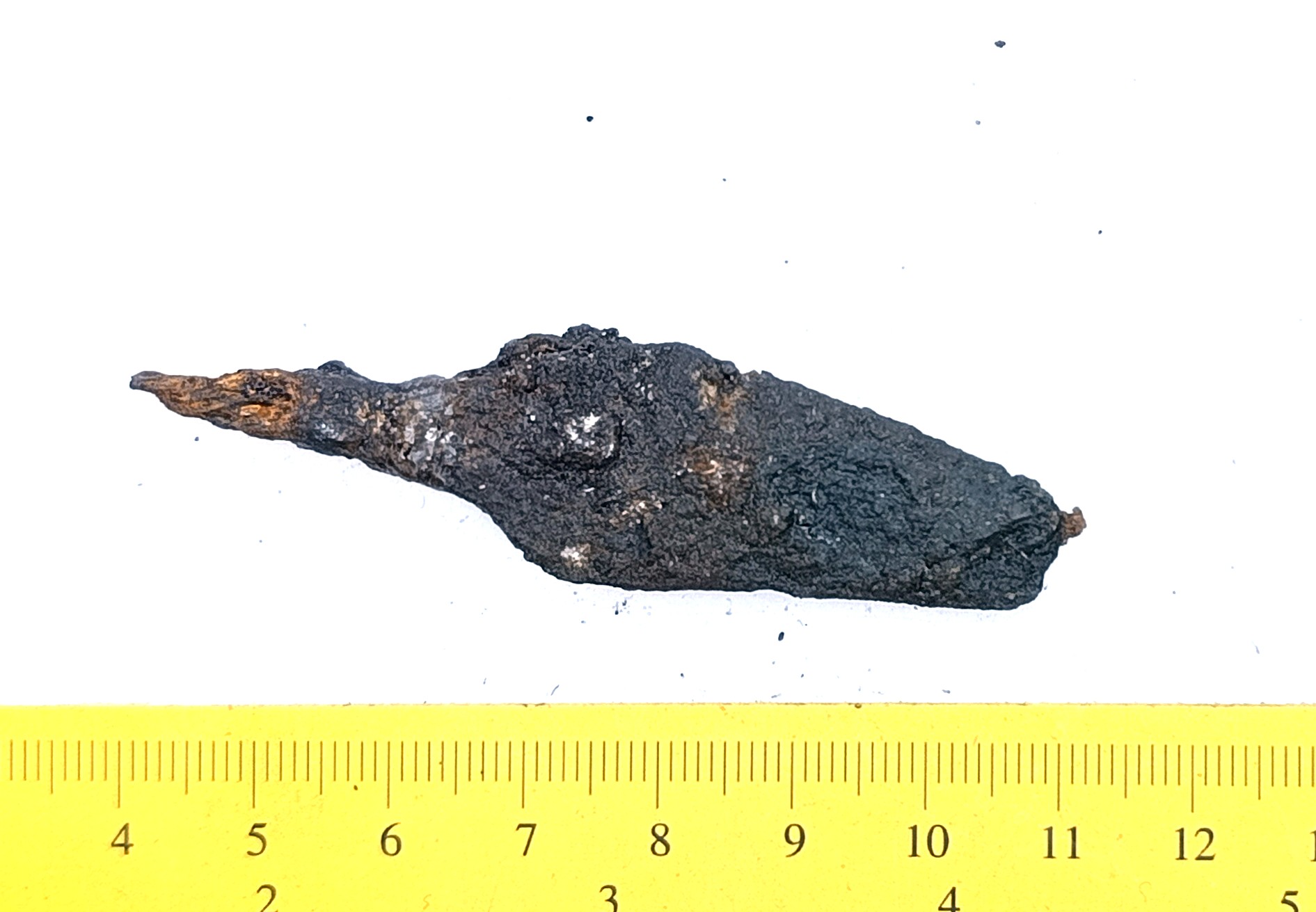
Viltina
Small socketed javelin head or large arrowhead, iron.
Century:
12-13
Discovery code:
AI 3884: 1687
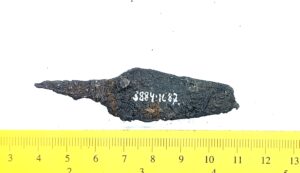 Small socketed javelin head or large arrowhead, iron. Ain Mäesalu has classified such flat arrowheads as type B2, considering them characteristic of Finno-Ugric peoples from the 10th to the 13th century (Mäesalu 1989, 31). However, javelin heads of a similar shape, though usually somewhat larger, were – according to Brūzis – widespread in Latvia, including in the lower reaches of the Daugava River, during the 13th–14th centuries and even later (Brūzis 2016, 121–122, 282). Considering the find context, in this case the head most likely dates to the 12th–13th century.
Literature:
Mäesalu, A. 1989. Otepää linnuse nooleotsad ajalooliste seoste ja sündmuste kajastajatena. – Allikaõpetuslikke uurimusi. Eesti ajaloo küsimusi, XI. (Tartu Riikliku Ülikooli toimetised, 851.). Tartu, 27-46.
Brūzis, R. 2016. Tuvcīņas ieroči Latvijā 14.–16. gadsimtā. – Rīga: Latvijas vēstures institūta apgāds.
Century:
12-13
Discovery code:
AI 3884: 1687

